
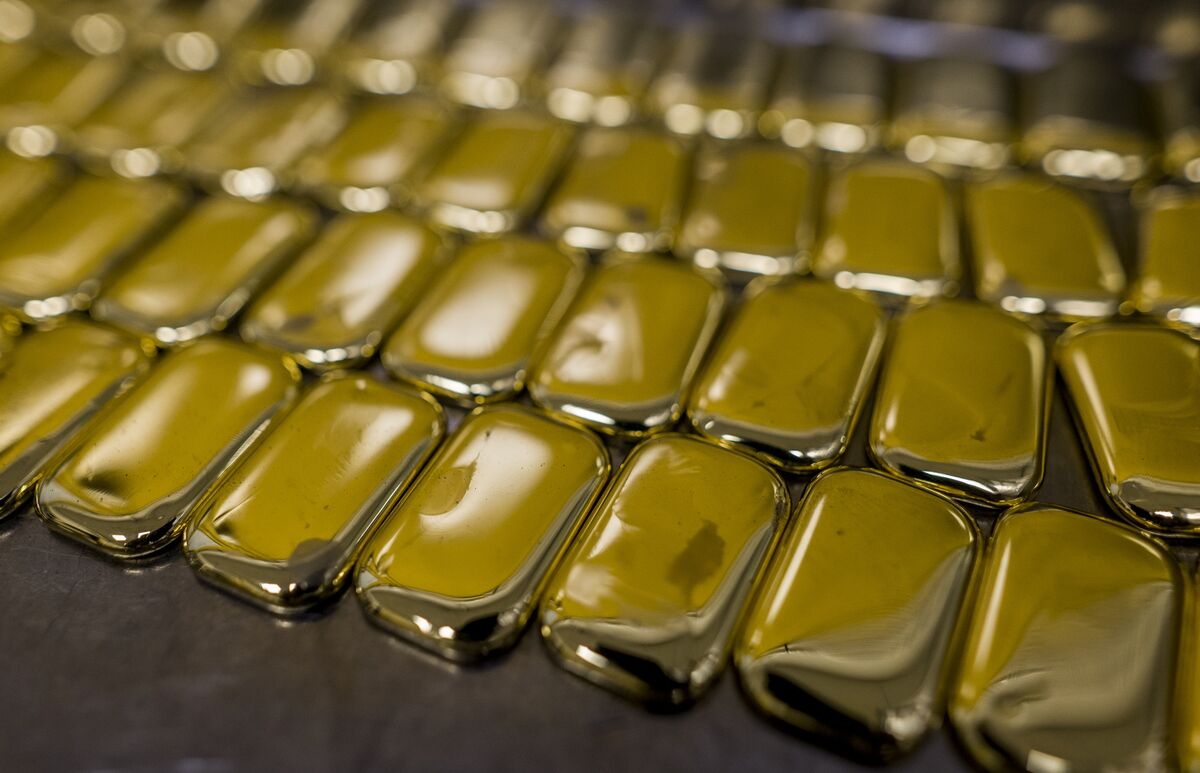


Gold Prices Hit 13-Year Lows | Jewelry & Luxury Sellers Face Margin Pressure
- Gold down 11% monthly, worst quarter since 2013; retail demand collapse impacts jewelry, watches, collectibles categories across Amazon, eBay, Shopify















Overview
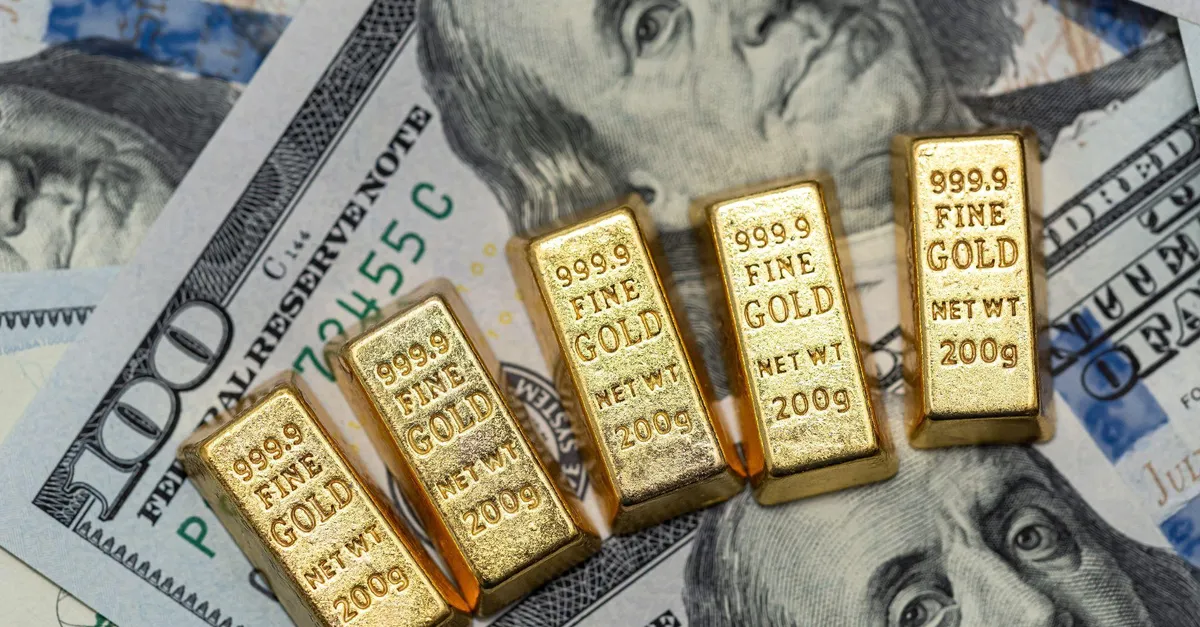
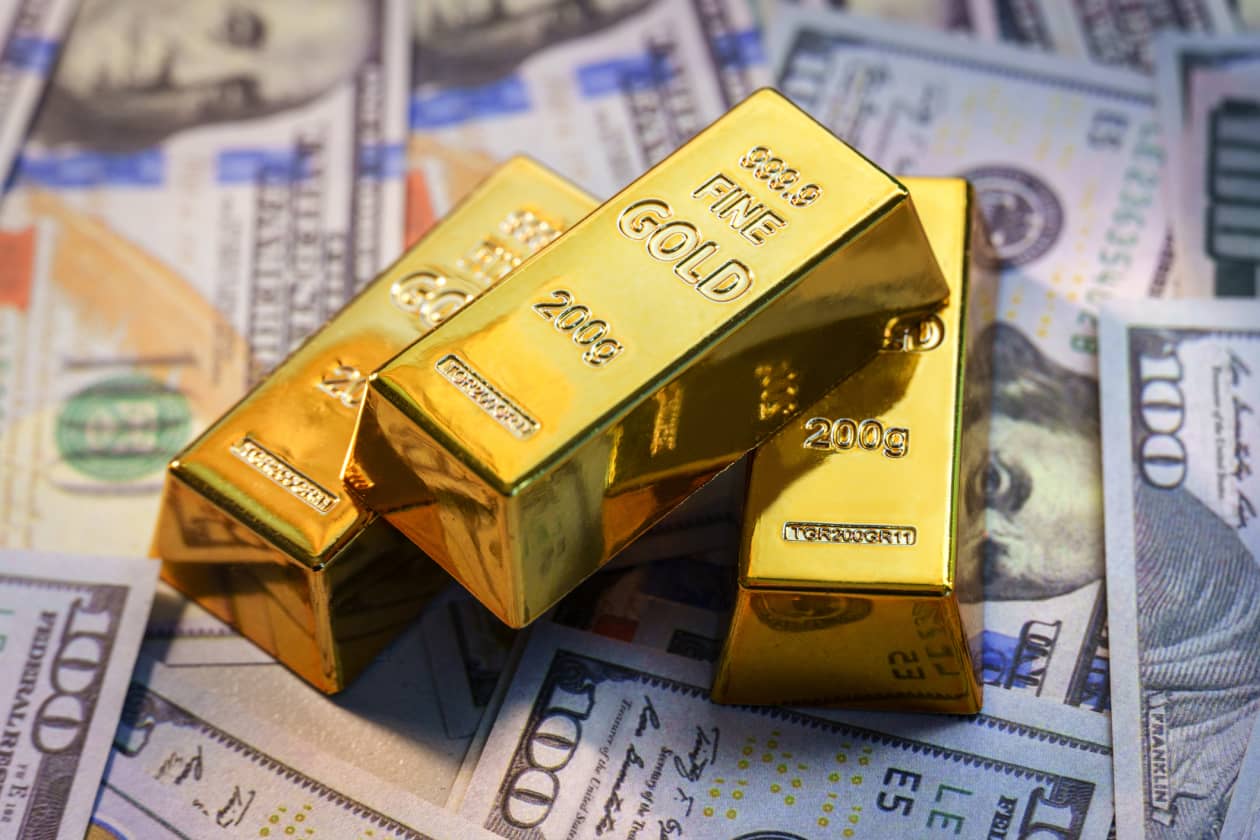
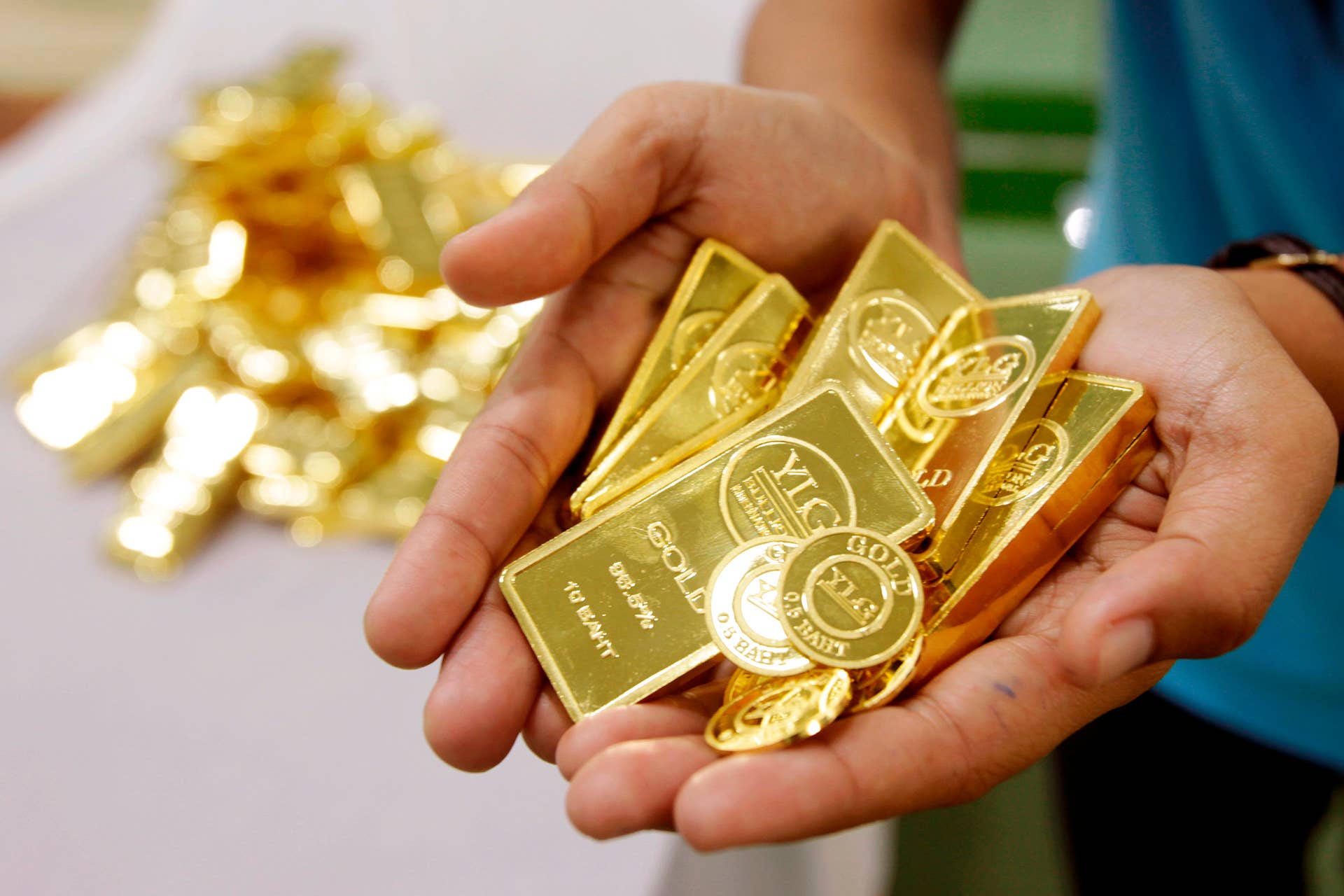
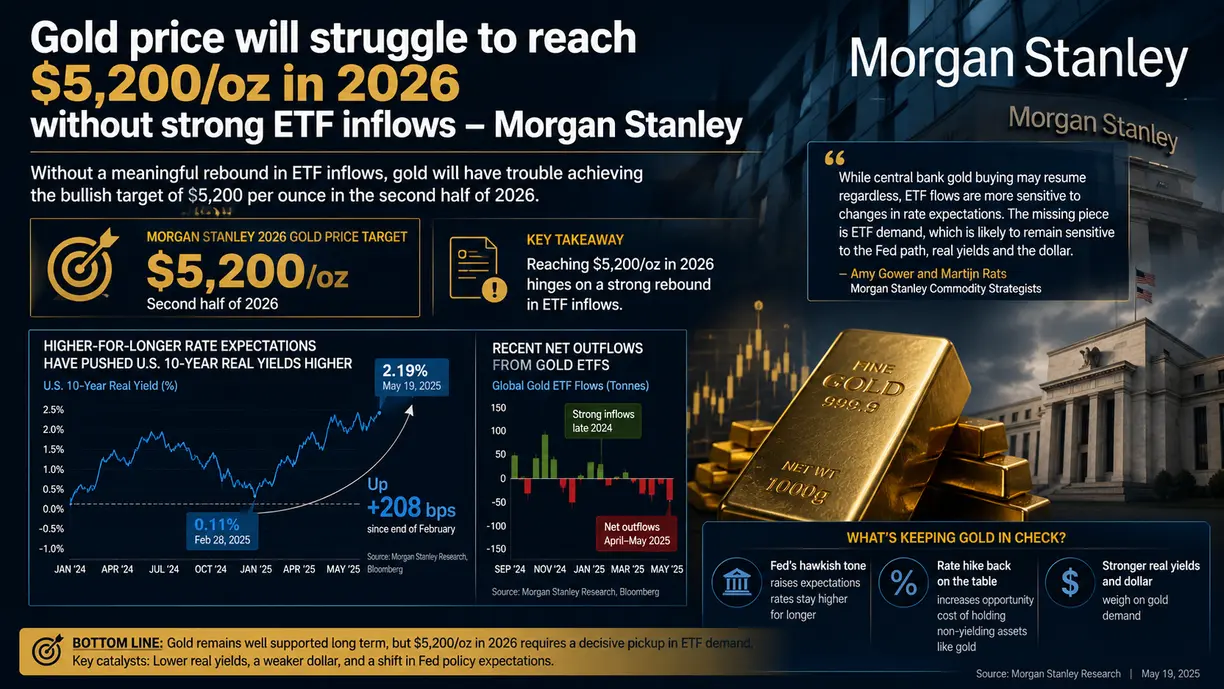
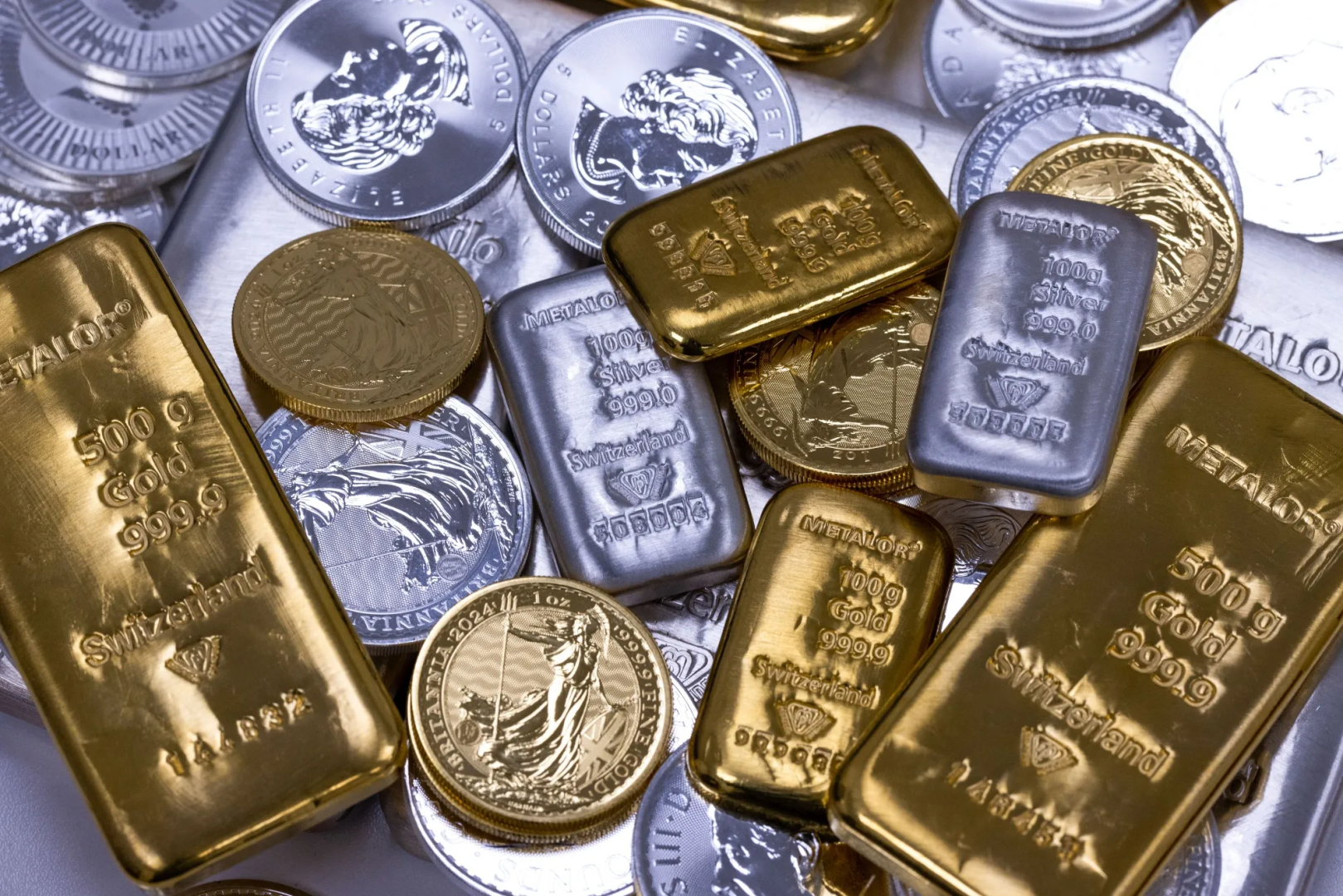
Gold prices have collapsed to seven-month lows, positioning the precious metal for its worst quarterly performance since Q2 2013, with direct implications for cross-border e-commerce sellers in jewelry, watches, and luxury goods categories. Spot gold traded at $4,022.29 per ounce on June 30, 2026, down more than 11% for the month and tracking a fourth consecutive monthly loss. The decline stems from a strengthened U.S. dollar and market expectations of Federal Reserve interest rate hikes (64% probability for September rate increase per CME FedWatch data), combined with cooling retail investment demand that had previously driven speculative buying. Over 30 days, gold declined 10.43% ($469.43), while silver fell more sharply at 22.92% ($17.34), demonstrating heightened volatility in precious metals markets.
For e-commerce sellers, this correction presents a bifurcated impact: immediate margin compression for inventory holders, but sourcing cost advantages for new purchases. Sellers with existing gold inventory—particularly those in jewelry, watches, collectibles, and precious metal product categories—face direct margin pressure as wholesale prices decline. A seller holding 100 ounces of gold inventory at $4,500/ounce (previous levels) now faces $47,700 in unrealized losses as prices approach $4,000 support levels. Conversely, sellers planning Q3-Q4 inventory purchases can acquire gold-based products at 10-15% lower wholesale costs, improving future margins. The shift in retail sentiment from speculative frenzy to cautious positioning signals changing consumer purchasing patterns, with potential impacts on demand for luxury goods and precious metal products sold through Amazon, eBay, and Shopify. Major financial institutions have recalibrated forecasts downward: Goldman Sachs reduced its December 2026 target from $5,400 to $4,900, while Deutsche Bank warned aggressive Fed hiking could pressure gold toward $3,800.
The broader macroeconomic context reveals why this matters beyond precious metals: rising interest rates and dollar strength reduce demand for non-yielding assets, signaling tighter consumer credit conditions that ripple across luxury e-commerce. The Personal Consumption Expenditures report showed 4.1% inflation year-over-year through May, and higher energy prices from Middle East tensions eliminated market expectations for U.S. rate cuts in 2026. This environment typically correlates with reduced discretionary spending on luxury items, watches, and jewelry—categories that depend on consumer confidence and available credit. Sellers should monitor upcoming U.S. employment data (ADP reports, nonfarm payrolls) as these will signal Federal Reserve policy direction and consumer spending capacity. Technical analysts identify $4,000 as critical support, with potential deeper resets to $3,900 if Fed hiking accelerates, creating a 6-12 month window of price uncertainty that affects inventory valuation and pricing strategies.
Questions 8
What inventory management strategies should sellers adopt during this price correction?
Implement a tiered inventory strategy: (1) Clear existing high-margin inventory through promotional pricing to free up capital and reduce holding costs; (2) Reduce new inventory purchases to 50-60% of normal levels until price stabilization signals emerge; (3) Allocate freed capital to lower-cost inventory purchases at current wholesale prices for future resale; (4) Monitor inventory turnover rates weekly—if velocity drops below historical averages, accelerate clearance promotions. News 3 notes that 'sellers with existing gold inventory may face margin compression as wholesale prices decline, while those planning purchases can benefit from lower acquisition costs.' Additionally, consider shifting product mix toward value-oriented items and bundles that appeal to more price-conscious consumers during periods of rising interest rates and cooling luxury demand. Track your cost of goods sold (COGS) changes weekly to adjust pricing strategies dynamically.
Should jewelry sellers adjust inventory strategy based on gold price forecasts?
Yes, sellers should implement a two-tier strategy based on Goldman Sachs' revised $4,900 December 2026 target (down from $5,400). For existing inventory, accelerate liquidation of slow-moving SKUs at current prices rather than holding for recovery—the downside risk to $3,800 (Deutsche Bank warning) outweighs upside potential. For new purchases, build inventory gradually through Q3-Q4 as prices stabilize, targeting the $4,000-4,100 range identified by technical analysts as critical support. Avoid large bulk purchases until employment data (ADP reports, nonfarm payrolls) clarifies Fed policy direction, expected in July-August 2026.