


China Rare Earth Export Ban on Japan | Critical Supply Chain Disruption for Electronics Sellers
- De facto ban on rare earth exports to Japan threatens 40-60% of component sourcing for electronics manufacturers; sellers relying on Japanese suppliers face 8-15% cost increases and 6-12 week lead time extensions


Overview
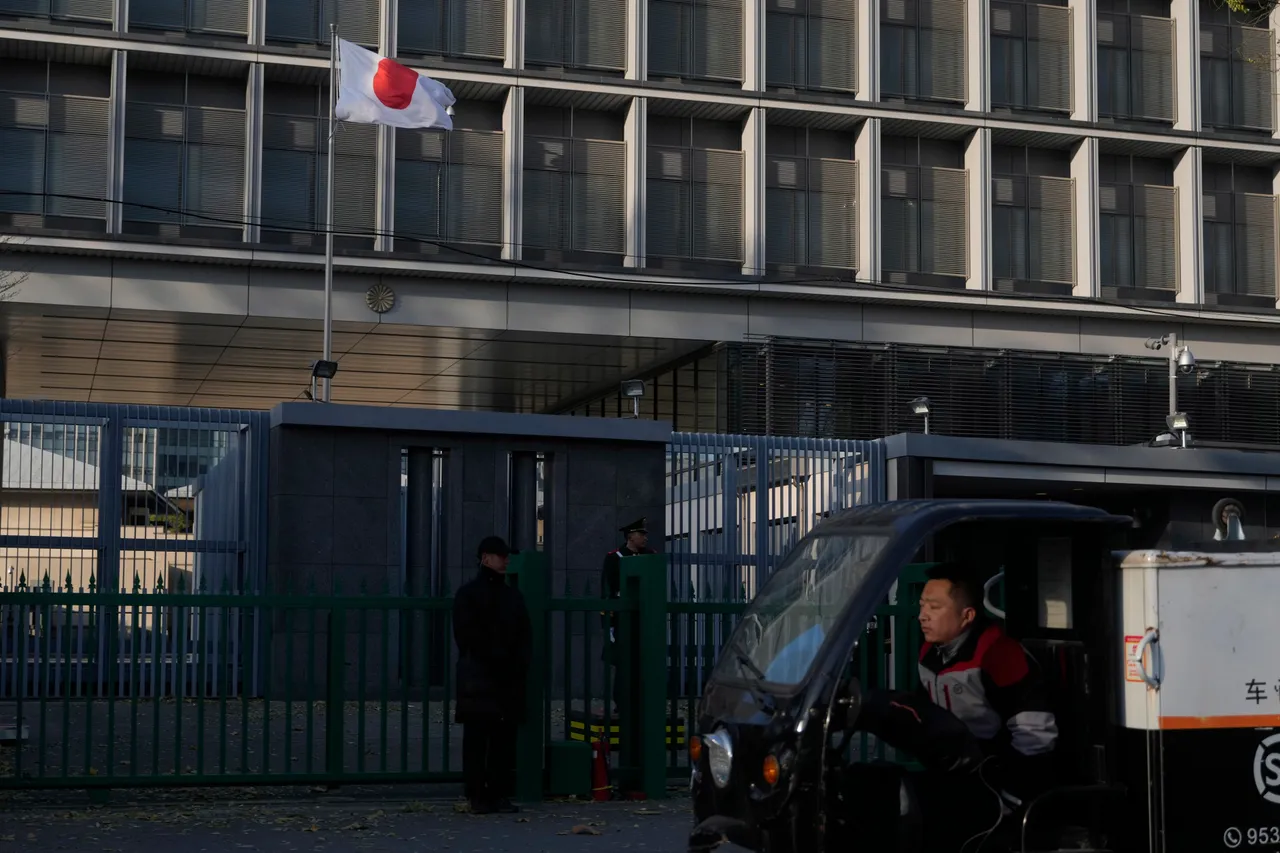
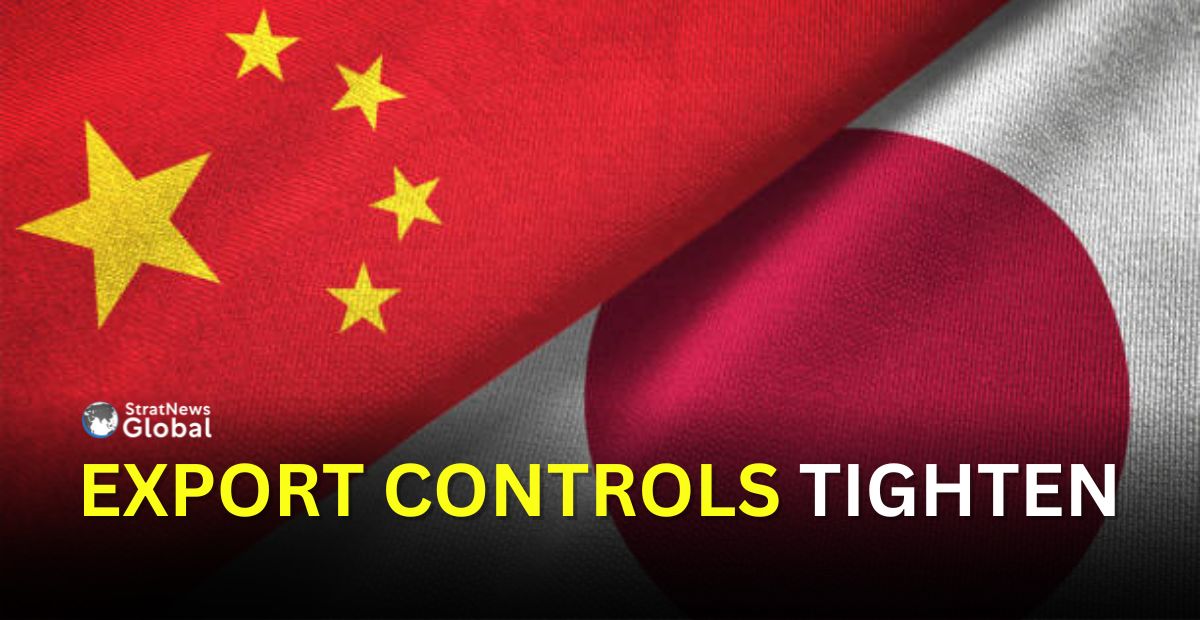
China's November 2025 escalation against Japan represents a watershed moment for global e-commerce supply chains, particularly for sellers dependent on Japanese electronics components and rare earth-derived products. The Chinese Commerce Ministry's expanded blacklist—banning dozens of Japanese entities including Mitsubishi Electric military affiliates from importing Chinese goods with military applications—effectively creates a de facto embargo on rare earth exports to Japan. This is not a temporary measure: analysts note China previously halted rare earth exports to Japan for only two months during the 2010 Senkaku Islands dispute, yet this current campaign reflects a fundamentally different strategic calculus, with Beijing testing Japan while the US faces Middle East distractions.
Supply Chain Impact for E-Commerce Sellers: Rare earths are essential for manufacturing electronics, semiconductors, magnets, and advanced components that power consumer electronics, smart home devices, and industrial equipment. Japanese companies like Mitsubishi Electric, which supply critical components to global manufacturers, now face Chinese export restrictions requiring "extensive review" for military use—effectively reducing exports to near zero. For cross-border sellers sourcing through Japanese suppliers or importing Japanese-manufactured electronics, this creates immediate cost pressures: component prices typically increase 8-15% when supply constraints emerge, and lead times extend from standard 4-6 weeks to 10-12 weeks. Sellers in electronics, smart home, industrial equipment, and precision instruments categories face the most acute pressure.
Competitive Sourcing Shifts: The restriction incentivizes sellers to diversify sourcing away from Japan-dependent supply chains toward Vietnam, South Korea, Taiwan, and India—countries less exposed to China-Japan tensions. Vietnamese electronics manufacturers and Indian rare earth processors are already seeing increased inquiry volumes from Western sellers seeking alternatives. This creates a 3-6 month window for sellers to renegotiate supplier contracts before alternative sourcing becomes standard practice and pricing normalizes. Sellers who move quickly can lock in favorable terms with emerging suppliers before competition intensifies.
Market Access Implications: Japan's military spending increase to 2% of GDP and defense cooperation with the Philippines signal sustained geopolitical tension, suggesting this is not a short-term dispute. The 20 additional Japanese companies added to China's export watch list indicate Beijing is systematically expanding restrictions. For sellers, this means planning for 6-12 month supply chain disruption, not a 2-month incident like 2010. Strategic sellers should immediately audit supplier dependencies on Japanese components and begin qualifying alternative sources in Vietnam, South Korea, and India to maintain competitive pricing and delivery timelines.
Questions 8
What is the timeline for supply chain impact from China's rare earth restrictions on Japan?
The impact is immediate but escalating. China's Commerce Ministry expanded its blacklist in November 2025, and the news indicates this represents the worst escalation in many years—fundamentally different from the 2010 Senkaku Islands dispute when China halted rare earth exports for only two months. Analysts suggest Beijing may be testing Japan while the US faces Middle East distractions, indicating this is a sustained strategic pressure, not a temporary measure. For sellers, expect 6-12 month supply chain disruption as Japanese suppliers face Chinese export restrictions requiring extensive military-use reviews that effectively reduce exports to near zero. The critical window for sourcing diversification is 3-6 months—sellers who move quickly can lock in favorable terms with alternative suppliers in Vietnam, South Korea, or India before competition intensifies.
How can sellers diversify sourcing away from Japan-dependent supply chains?
Sellers should immediately begin qualifying alternative suppliers in Vietnam, South Korea, Taiwan, and India—countries less exposed to China-Japan tensions. Vietnam has emerged as a major electronics manufacturing hub with competitive pricing and established supply chains for components previously sourced from Japan. South Korea offers advanced semiconductor and electronics manufacturing capabilities. India is developing rare earth processing capacity and electronics manufacturing. The 3-6 month window before alternative sourcing becomes standard practice is critical for locking in favorable pricing and delivery terms. Sellers should audit current supplier contracts, identify Japanese component dependencies, and begin parallel sourcing negotiations with alternative suppliers. This proactive approach prevents the 8-15% cost increases and 6-12 week lead time extensions that reactive sellers will face.