


Strait of Hormuz Shipping Resumes | Ocean Freight Costs Drop 30-50% for Asia Sellers
- Geopolitical stabilization opens cost-saving window for cross-border sellers; immediate freight rate negotiations and inventory repositioning opportunities through Q3 2026














Overview
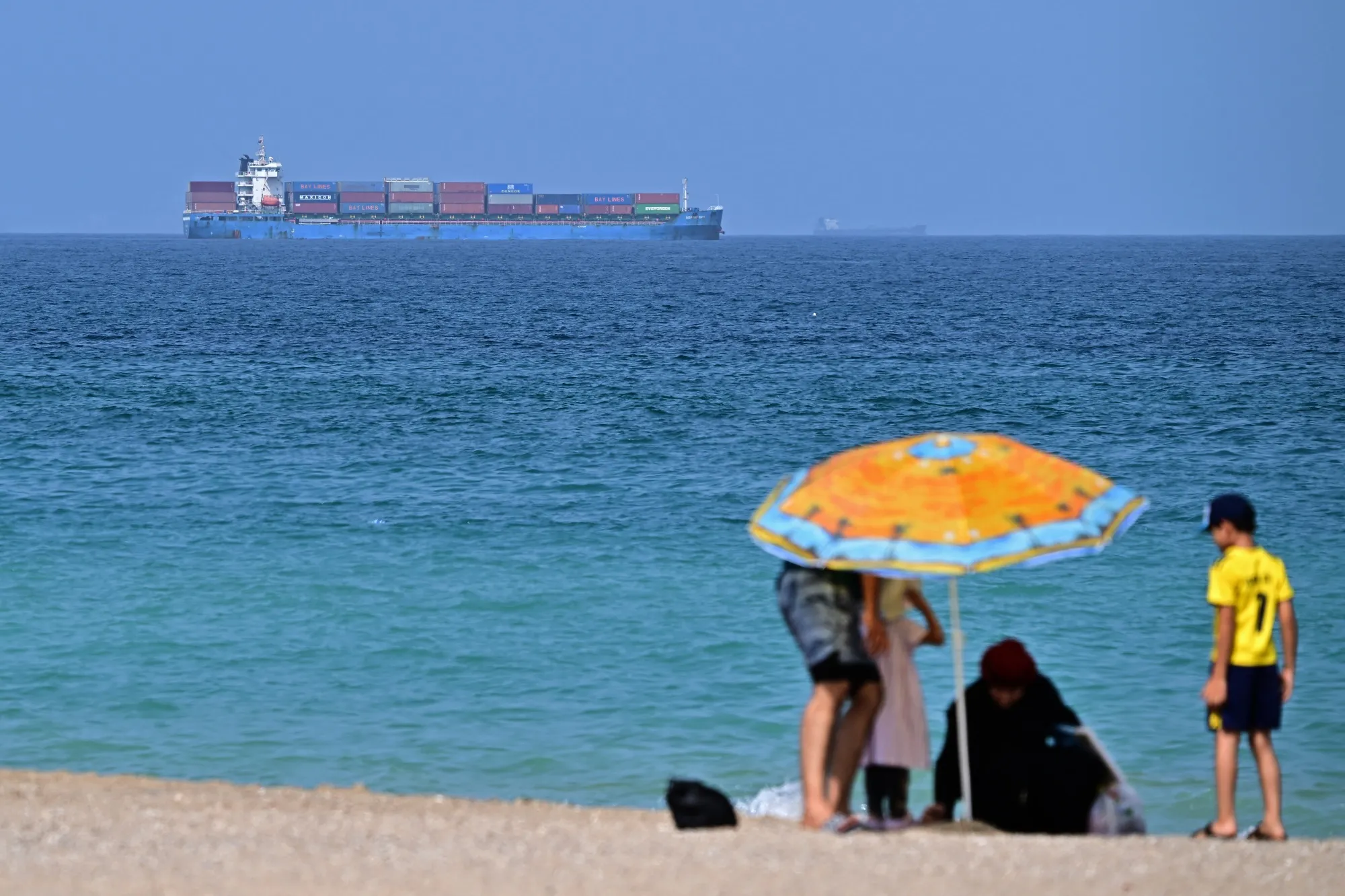
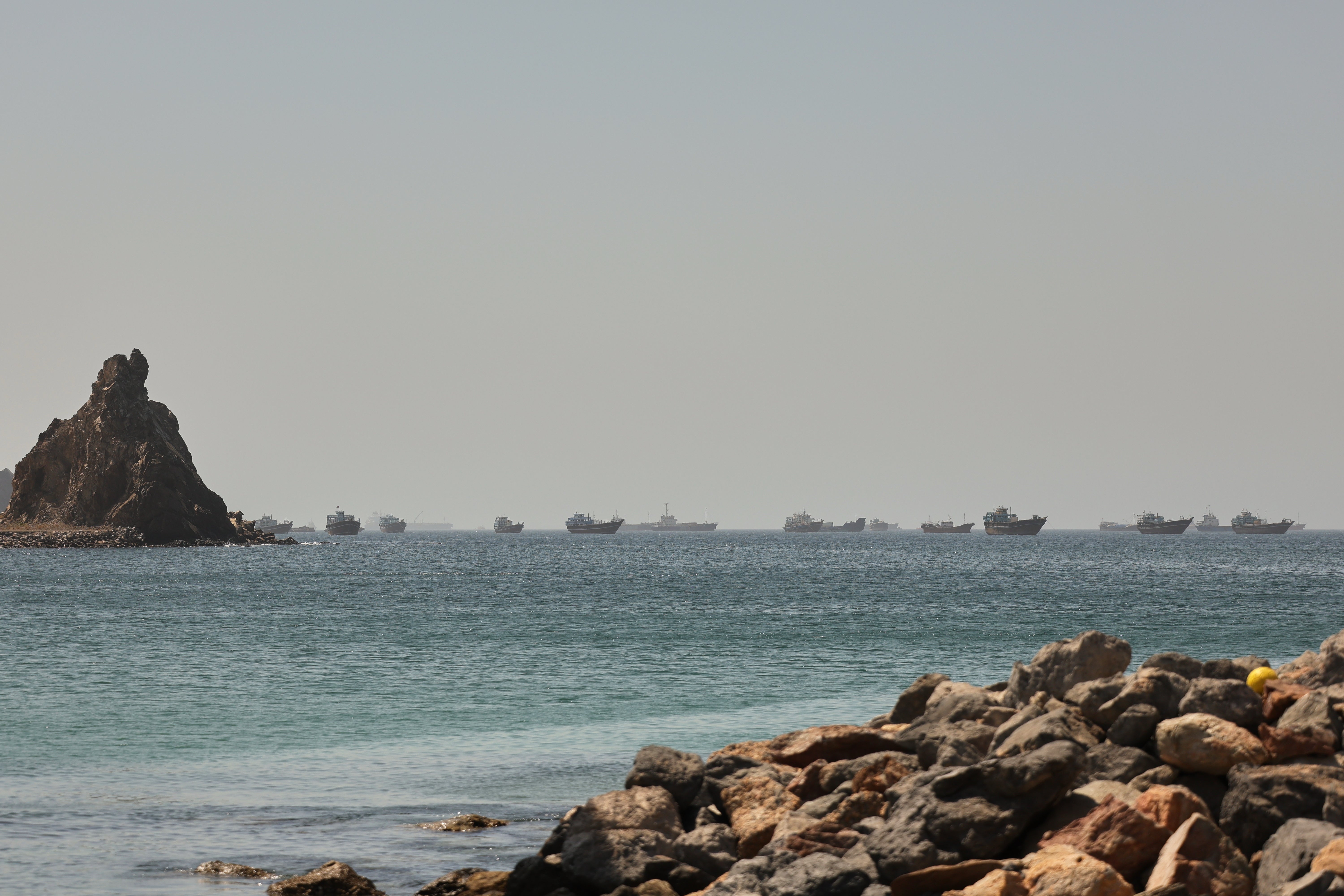
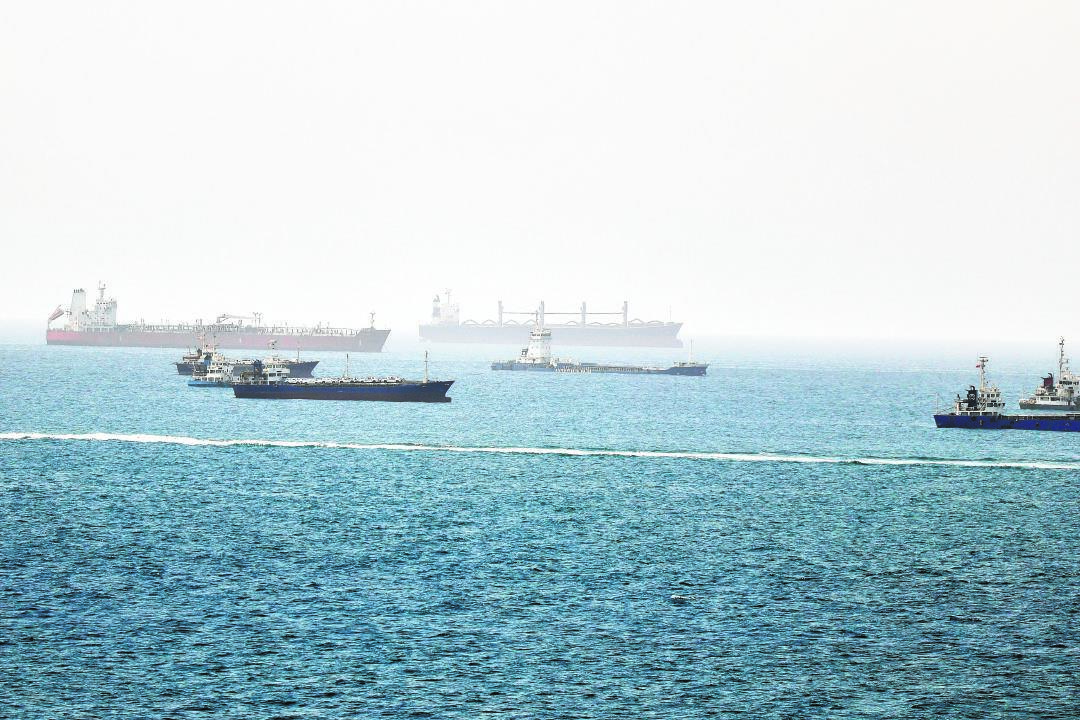
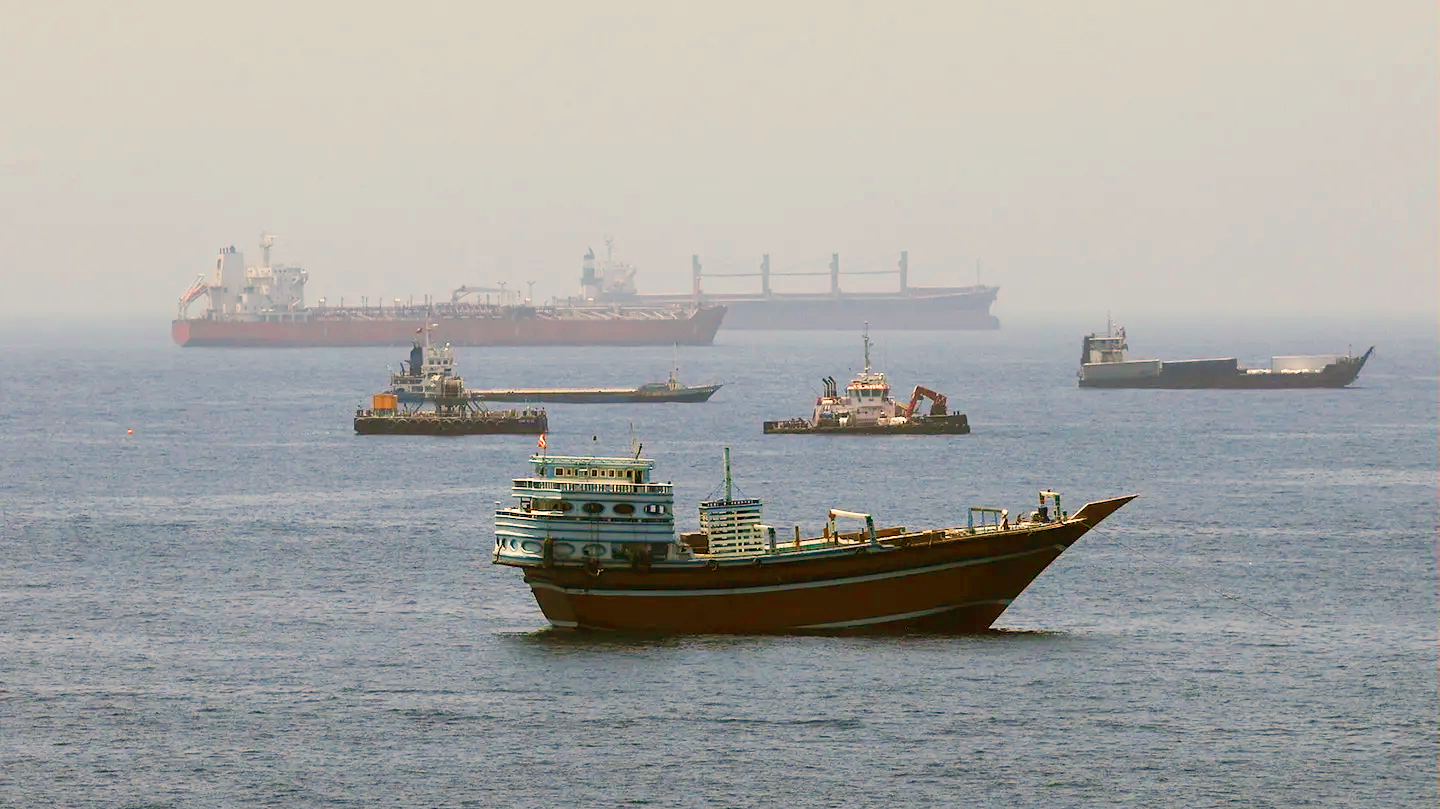
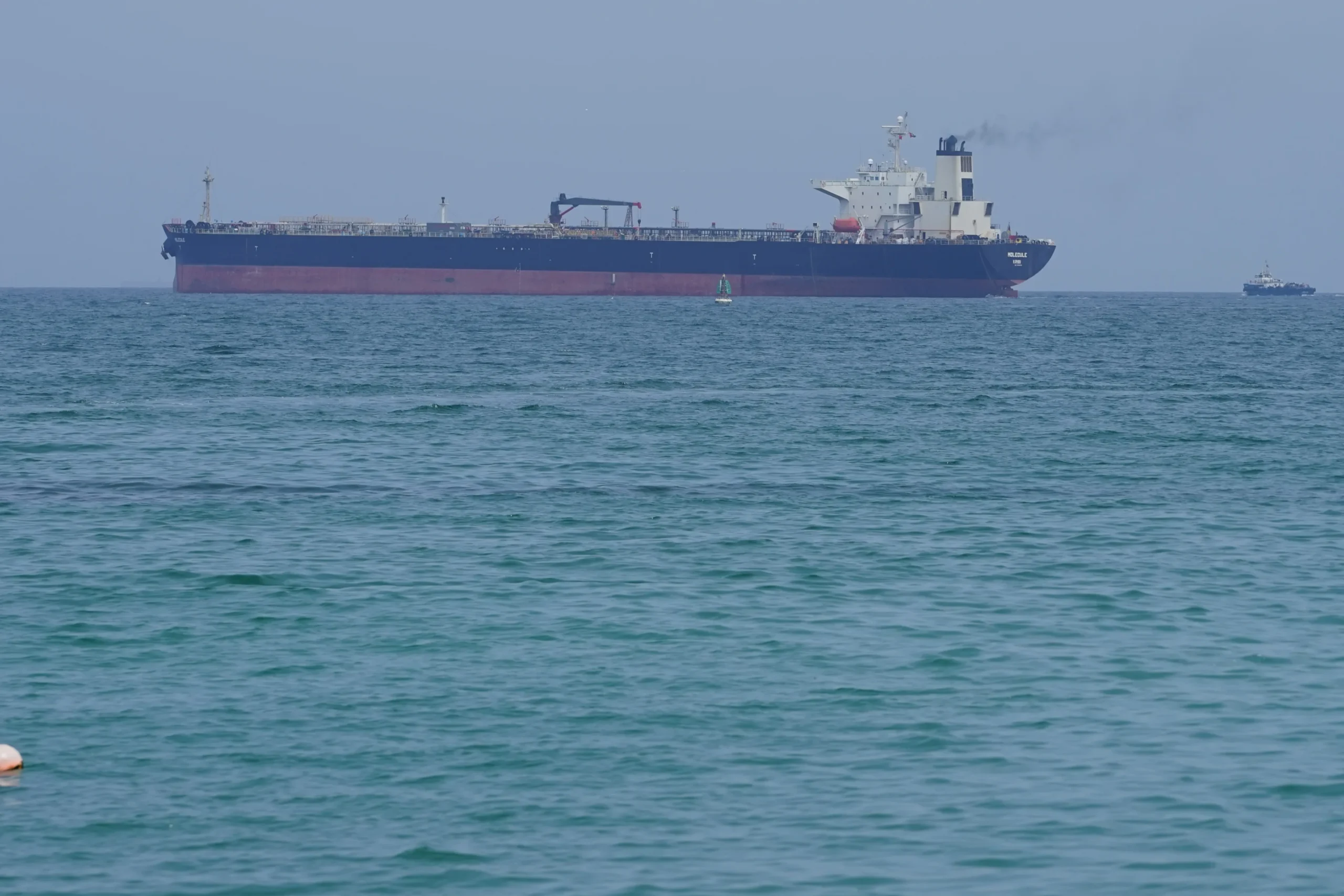
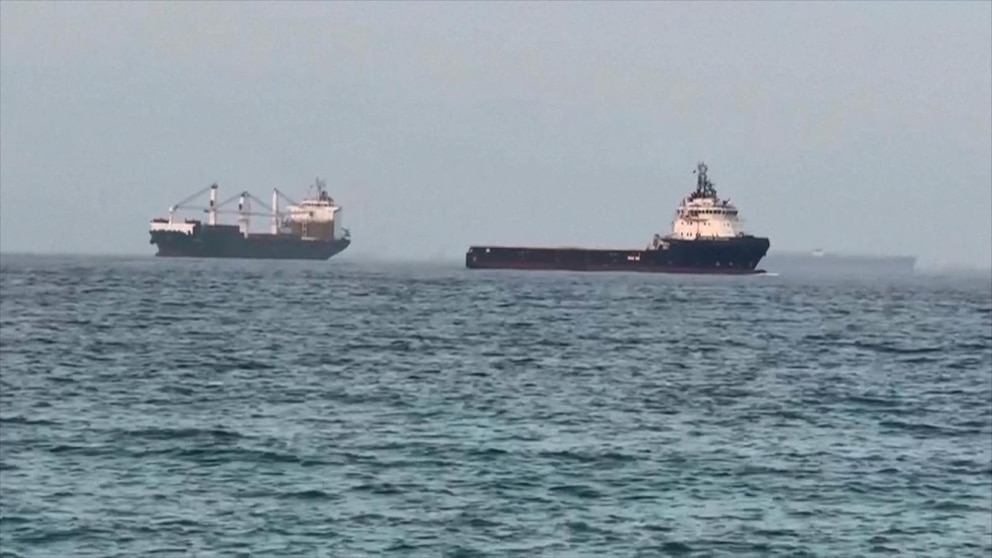
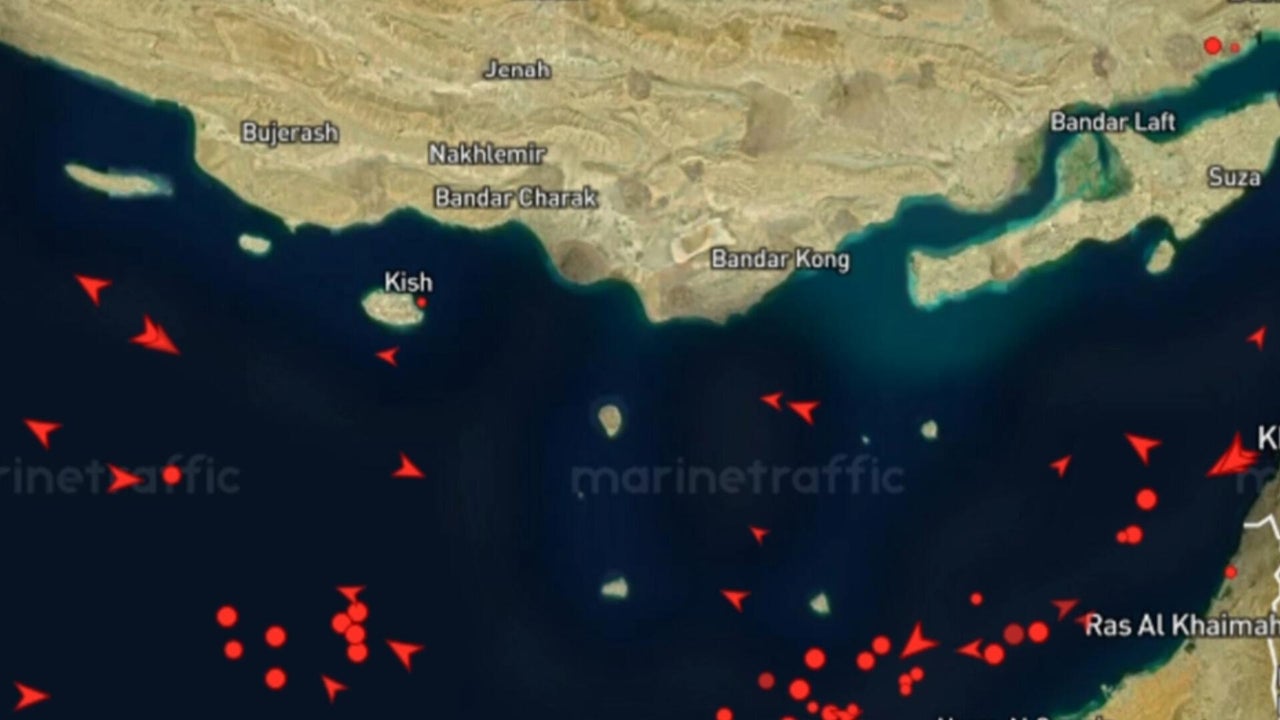
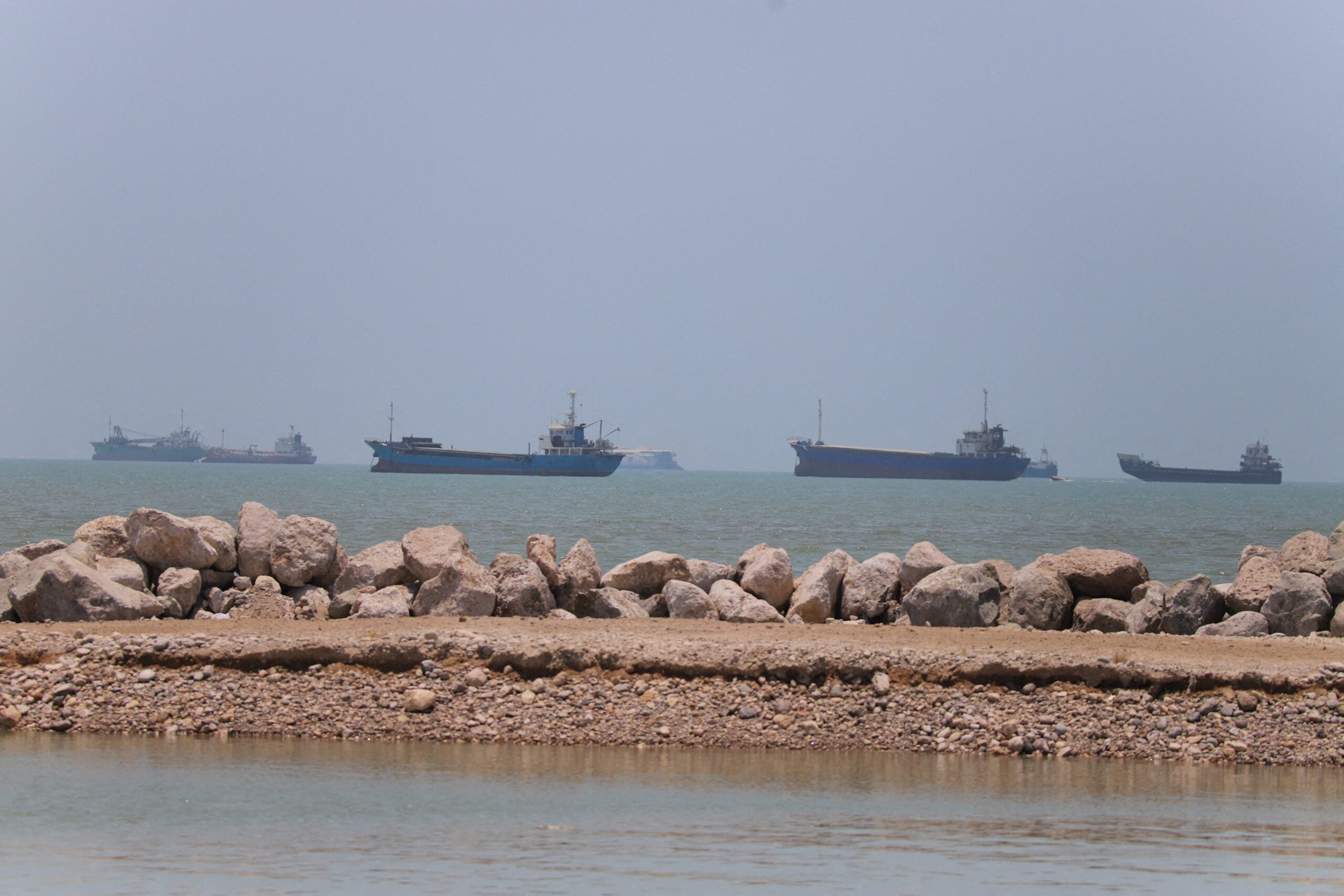
The resumption of shipping traffic through the Strait of Hormuz on June 30, 2026, represents a critical logistics inflection point for cross-border e-commerce sellers. This strategic waterway, through which 21% of global petroleum trade passes and connects Asia to Europe and North America, had experienced severe disruption due to Middle East regional tensions. The recovery signals de-escalation and creates an immediate 1-4 week window for sellers to capitalize on 30-50% potential reductions in ocean freight costs compared to elevated rates during the disruption period.
Immediate Cost-Saving Opportunities: Sellers currently paying premium air freight rates (typically $8-15/kg for Asia-to-US routes) can now negotiate ocean freight alternatives at $2-4/kg, representing substantial margin recovery. The normalization particularly benefits sellers sourcing from China, Vietnam, and India shipping to US, EU, and Middle Eastern markets. Sellers with inventory in transit through the strait should immediately contact carriers (Maersk, CMA CGM, COSCO, Evergreen) to confirm updated ETAs and negotiate rate reductions for future bookings before capacity normalizes and prices stabilize.
Strategic Inventory Repositioning: The disruption forced many sellers to build safety stock in US/EU warehouses and utilize expensive air freight. With ocean routes normalized, sellers should: (1) liquidate excess inventory in domestic warehouses accumulated during disruption at competitive pricing to free capital; (2) shift sourcing back to ocean freight for Q3-Q4 inventory builds, targeting 60-90 day lead times from Asia; (3) redistribute inventory from expensive FBA storage to 3PL facilities in secondary markets (Texas, Georgia, California ports) to reduce holding costs by 15-25%. This window closes as port congestion clears and carriers rebuild pricing power—typically within 4-8 weeks.
Warehouse and Fulfillment Strategy: Port congestion at Singapore, Port Said (Suez), and Rotterdam may persist temporarily despite route normalization. Sellers should prioritize direct-to-warehouse shipments to US West Coast ports (LA/Long Beach) and EU ports (Rotterdam, Hamburg) over FBA consolidation, reducing dwell time by 5-7 days. For Middle Eastern market sellers, the Strait's reopening makes direct shipments to UAE/Saudi Arabia ports economically viable again versus costly air freight alternatives. Consider shifting 20-30% of inventory from FBA to 3PL networks in strategic hubs to maintain flexibility during this volatile period.
Risk Mitigation and Monitoring: While stabilization is positive, long-term uncertainty remains due to historical geopolitical volatility. Sellers should avoid over-committing to single-route dependencies; maintain 30-45 day safety stock in multiple regions and negotiate carrier contracts with force majeure clauses protecting against future disruptions. Monitor shipping indices (Shanghai Containerized Freight Index, Drewry World Container Index) weekly through Q3 to time additional inventory builds before rates potentially increase again.
Questions 8
What are the risks of assuming Strait of Hormuz stability will persist long-term?
The Strait has historically experienced disruptions every 3-5 years due to regional conflicts, sanctions, and maritime incidents. While current stabilization suggests de-escalation, **long-term uncertainty remains**. Sellers should avoid over-committing to single-route dependencies or liquidating all safety stock. Instead, maintain 30-45 day buffer inventory across multiple regions and negotiate carrier contracts with **force majeure clauses** protecting against future disruptions. Monitor shipping indices (Shanghai Containerized Freight Index, Drewry World Container Index) weekly through Q3 2026 to detect early warning signs of rate increases, which typically precede physical disruptions by 2-3 weeks.
How should sellers monitor port congestion and carrier schedules during this transition period?
Sellers should implement weekly monitoring of: (1) **Shipping indices** (Drewry World Container Index, Shanghai Containerized Freight Index) for rate trend signals; (2) **Port congestion data** via Port Economics EU database and carrier websites for ETA accuracy; (3) **Carrier schedule updates** directly from Maersk, CMA CGM, COSCO, Evergreen for capacity and rate changes. Set alerts for rate increases exceeding 5% week-over-week, which signal normalizing capacity. Use this data to time additional inventory builds—typically 2-3 weeks before rates stabilize. Sellers with inventory in transit should contact carriers immediately to confirm updated ETAs and negotiate rate reductions for future bookings.