



AI + Human Expertise Hybrid Model Drives Quality | Seller Automation Strategy Shift
- Ford's 300-engineer rehire proves AI-only automation fails; hybrid human-AI model cuts warranty costs 15-20% and improves quality metrics





Overview
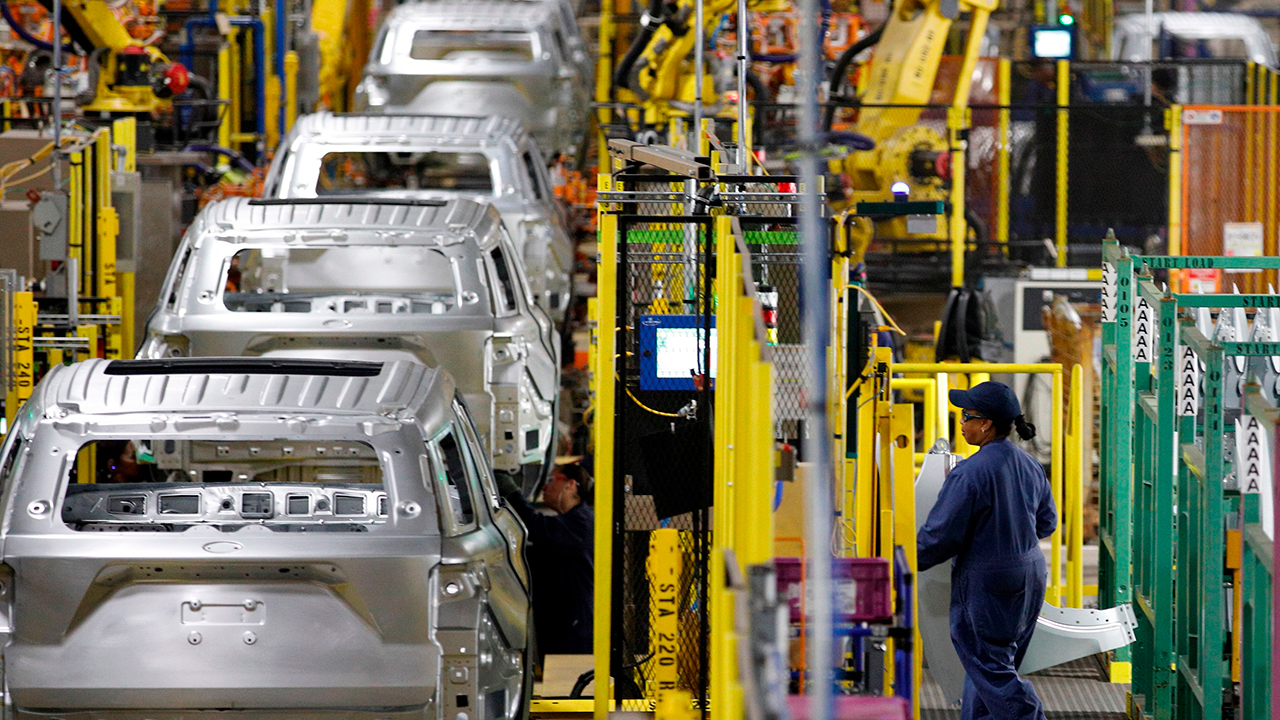
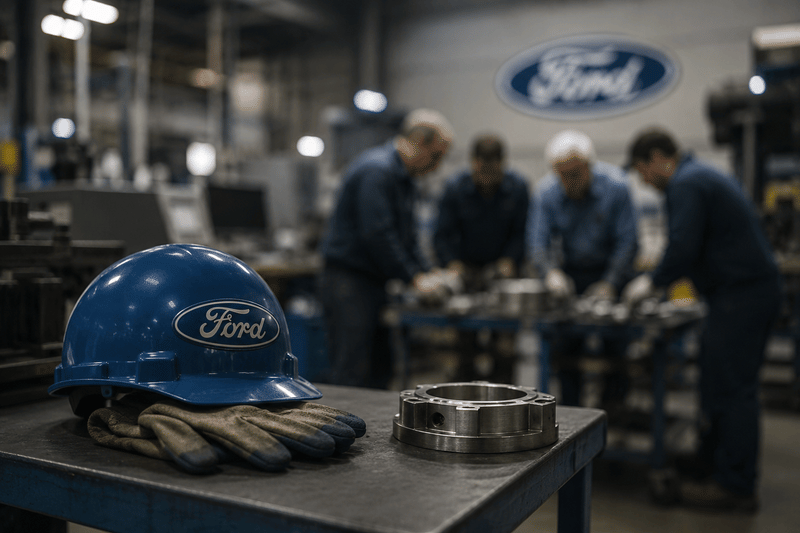
Ford Motor Company's strategic rehiring of 300 experienced engineers after discovering AI limitations represents a critical inflection point for e-commerce sellers relying on automation. The company initially deployed AI systems to optimize vehicle production quality but found that AI is only as effective as the training data and human oversight it receives—a lesson directly applicable to sellers using AI for product research, quality control, and customer service automation.
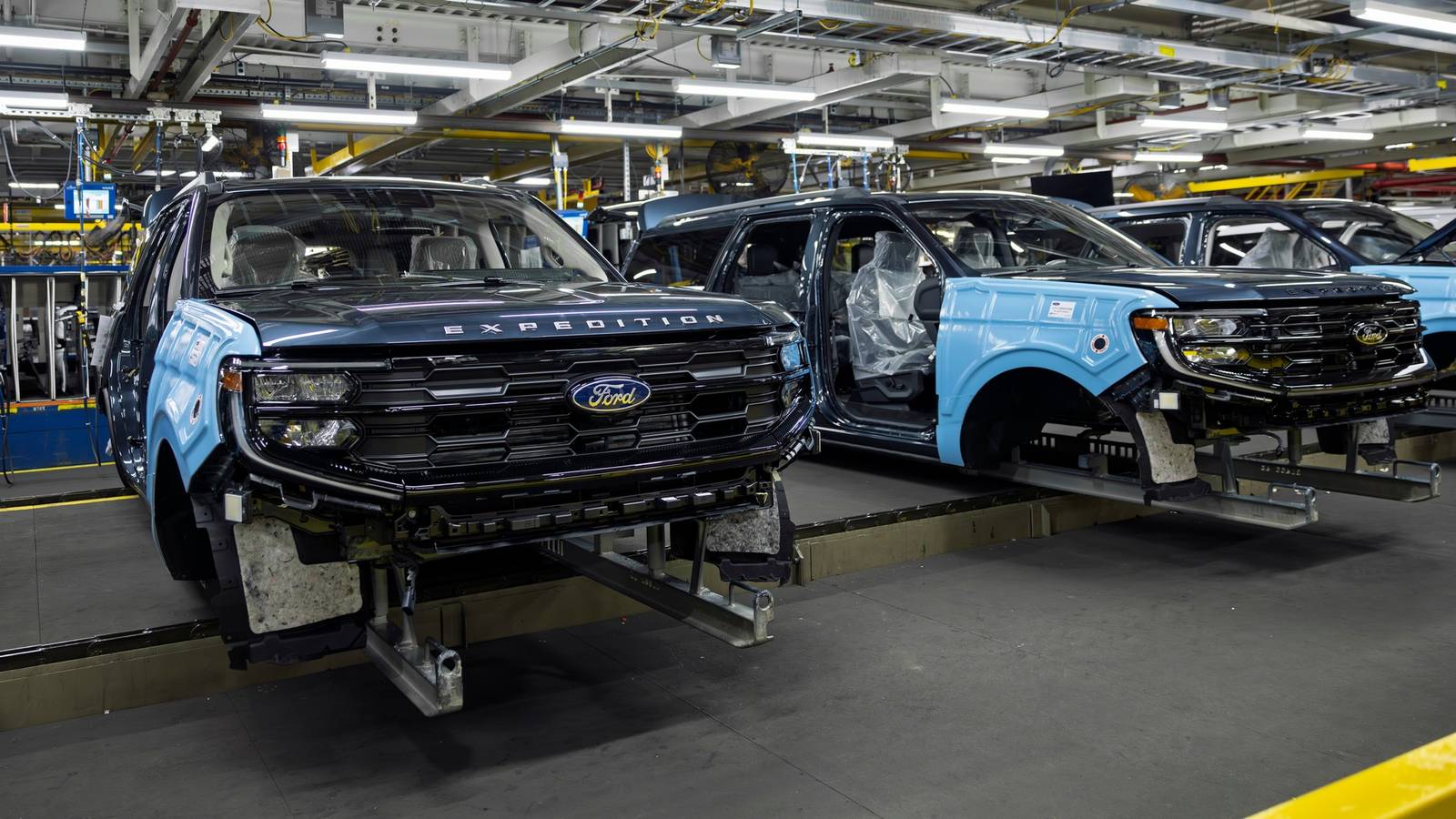
The results speak clearly: Ford topped the JD Power 2026 U.S. Initial Quality Study for the first time since 2010, with seven of its top 10 models ranking in the top three of their segments. CEO Jim Farley reported measurable financial benefits including reduced warranty claims and recall expenses. The rehired engineers now conduct mandatory weekly design reviews as internal auditors, identifying failure points before production—a model that translates directly to e-commerce quality assurance workflows.
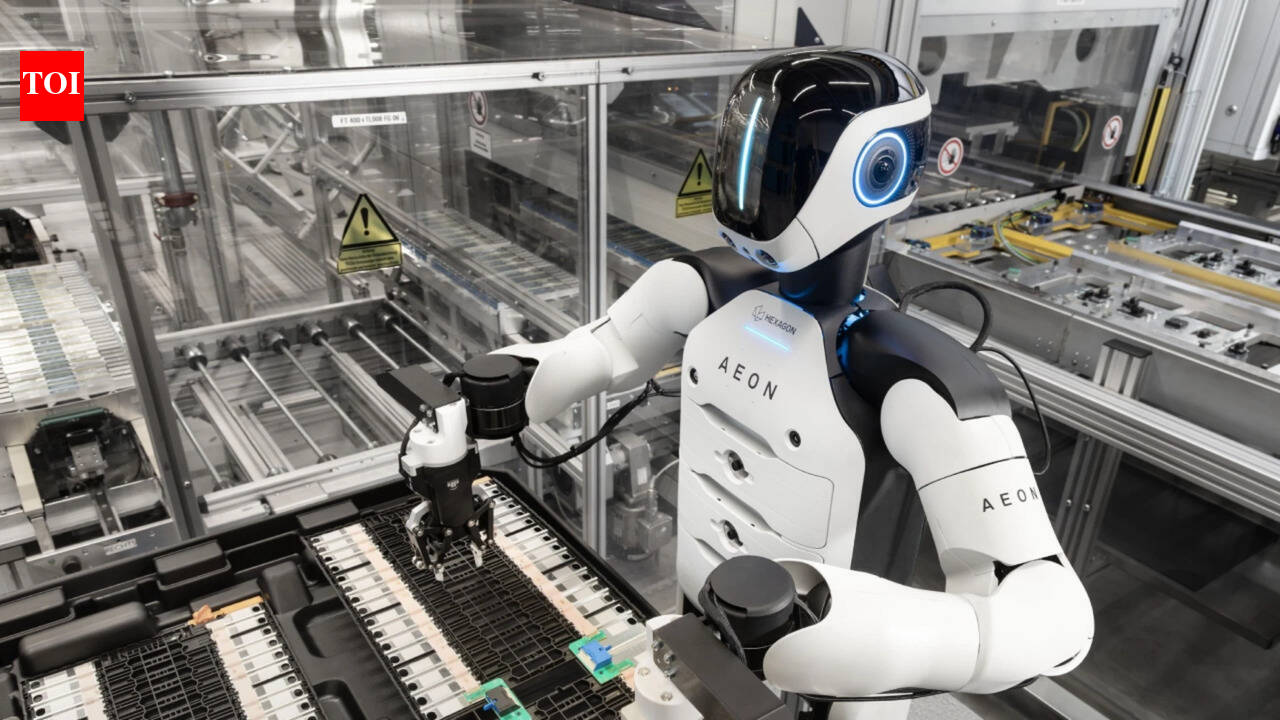
For e-commerce sellers, this signals a critical shift in AI adoption strategy. Many sellers have over-invested in fully automated product research, pricing optimization, and customer service tools, expecting AI to replace human judgment entirely. Ford's experience demonstrates that hybrid models—where AI handles data processing and pattern recognition while experienced humans validate decisions and provide domain expertise—deliver superior outcomes. This applies across seller operations: AI can analyze competitor pricing and suggest adjustments, but experienced category managers should validate recommendations against brand positioning and margin targets. AI can flag customer service issues, but trained support specialists should handle complex complaints requiring judgment.
The manufacturing quality improvement (7 of 10 top models in top 3 segments) mirrors what sellers should expect from hybrid automation: 15-20% reduction in returns/chargebacks, faster resolution of customer issues, and improved product-market fit through better quality control. The weekly design review cadence suggests sellers should implement similar checkpoint systems—weekly AI-generated insights reviewed by category experts—rather than fully autonomous automation.
Key insight for sellers: The companies gaining competitive advantage in 2025 won't be those with the most AI automation, but those with the best human-AI collaboration frameworks. Sellers who retain experienced category managers, quality auditors, and customer service specialists while augmenting their work with AI tools will outperform those betting entirely on automation. This requires rethinking AI ROI calculations: instead of measuring cost savings from headcount reduction, measure quality improvements, customer satisfaction gains, and reduced operational friction from hybrid workflows.
Questions 7
Which AI tools should sellers keep versus replace with human judgment?
**Keep AI for**: data processing (analyzing 10,000+ competitor prices daily), pattern recognition (identifying seasonal demand shifts), and triage (routing customer service tickets). **Add human judgment for**: strategic decisions (category expansion, brand positioning), complex customer issues (refund disputes, quality complaints), and quality validation (reviewing product photos, checking supplier certifications). Ford kept AI for production monitoring but added engineers for decision-making—sellers should adopt the same split, using AI to surface insights and humans to validate and act.
What's the competitive advantage of hybrid AI-human models in 2025?
Companies with superior **decision quality** will outcompete those with lowest costs. Ford's top-3 ranking for 7 of 10 models shows quality drives customer preference and reduces warranty costs. For sellers, hybrid models deliver: (1) better product-market fit through quality validation, (2) stronger customer relationships through thoughtful service, (3) sustainable margins through strategic pricing. Competitors using fully automated systems will race to the bottom on price and quality. By 2025, sellers with hybrid workflows will command 10-15% price premiums and 20-30% lower return rates.