




AI Chip Supply Surge Reshapes Electronics Seller Costs | Memory Price Volatility 2026-2030
- Samsung/SK Hynix $2.07B investment signals 50% memory chip price decline risk by 2028; impacts electronics sellers' COGS and competitive positioning across AI-enabled devices



Overview
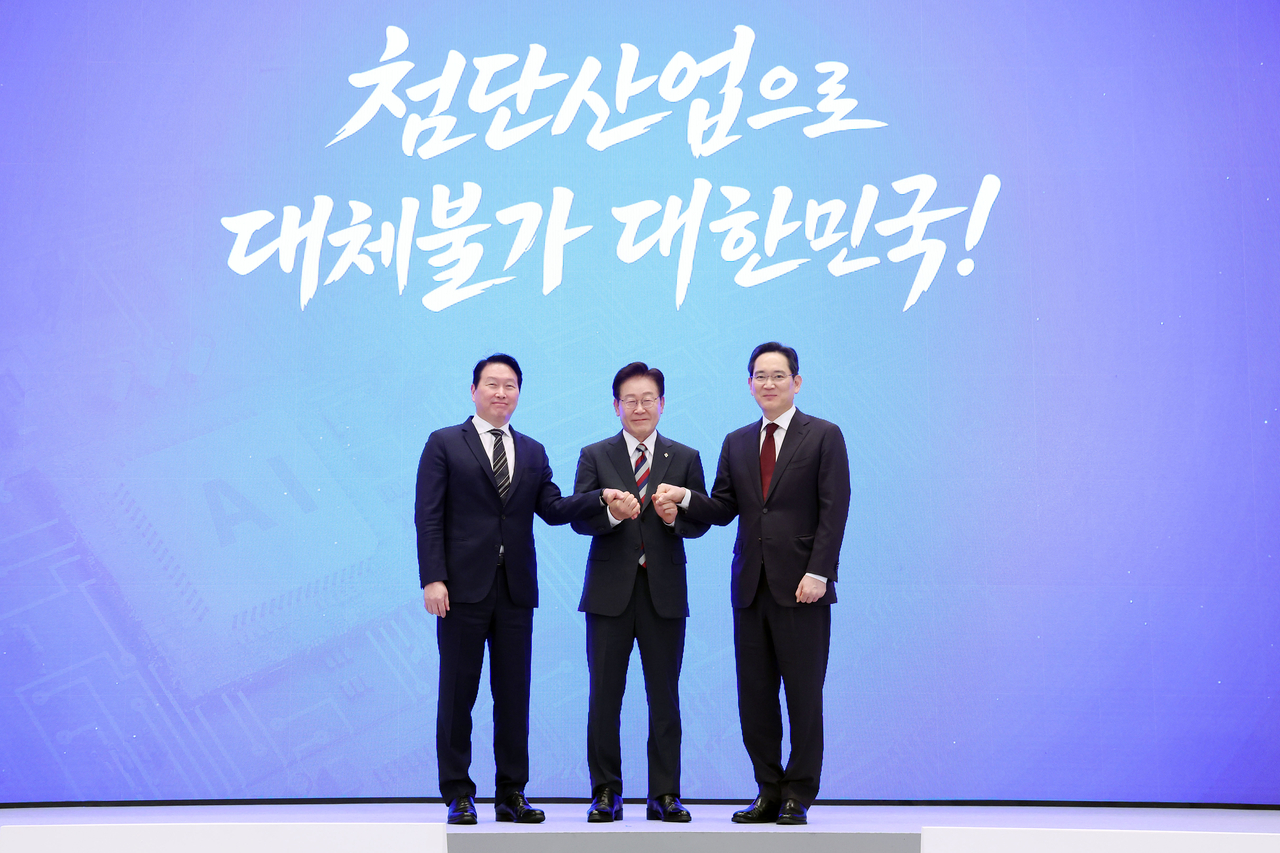
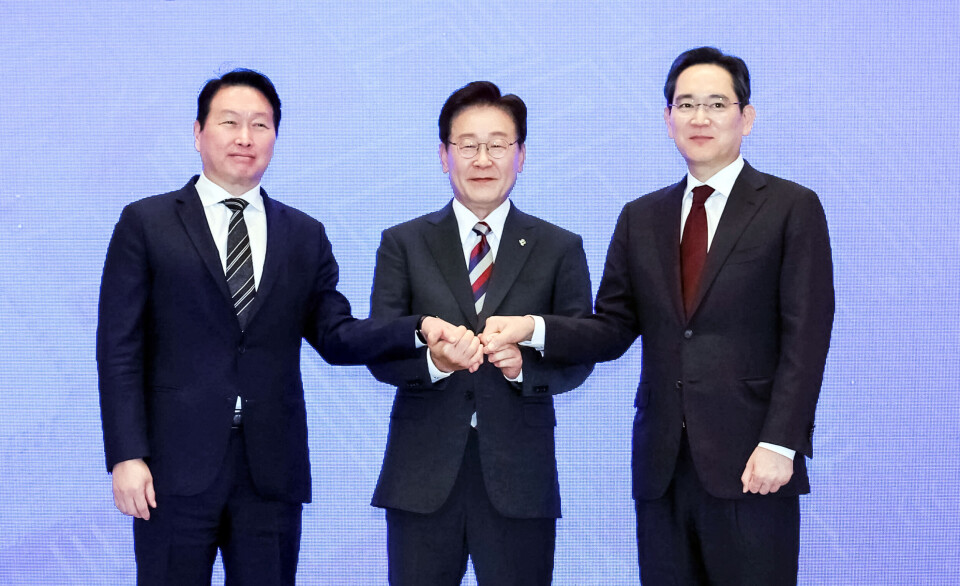
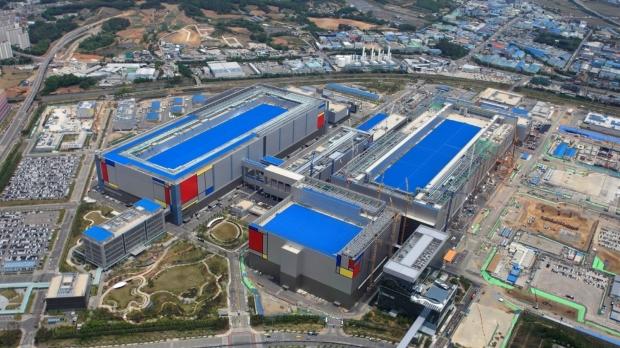
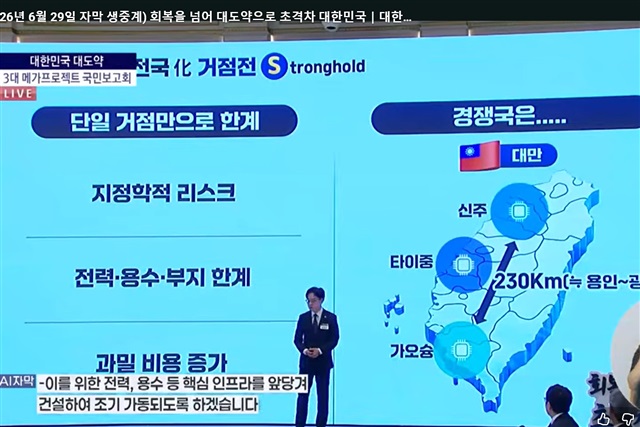
Samsung and SK Hynix's combined 53.2 trillion won ($2.07B) semiconductor investment announced June 29, 2026, represents a critical inflection point for e-commerce sellers in electronics, computing, and AI-enabled device categories. The South Korean government's commitment to double memory chip production capacity within five years directly impacts the cost structure of products sold on Amazon, eBay, Shopify, and regional marketplaces. Memory chip prices nearly doubled in early 2026 due to acute global shortages, but this massive capacity expansion—including an 800 trillion won chip cluster in South Korea's southwest region and accelerated Yongin hub construction—signals a dramatic supply-demand rebalancing that will compress margins for sellers relying on current pricing models.
For electronics sellers, this investment creates a three-phase margin compression cycle. Phase 1 (2026-2027): Continued high memory prices as new fabs come online but don't yet reach full capacity, maintaining elevated COGS for laptops, tablets, gaming devices, and AI-powered consumer electronics. Phase 2 (2027-2029): Rapid capacity additions from accelerated construction timelines (shortening typical 7-12 year fab cycles) flood the market, driving memory prices down 30-50% as analysts warn of oversupply risk. Phase 3 (2029-2030): Potential price stabilization at lower levels, but with significant volatility risk. Sellers currently pricing products based on 2026 memory costs face margin erosion of 8-15% if they don't adjust sourcing strategies and pricing models by Q4 2027.
AI-powered competitive intelligence becomes essential for sellers navigating this volatility. Sellers should deploy AI tools to monitor Samsung and SK Hynix production announcements, track memory chip spot prices (DRAM, NAND flash indices), and model competitor pricing adjustments in real-time. Sellers with AI-driven dynamic pricing systems can capture margin gains during the 2026-2027 shortage phase while competitors operate on static pricing, then pivot to volume-based strategies during the 2028-2030 oversupply phase. The 179% and 307% year-to-date stock surges for Samsung and SK Hynix reflect market confidence in sustained AI demand, but this masks underlying execution risk—Seoul National University professor Lee Jong-ho warned investments were "pushed through too quickly," creating uncertainty beyond three years. Sellers should hedge by diversifying sourcing across multiple chipmakers and building inventory buffers before 2027 when new capacity begins depressing prices.
Questions 8
Which e-commerce product categories face the biggest margin pressure from chip oversupply?
High-memory-content categories face the most pressure: laptops and ultrabooks (8-16GB+ DRAM), gaming devices (graphics memory-intensive), AI-powered smart home devices, and data center equipment sold through B2B channels. Budget electronics ($200-500 price point) will see the most dramatic margin compression because memory represents 15-25% of COGS in these segments. Mid-range devices ($500-1500) face 8-12% margin erosion. Premium devices ($1500+) have more pricing flexibility. Sellers in budget electronics should prepare for 2028-2029 price wars by building cost advantages through volume sourcing agreements now, before oversupply drives commodity pricing.
How will Samsung and SK Hynix's $2.07B chip investment affect electronics seller costs?
The investment will create a two-stage impact on seller costs. From 2026-2027, memory chip prices remain elevated (currently near double 2025 levels) as new fabs ramp production, keeping COGS high for laptops, tablets, and AI devices. Starting 2027-2028, accelerated capacity additions will flood the market, potentially reducing memory prices 30-50% by 2029. Sellers should model this price decline into their 2027-2028 pricing strategies to avoid margin compression. The South Korean government's commitment to complete the chip cluster by 2030 creates a predictable timeline for cost reductions, allowing sellers to plan inventory and pricing adjustments accordingly.