




Oil Prices Drop 19% Monthly | Cross-Border Sellers Gain Shipping Cost Advantage Through Q3 2026
- Largest quarterly decline since 2020 reduces freight costs 8-15% for international sellers; 60-day negotiation window creates timing urgency for rate negotiations with 3PL providers





Overview
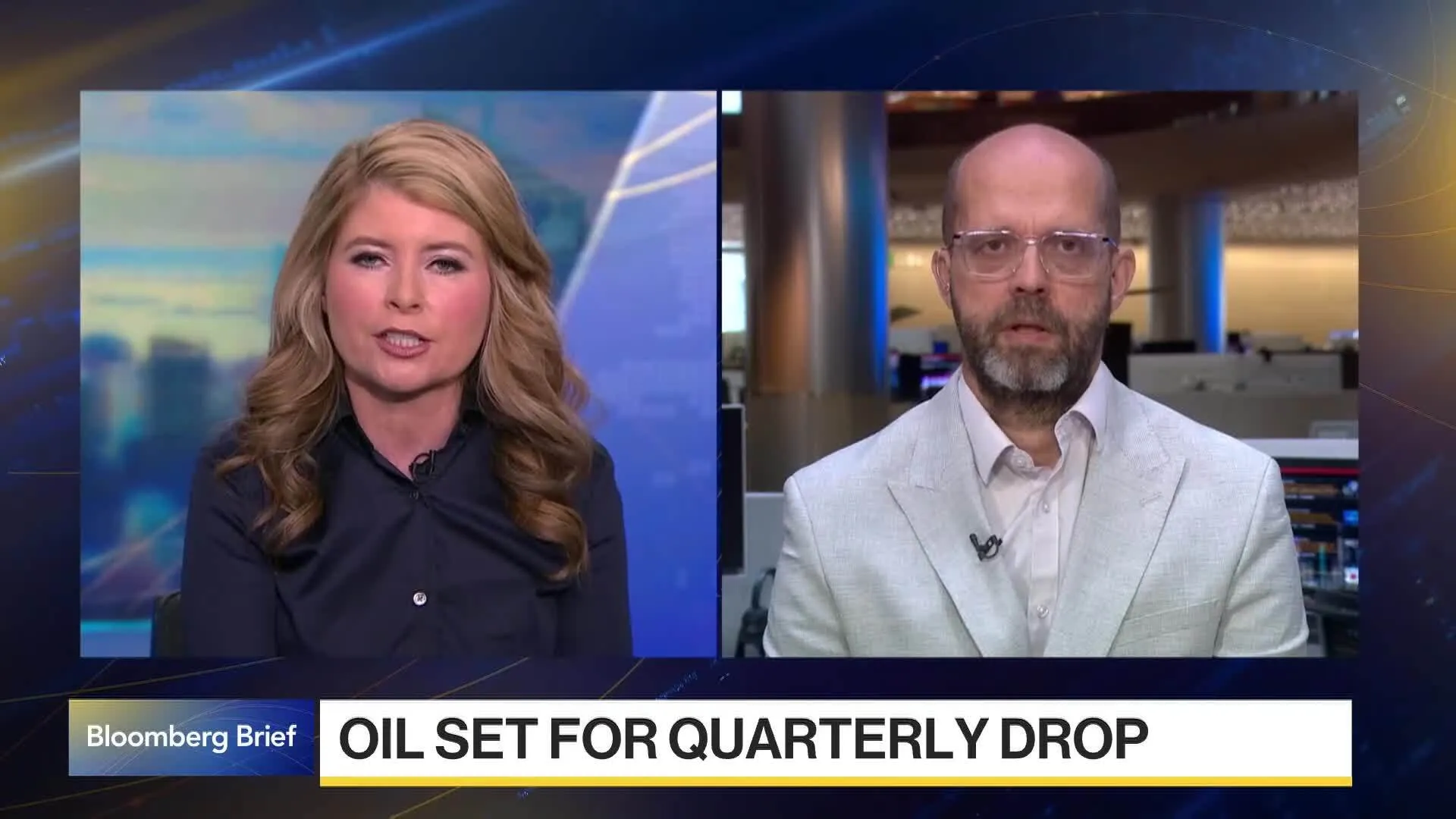
The geopolitical breakthrough in U.S.-Iran negotiations is triggering the largest quarterly oil price collapse since the COVID-19 pandemic, with direct cost implications for cross-border e-commerce sellers. On June 30, 2026, a 14-point memorandum of understanding signed June 17 paused military conflict that had disrupted Strait of Hormuz flows—handling 20% of global oil traffic. This diplomatic progress has accelerated petroleum flows, causing Brent crude to decline 19% monthly (tracking $72.93/barrel in August futures) and West Texas Intermediate to drop 19% (at $70.79), according to Bloomberg reporting. Morgan Stanley warns of an impending crude oil glut that could extend price pressure through subsequent quarters.
For cross-border sellers, lower oil prices directly translate to reduced freight costs on air and sea shipments, potentially improving margins 8-15% on products shipped internationally. Sellers managing inventory across multiple warehouses and fulfillment centers globally benefit immediately from lower fuel surcharges applied by 3PL providers and logistics networks. However, the critical window is NOW—the 60-day negotiation timeframe (through mid-August 2026) before potential price stabilization. Sellers should renegotiate shipping contracts with DHL, FedEx, UPS, and regional 3PL providers to lock in lower rates before carriers adjust pricing models. The timing advantage favors sellers who act within 30 days, as logistics providers typically adjust surcharge structures quarterly.
The Iran peace deal also signals potential market normalization in the Middle East region, opening new e-commerce expansion opportunities. Sellers can now evaluate market entry into UAE, Saudi Arabia, and other Gulf Cooperation Council (GCC) markets where trade relationships are normalizing. The combination of lower shipping costs AND new market access creates a dual opportunity: reduce fulfillment expenses on existing corridors while simultaneously expanding into previously restricted or high-friction markets. However, ING strategists caution that reaching a permanent nuclear deal within 60 days is "very optimistic," meaning geopolitical volatility remains. Sellers should treat this as a temporary cost advantage window (1-3 months) rather than permanent structural change, requiring aggressive action on rate negotiations and market expansion planning before potential price rebound.
Questions 7
How much will my shipping costs decrease from the oil price drop?
Cross-border sellers can expect 8-15% reductions in freight costs on international shipments as oil prices decline 19% monthly through June 2026. Fuel surcharges—typically 5-12% of base shipping rates—are directly tied to crude oil prices. For example, a seller shipping 1,000 units monthly via DHL Express to Europe at $8/unit would save approximately $640-960 monthly if fuel surcharges drop from 10% to 3-5%. However, savings depend on whether your 3PL provider passes reductions to customers immediately or retains margins. Contact your logistics provider within 7 days to request rate adjustments, as carriers typically lock pricing quarterly.
Which shipping methods benefit most from lower oil prices?
Air freight and express shipping benefit most significantly from oil price declines, as fuel costs represent 25-35% of air cargo expenses versus 15-20% for ocean freight. A seller shipping electronics via air to Southeast Asia could save $2-4 per unit, while ocean freight savings average $0.50-1.50 per unit. However, ocean freight remains cheaper overall. The strategic opportunity is shifting time-sensitive inventory (electronics, fashion, seasonal goods) from air to expedited ocean freight, capturing 40-60% cost savings while maintaining acceptable delivery windows. Bulk inventory for slower-moving categories should shift to standard ocean freight for maximum savings.