



South Korea IPO Compliance Crisis | Regulatory Enforcement Tightens on Financial Service Providers
- June 2026 SpaceX IPO mishandling triggers dual investigations; $1.1B+ Korean investor demand blocked; FSS & police probe fraud allegations and communication protocol violations




Overview
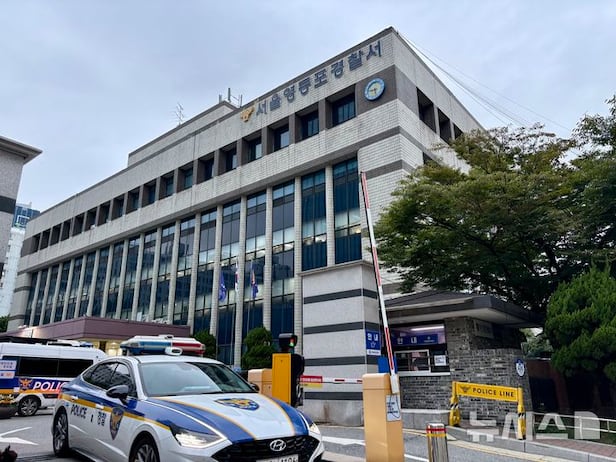
The June 2026 SpaceX IPO incident in South Korea reveals critical compliance and operational failures that have triggered aggressive regulatory enforcement, creating both barriers and opportunities for cross-border financial service providers. Mirae Asset Securities, South Korea's largest brokerage, failed to secure any SpaceX share allocations due to a communication error that prevented submission of binding orders within required timeframes, blocking over $1.1 billion in Korean investor demand from the IPO order book. This operational failure cascaded into multiple regulatory investigations: the Financial Supervisory Service (FSS) launched compliance reviews examining IPO procedures and client service standards, while Yeongdeungpo Police Station initiated a fraud investigation into Korea Investment Management for allegedly misrepresenting its ETF as having secured SpaceX allocations despite receiving zero actual allocations.
The compliance implications are severe and multi-layered. First, communication protocol violations are now under intense scrutiny—regulators are examining whether brokerages maintained adequate internal systems for IPO order submission and client notification. The FSS investigation specifically targets whether firms violated client service standards and disclosure requirements during the allocation process. Second, marketing misrepresentation has become a prosecutable offense; Korea Investment Management faces potential fraud charges for promoting an ETF with unsubstantiated claims about IPO allocations, signaling that the FSS will enforce stricter oversight of ETF promotional materials making specific claims about institutional access. Third, the incident exposed systemic gaps in Korea's financial services infrastructure—Mirae Asset operates 29 overseas subsidiaries (largest among Korean securities firms) yet lacks the operational maturity to compete with global players like Mizuho Securities, which received allocations equivalent to 30% of its $6.18 billion subscription request.
For cross-border financial service providers, this creates a compliance moat opportunity. Firms that implement documented communication protocols, automated order submission systems with audit trails, and transparent client disclosure procedures will gain competitive advantage as regulators enforce stricter standards. The incident demonstrates that regulatory penalties extend beyond fines to reputational damage and loss of future IPO allocations—Mirae Asset's failure to deliver on client expectations during a "transformational deal" damaged institutional credibility and triggered formal regulatory inspections. The time horizon for compliance tightening is immediate (0-30 days for protocol audits) through 3-12 months for systemic remediation. Firms operating in South Korea's financial services ecosystem must now treat IPO order management as a high-compliance-risk category requiring documented procedures, real-time order tracking, and client communication verification systems.
Questions 7
What timeline should brokerages follow for IPO compliance remediation?
Immediate actions (0-30 days) should include auditing current communication protocols and order submission procedures, documenting all IPO participation processes, and implementing real-time order tracking systems. Medium-term remediation (1-3 months) requires staff training on compliance procedures, establishment of backup communication channels, and client notification verification systems. Long-term systemic changes (3-12 months) involve upgrading order management systems, conducting regulatory compliance audits, and establishing governance frameworks for high-stakes offerings. The FSS investigations suggest regulators expect visible compliance improvements within 30-60 days.
What reputational and competitive consequences follow IPO allocation failures?
Mirae Asset Securities faced formal regulatory inspections, client apologies, and damaged institutional credibility following its SpaceX IPO failure. The incident extends beyond immediate financial impact—it affects the firm's competitive positioning in future major IPO allocations, as underwriters consider track records and operational reliability. Regulatory investigations create additional reputational damage and signal to institutional clients that the firm has compliance weaknesses. For cross-border financial service providers, this demonstrates that IPO allocation failures trigger cascading regulatory and market consequences lasting 6-12 months.