




China Manufacturing PMI Early Release | Critical Supply Chain Intelligence for Cross-Border Sellers
- China's early PMI data provides 5-10 day advance warning of production capacity shifts, enabling sellers to optimize inventory and adjust sourcing strategies before market-wide impacts materialize















Overview
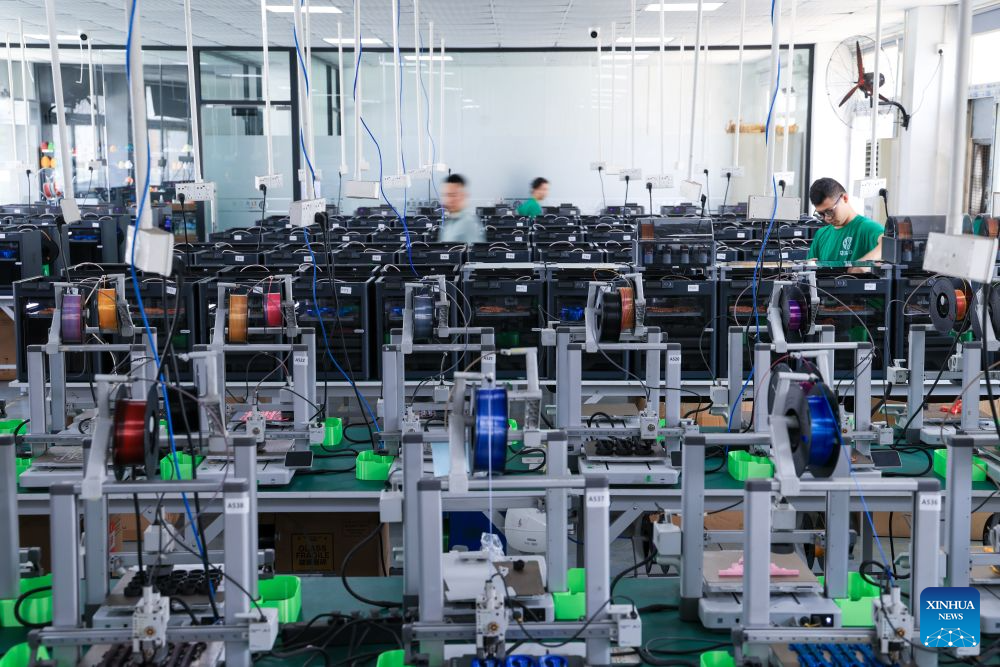
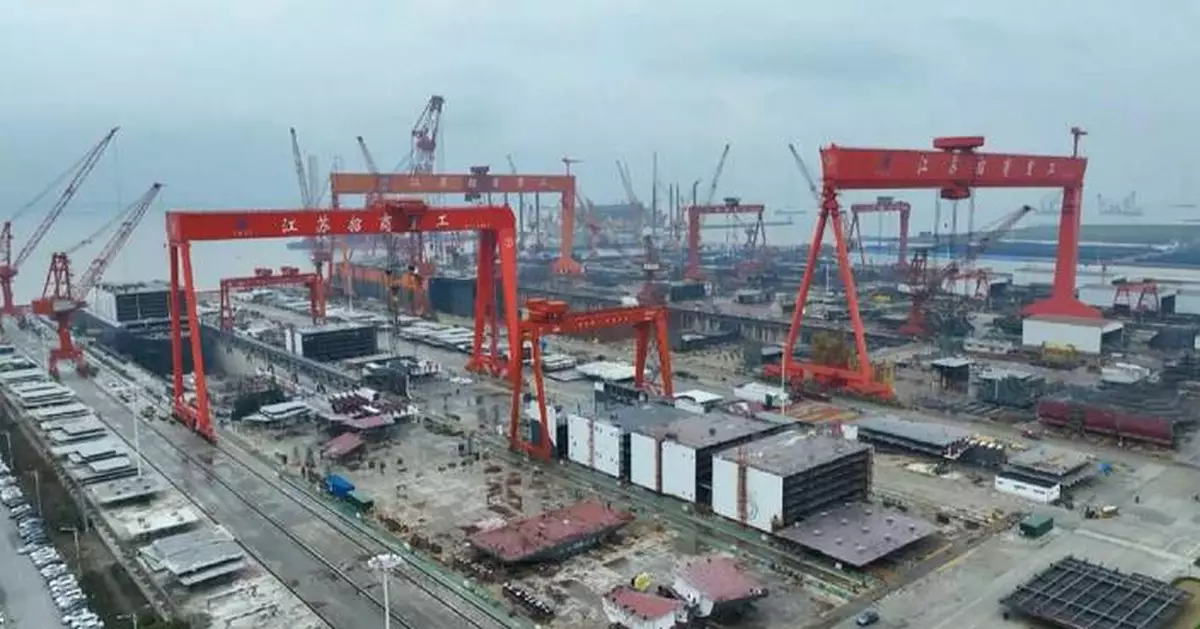
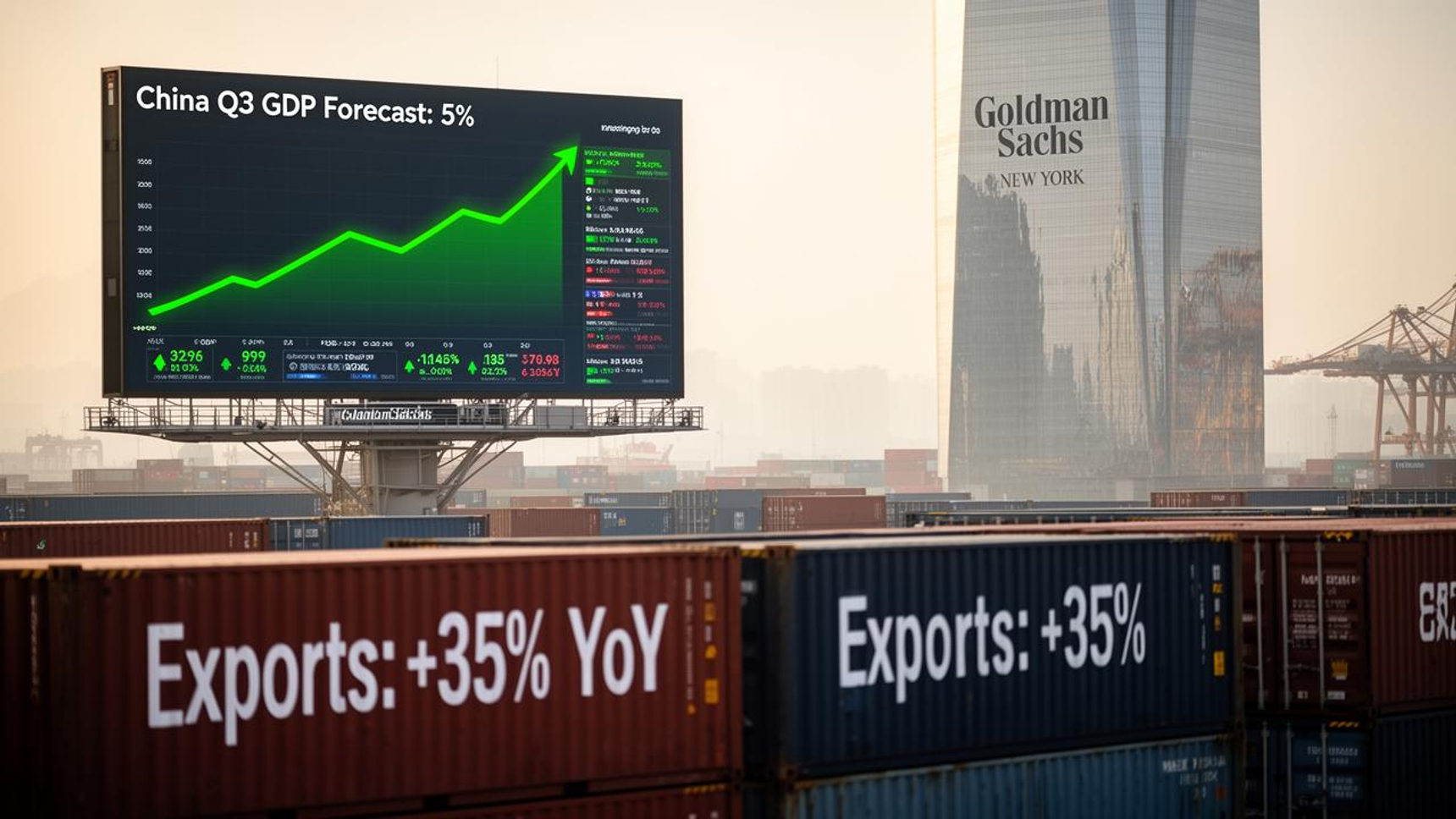
China's National Bureau of Statistics releases manufacturing PMI data earlier than virtually all other nations—often before month-end—providing cross-border e-commerce sellers with critical advance intelligence on factory activity levels and production capacity. This early economic signaling mechanism, highlighted in The Economist's analysis, represents a significant competitive advantage for sellers who monitor and act on these indicators. While most countries release PMI data on the first working day of the following month, China's rapid reporting creates a 5-10 day window where sellers can anticipate supply chain disruptions, production delays, or capacity expansions before competitors react.
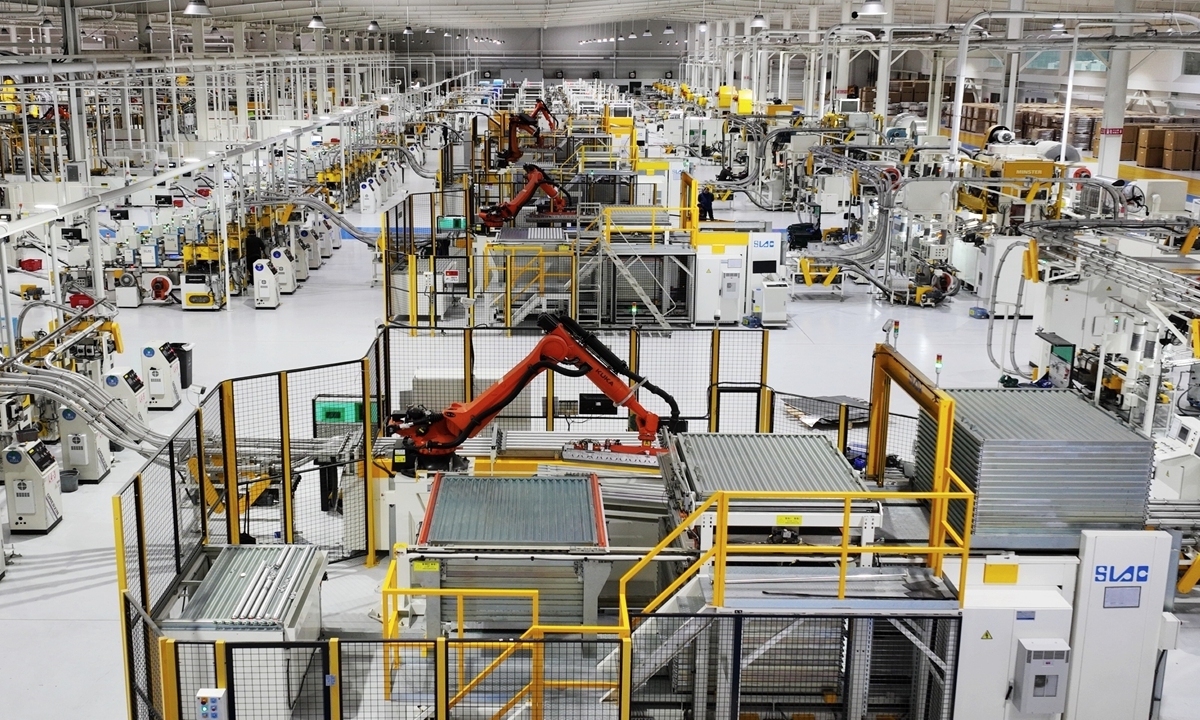
For sellers sourcing from China, this early PMI data directly impacts inventory planning and procurement timing. Manufacturing PMI measures business sentiment across hundreds of procurement managers and indicates factory activity levels—a leading indicator of production capacity, export readiness, and supply chain health. When China's PMI declines (below 50 indicates contraction), sellers typically experience 2-4 week delays in order fulfillment, increased lead times, and potential stockouts. Conversely, rising PMI signals production acceleration, enabling sellers to negotiate better pricing and faster delivery windows. Sellers relying on Chinese suppliers across electronics, apparel, home goods, and consumer products categories can use this data to front-load orders during high-PMI periods or reduce exposure during contractions.
The operational advantage extends to demand forecasting and market positioning. China's PMI correlates strongly with global manufacturing activity and consumer spending patterns. When China's factory activity contracts, it typically precedes 3-6 week demand softening in Western markets as inventory depletes and consumer confidence weakens. Sellers can use this leading indicator to adjust PPC spending, reduce inventory purchases, or shift marketing focus to clearance categories before broader market slowdowns materialize. For Amazon FBA sellers, this means optimizing storage costs by reducing inventory during contraction signals and maximizing stock during expansion periods. The 5-10 day advance window provides sufficient time to execute procurement adjustments before competitors recognize the same signals through delayed PMI releases from their own countries.
Strategic sourcing decisions also benefit from this intelligence advantage. Sellers evaluating sourcing country diversification (Vietnam, India, Indonesia alternatives to China) can use China's PMI trends to assess relative capacity advantages. Rising China PMI may indicate capacity constraints that justify sourcing shifts, while declining PMI might signal temporary weakness offering negotiation opportunities. This data-driven approach to sourcing decisions reduces the risk of over-committing to alternative suppliers during temporary Chinese capacity dips.
Questions 7
What is the relationship between China's PMI and global consumer demand?
China's manufacturing PMI correlates strongly with global manufacturing activity and consumer spending patterns. When China's factory activity contracts, it typically precedes 3-6 week demand softening in Western markets as inventory depletes and consumer confidence weakens. Rising China PMI signals production acceleration that eventually translates to increased product availability and competitive pricing in global markets. Sellers can use China's PMI as a leading indicator of upcoming demand shifts in their target markets. For example, declining China PMI in January typically signals softer demand in March-April across Amazon, eBay, and Shopify. This relationship enables sellers to adjust marketing spend, inventory levels, and category focus proactively rather than reactively.
Which product categories benefit most from monitoring China's manufacturing PMI?
Electronics, apparel, home goods, and consumer products categories benefit most from PMI monitoring because they rely heavily on Chinese manufacturing. Electronics sellers (phones, accessories, smart home devices) face 3-4 week lead times and are highly sensitive to production delays. Apparel sellers experience seasonal demand volatility amplified by supply disruptions. Home goods sellers managing bulky inventory benefit from optimized storage decisions based on PMI signals. Consumer products (beauty, health, kitchen items) with high turnover rates can adjust PPC spending and inventory levels quickly based on PMI trends. Sellers in these categories should establish automated alerts for China's monthly PMI releases and integrate PMI data into demand forecasting models.