


OpenAI Codex Micro Macro Pad Launch | New B2B Hardware Opportunity for Tech Accessory Sellers
- OpenAI partners with Work Louder to launch specialized keyboard device July 15, 2026; 5M+ weekly Codex users create emerging niche market for AI-integrated developer hardware; sellers can capitalize on ecosystem expansion trend
)

Overview
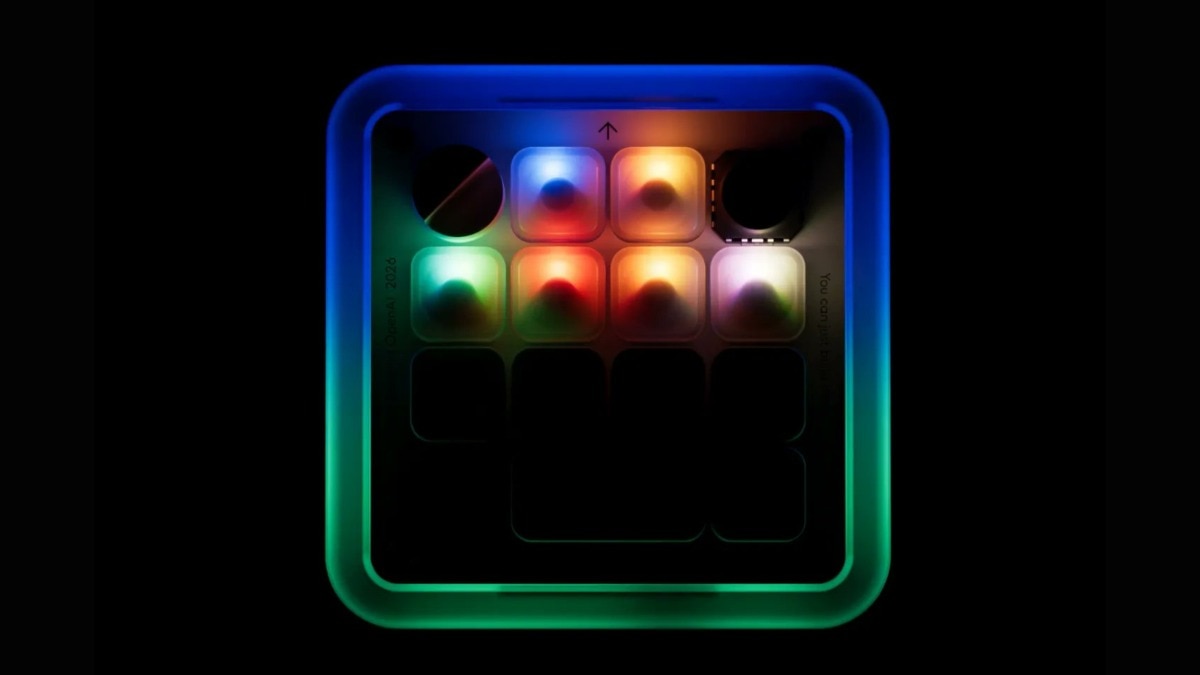
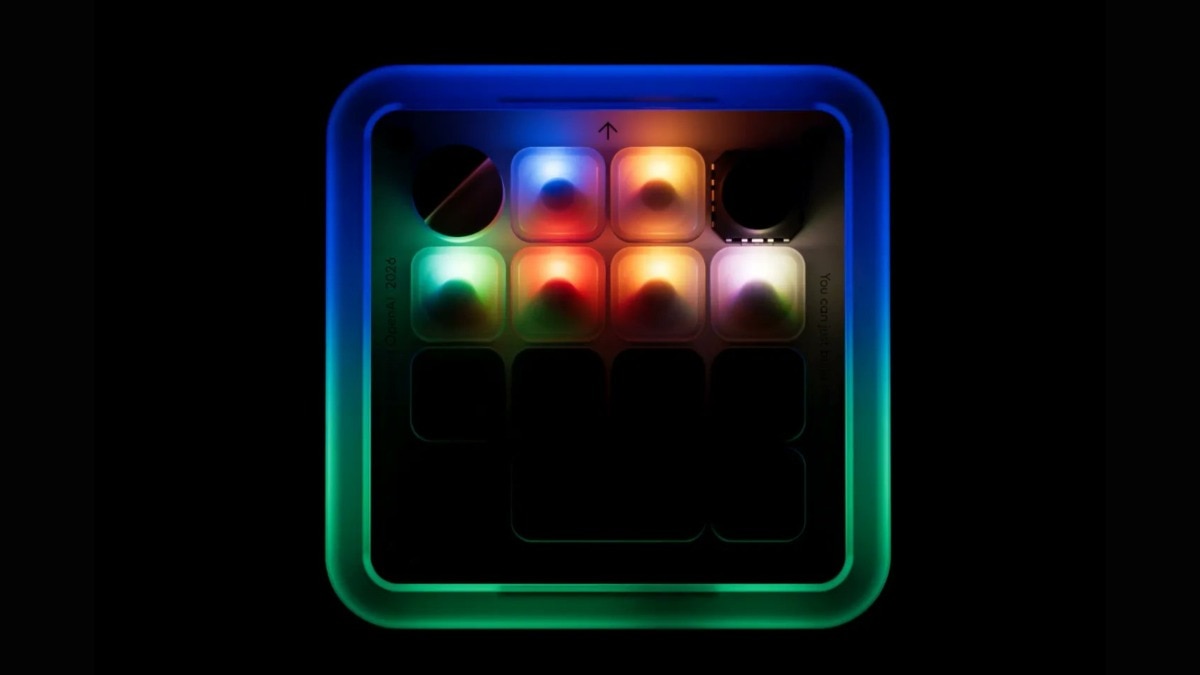
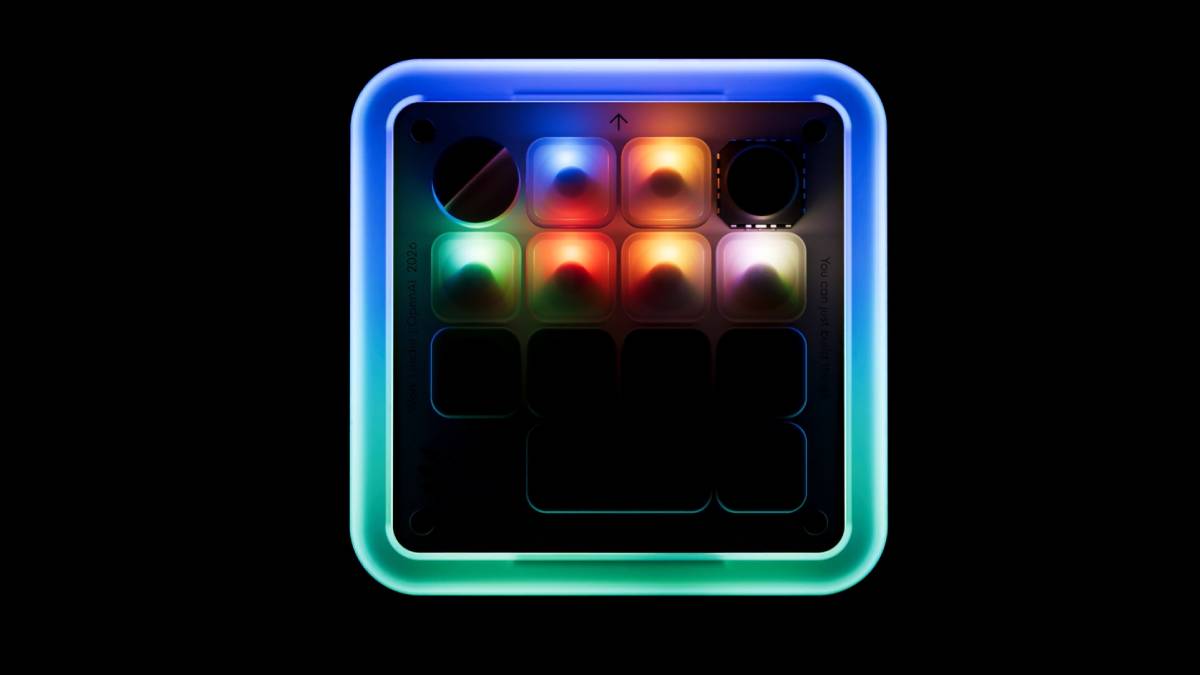
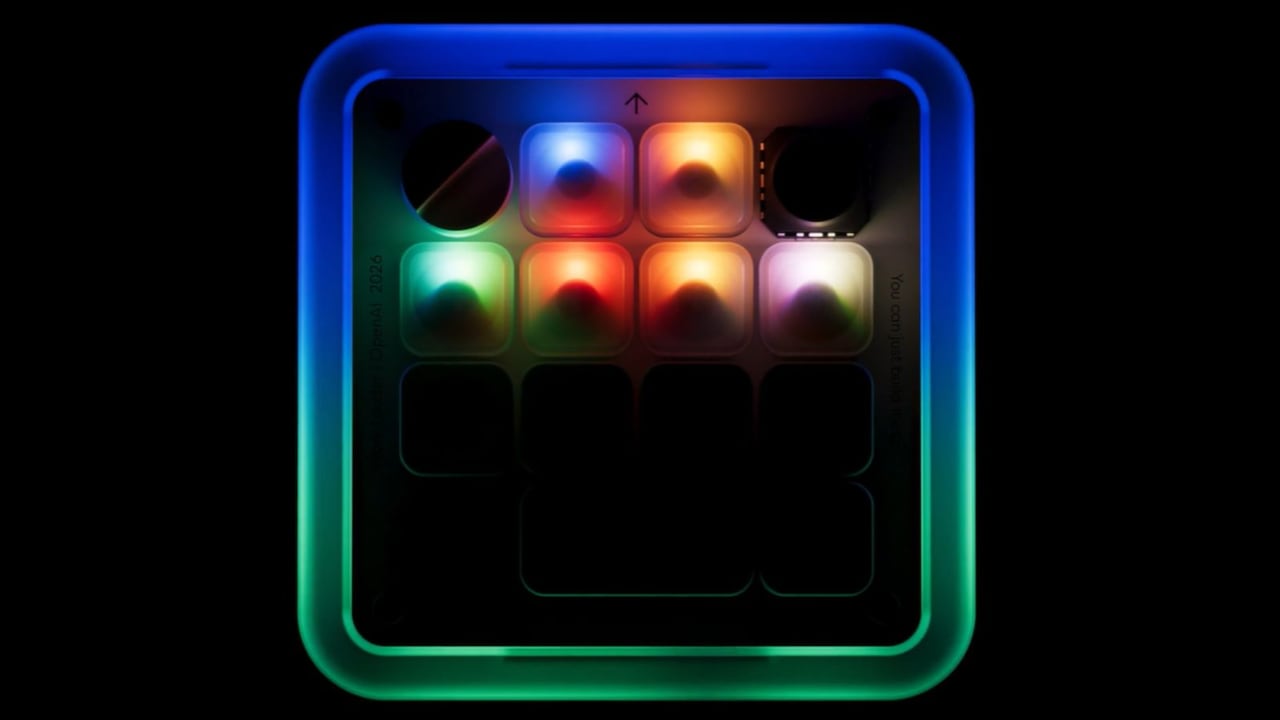
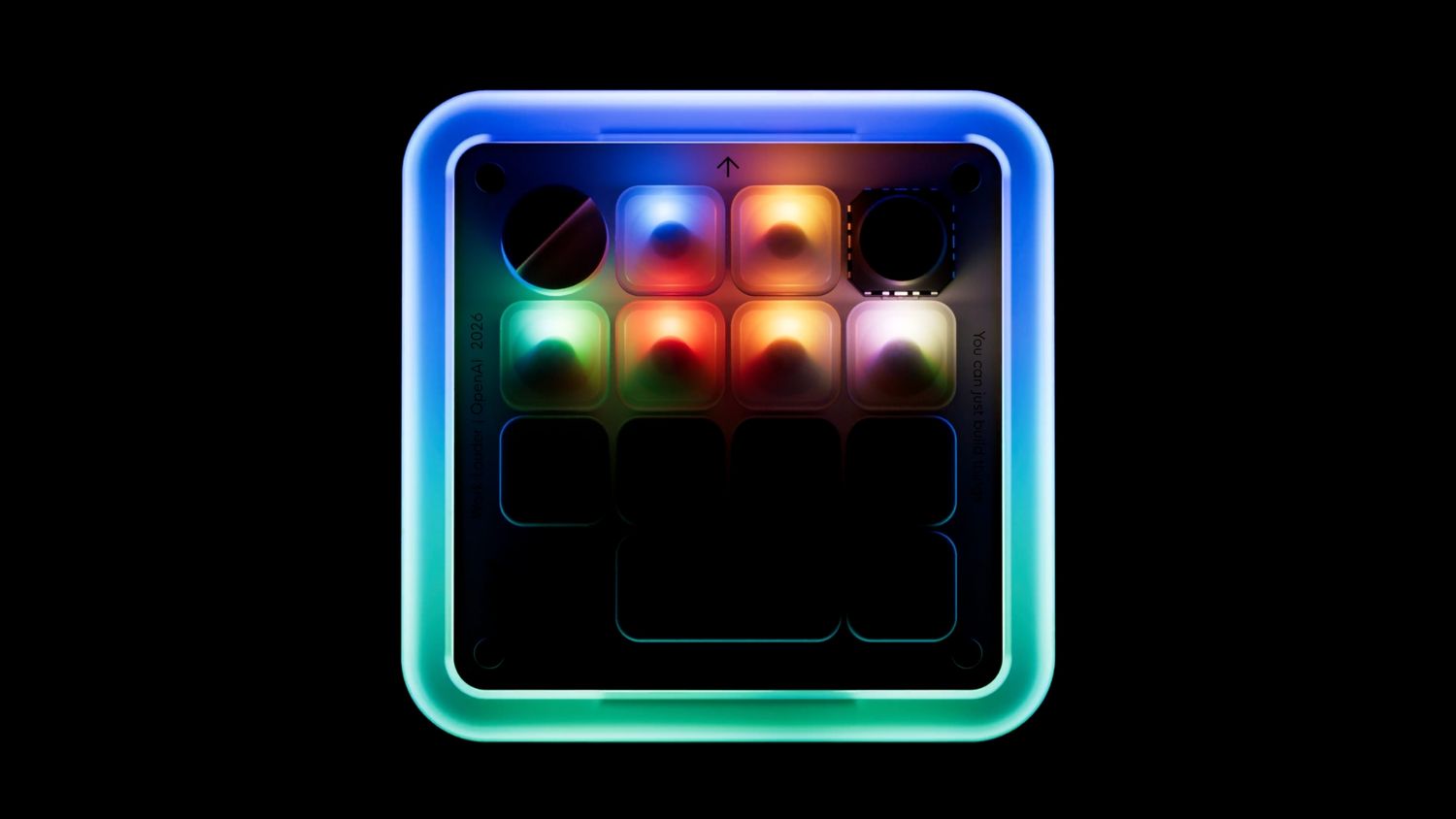
OpenAI's launch of the Codex Micro macro pad on July 15, 2026, signals a critical shift in how AI companies monetize developer ecosystems through specialized hardware. The partnership with Work Louder—a mechanical keyboard manufacturer—represents OpenAI's expansion beyond software into physical peripherals designed to enhance productivity for developers using Codex, which boasts over 5 million weekly active users. The device features 13 mechanical switches, a joystick, and touch sensor, enabling programmers to map frequently-used coding shortcuts to dedicated physical controls, reducing context-switching between IDEs and ChatGPT interfaces. This mirrors Figma's successful 2023 partnership with Work Louder for designer-focused macro pads, establishing a proven playbook for software-to-hardware ecosystem expansion.
For cross-border e-commerce sellers, this development creates immediate product category opportunities in the tech accessories vertical. The Codex Micro launch demonstrates that specialized developer hardware—once considered niche—now attracts major platform investment and mainstream distribution. Sellers can expect similar AI-integrated macro pad products from competing platforms (Claude, GitHub Copilot, JetBrains) within 6-12 months, creating a new subcategory within mechanical keyboards and productivity tools. The addressable market includes approximately 5M+ Codex users, plus broader developer communities (estimated 28M+ globally) seeking ergonomic AI-optimized input devices. Amazon's Electronics and Computers categories, alongside Shopify and specialized tech retailers, will likely see increased demand for programmable macro pads, customizable keyboards, and AI-tool-specific peripherals.
The hardware strategy reveals OpenAI's ecosystem lock-in approach, with direct implications for seller positioning and inventory strategy. By creating purpose-built hardware that deepens user engagement with Codex, OpenAI establishes a competitive moat against alternative AI coding tools. Sellers should anticipate: (1) increased demand for compatible accessories (keycaps, switches, carrying cases) within 30-60 days of launch; (2) expansion of macro pad product lines from existing manufacturers (Corsair, Razer, SteelSeries) to include AI-tool integrations; (3) growth in the "developer productivity tools" category as a distinct e-commerce segment. The partnership model—leveraging existing manufacturers rather than building in-house—suggests OpenAI will pursue similar collaborations with other hardware partners, creating multiple distribution channels and SKU opportunities for sellers positioned in mechanical keyboards, USB peripherals, and developer tools categories.
Questions 8
How large is the potential market for AI-integrated developer hardware?
OpenAI's Codex has over 5 million weekly active users, representing a core addressable market for the Codex Micro. The broader developer community globally comprises approximately 28 million professionals, many of whom use competing AI coding tools (GitHub Copilot, Claude, JetBrains AI Assistant). The mechanical keyboard market itself generated $2.8B+ in global revenue in 2024, with specialized productivity keyboards representing a high-margin niche segment. Industry precedent from Figma's 2023 Work Louder partnership suggests strong adoption potential among professional users willing to invest $150-300+ in specialized hardware. Sellers can expect this category to grow 40-60% annually as more AI platforms launch integrated hardware solutions.
What is the OpenAI Codex Micro and how does it work for developers?
The Codex Micro is a specialized macro pad launched July 15, 2026, featuring 13 mechanical switches, a joystick, and touch sensor designed to streamline workflows for developers using OpenAI's Codex AI coding tool. The device allows programmers to map frequently-used Codex shortcuts—such as code completion, error correction, and version rollback—to dedicated physical buttons, eliminating context-switching between IDEs and ChatGPT interfaces. This reduces coding errors and increases workflow efficiency through tactile feedback (clicks, illumination, haptic responses). The hardware is manufactured by Work Louder, an established mechanical keyboard accessories company, and targets professional developers seeking ergonomic, AI-optimized input devices.