


Peru Political Stability Shift Opens LATAM E-Commerce Growth Window | Seller Opportunity
- Fujimori's July 28 inauguration signals potential tariff reforms and market access improvements for cross-border sellers targeting 34M+ Peruvian consumers



)


Overview
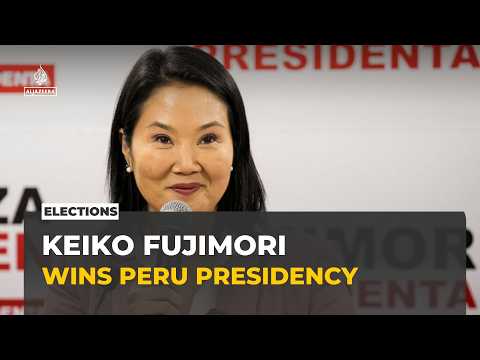
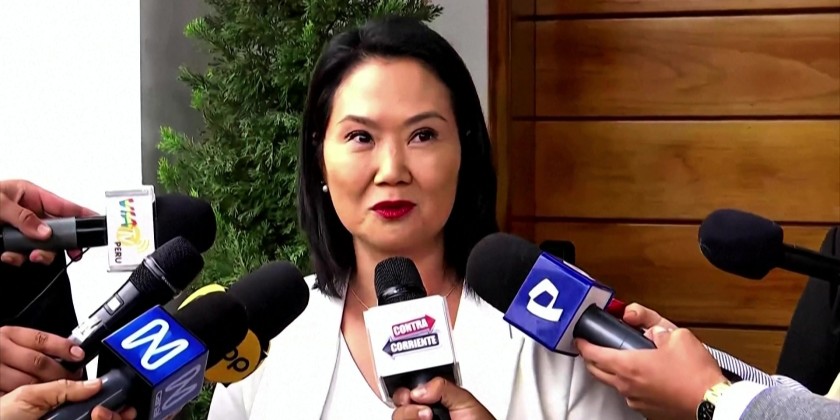
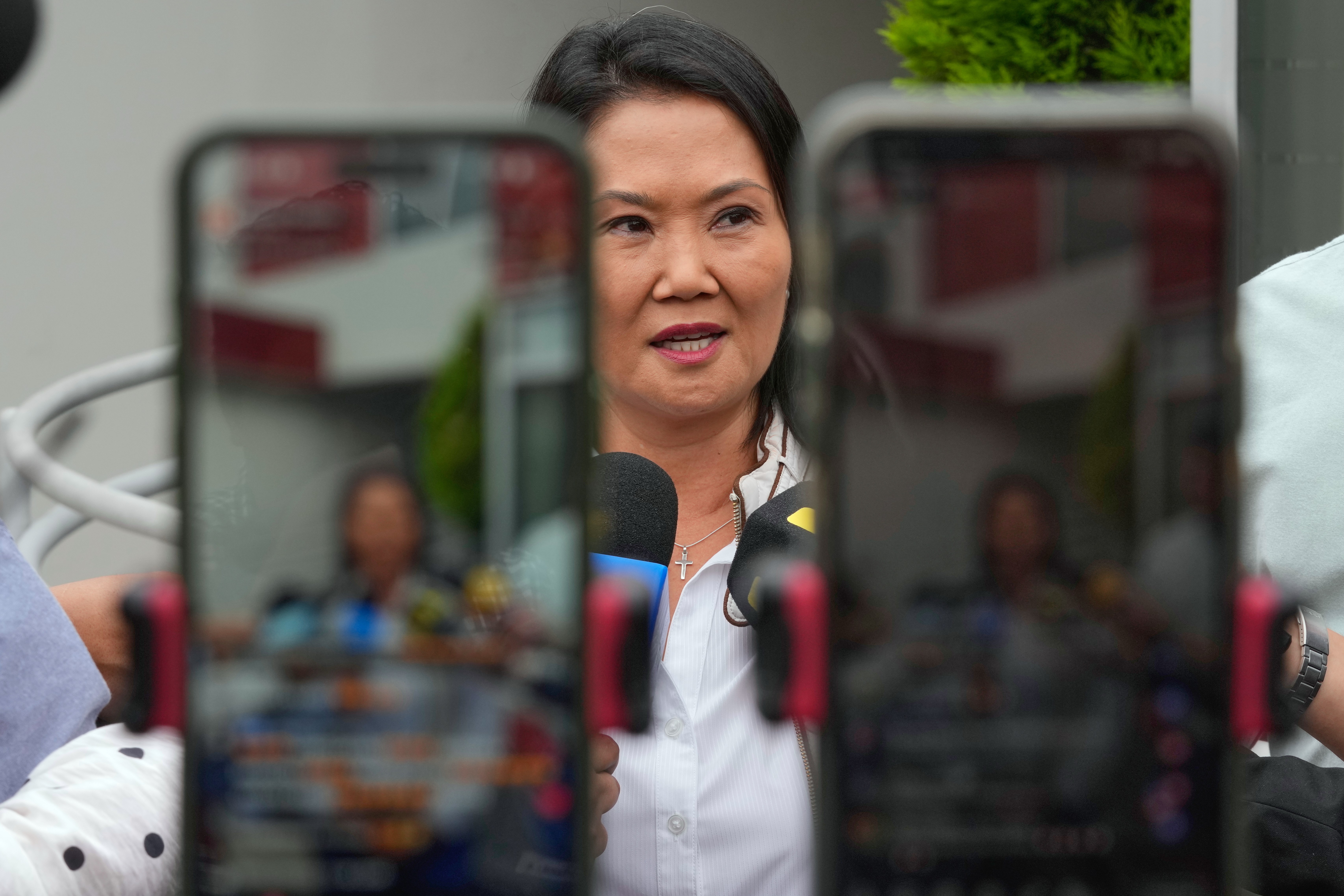
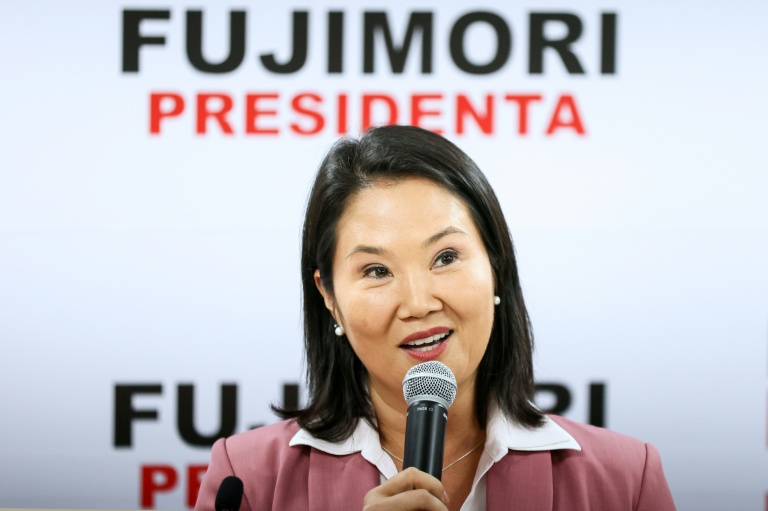
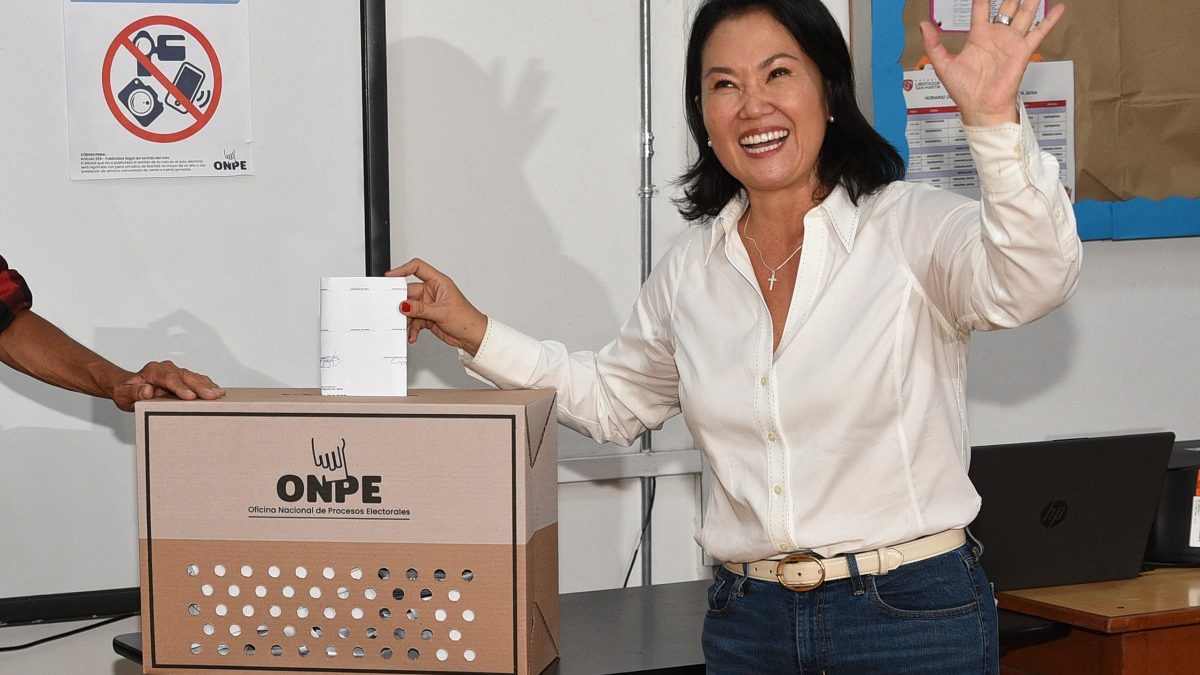
Peru's narrow presidential election victory by conservative Keiko Fujimori on June 7, 2024, with a margin of fewer than 50,000 votes out of 18 million ballots, represents a critical inflection point for cross-border e-commerce sellers targeting Latin America. Fujimori's assumption of office on July 28 for a five-year term signals potential policy shifts toward business-friendly governance and economic stabilization—directly impacting tariff structures, customs clearance timelines, and market access for foreign sellers. Peru's chronic political instability over the past decade (8 presidents in 10 years) has created unpredictable regulatory environments and logistics disruptions. Fujimori's business administration background and campaign focus on "order and hope" suggest prioritization of economic governance and institutional stability, which historically correlates with tariff rationalization and reduced customs friction.
Market Access Implications: Peru represents a 34M-person consumer market with growing e-commerce penetration (estimated 15-18% online retail adoption). The country's position as a Pacific Alliance member provides preferential trade access to Colombia, Chile, and Mexico—creating a regional distribution hub opportunity. Fujimori's administration is likely to pursue trade liberalization policies similar to her father's 1990s economic reforms, which reduced tariff rates on imported consumer goods by 30-40% and expanded duty-free zones. Electronics, apparel, and home goods categories—currently subject to 15-25% tariff rates—could see reductions of 5-10 percentage points under business-friendly policies.
Competitive Dynamics: The narrow election victory and significant opposition (Sanchez's refusal to recognize the government) create near-term policy uncertainty through Q3 2024. However, sellers who establish market presence during this transition window (July-December 2024) can secure first-mover advantages before larger competitors recognize the opportunity. Small and medium-sized sellers (SMEs) shipping to Peru via Amazon, Shopify, or regional marketplaces like Mercado Libre face current customs delays averaging 15-25 days; Fujimori's institutional reforms could reduce this to 5-10 days by Q1 2025. The administration's emphasis on security and institutional control suggests improved port operations and reduced extortion-related logistics disruptions that have plagued Peru's supply chains.
Tariff Arbitrage Window: Sellers should monitor Peru's tariff schedule for HS codes 6204 (women's apparel), 8517 (telecommunications equipment), and 6909 (ceramics)—categories historically targeted for duty reductions during liberalization cycles. The July 28 inauguration creates a 90-120 day window before new tariff policies are formally announced, allowing sellers to pre-position inventory at current rates before potential duty reductions increase competitive pressure and compress margins.
Questions 8
How can sellers leverage Peru's security improvements for logistics efficiency?
Fujimori's campaign emphasis on security and institutional control addresses Peru's chronic extortion and contract killing issues that have disrupted supply chains. Improved port operations and reduced logistics disruptions could reduce shipping delays by 5-10 days and lower insurance costs by 3-5%. Sellers should coordinate with 3PL providers in Peru to assess security improvements starting August 2024. The administration's focus on institutional order suggests customs corruption and informal tariffs—currently adding 2-4% to import costs—could decline by 50-75% by Q1 2025.
What are the risks of Peru's narrow election victory for cross-border sellers?
Fujimori won by fewer than 50,000 votes out of 18 million ballots, with her opponent refusing to recognize the government and alleging administrative irregularities. This creates near-term policy uncertainty and potential institutional instability through Q3 2024. Sellers should diversify their Peru exposure and avoid large inventory commitments until Q4 2024 when policy direction becomes clearer. However, Peru's history of cycling through 8 presidents in a decade suggests institutional reforms are likely regardless of political leadership, making medium-term (6-12 month) market entry still attractive.