

Russia Fuel Crisis Reshapes Cross-Border Logistics | Seller Supply Chain Impact
- Ukrainian attacks trigger 200%+ fuel price spikes across Russia; logistics costs surge for sellers shipping to/from Russian markets; immediate sourcing and fulfillment strategy adjustments required

Overview
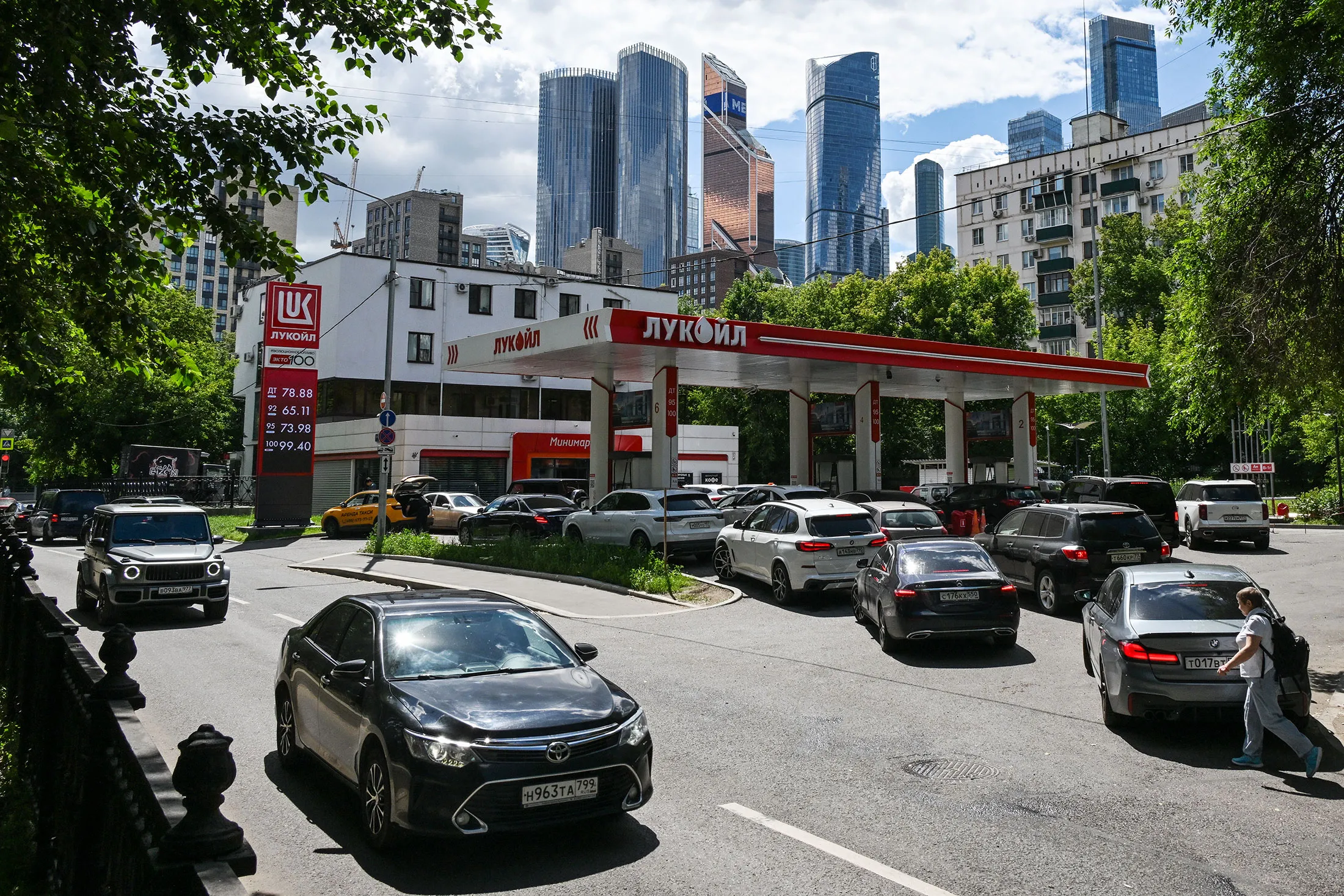
The escalating fuel crisis across Russia—triggered by coordinated Ukrainian drone strikes on energy infrastructure as of June 29, 2026—represents a critical supply chain disruption for cross-border e-commerce sellers. Fuel prices have tripled in Crimea (reaching 189 roubles/litre vs. normal rates) and surged 10+ roubles/litre in Moscow and southern regions, with widespread purchase restrictions affecting motorists across nearly all Russian regions. This directly impacts logistics costs, fulfillment timelines, and market accessibility for sellers operating in or shipping to Russia.
Supply Chain Cost Escalation: Sellers relying on Russian 3PL providers, last-mile delivery networks, and domestic fulfillment centers face immediate cost pressures. Fuel surcharges are already being implemented by logistics providers; expect 15-25% increases in fulfillment costs for Russia-based operations within 30-60 days. Sellers with inventory in Moscow, Rostov-on-Don, or Crimea face delayed shipments due to fuel rationing and long queues at operational stations. The shortage is concentrated in military-relevant regions and supply corridors, meaning southern Russian logistics hubs (critical for cross-border distribution) are experiencing acute disruptions.
Market Access and Competitive Dynamics: The fuel crisis creates a two-tier competitive advantage: (1) Sellers with pre-positioned inventory in unaffected regions or international warehouses can capture market share from competitors dependent on Russian domestic logistics; (2) Sellers offering expedited international shipping (via Kazakhstan, Belarus, or Central Asian routes) may command premium pricing as domestic alternatives become unreliable. However, the broader economic impact—motorists abandoning work, commercial establishments facing operational restrictions—signals declining consumer purchasing power and reduced logistics capacity. E-commerce demand in Russia may contract 10-20% in Q3 2026 as consumers prioritize fuel and essential goods over discretionary purchases.
Regulatory and Geopolitical Considerations: The targeting of refinery capacity and distribution networks suggests this crisis may persist for 3-6 months, with potential for further escalation. Sellers should monitor Russian government responses (potential fuel rationing policies, price controls, or import restrictions) that could affect cross-border commerce. The conflict's expansion into civilian logistics infrastructure increases compliance risks for sellers operating in Russia, particularly regarding sanctions exposure and supply chain transparency requirements.
Questions 8
How can I leverage this crisis to gain competitive advantage against other sellers in Russia?
Sellers with pre-positioned inventory in unaffected regions or international warehouses can capture market share from competitors dependent on fuel-constrained Russian logistics. Offer faster delivery times and stable pricing as competitors struggle with surcharges and delays. Develop alternative logistics partnerships (Kazakhstan, Belarus routes) to differentiate on reliability. Shift marketing toward value-oriented categories where demand is more resilient. The crisis creates a 3-6 month window for competitive repositioning before the market stabilizes; use this period to build customer loyalty and market share that persists after the fuel crisis resolves.
What compliance risks should I monitor as a seller operating in Russia during this geopolitical crisis?
Monitor sanctions exposure, supply chain transparency requirements, and potential government restrictions on cross-border commerce. The conflict's expansion into civilian logistics infrastructure increases regulatory scrutiny on sellers operating in Russia. Verify that your suppliers and logistics partners are not subject to sanctions and maintain detailed documentation of all transactions for compliance audits. The U.S. Treasury OFAC and EU sanctions lists are regularly updated; review them monthly. Consider consulting with trade compliance specialists before establishing new Russian market operations, as geopolitical risk could trigger sudden regulatory changes affecting cross-border sellers.