

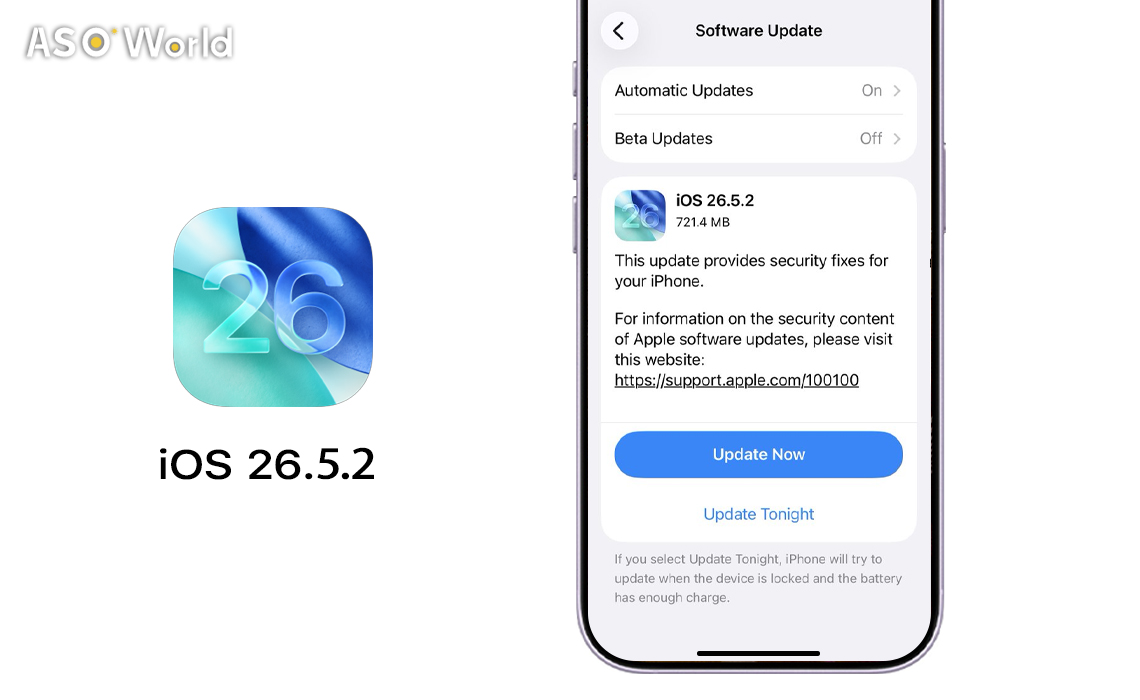



AI-Powered Security Threats Accelerate | E-Commerce Platform Risk & Seller Compliance Urgency
- Apple's accelerated patch cycle signals AI-enabled cyber threats reducing exploit windows from weeks to hours; sellers must prioritize customer data security and platform compliance immediately













Overview
Apple's emergency security update addressing 30+ vulnerabilities—including four flaws discovered by AI tools from Anthropic Claude and OpenAI Codex Security—represents a fundamental shift in cybersecurity threat timelines that directly impacts e-commerce sellers. The company emphasized that AI capabilities are reducing the window between vulnerability discovery and weaponization from weeks to hours, forcing Apple to accelerate its traditional release schedule. This signals an industry-wide recognition that artificial intelligence is fundamentally changing threat landscapes and exploit development speeds.
For e-commerce sellers, this development carries critical operational implications. Mobile commerce security directly affects customer trust and transaction safety—iOS and Safari vulnerabilities threaten the 65-70% of e-commerce traffic originating from mobile devices. Sellers operating on Amazon, Shopify, eBay, and other platforms must recognize that customer payment data, login credentials, and personal information are at heightened risk during the vulnerability-to-patch window. The accelerated patch cycle means sellers have narrower windows to update systems and communicate security measures to customers.
The AI-discovery mechanism itself reveals a competitive intelligence opportunity: Anthropic Claude and OpenAI Codex Security identified vulnerabilities faster than traditional security researchers, demonstrating that AI-powered security analysis is now table stakes for enterprise platforms. E-commerce platforms like Amazon and Shopify are likely implementing similar AI-driven vulnerability detection internally. Sellers should expect platform security requirements to tighten—including mandatory SSL/TLS updates, PCI DSS compliance verification, and potentially new authentication protocols for seller dashboards.
Immediate seller impact areas: (1) Customer-facing checkout pages must be updated within 48-72 hours of patch releases; (2) Third-party integrations (payment processors, inventory management tools) require urgent security audits; (3) Seller dashboards accessed via Safari/iOS face temporary elevated risk; (4) Data breach liability insurance becomes critical as exploit windows compress. Sellers managing high-volume transactions (1000+ daily orders) face the greatest exposure—a single compromised transaction can trigger platform suspension and customer refund cascades costing $5,000-50,000+ depending on breach scope.
The strategic implication: AI-enabled security threats are becoming a cost of doing business. Sellers must budget for continuous security monitoring, faster patch deployment cycles, and potentially higher compliance costs as platforms implement AI-powered security requirements. This trend will likely accelerate platform consolidation toward larger sellers with dedicated security teams, while smaller sellers face increasing operational complexity.
Questions 8
What compliance requirements should sellers expect as AI-enabled threats accelerate?
As AI tools reduce exploit windows, platforms will likely tighten security requirements beyond current PCI DSS standards. Expected changes include: (1) Mandatory multi-factor authentication (MFA) for seller dashboards—already required by Amazon and Shopify, but enforcement will intensify; (2) Real-time fraud detection integration—platforms may require sellers to implement AI-powered transaction monitoring tools; (3) Quarterly security audits instead of annual reviews; (4) Incident response plans with 24-hour notification requirements to platforms and customers. Sellers failing to meet accelerated compliance timelines face account suspension (7-30 days), transaction holds ($10,000-100,000+), and potential permanent removal from platforms. Compliance costs will increase 20-40% annually as platforms implement AI-driven security requirements, disproportionately affecting sellers with limited IT resources. Sellers should begin compliance planning immediately, allocating 10-15 hours monthly for security updates and audits.
How can sellers leverage AI security tools to gain competitive advantage in their category?
Sellers can adopt AI-powered security and fraud detection tools (similar to those used by Anthropic Claude and OpenAI Codex) to: (1) Identify payment fraud patterns 48-72 hours before platform detection, reducing chargeback rates by 15-25%; (2) Detect account compromise attempts in real-time, preventing unauthorized inventory transfers or price manipulation; (3) Analyze competitor security practices through public breach data, identifying vulnerabilities in competing sellers' systems. Tools like Darktrace, Vectra AI, and Crowdstrike offer AI-powered threat detection starting at $1,000-3,000 monthly. Sellers implementing these tools report 20-30% reduction in fraud-related account suspensions and 10-15% improvement in customer trust metrics (repeat purchase rates, review ratings). However, this advantage is temporary—as platforms implement similar AI tools internally, individual seller advantages compress. The long-term competitive moat shifts toward sellers who can integrate AI security into their operational workflows, creating continuous improvement cycles that platforms cannot easily replicate.