





Mag 7 AI Infrastructure Boom Reshapes E-Commerce Platform Economics | Seller Opportunity Window
- $2.3 trillion market correction signals platform investment volatility; sellers must prepare for fee changes and feature prioritization shifts across Amazon, Google, Meta advertising by Q3 2026
























Overview
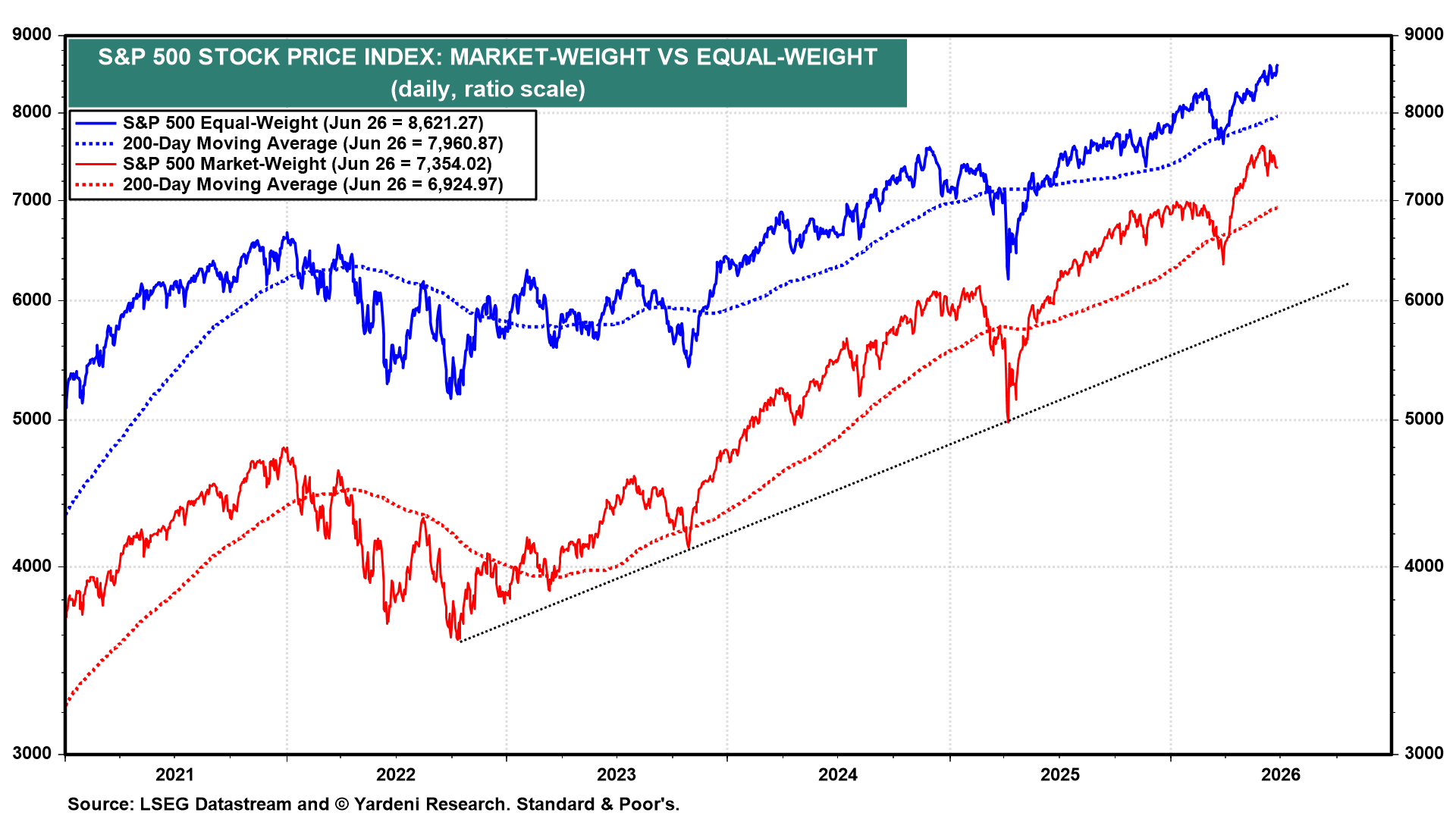
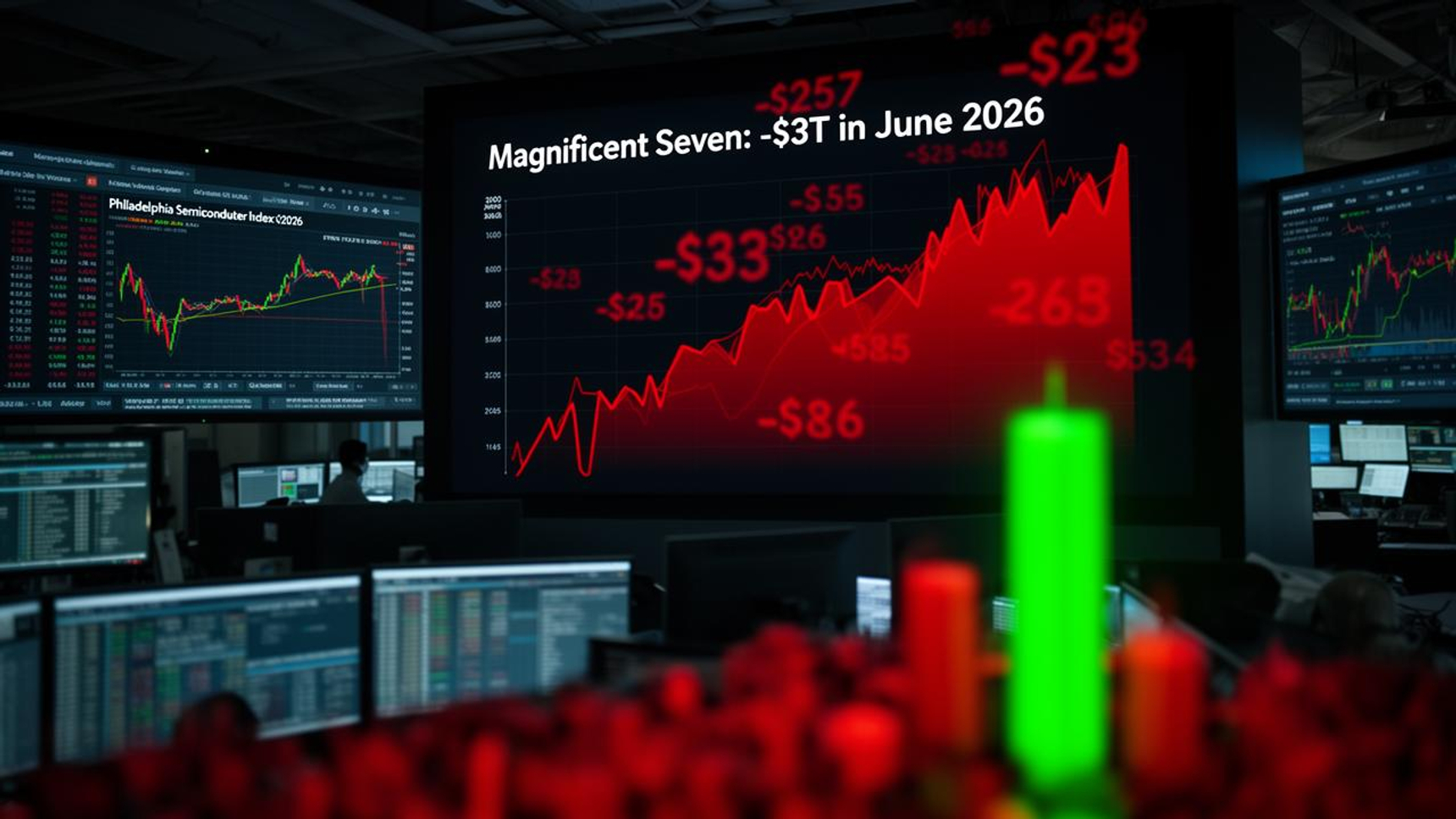
The Magnificent Seven technology stocks—Microsoft, Alphabet, Meta, Amazon, Apple, Tesla, and Nvidia—are undergoing a critical transformation driven by massive AI infrastructure investments totaling hundreds of billions in semiconductor purchases and data center construction. While the sector lost $2.3 trillion in market value during June 2026 amid investor concerns about return-on-investment timelines, the underlying AI monetization strategies reveal profound implications for e-commerce sellers relying on these platforms.
AI-Powered Platform Economics Are Reshaping Seller Costs and Opportunities. Meta's projected $125-145 billion capital expenditure for 2026 directly funds AI/ML ad targeting optimization that sellers depend on for customer acquisition. The company's Llama AI framework commoditizes competitor software while establishing Meta's architecture as a developer standard—creating network effects that reduce advertiser switching likelihood but also signal rising advertising complexity and potential cost increases. Alphabet's Google Cloud revenue surged 63% to $20 billion with operating income tripling to $6.6 billion, powered by AI compute demand. For sellers using Google Shopping and Google Cloud services, this growth trajectory indicates sustained platform investment but also suggests pricing pressure as cloud infrastructure costs remain elevated. Microsoft's Azure revenue acceleration reached 40% year-over-year, with the company maintaining a 46% operating margin despite massive data center construction costs. This indicates Azure-dependent sellers (particularly those using cloud fulfillment tools and analytics) face stable but potentially rising infrastructure costs.
The Great Tech Divergence Creates Platform Fragmentation Risk for Multi-Channel Sellers. Different Mag 7 companies are adopting divergent strategies around data privacy, AI integration, and regional market approaches. Amazon's 8% stock decline during June 2026 reflects investor uncertainty about its capital allocation between AWS infrastructure and marketplace operations. Sellers operating across Amazon Marketplace, Google Shopping, Meta advertising, and AWS logistics services must now monitor how each platform prioritizes AI investment versus profitability. The semiconductor supply chain bottleneck—with memory chip stocks surging 166% annually and companies like Micron and TSMC benefiting from Big Tech's massive chip purchases—indicates sustained infrastructure scarcity that could delay platform feature rollouts and increase service costs. Sellers should expect 3-6 month delays in new feature availability and potential 5-15% increases in cloud storage and compute costs by Q4 2026.
Immediate Automation and Data Intelligence Opportunities for Sellers. The AI infrastructure boom creates specific automation wins: (1) Dynamic pricing optimization using Meta's Llama framework or open-source alternatives to analyze competitor pricing across platforms in real-time, reducing manual price monitoring by 8-12 hours/week; (2) Automated ad spend allocation leveraging Google Cloud's AI/ML capabilities to distribute budgets across channels based on real-time ROAS data, improving campaign efficiency by 15-25%; (3) Predictive inventory management using Azure's AI services to forecast demand across regions, reducing overstock by 20-30% and freeing up $5-20K in working capital per seller. Sellers should immediately audit their platform dependencies—if >60% of revenue comes from Meta advertising or Amazon FBA, the platform volatility creates material business risk. Consider diversifying to Shopify (which maintains independent infrastructure) or TikTok Shop (which benefits from different investor sentiment). The competitive advantage window is 60-90 days: sellers who automate pricing and inventory optimization NOW will capture 10-20% margin improvements before competitors adopt similar AI tools.
Questions 8
What automation opportunities exist for sellers given the AI infrastructure boom?
The Mag 7's AI infrastructure investments create three immediate automation wins: (1) Dynamic pricing optimization using Meta's Llama framework or open-source alternatives to monitor competitor prices across platforms in real-time, saving 8-12 hours/week of manual work; (2) Automated ad spend allocation leveraging Google Cloud's AI/ML capabilities to distribute budgets based on real-time ROAS, improving campaign efficiency by 15-25%; (3) Predictive inventory management using Azure's AI services to forecast demand across regions, reducing overstock by 20-30%. Sellers should immediately implement these automations using tools like Repricing Robot (dynamic pricing), Adverity (ad spend optimization), or Demand Forecast AI (inventory planning). The ROI is typically 200-400% within 6 months through margin improvement and working capital reduction.
How should sellers respond to the Great Tech Divergence in platform strategies?
The Great Tech Divergence means different platforms are adopting divergent approaches to data privacy, AI integration, and regional strategies. Amazon, Google, Meta, and Microsoft are increasingly competing rather than complementing each other. Sellers should immediately audit their platform concentration: if >60% of revenue comes from a single platform, diversify to reduce risk. Consider allocating 20-30% of inventory to Shopify (independent infrastructure), 15-20% to TikTok Shop (different investor base), and maintaining 50-60% on Amazon/Google. This diversification reduces exposure to any single platform's fee increases or feature changes. The competitive advantage window is 90-120 days before platform divergence creates material operational complexity.