




China's 15% Stock Decline Signals Supply Chain Risk for E-Commerce Sellers | AI Correction Impact
- MSCI China Index down 15% as Tencent/Alibaba lose $337B; sellers face platform fee increases, logistics delays, supplier payment risks







Overview
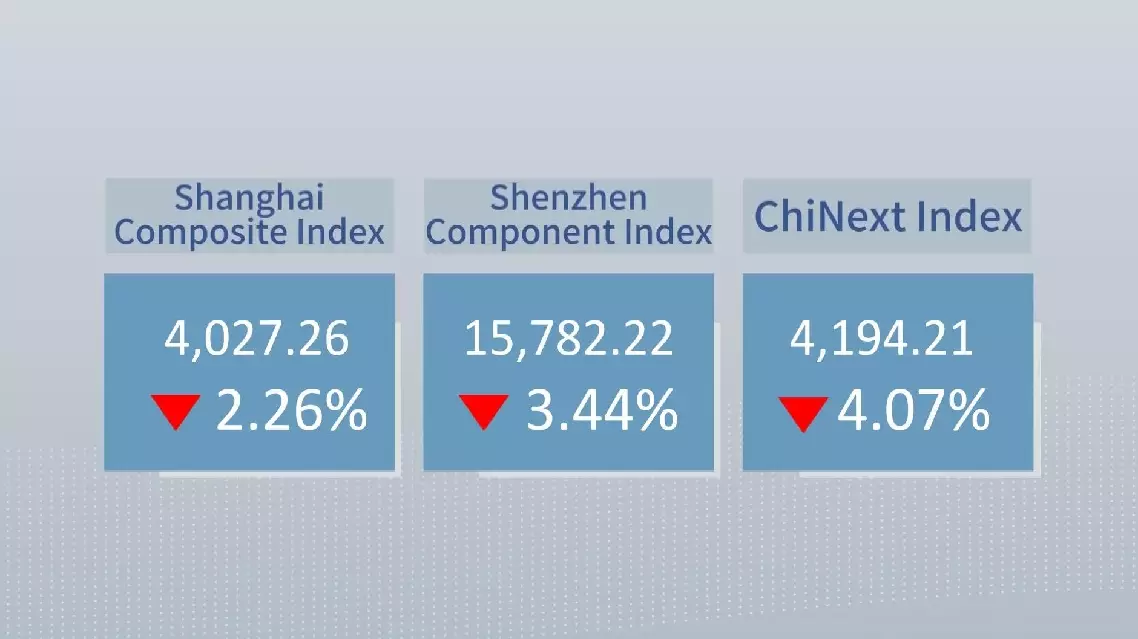
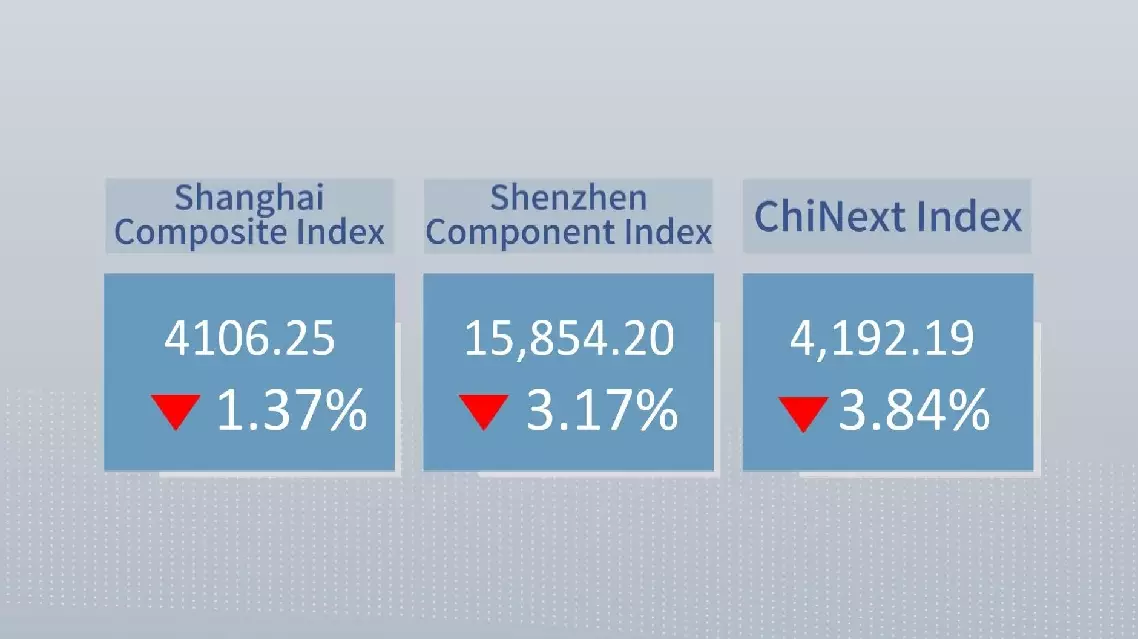
China's stock market collapse in June 2026 creates immediate operational risks for cross-border e-commerce sellers. The MSCI China Index declined 15% (worst performance since 2001), with technology giants Tencent and Alibaba each plunging 29% and collectively erasing $337 billion in market value, according to Bloomberg reporting on June 29-30, 2026. This represents a critical shift from 2025's AI-driven gains, triggered by global AI valuation corrections following OpenAI's IPO delay and hyperscaler spending sustainability concerns. For sellers operating on Chinese platforms (Alibaba, Tencent-backed services) or relying on Chinese suppliers and 3PL logistics partners, this downturn carries three immediate implications: (1) Platform Stability & Fee Risk: Financial stress on Alibaba and Tencent may force fee increases or service reductions to maintain profitability. Sellers should expect potential 5-15% increases in fulfillment fees, storage costs, or transaction charges within 60-90 days as these companies adjust to market pressures. (2) Supply Chain Disruption: The Shanghai Composite Index fell 2.26% on June 27, 2026, with manufacturing PMI concerns signaling softer export demand and potential production delays. Semiconductor stocks (including SMIC) experienced sharp corrections after benefiting from earlier AI infrastructure cycles, indicating reduced capital spending on manufacturing expansion. Sellers sourcing electronics, batteries, and communications equipment from China face 2-4 week lead time extensions and potential price increases of 8-12% as suppliers reduce inventory and tighten payment terms. (3) Supplier Payment Risk: Chinese suppliers facing financial stress may demand advance payments (30-50% upfront vs. typical 20% terms) or shift to shorter payment windows (15 days vs. 30-45 days standard). This increases working capital requirements by $5,000-$50,000 per supplier depending on order volume.
AI-powered competitive advantage emerges through predictive supply chain automation. While markets correct, sellers using AI tools can immediately identify which Chinese suppliers are financially stressed (by analyzing payment delays, order cancellations, and public financial filings) and proactively diversify sourcing to Vietnam, India, or Mexico before competitors face critical shortages. AI-driven demand forecasting can also reveal which product categories will see reduced Chinese consumer spending (luxury electronics, discretionary tech) versus resilient categories (essential batteries, industrial components), allowing sellers to rebalance inventory allocation 4-6 weeks ahead of market-wide corrections. The news indicates that despite short-term volatility, Goldman Sachs and Morgan Stanley project China's economy will remain resilient with 11% A-share profitability growth projected for 2026 (vs. 3.9% in 2025), suggesting medium-term recovery opportunities for sellers who can weather the 2-3 month correction period.
Immediate AI-powered actions for sellers: (1) Deploy AI supplier risk scoring using payment history, financial news sentiment, and customs data to identify which Chinese partners face liquidity stress—this can be automated in 2-3 days using tools like Dun & Bradstreet API + custom ML models. (2) Use dynamic pricing AI to increase prices 3-5% on high-margin categories (electronics, batteries) where Chinese supply is constrained, capturing margin expansion before competitors react. (3) Implement AI-driven inventory rebalancing to shift 20-30% of sourcing from China to alternative suppliers within 30 days, reducing concentration risk. (4) Automate supplier communication workflows to lock in current pricing and payment terms before Q3 renegotiations, saving 5-10 hours/week of manual negotiation.
Questions 8
Should I diversify away from Chinese suppliers due to this market downturn?
Yes, but strategically. The news indicates China's economy will remain resilient with 11% A-share profitability growth projected for 2026 (Goldman Sachs/Morgan Stanley), suggesting medium-term recovery. However, the immediate 2-3 month correction period creates supply chain risk. Shift 20-30% of sourcing to Vietnam, India, or Mexico within 30 days to reduce concentration risk, particularly for electronics, batteries, and communications equipment where Chinese suppliers are experiencing margin pressure. Use AI-driven supplier diversification tools to identify alternative manufacturers with similar quality/cost profiles. This reduces risk without abandoning China's long-term growth potential.
What product categories will see reduced demand from Chinese consumers?
The Shanghai Composite Index fell 2.26% on June 27, 2026, with technology-focused ChiNext declining 4.07%, signaling reduced consumer spending on discretionary tech products. Expect reduced demand for luxury electronics, premium computing devices, and non-essential tech gadgets as Chinese consumers reduce spending during economic uncertainty. However, essential categories like batteries, industrial components, and communications equipment remain resilient due to manufacturing sector support. Use AI demand forecasting to analyze search trends and sales velocity in China-focused categories to identify which products will see 10-20% demand declines vs. stable/growing categories. Rebalance inventory allocation 4-6 weeks ahead of market-wide corrections.