



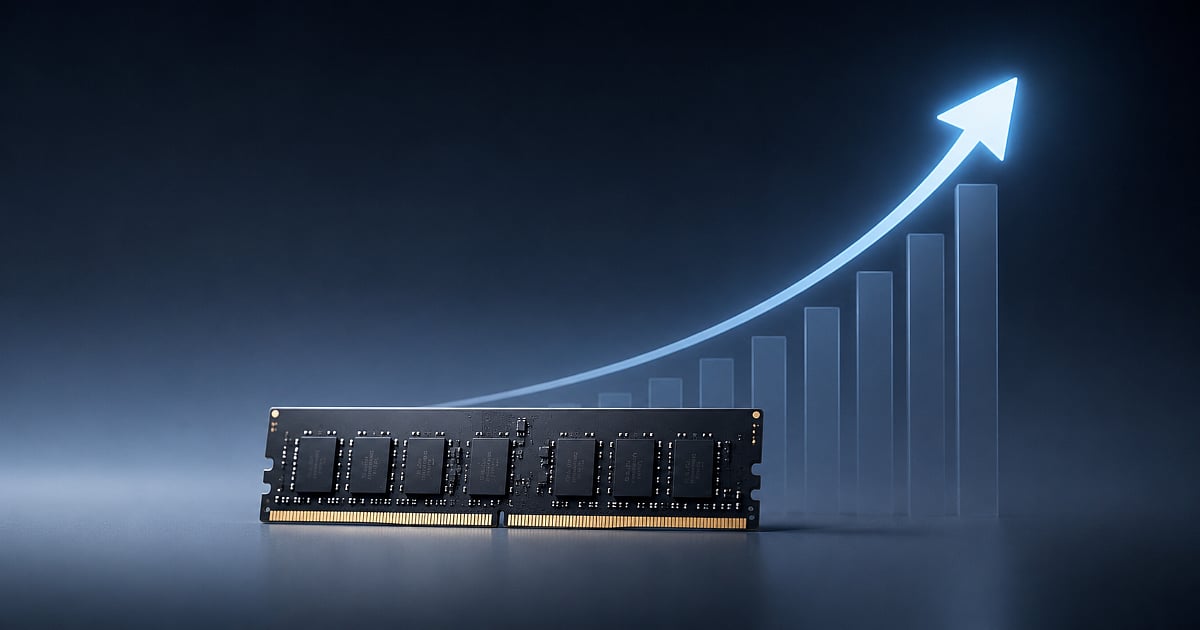
AI Memory Shortage Drives $200+ Price Hikes | Consumer Electronics Sellers Face 2027-2028 Supply Crisis
- Memory chip shortage extends through 2028, forcing Apple/Microsoft price increases up to $200-$300; sellers of refurbished electronics, gaming consoles, and laptops must adjust sourcing strategies immediately


)



Overview
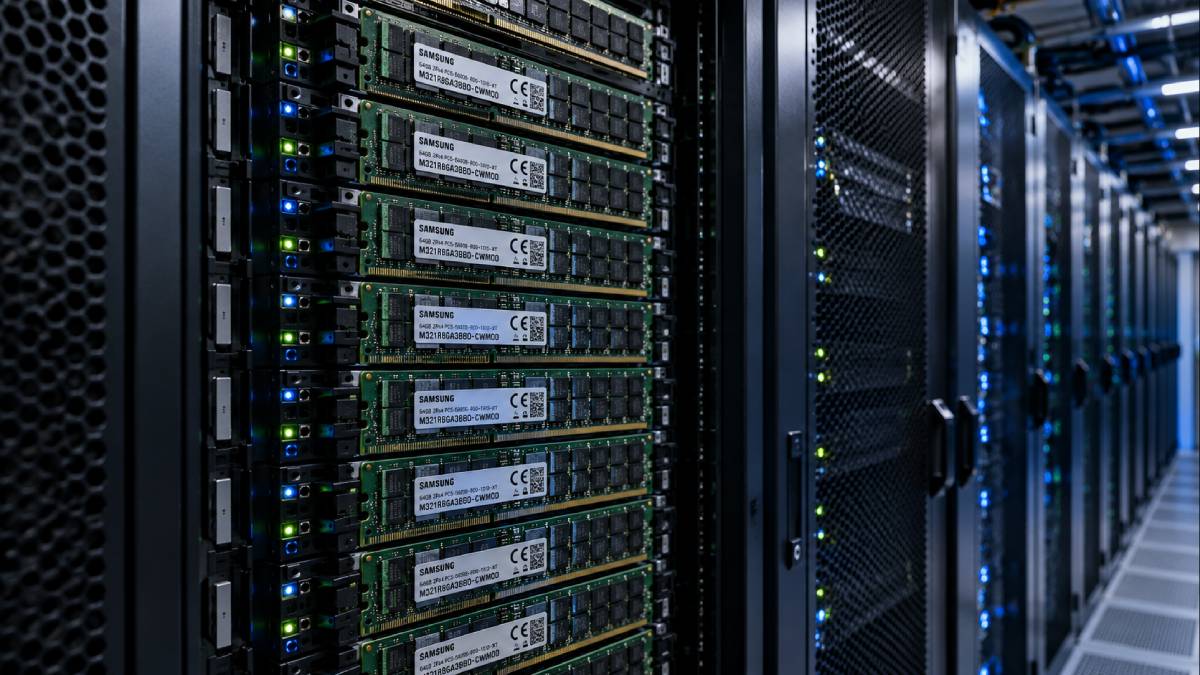
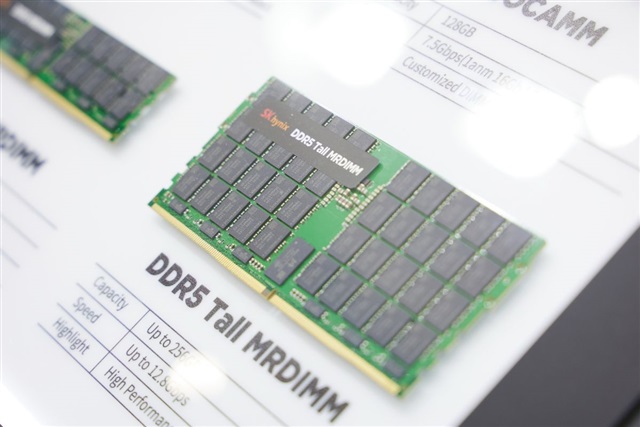
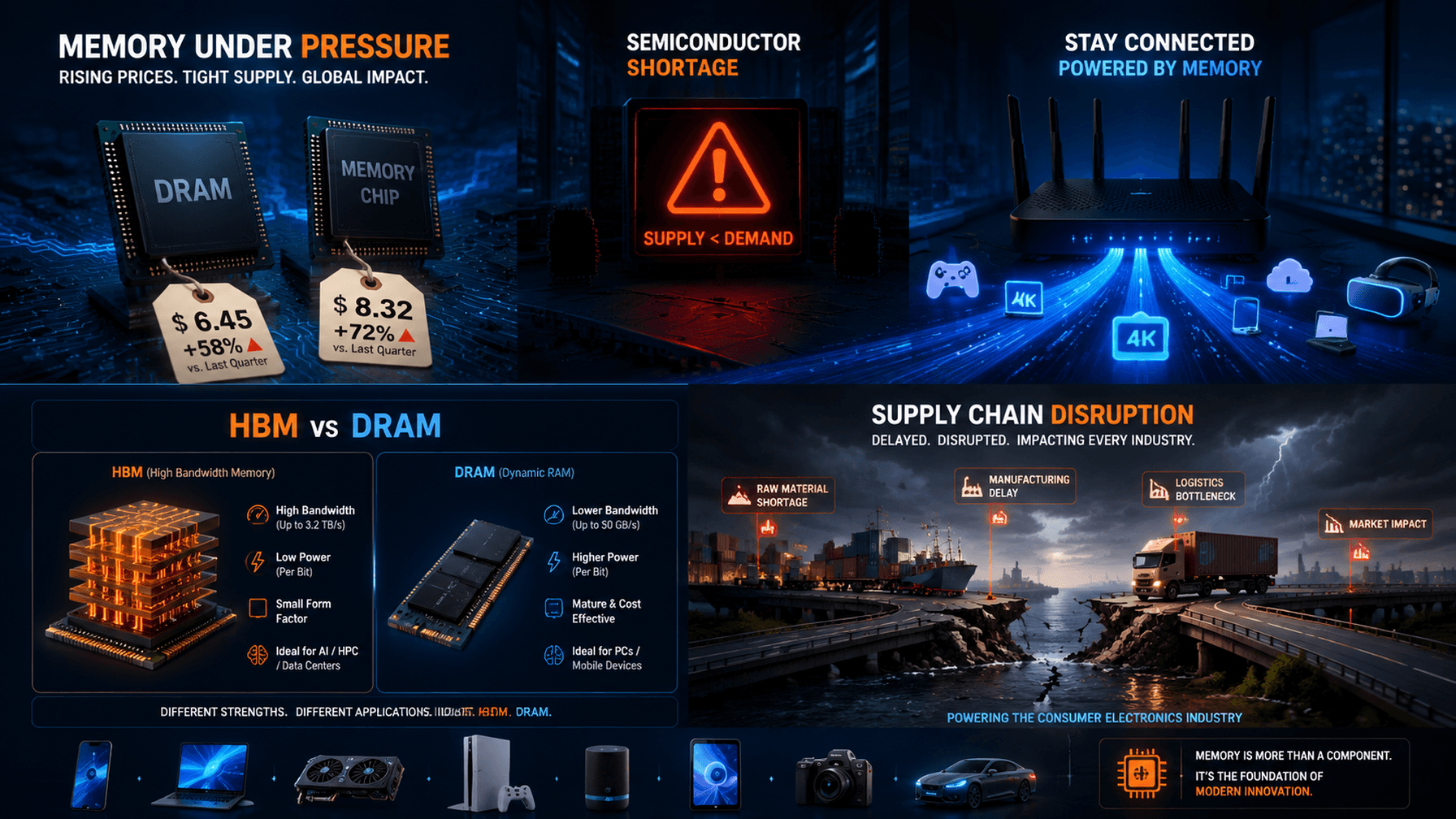
The AI boom has created an unprecedented memory chip shortage that will reshape consumer electronics pricing through 2028, directly impacting e-commerce sellers across multiple categories. The shortage stems from hyperscalers (data center operators) outbidding traditional PC, console, and consumer device manufacturers for limited DRAM and high-bandwidth memory (HBM) supplies. Industry experts warn relief won't arrive until mid-2027 at the earliest, with new fabrication capacity delivering meaningful volume only after that timeline. Apple has already implemented price increases up to $200 across MacBooks and iPads, while Microsoft's Xbox pricing has climbed from $499 toward $799—signals that supply constraints are trickling down to consumer electronics manufacturers and creating cascading cost pressures.
For e-commerce sellers, this shortage creates three critical operational challenges: First, sourcing costs for refurbished electronics, gaming consoles, laptops, and tablets will remain elevated through 2027-2028. The three dominant memory suppliers—SK Hynix, Micron, and Samsung—have minimal financial incentive to expand capacity quickly, as current demand allows them to maintain premium pricing. Micron has locked 16 companies into five-year supply contracts, further constraining market availability for independent sellers. Second, consumer demand will shift toward lower-memory configurations and older models as buyers resist premium pricing. Third, sellers must navigate dynamic pricing from suppliers who are issuing "take-it-or-leave-it" ultimatums, as reported by Valve and other manufacturers. Apple's ability to secure advance supply for iPhones, Watches, and AirPods explains their current price stability, but this advantage is unavailable to most third-party sellers.
The strategic opportunity lies in repositioning inventory and pricing strategies. Sellers of refurbished electronics should prioritize acquiring inventory before Q2 2025 while prices remain relatively stable, then implement dynamic pricing strategies that reflect the extended shortage timeline. Gaming console sellers face particular pressure as Xbox pricing climbs toward $799, creating margin compression unless they adjust positioning toward budget-conscious segments or bundle complementary products. Laptop and tablet sellers should monitor Apple's September 2025 product announcements closely—expensive new models are expected, which will further constrain supply of current-generation devices and create arbitrage opportunities in secondary markets. The shortage represents an unintended consequence of the AI boom, where data center operators' massive memory requirements for training and inference tasks have fundamentally altered semiconductor market dynamics. Industry analysts estimate that nearly 60% of S&P 500 earnings growth this quarter comes from AI infrastructure stocks, underscoring the sector's dominance over consumer electronics in supplier prioritization.
Questions 8
How long will the memory chip shortage impact consumer electronics pricing?
Industry experts warn the shortage will persist through 2027-2028, with new fabrication capacity delivering meaningful volume only after mid-2027. Apple has already raised prices up to $200 across MacBooks and iPads, while Microsoft's Xbox pricing has climbed from $499 toward $799. The three dominant suppliers—SK Hynix, Micron, and Samsung—have minimal incentive to expand capacity quickly since current demand allows them to maintain premium pricing. Sellers should plan inventory and pricing strategies assuming elevated costs through at least Q4 2027.
What compliance or contractual risks should sellers monitor regarding supply contracts?
Micron has locked 16 companies into five-year supply contracts with fixed pricing, creating a two-tier market where contracted suppliers have cost advantages over independent sellers. Sellers should review any existing supply agreements for memory-intensive products and assess whether renegotiation is possible before 2027. Avoid long-term fixed-price contracts with suppliers during this shortage period, as memory costs will likely remain elevated through 2027-2028. Monitor supplier communications for take-it-or-leave-it pricing ultimatums and maintain relationships with multiple suppliers to avoid dependency on single sources. Consider joining industry coalitions advocating for supply chain transparency, as Valve and other manufacturers have done.