




AI Investment Bubble Risk Threatens E-Commerce Financing | Seller Liquidity Crisis Ahead
- BIS warns $7.6 trillion AI capex boom could trigger 2031 bust; private credit market stress threatens 3PL funding and seller working capital availability






Overview
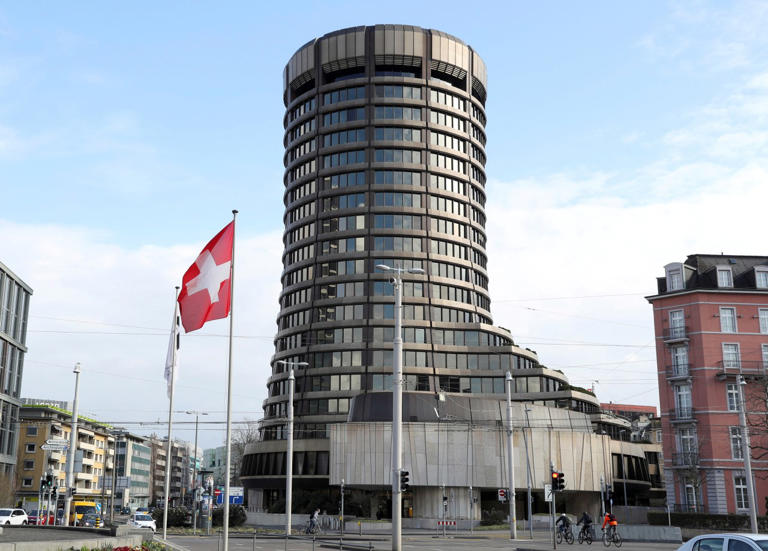
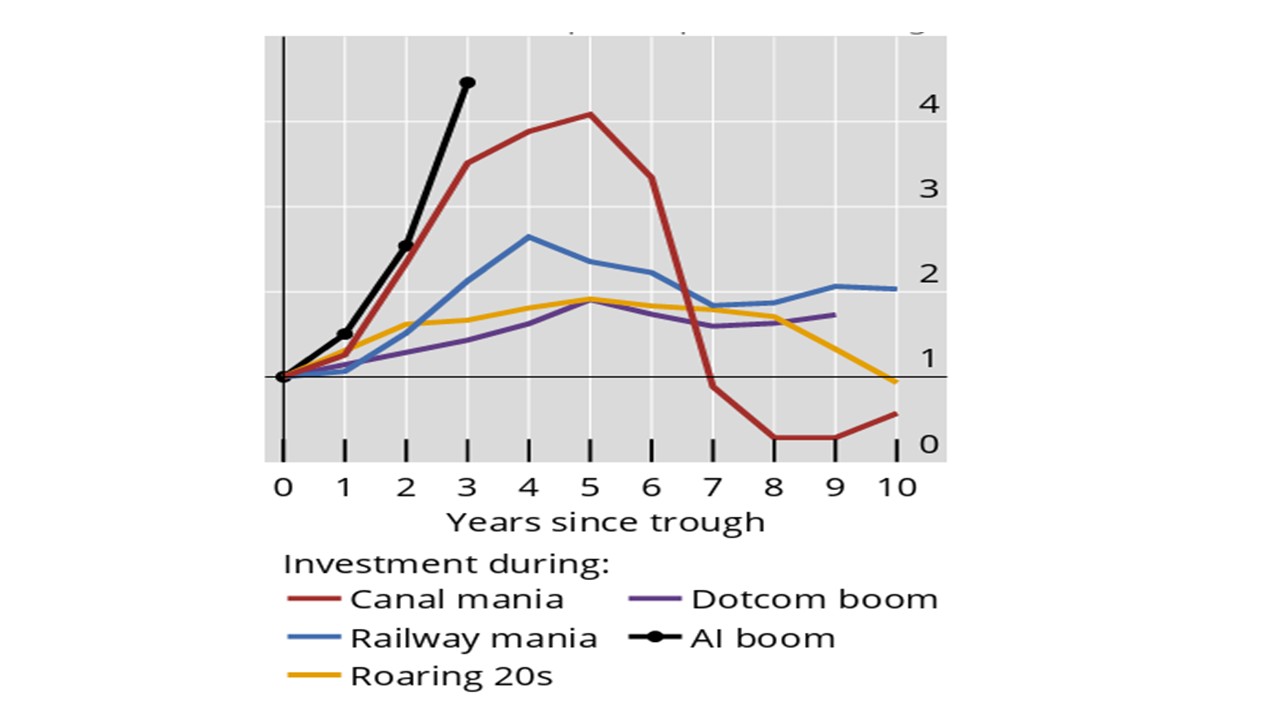
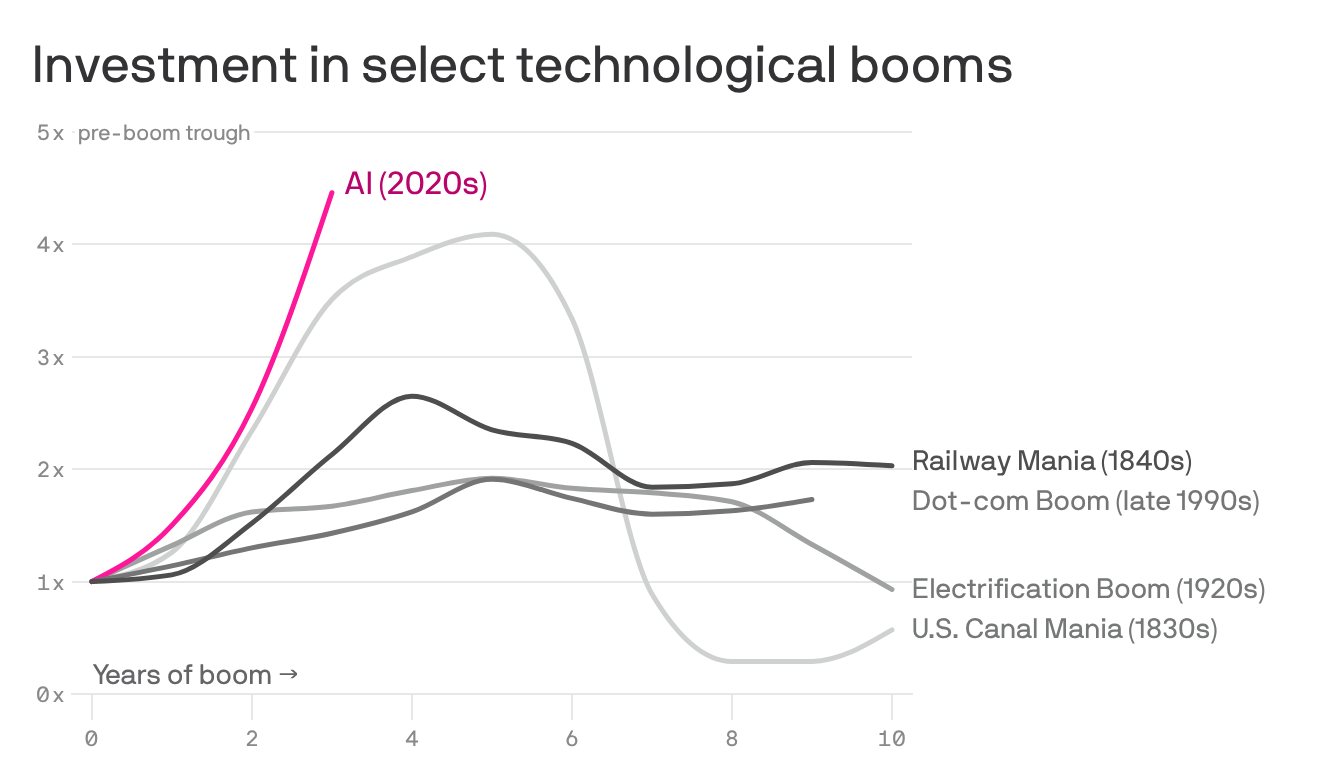
The Bank for International Settlements (BIS) has issued a critical macroeconomic warning that directly threatens e-commerce seller financing and operational stability. The BIS analysis, published June 30, 2026, compares today's $1 trillion annual AI infrastructure spending to historical bubbles (canals, railroads, internet) that preceded major recessions. Goldman Sachs projects cumulative AI capex by five hyperscalers could reach $7.6 trillion by 2031, creating unprecedented concentration risk in the financial system.
For e-commerce sellers, the immediate threat is financing collapse. The BIS identifies three cascading risks: (1) If AI productivity returns disappoint, hyperscalers will slash capex, forcing suppliers and lenders to absorb massive debt; (2) This stress propagates through the fast-growing private credit market, where direct lending funds already face redemption pressures from AI-exposed borrowers—exactly the lenders funding 3PL expansion, inventory financing, and seller working capital lines; (3) A U.S. stock market correction driven by AI repricing could trigger global wealth destruction, reducing consumer purchasing power and collapsing e-commerce demand simultaneously with financing withdrawal.
The operational impact is severe and immediate. Private credit lenders currently fund 40-60% of 3PL expansion and seller inventory financing. If these funds face redemption pressures (as BIS warns), sellers will experience: (a) Working capital line freezes (30-60 day delays in approval/renewal), (b) Inventory financing rate spikes (200-400 basis points increase), (c) 3PL capacity constraints (reduced fulfillment availability as providers can't expand), (d) Supplier payment term compression (net-30 becomes net-15 as suppliers hedge risk). The BIS specifically warns that "sudden financing pullbacks could transform the current capex boom into a prolonged investment bust with significant knock-on effects for financial conditions."
Sellers face a dual demand-supply shock. The BIS identifies an extreme but plausible scenario where AI labor displacement reduces worker income toward zero, eliminating purchasing power needed to justify capacity expansion. This means sellers could simultaneously face: (1) Demand collapse (consumer spending drops 15-25% in recession scenario), (2) Financing withdrawal (credit lines frozen or recalled), (3) Inventory overhang (unsold stock from pre-bust overexpansion), (4) Margin compression (forced discounting to clear inventory). The concentration risk is acute—today's AI ecosystem comprises hyperscalers, suppliers, and private lenders interconnected through debt and complex financing arrangements. If hyperscalers reduce spending, suppliers that expanded to meet demand could struggle servicing accumulated debt, with stress propagating through the private credit market.
Immediate seller actions are critical. The BIS analysis suggests this cycle could peak within 12-24 months before reversing. Sellers should: (1) Stress-test financing (model scenarios with 50% working capital line reduction), (2) Diversify lenders (reduce dependence on single private credit provider), (3) Reduce inventory leverage (shift from 60-70% inventory financing to 40-50%), (4) Accelerate cash conversion (reduce inventory holding periods by 20-30 days), (5) Build cash reserves (target 90-120 days operating expenses vs. current 30-60 days). The Deutsche Bank survey shows lowest bubble risk perception for Magnificent Seven stocks since 2021, but this complacency masks underlying financial fragility. U.S. chipmaker stocks rallied 75% in Q2 2026, but valuations remain historically contained—suggesting market is pricing in eventual correction. Sellers should treat this as a 12-18 month window to strengthen balance sheets before potential financing crisis.
Questions 8
What are the specific risks to 3PL providers and how does this affect seller fulfillment?
3PL providers currently funded by private credit will face severe constraints if the AI bubble bursts. The BIS warns that if hyperscalers reduce capex, suppliers that expanded to meet demand will struggle servicing accumulated debt. 3PLs expanded capacity 30-50% in 2024-2026 expecting continued growth; if demand collapses 15-25%, they'll face utilization crises and potential insolvency. Sellers will experience: (1) Reduced fulfillment capacity (providers prioritize existing contracts), (2) Rate increases (providers raise prices to improve margins), (3) Service degradation (providers reduce service levels to cut costs), (4) Potential provider failures (smaller 3PLs may collapse). Sellers should: diversify across 2-3 3PL providers, negotiate fixed-rate contracts NOW before rates spike, reduce inventory stored at single provider by 30-40%, and develop contingency fulfillment plans with alternative providers.
How does the AI bubble risk affect cross-border sellers and international expansion plans?
The BIS emphasizes that a U.S. stock market correction driven by AI repricing poses global risks—since U.S. equities represent an outsized share of global markets, wealth destruction spreads internationally. Cross-border sellers face: (1) Reduced consumer purchasing power in developed markets (US, EU, Japan), (2) Currency volatility as capital flows reverse, (3) Financing withdrawal from international lenders (many funded by U.S. private credit), (4) Tariff/trade policy uncertainty as governments respond to recession. Sellers should: (1) Reduce exposure to discretionary categories in developed markets, (2) Shift inventory toward emerging markets with lower AI exposure (Southeast Asia, India, Latin America), (3) Lock in currency hedges for major trading pairs, (4) Avoid major international expansion until financing stabilizes. The BIS warns of 'cascading financial system effects'—international sellers face higher risk than domestic-only sellers.