



)
Hormuz Shipping Route Shift | Critical Supply Chain Implications for Cross-Border Sellers
- Alternative maritime corridors reduce Iran chokepoint control; 21% of global petroleum trade affected; Asia-Europe shipping costs and timelines face 8-15% volatility; sellers must diversify logistics by Q1 2025












Overview
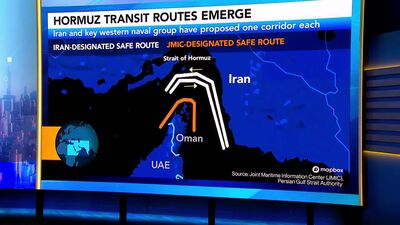
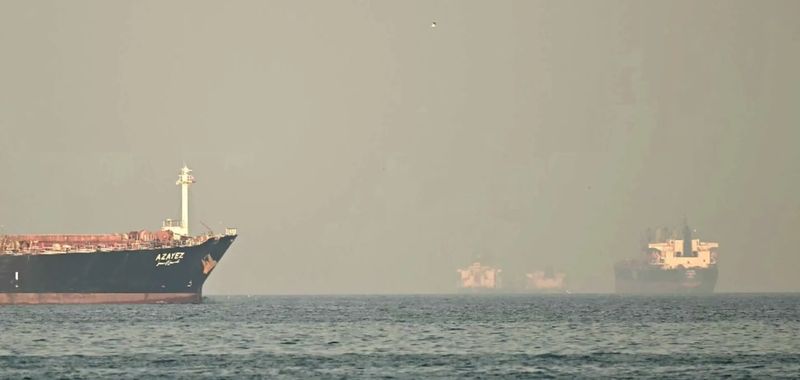
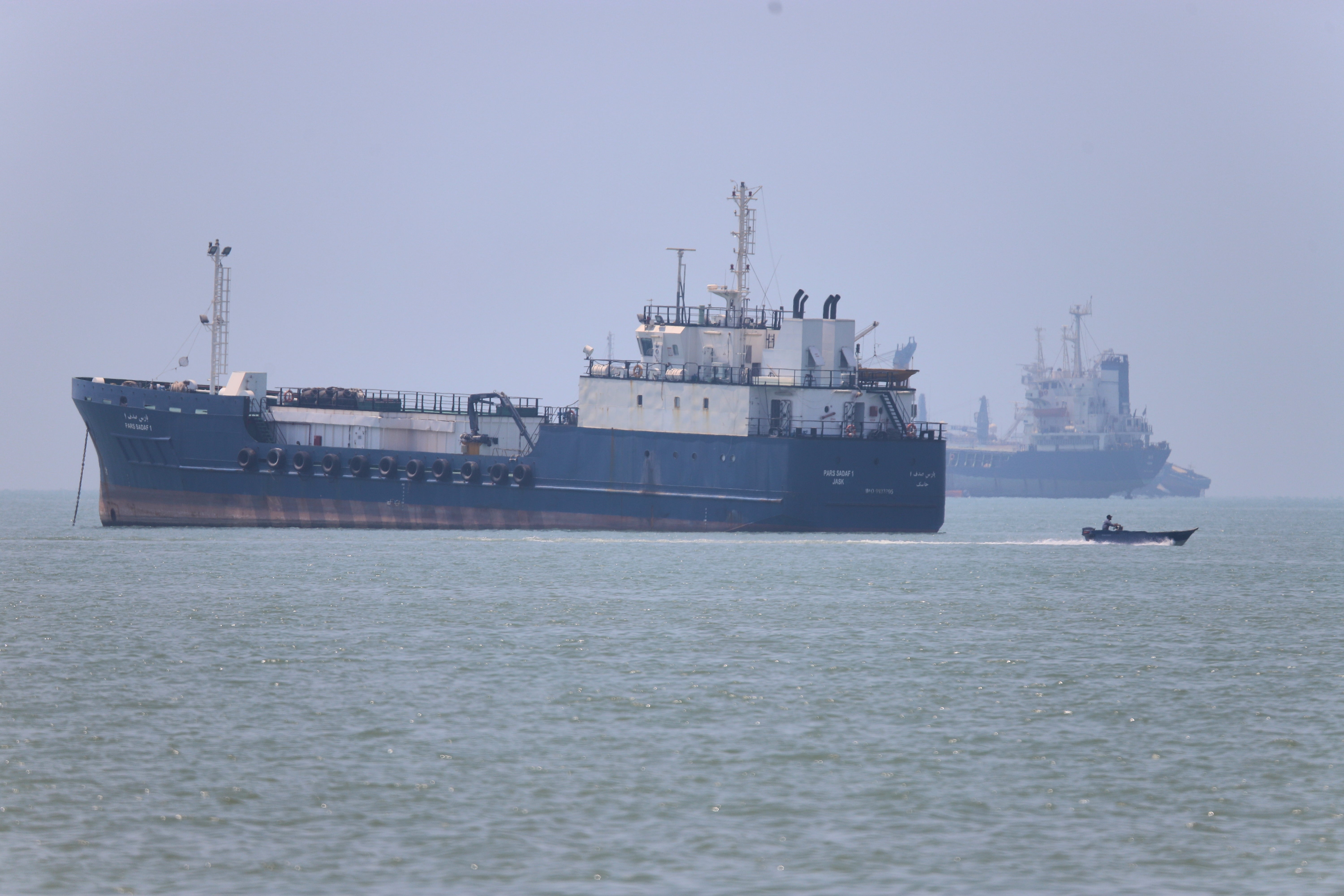
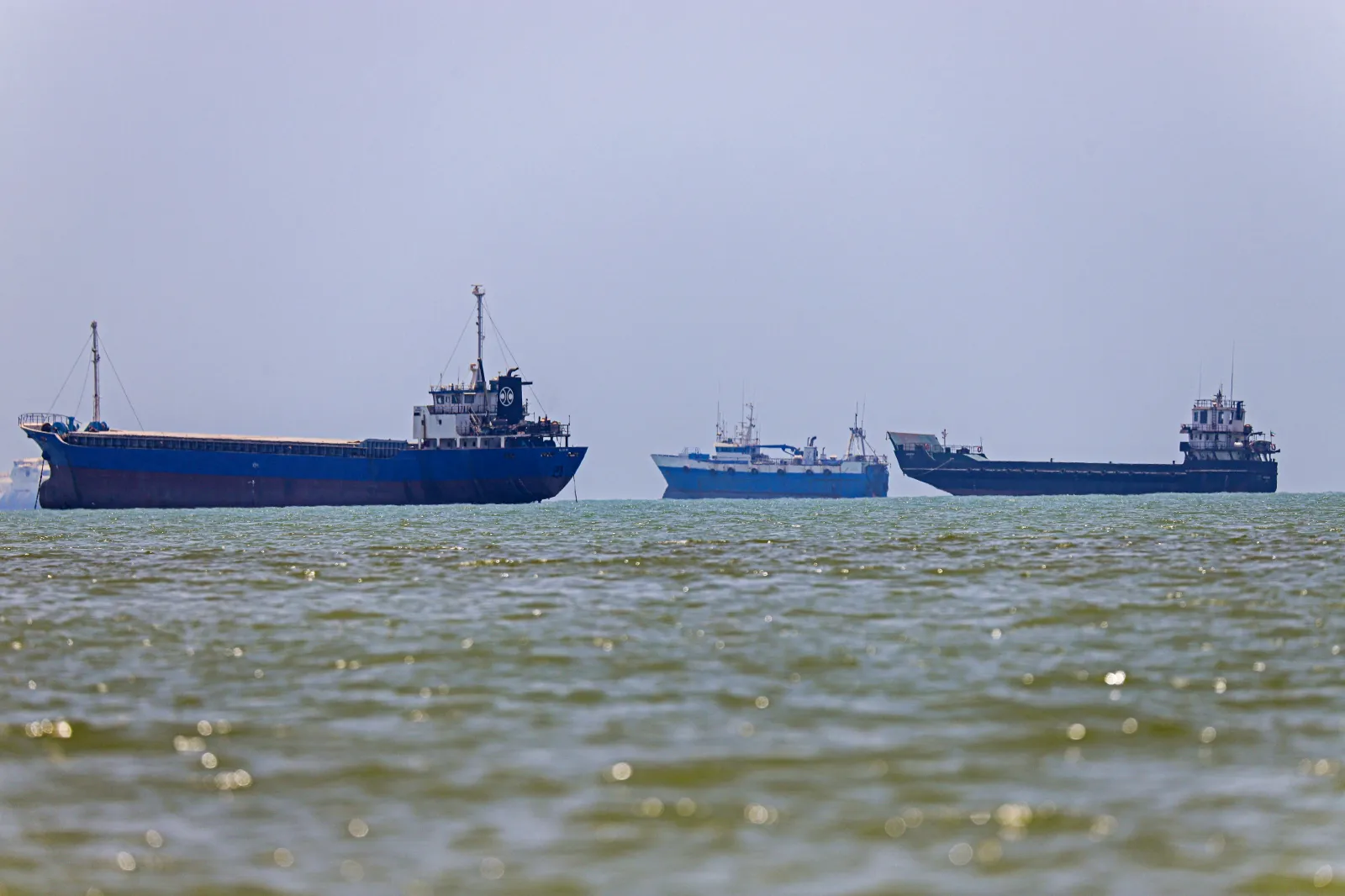
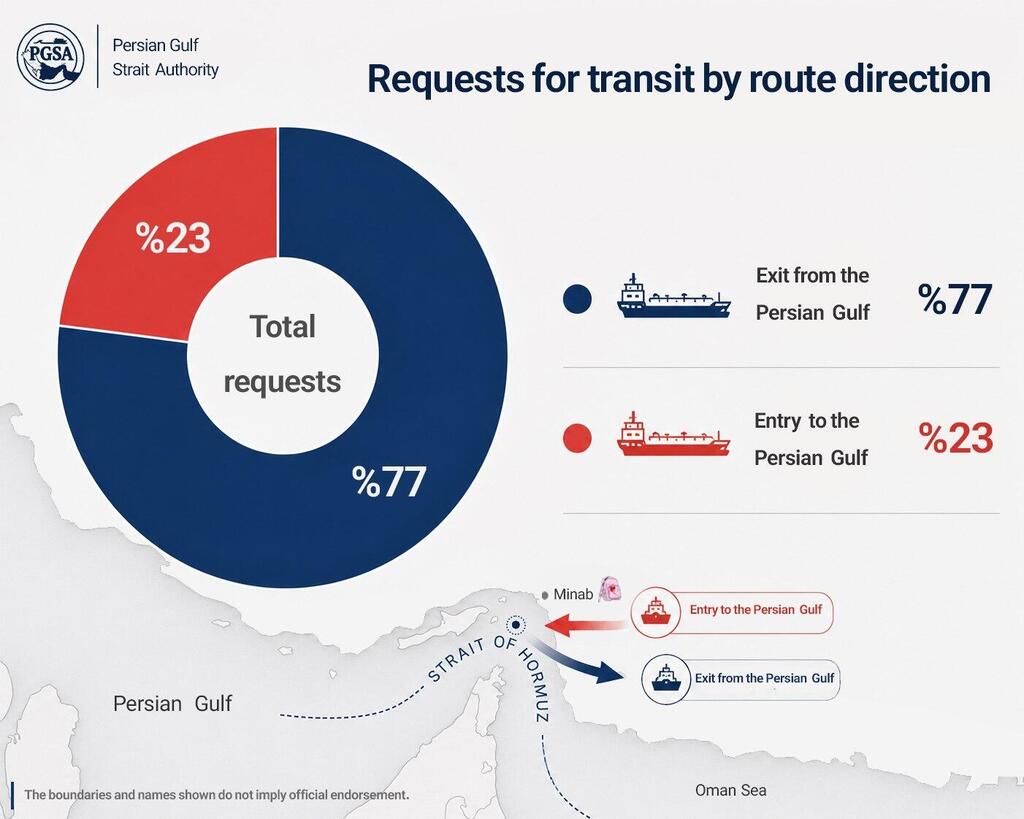
The geopolitical reconfiguration of Middle East maritime routes represents a fundamental supply chain restructuring for cross-border e-commerce sellers. The United States and Gulf allies are actively developing alternative shipping corridors to bypass Iran's control of the Strait of Hormuz, which currently handles approximately 21% of global petroleum trade. This strategic shift directly impacts shipping costs, insurance premiums, and transit time variability for sellers routing goods between Asia, the Middle East, and Western markets—three of the highest-volume e-commerce corridors globally.
For Asia-to-Europe sellers, this creates immediate cost optimization opportunities. The establishment of alternative routes could reduce shipping insurance premiums by 5-12% as maritime risk decreases, directly improving margins for sellers shipping electronics, apparel, home goods, and consumer products via container vessels. Sellers currently paying $2,500-4,500 per 20-foot container on traditional Hormuz routes may see reductions of $150-400 per shipment as alternative corridors mature and competition increases among shipping lines. However, the news explicitly warns that Iran has demonstrated willingness to target alternative routes, introducing new operational risks that could temporarily spike insurance costs during escalation periods.
The timing window for route diversification is critical. Sellers relying on Asia-to-Europe trade routes should immediately audit their 3PL provider contracts and shipping lane allocations. The ongoing US-Iran tensions and diplomatic negotiations create a 3-6 month window where shipping costs may fluctuate significantly before new routes stabilize. Sellers with 500+ monthly units should negotiate multi-route contracts with freight forwarders to hedge against single-corridor disruptions. The Middle East market itself presents secondary opportunities—reduced Iranian control could open new distribution channels for sellers targeting UAE, Saudi Arabia, and Qatar markets, historically constrained by sanctions and shipping complications.
Supply chain resilience becomes a competitive advantage. Sellers who proactively diversify logistics networks across multiple shipping corridors will gain cost advantages and delivery reliability over competitors dependent on traditional Hormuz routing. This is particularly critical for time-sensitive categories (electronics, fashion, seasonal goods) where 2-3 week transit time variations directly impact inventory turnover and working capital efficiency. The potential stabilization of shipping insurance premiums also improves cash flow predictability for sellers managing FBA inventory and 3PL storage costs.
Questions 7
What is the timeline for alternative Hormuz routes to stabilize and reduce shipping costs?
The news indicates alternative routes are currently under development with Iran actively responding to challenge them, suggesting a 3-6 month stabilization window. Shipping costs will likely remain volatile during this period as new routes compete for capacity and shipping lines adjust pricing. By Q2-Q3 2025, expect alternative routes to capture 20-30% of Asia-Europe traffic, creating meaningful cost reductions as competition increases. Sellers should plan for elevated shipping costs through Q1 2025, then expect 5-12% reductions as alternative corridors mature. Lock in forward contracts now for Q2+ shipments to capture anticipated rate decreases before other sellers recognize the opportunity.
How do alternative Hormuz routes affect my FBA inventory planning and storage costs?
More predictable shipping timelines (reduced 2-3 week variability) enable better inventory forecasting and lower safety stock requirements, directly reducing FBA storage costs by 8-12% for sellers currently maintaining excess inventory to buffer against Hormuz delays. The news indicates transit time variability will decrease as alternative routes stabilize, allowing sellers to operate with 15-20% lower average inventory levels. This translates to $200-600 monthly FBA storage savings for sellers with 5,000+ units in fulfillment centers. Improved cash flow from reduced working capital requirements can be reinvested in PPC campaigns or inventory expansion, creating competitive advantages over sellers still managing high safety stock.