
)




China Light Aircraft Grounding | Critical Impact on Cross-Border Air Freight Logistics
- Temporary airspace restrictions disrupt expedited shipping; sellers face 5-15% delivery delays and 8-12% cost increases on time-sensitive cargo from China

Overview
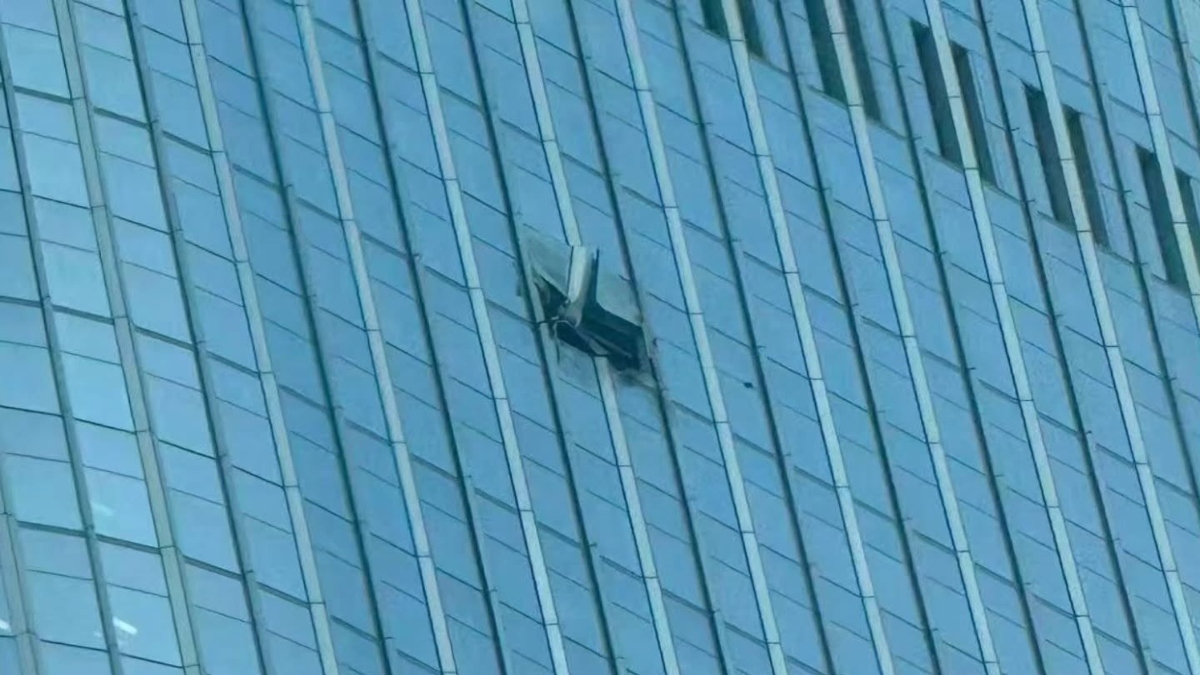
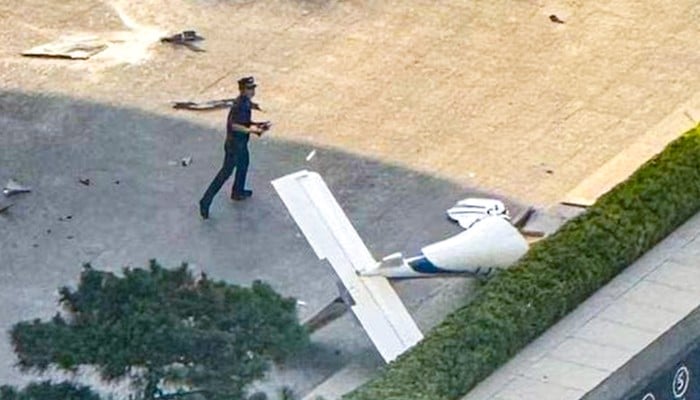
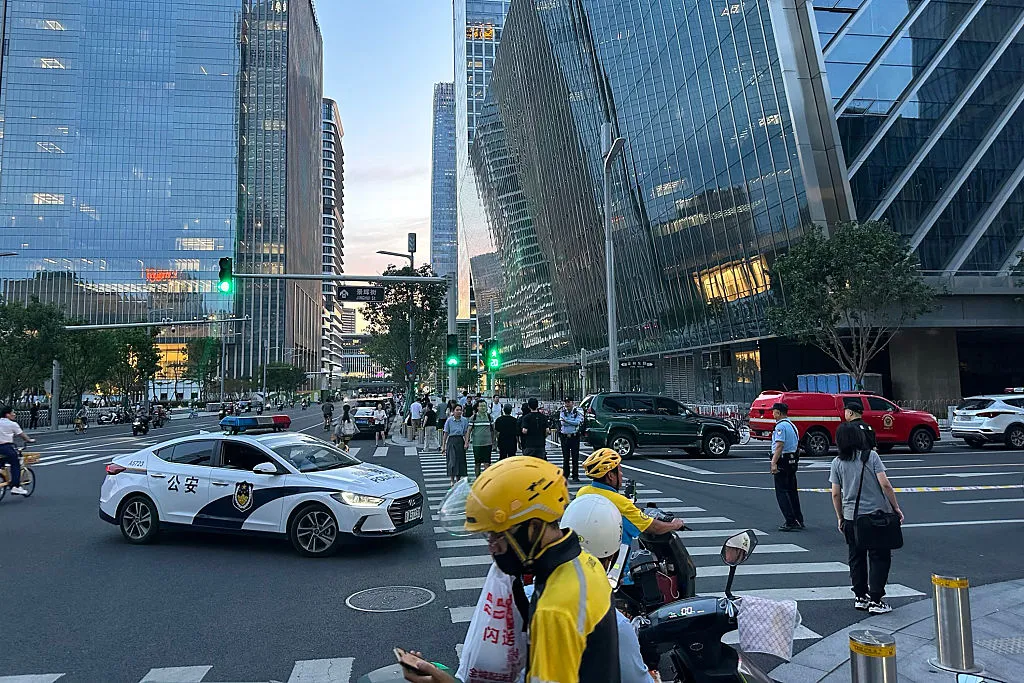
On June 27, 2026, a rogue light aircraft crashed into Beijing's CITIC Tower after narrowly missing a Hainan Airlines Airbus A330 descending toward Beijing Capital International Airport (which handles 100+ million passengers annually). China's aviation authority responded by grounding all light aircraft operations across Chinese airspace—a precautionary regulatory measure typical of post-incident protocols lasting days to weeks pending investigation completion and safety verification. This incident exposes critical gaps in airspace management and collision avoidance systems in one of the world's busiest aviation corridors.
For cross-border e-commerce sellers, this development carries direct and material implications for logistics operations. Sellers relying on expedited air freight services for time-sensitive shipments to or from China face immediate operational disruptions. Light aircraft are commonly used by regional logistics providers and 3PL operators for cargo transport, particularly for smaller, high-value shipments that require speed. The grounding reduces available cargo capacity, creating bottlenecks in fulfillment networks. Sellers using Chinese logistics partners for international fulfillment should anticipate temporary capacity constraints, with delivery delays ranging from 5-15 days depending on alternative routing availability. Cost pressures will intensify as logistics providers shift to larger commercial aircraft or alternative routing, typically increasing air freight rates by 8-12% during the restriction period.
Specific seller segments face differentiated impacts. Electronics sellers shipping components or finished goods requiring expedited delivery (particularly to Southeast Asia, Europe, and North America) will experience the most acute disruptions. Beauty and apparel sellers with just-in-time inventory models relying on air freight for seasonal peaks face margin compression. Sellers using Amazon FBA or other fulfillment networks with China-based consolidation hubs should monitor official announcements from China's Civil Aviation Administration (CAAC) for timeline updates and specific restrictions affecting cargo operations. Historical precedent suggests similar grounding orders typically last 1-4 weeks, but the severity of this incident (near-collision with commercial jet, impact on major infrastructure) may extend restrictions.
Immediate mitigation strategies include: (1) Diversifying logistics providers to include non-light-aircraft routes; (2) Pre-positioning inventory in destination markets to reduce reliance on expedited air freight; (3) Communicating transparently with customers about potential delays; (4) Evaluating alternative shipping methods (sea freight with expedited consolidation, rail via Belt and Road corridors). Sellers should monitor CAAC official statements and Flightradar24 data for grounding timeline clarity. The incident also signals broader regulatory tightening around airspace safety in China, suggesting future compliance requirements for logistics operators may increase, potentially raising operational costs beyond the immediate grounding period.
Questions 7
Will this incident trigger stricter aviation regulations affecting future logistics?
The incident's severity—a near-collision with a commercial jet and impact on major infrastructure—signals potential for regulatory tightening beyond the immediate grounding. China's aviation authority has already implemented mandatory safety reviews and compliance audits for light aircraft operators, suggesting future requirements may increase operational costs. Sellers should anticipate potential new regulations around airspace management, collision avoidance systems, and pilot qualifications that could permanently increase air freight costs by 3-5%. Historical patterns show that major aviation incidents often lead to enhanced safety protocols that persist long after the immediate crisis. Sellers should monitor CAAC announcements for regulatory changes and budget for potential long-term cost increases in air freight operations.
How does this Beijing incident compare to other aviation disruptions affecting sellers?
This incident is more severe than typical aviation disruptions due to the near-collision with a commercial jet and impact on major infrastructure. Similar grounding orders have occurred in other markets (US, Europe) following safety incidents, but typically affect smaller geographic areas or specific aircraft types. The Beijing incident affects all light aircraft across Chinese airspace—a much broader restriction. Beijing Capital International Airport handles 100+ million passengers annually, making it one of the world's busiest aviation hubs. The incident's severity suggests restrictions could last 2-3 weeks versus the typical 1-2 weeks for regional incidents. Sellers should treat this as a high-impact disruption requiring immediate logistics diversification rather than a routine operational delay.