






Japan's Economic Resilience Signals Potential Monetary Shift and Global Market Implications
- Tankan Survey Reveals Robust Business Sentiment Amid Inflationary Pressures and Policy Uncertainty
























Overview
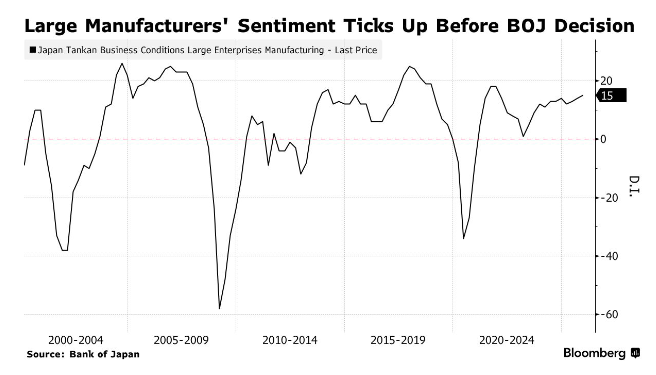
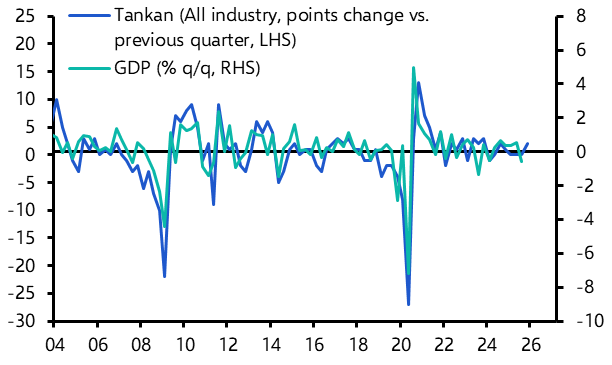
The Japanese economic landscape is experiencing a nuanced transformation, with the Tankan survey providing critical insights into the nation's business ecosystem and potential monetary policy trajectory. At the core of this development is a surprising display of business resilience, where large manufacturers and non-manufacturing firms demonstrate unexpected confidence despite ongoing economic uncertainties.
Key economic indicators reveal a complex narrative of strategic adaptation. Large firms across industries are planning a 12.6% average increase in capital expenditure, signaling a robust investment appetite that defies previous policy ambiguities. This commitment to investment is particularly noteworthy, suggesting that Japanese businesses perceive underlying economic stability and growth potential.
Inflation dynamics emerge as a critical focal point, with businesses anticipating a 2.4% inflation rate over the next five years—meaningfully exceeding the Bank of Japan's (BoJ) 2.0% target. Manufacturers' input and output price indices show continued inflationary pressures, with input prices rising 2 points to 40 and output prices increasing 1 point to 25. These metrics indicate a sophisticated economic recalibration, where businesses are proactively adjusting to potential monetary policy shifts.
The wage-setting landscape adds another layer of complexity. Most companies plan to maintain similar wage levels in fiscal year 2026, driven by strategic workforce retention and motivation amid persistent labor shortages. However, this wage stability is tempered by cautious profit expectations, partially influenced by potential US tariff impacts—highlighting the intricate global interconnectedness of economic decision-making.
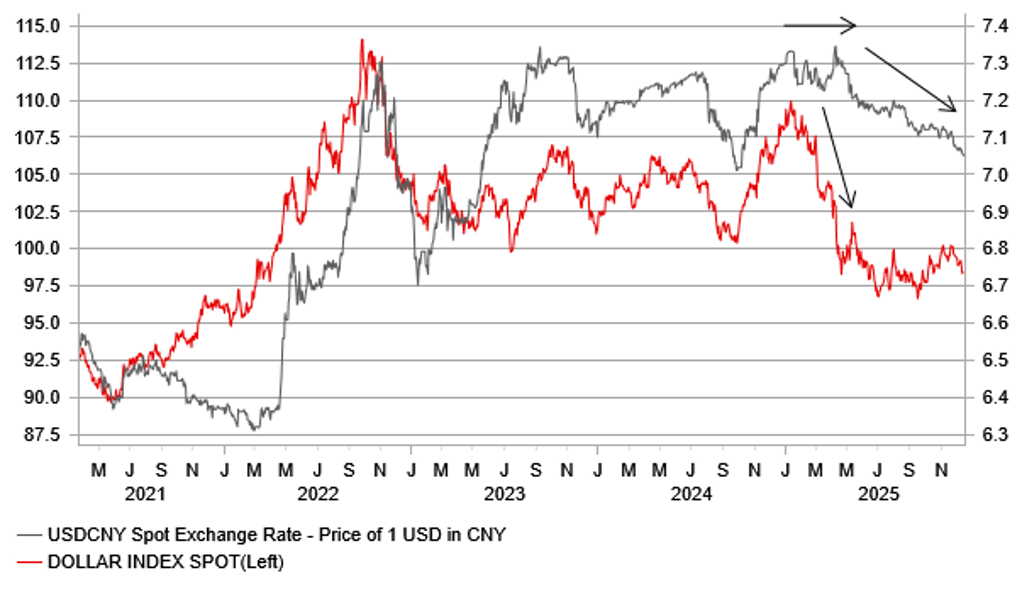
The comprehensive data strongly suggests the BoJ is positioned to proceed with rate hikes, with the yen already showing strength in anticipation of the upcoming policy meeting. This potential monetary policy evolution represents more than a technical adjustment; it signals a broader structural transformation in Japan's economic approach, balancing domestic resilience with global economic considerations.
For global market participants, these developments underscore the importance of nuanced, adaptive strategies. The Japanese economic model is demonstrating remarkable flexibility—maintaining investment momentum, managing inflationary expectations, and preparing for potential monetary policy transitions with calculated precision.
Questions 4
What does the Tankan survey reveal about Japanese business confidence?
The survey shows remarkable resilience, with large manufacturers' confidence rising 1 point to 15 in Q4 and non-manufacturing firms maintaining steady confidence at 34. Notably, firms are planning a 12.6% average increase in capital expenditure, indicating strong investment appetite despite economic uncertainties.
How are inflation expectations shaping economic strategy in Japan?
Businesses anticipate a 2.4% inflation rate in five years, exceeding the BoJ's 2.0% target. Manufacturers' input and output price indices show continued inflationary pressures, suggesting businesses are proactively adjusting strategies to manage potential monetary policy shifts.