

/Apple%20Inc%20logo%20on%20Apple%20store-by%20PhillDanze%20via%20iStock.jpg)
Memory Chip Shortage Drives Hardware Price Surge | E-Commerce Cost Inflation 2025-2026
- Apple MacBook prices jump $100, Xbox increases $100-$150 by August 2026; sellers face 8-15% COGS increases on electronics inventory










Overview
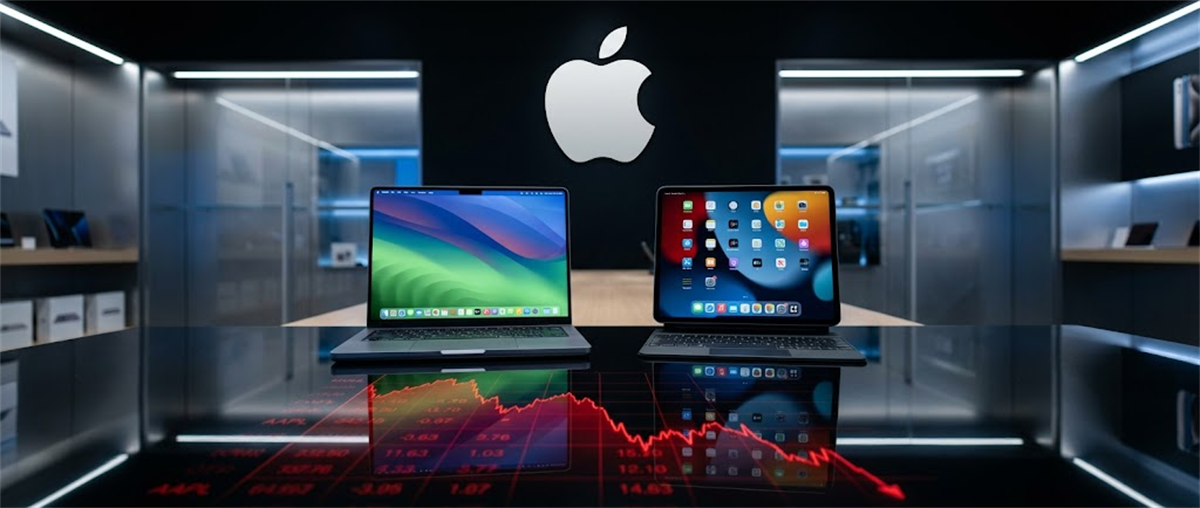
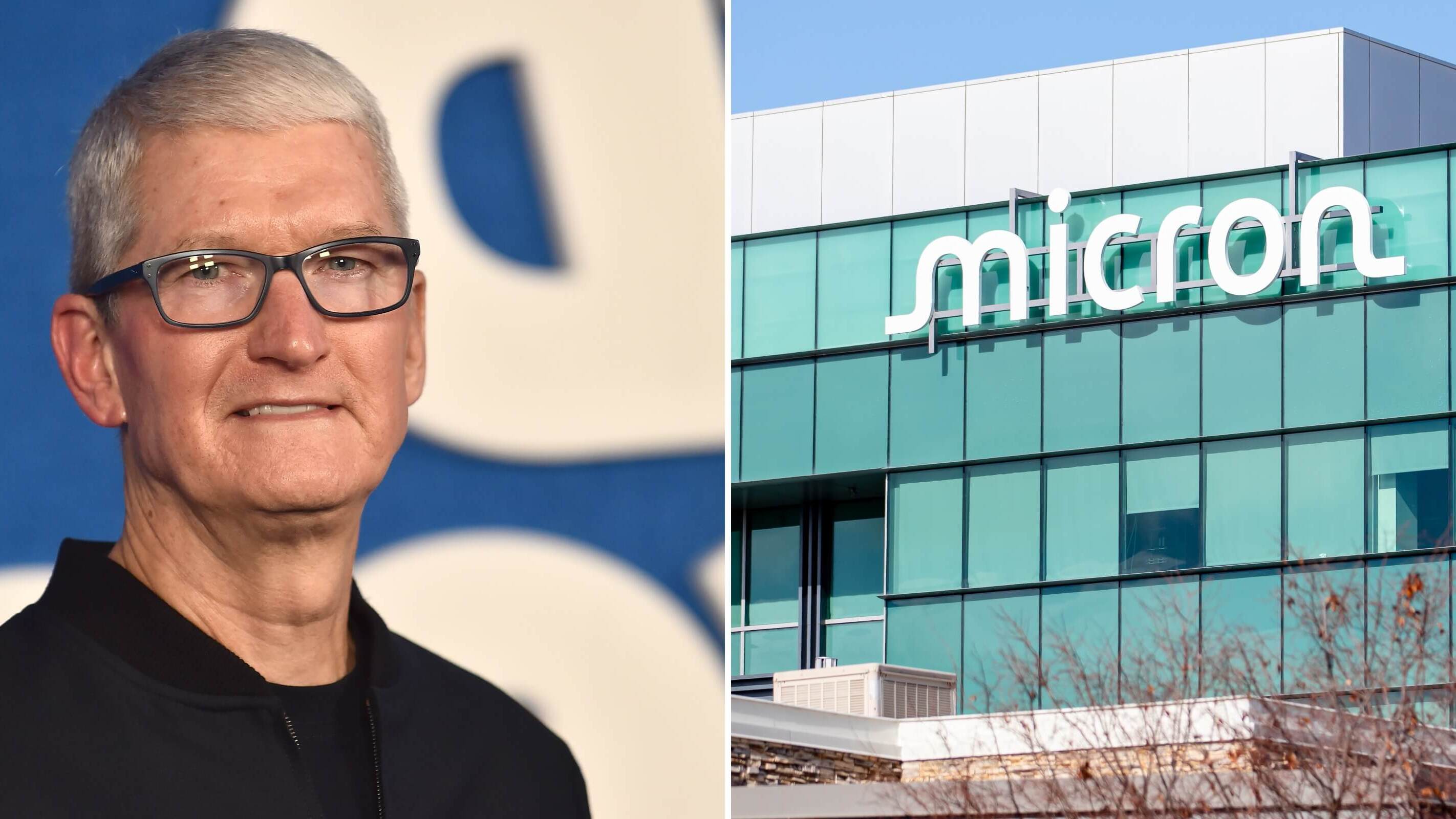
The global memory chip shortage is creating unprecedented cost pressures across consumer electronics, directly impacting e-commerce sellers' product sourcing and pricing strategies. On June 25, 2025, Apple raised iPad and MacBook prices due to skyrocketing memory chip costs, with the MacBook Neo jumping from $599 to $699—a $100 increase that signals broader supply chain disruption. Microsoft simultaneously announced Xbox console price increases of $100-$150 starting August 2026, while phasing out the 2TB model. CEO Tim Cook described the situation as a "hundred-year flood" in commodity pricing, indicating volatility unseen in his 40-year career.
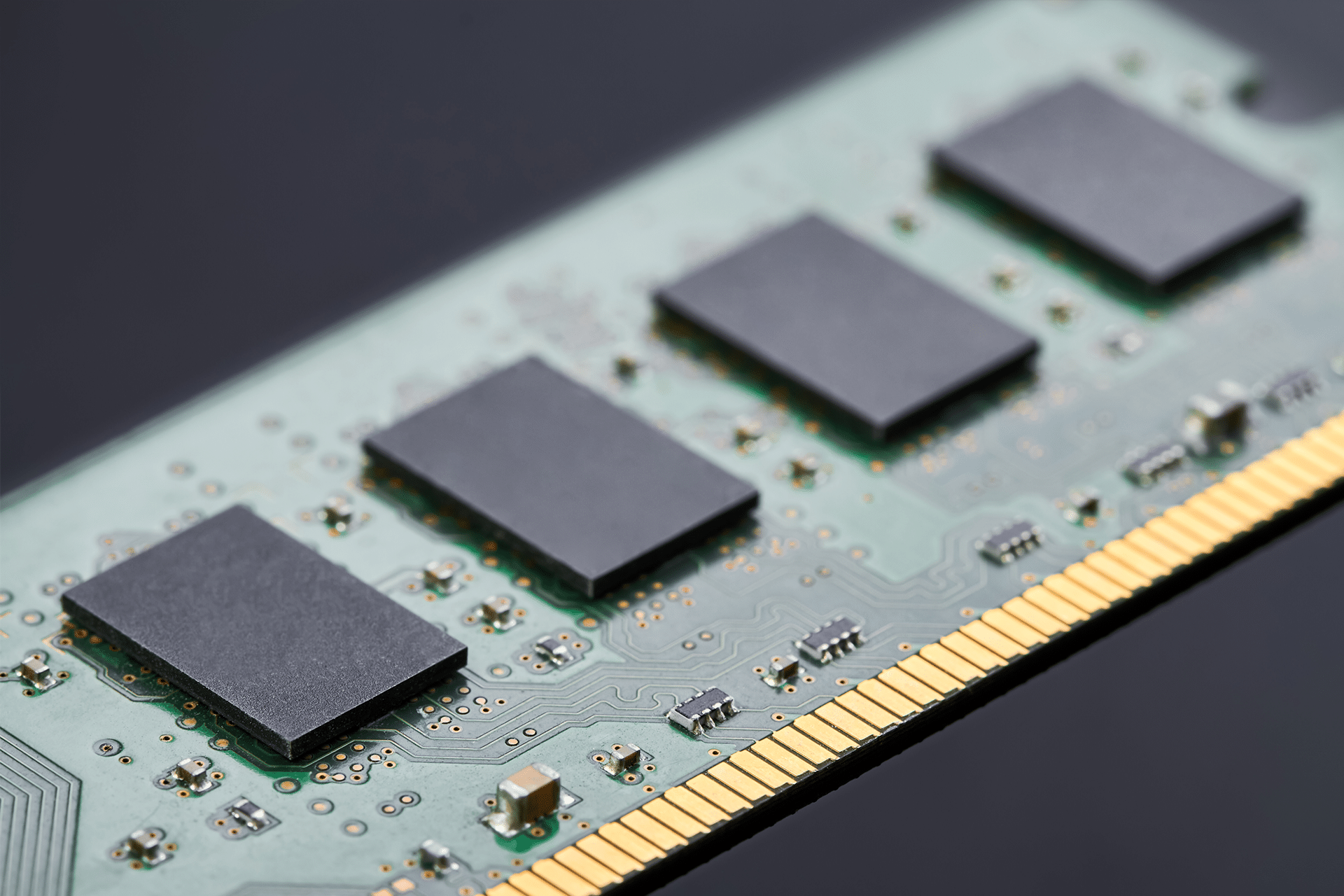
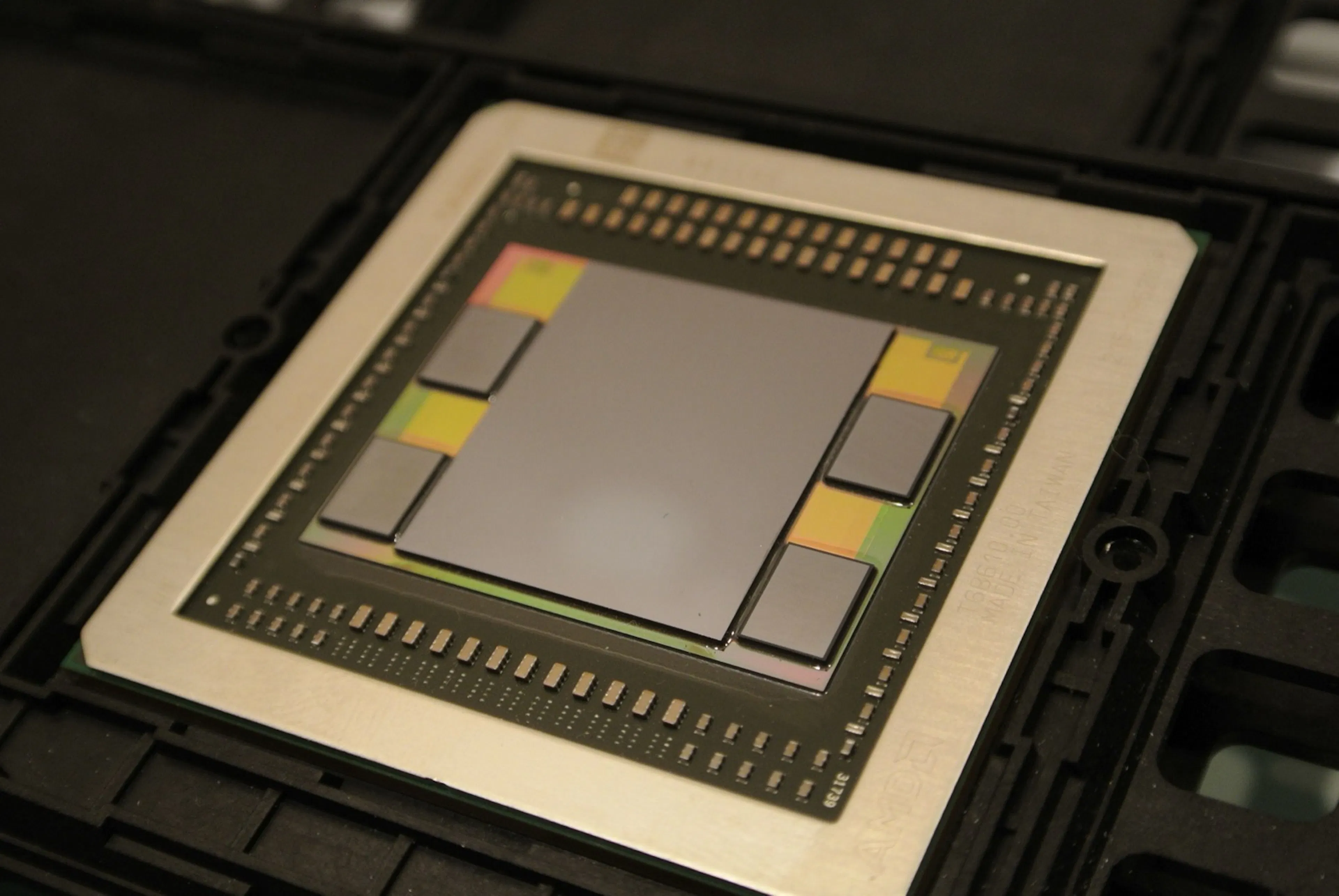
The root cause stems from hyperscalers' massive data center buildout requiring specialized high-bandwidth memory (HBM). Samsung, SK Hynix, and Micron have redirected production from standard DRAM to HBM, creating artificial scarcity that cascades through consumer electronics supply chains. Micron's Q3 fiscal 2026 results reveal the cartel dynamics: 345.8% year-over-year revenue increase and 84.6% GAAP gross margin (rising to 86% next quarter), with 16 non-cancelable three-to-five-year strategic contracts cementing supply control across data center, consumer, and automotive segments.
For e-commerce sellers, this creates immediate operational challenges. Electronics category sellers (laptops, tablets, gaming consoles, smart devices) face 8-15% cost-of-goods-sold (COGS) increases as manufacturers pass through memory costs. Sellers relying on Amazon FBA or 3PL fulfillment for electronics inventory must recalculate profit margins and adjust pricing strategies before Q3 2025. The macroeconomic headwinds extend beyond hardware: OpenAI's net losses surged from $5.09 billion (2024) to $38.53 billion (2025), and the company postponed its IPO to 2027, signaling that AI software companies are cutting capital expenditure on infrastructure. This reduced AI spending will slow demand for data center equipment, potentially easing memory prices in 12-18 months—but sellers must navigate the interim period with higher input costs and compressed margins.
Questions 8
How does the AI bubble collapse affect long-term e-commerce pricing strategy?
The AI industry's unsustainable economics (OpenAI lost $38.53 billion in 2025 despite $5B+ revenue) indicate that aggressive AI infrastructure spending will moderate by 2027. This means HBM demand will decline, eventually easing memory prices. Sellers should adopt a two-phase pricing strategy: Phase 1 (2025-2026) maintain elevated prices to offset current COGS increases and build cash reserves. Phase 2 (2027+) prepare for margin expansion as memory costs normalize. Avoid aggressive price wars during Phase 1; instead, focus on inventory turnover and cash flow. Position your business to capitalize on Phase 2 by building brand loyalty and market share now, so you can increase margins when memory costs fall. Monitor OpenAI's financial disclosures and data center spending announcements as leading indicators of when the memory shortage will ease.
Should sellers reduce electronics inventory or increase prices immediately?
Implement a balanced approach: increase prices 5-8% immediately on high-margin SKUs (laptops, tablets, gaming consoles) while maintaining competitive pricing on volume drivers. For FBA sellers, reduce inventory of slow-moving memory-intensive products to minimize storage fees (which increase with product weight/size). Accelerate turnover on existing stock before August 2026 (when Xbox prices increase, signaling broader price hikes). For new inventory purchases, negotiate with suppliers for volume discounts to offset COGS increases, or shift to just-in-time sourcing to avoid holding expensive inventory. Avoid aggressive inventory buildup until memory prices stabilize in 2027. Use AI-powered demand forecasting tools to optimize inventory levels by SKU, focusing capital on fast-moving, higher-margin products.