



Russia War Fatigue Signals Consumer Sentiment Shift | Seller Market Implications
- Political messaging pivot reveals declining public support for conflict; impacts Russian consumer spending patterns and cross-border seller strategies in Eastern European markets


Overview
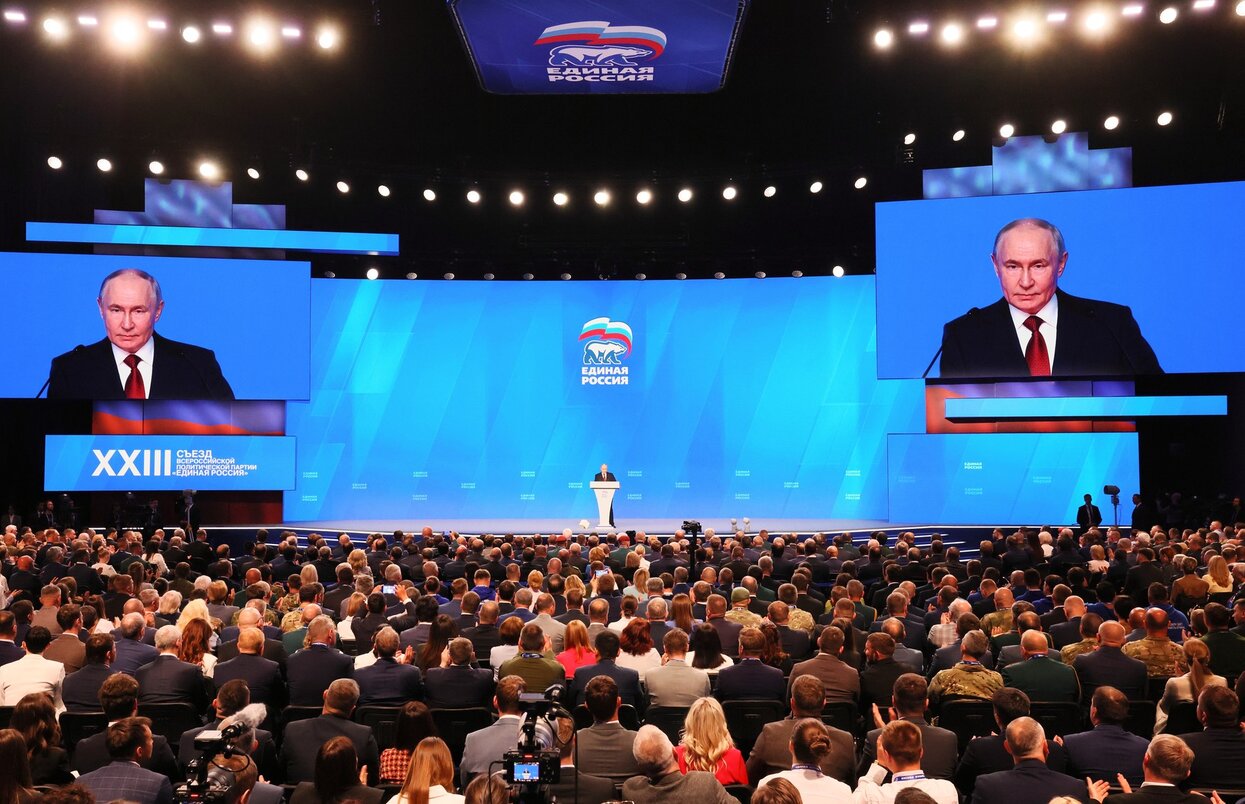
Russia's political establishment is recalibrating its public messaging around the Ukraine conflict, signaling a critical shift in domestic consumer sentiment that carries direct implications for cross-border e-commerce sellers targeting Russian and Eastern European markets. The exclusion of Dmitry Medvedev—a prominent pro-war figure—from the United Russia party's top election candidates (September 2024/2025) reflects Kremlin recognition that "war fatigue" has become a liability with voters. According to reporting from Meduza and TASS, the Kremlin's political bloc determined that Medvedev's aggressive pro-war stance conflicted with public exhaustion over the conflict, making him a drag on party performance targets. Instead, the party elevated Foreign Minister Sergei Lavrov and Moscow Mayor Sergei Sobyanin, alongside nearly 500 war veterans (representing one-third of all nominees), signaling a strategic pivot toward "stability" and "national unity" messaging rather than continued military escalation rhetoric.
This political recalibration directly impacts consumer behavior and market dynamics in Russia and neighboring regions. War fatigue correlates with reduced discretionary spending, shifting consumer priorities toward essential goods, home improvement, and family-focused products rather than luxury categories. Sellers operating on Amazon, eBay, Shopify, and regional platforms like Yandex.Market and Wildberries should anticipate demand compression in non-essential categories (fashion, electronics, luxury goods) while observing potential growth in home goods, DIY supplies, children's products, and wellness categories—areas aligned with the Kremlin's new emphasis on domestic stability and family values. The political messaging shift also suggests potential regulatory changes favoring domestic producers and state-aligned businesses, creating compliance risks for foreign sellers and potential tariff/import restrictions on Western goods.
The strategic elevation of war veterans into governance positions (nearly 500 candidates fielded across federal and regional elections) signals long-term institutional changes affecting business regulation and consumer policy. Veterans-led administrations may prioritize domestic manufacturing incentives, import restrictions, and nationalist economic policies that disadvantage foreign e-commerce sellers. Moscow Mayor Sergei Sobyanin's prominence in the candidate slate is particularly significant—his administrative control over Russia's largest consumer market (12+ million residents) suggests potential policy shifts affecting logistics, taxation, and platform operations in the capital region. Sellers should monitor regulatory developments in Moscow and regional administrations for changes to VAT compliance, customs procedures, and platform licensing requirements. The Kremlin's deliberate strategy to integrate military personnel into governance structures indicates a longer-term institutional shift toward nationalist economic policies, potentially including restrictions on foreign platform operations or increased compliance burdens for cross-border sellers.
Questions 8
Should sellers exit Russian markets entirely given geopolitical risks and regulatory uncertainty?
Complete market exit is not recommended, but strategic repositioning is essential. Russia remains a $50B+ e-commerce market with 90+ million internet users, offering significant revenue opportunities despite geopolitical risks. Instead of exiting, sellers should: (1) Diversify across multiple regional markets (Belarus, Kazakhstan, Ukraine post-conflict) to reduce Russia concentration; (2) Focus on essential/home goods categories with lower regulatory risk; (3) Maintain compliance flexibility to adapt to emerging policies; (4) Monitor geopolitical developments quarterly and adjust exposure based on risk assessments. Sellers with 20-30% of revenue from Russian markets should consider reducing exposure to 10-15% over 12 months, while those with lower exposure can maintain current levels with enhanced compliance monitoring.
How do sanctions and import restrictions affect cross-border seller operations in Russia?
Existing Western sanctions limit direct payment processing and logistics options for cross-border sellers, requiring use of alternative payment gateways (Yandex.Kassa, Sberbank) and regional logistics providers. The Kremlin's nationalist policy shift may accelerate import restrictions on Western goods, particularly in luxury and technology categories. Sellers should expect customs clearance delays of 15-30 days (versus 5-10 days historically) and potential tariff increases of 5-15% on imported goods. Maintain relationships with Russian customs brokers and regional logistics providers to navigate evolving restrictions. Consider sourcing products from non-sanctioned countries (China, India, Turkey) to reduce compliance friction. Monitor Russian Federal Customs Service announcements monthly for tariff and restriction updates.