

Ukraine Drone Campaign Disrupts Russian Energy | Supply Chain Risk for Global Sellers
- Escalating strikes on refineries and shadow fleet tankers signal geopolitical volatility affecting energy costs, logistics routes, and compliance frameworks for cross-border sellers















Overview
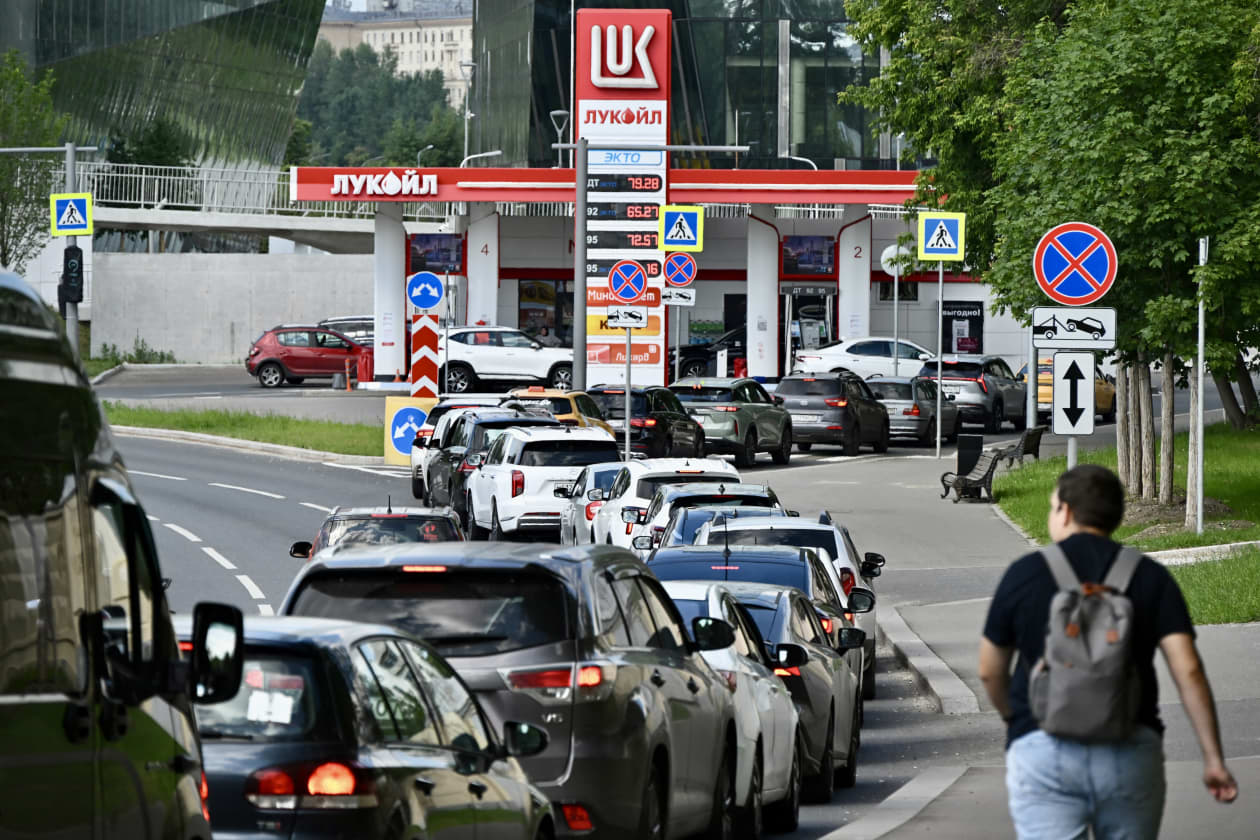
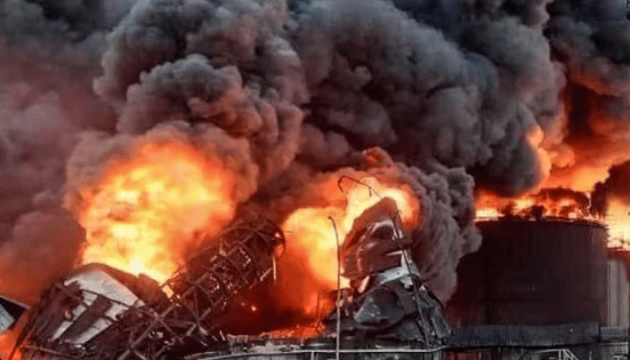
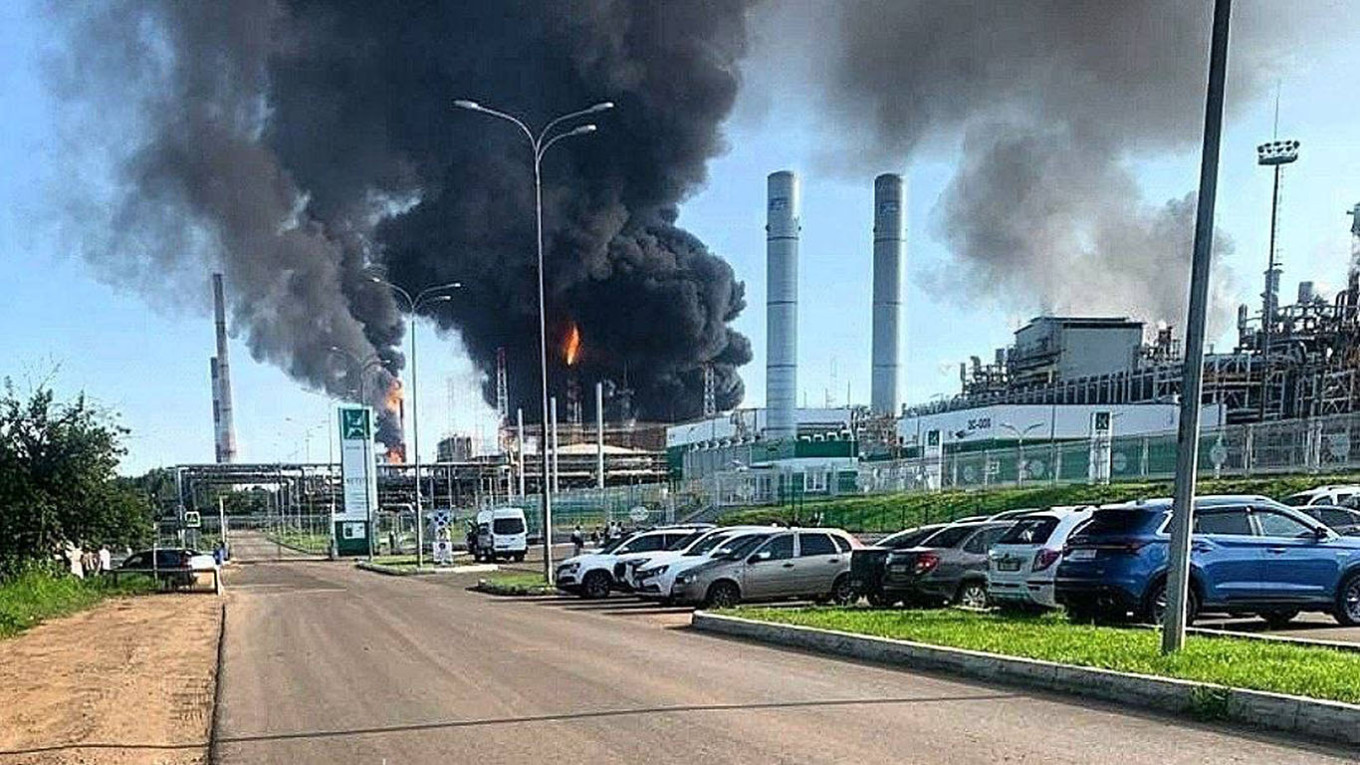
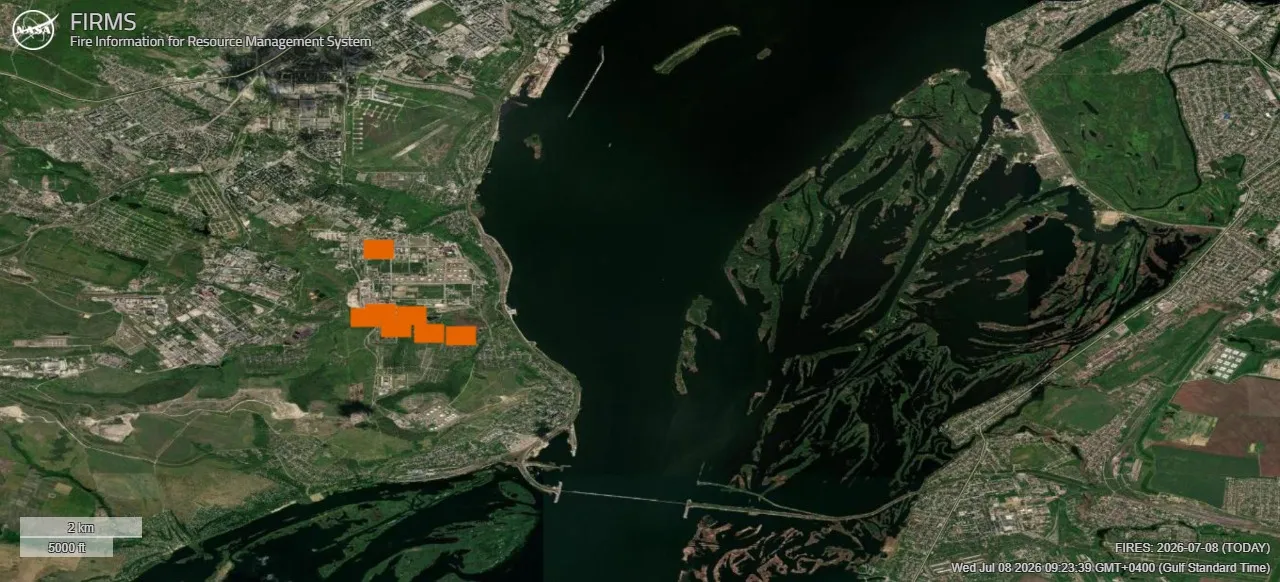
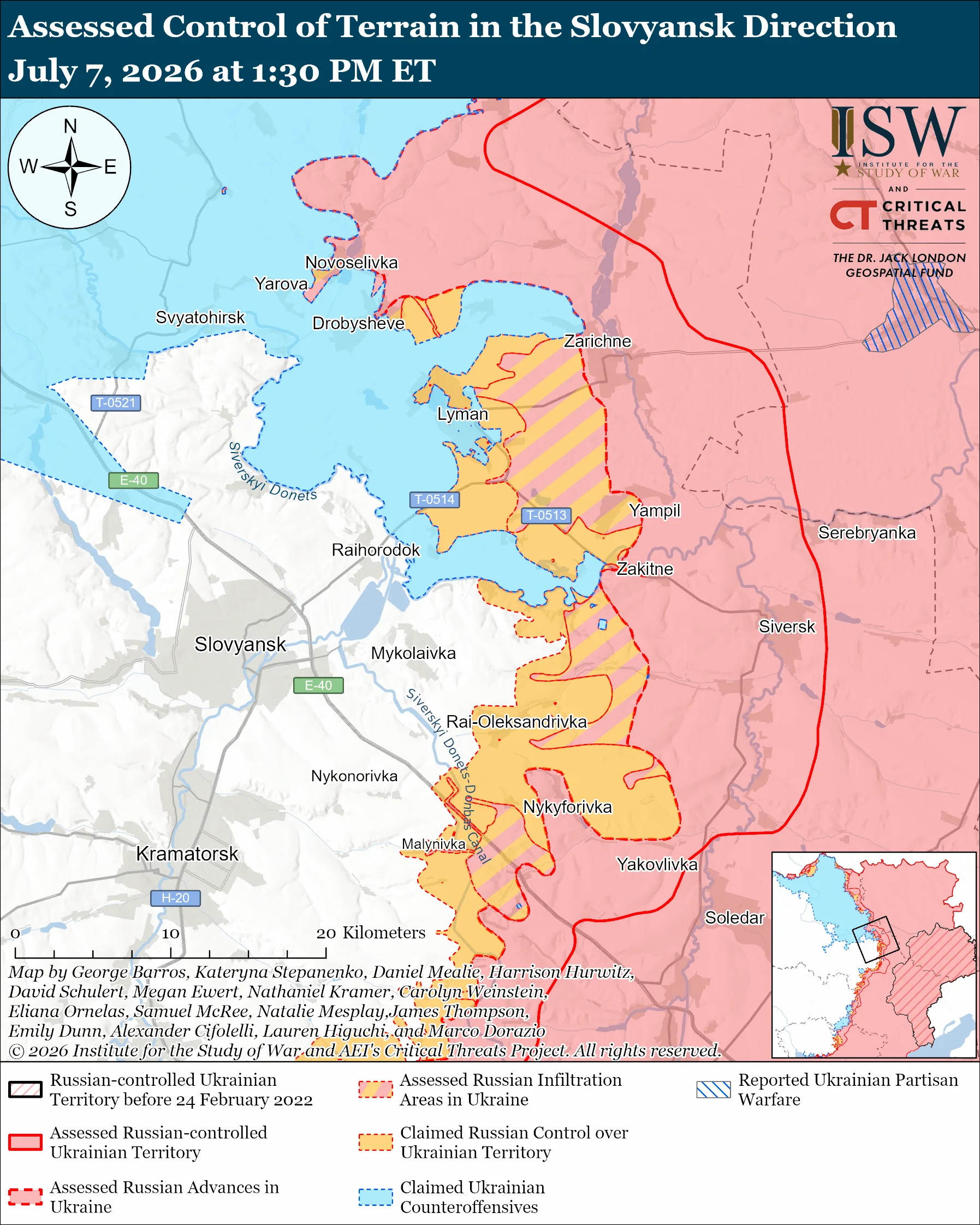
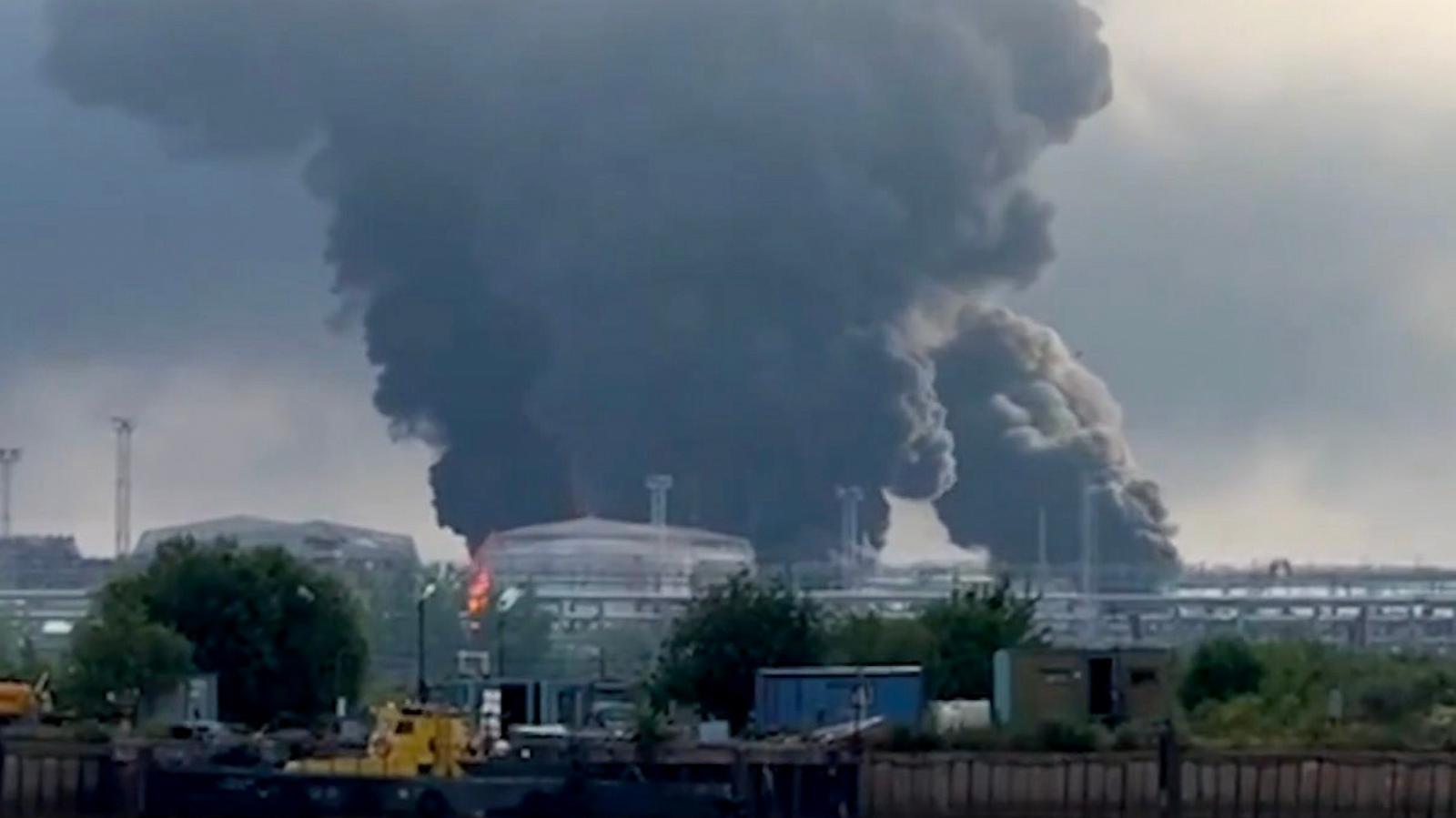
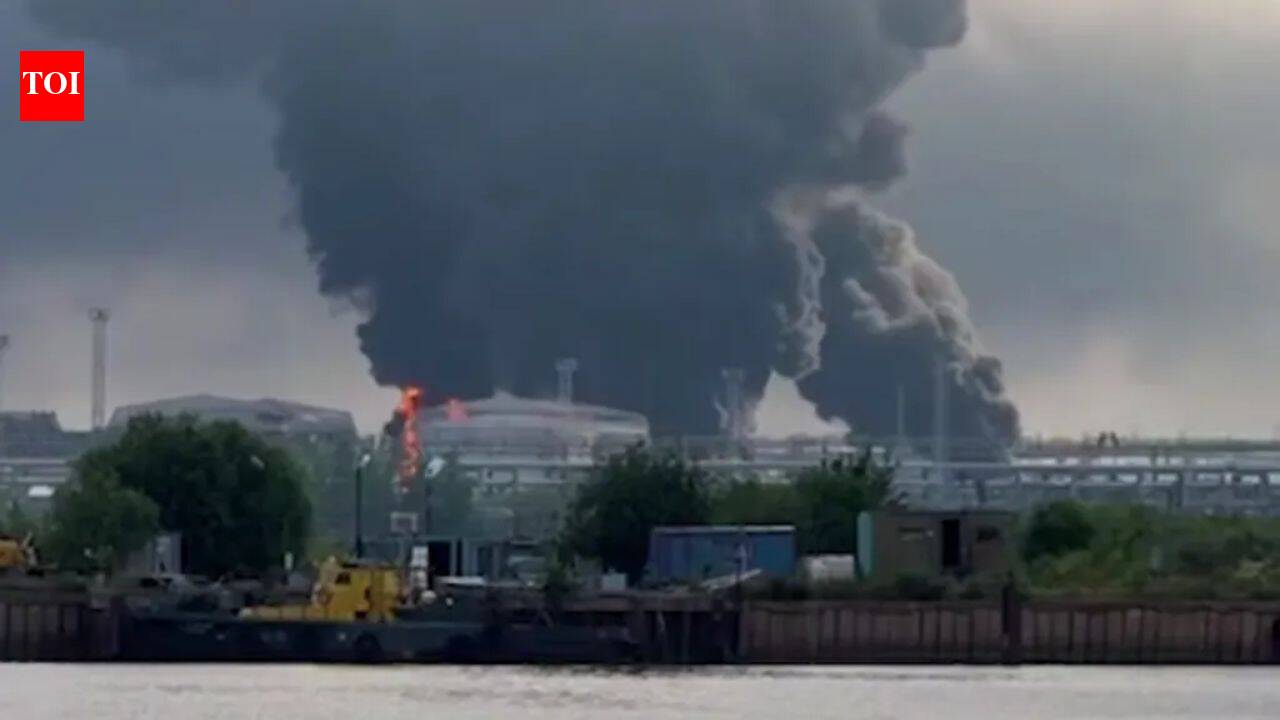
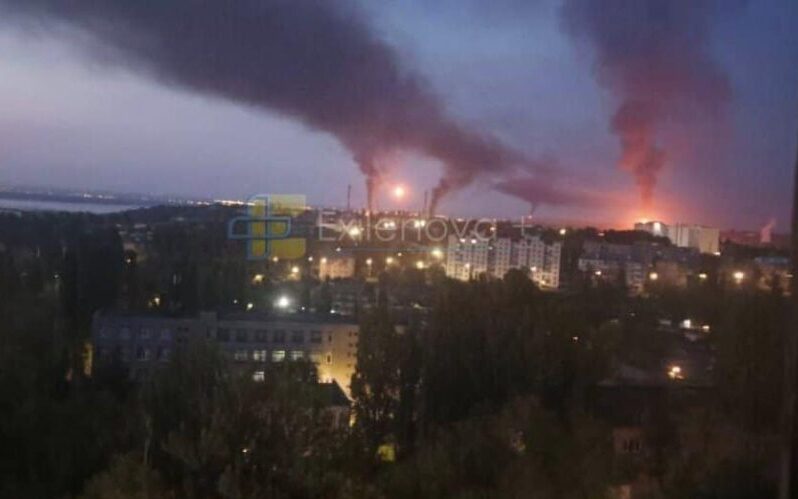
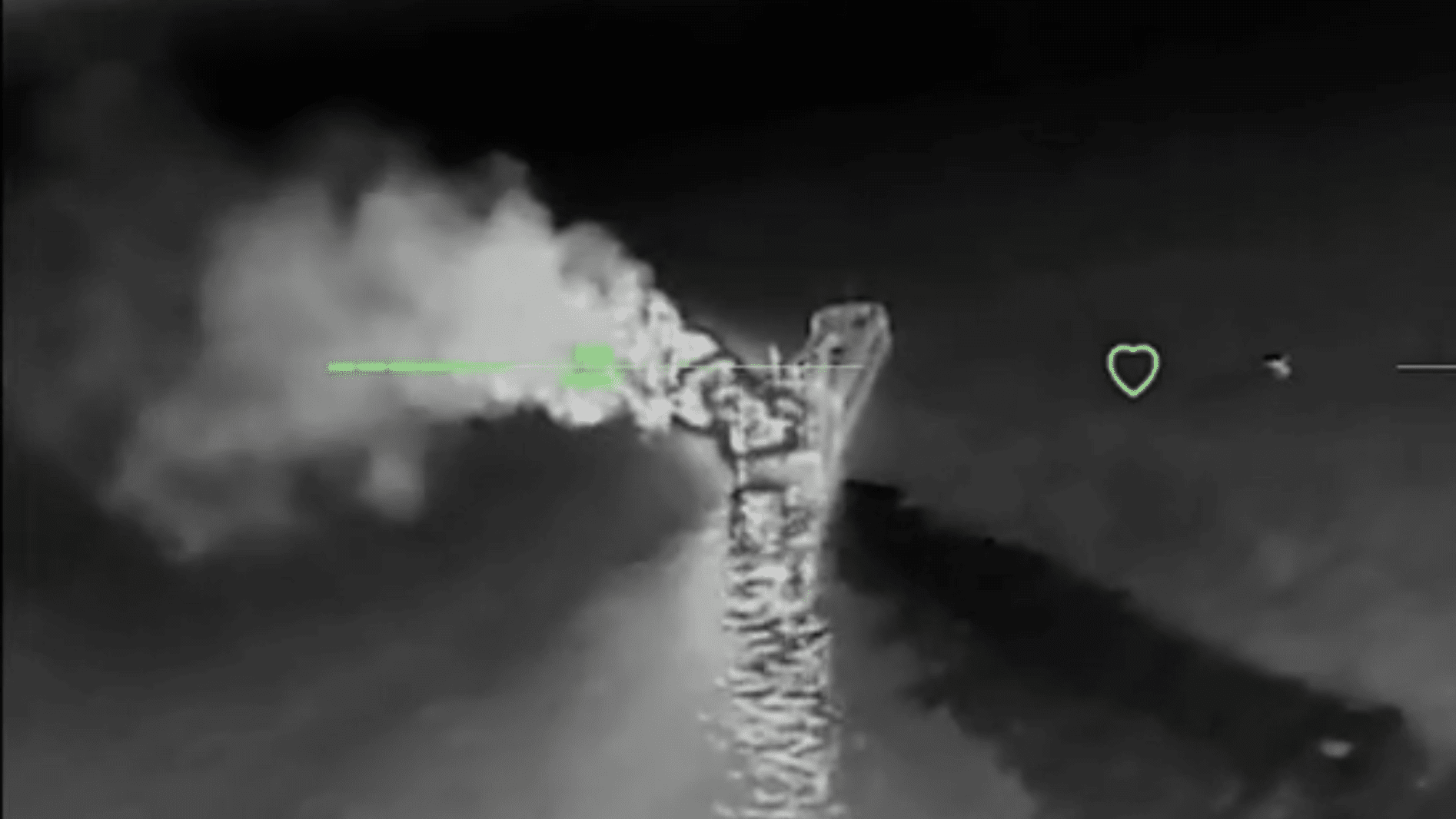
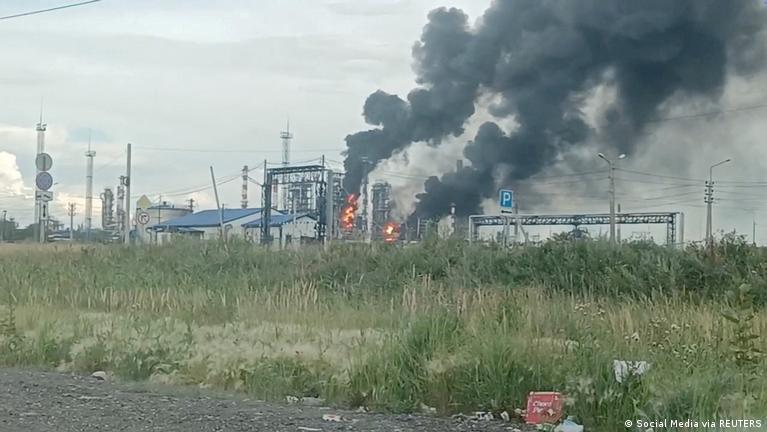
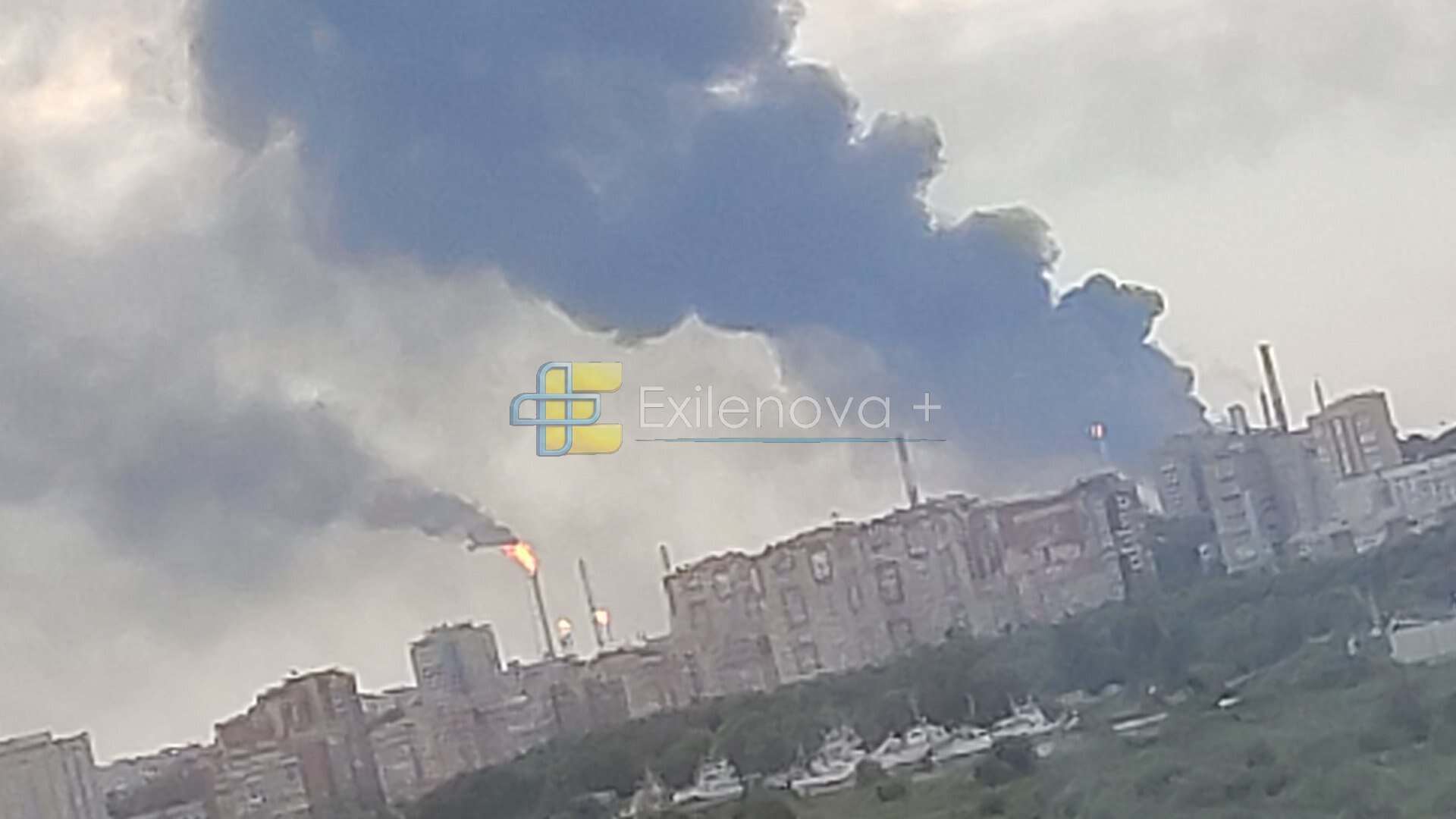
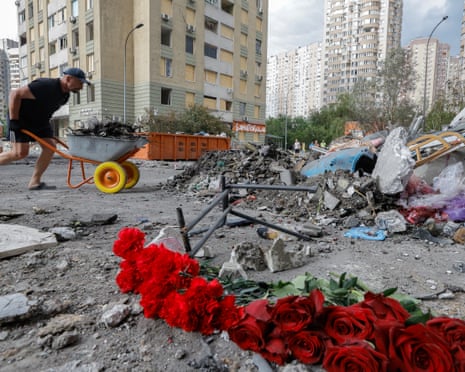
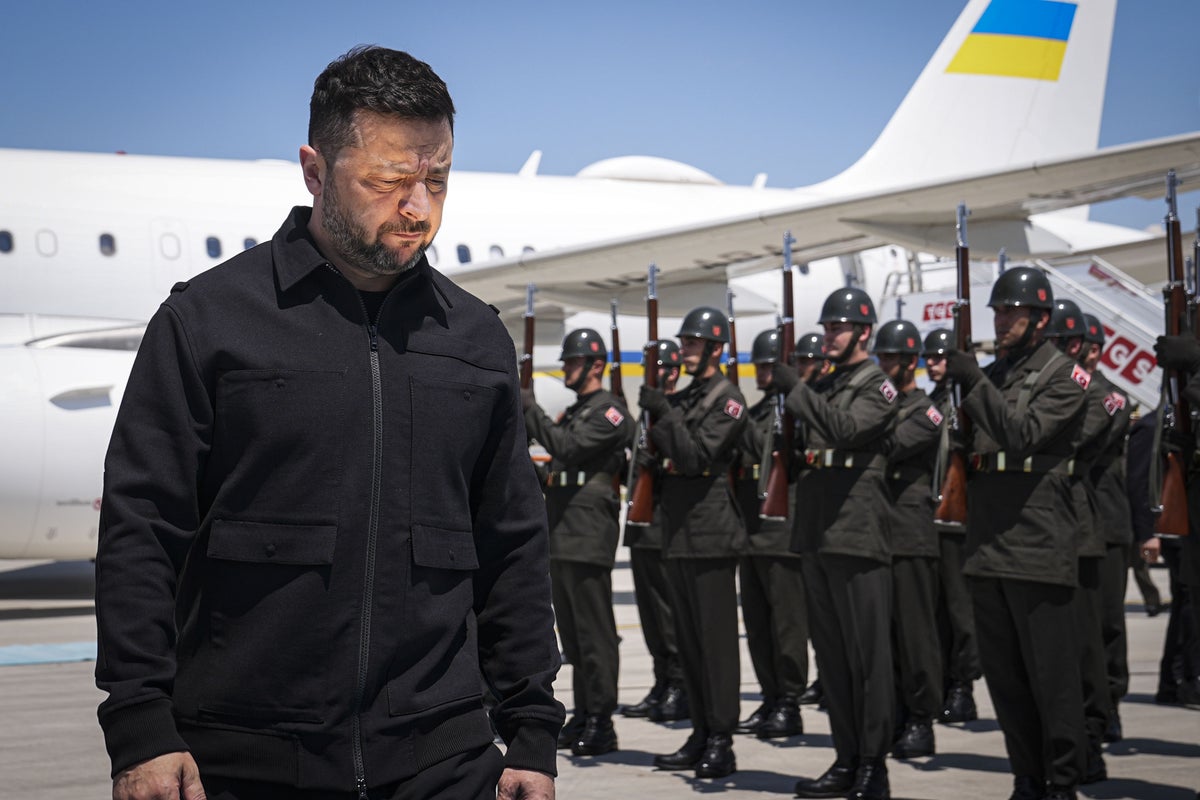
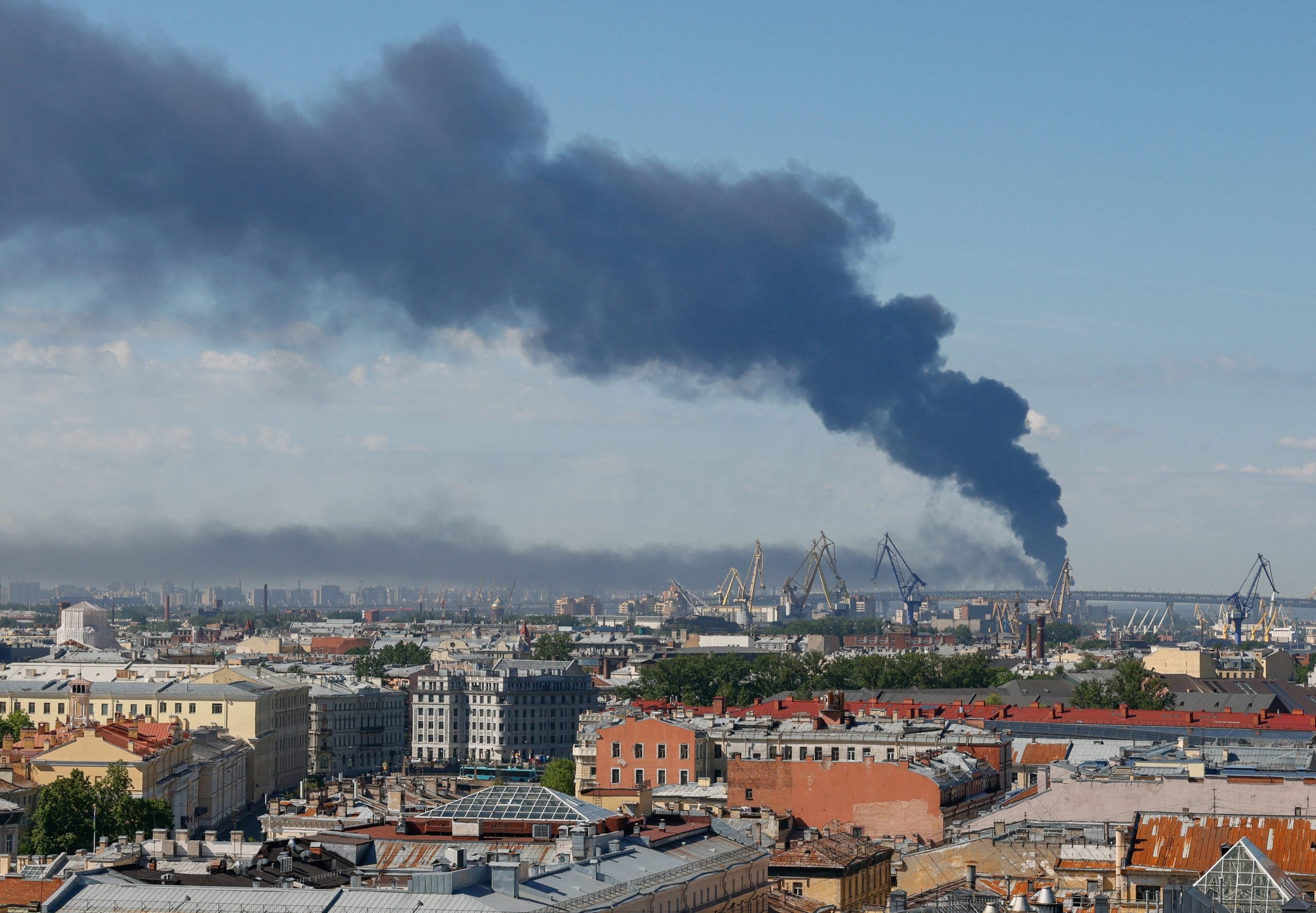
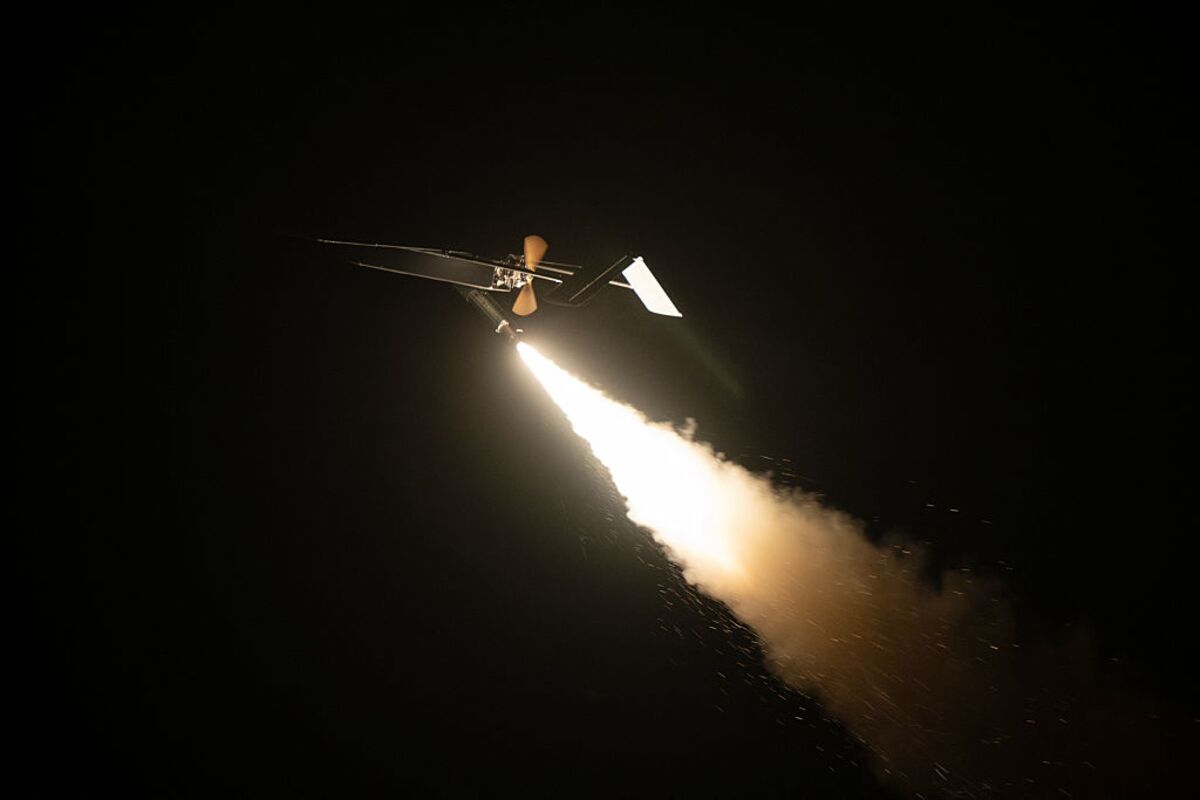
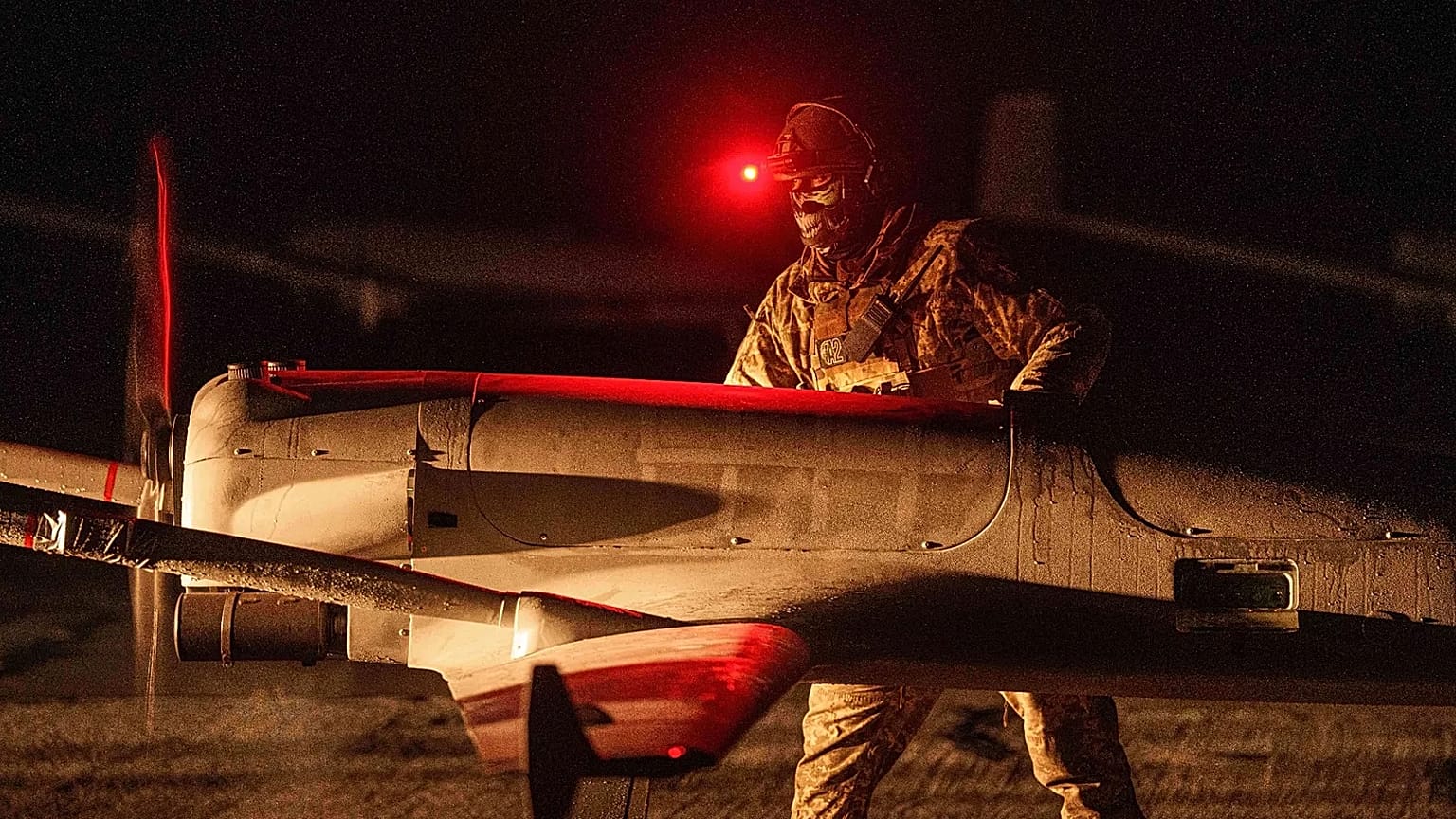
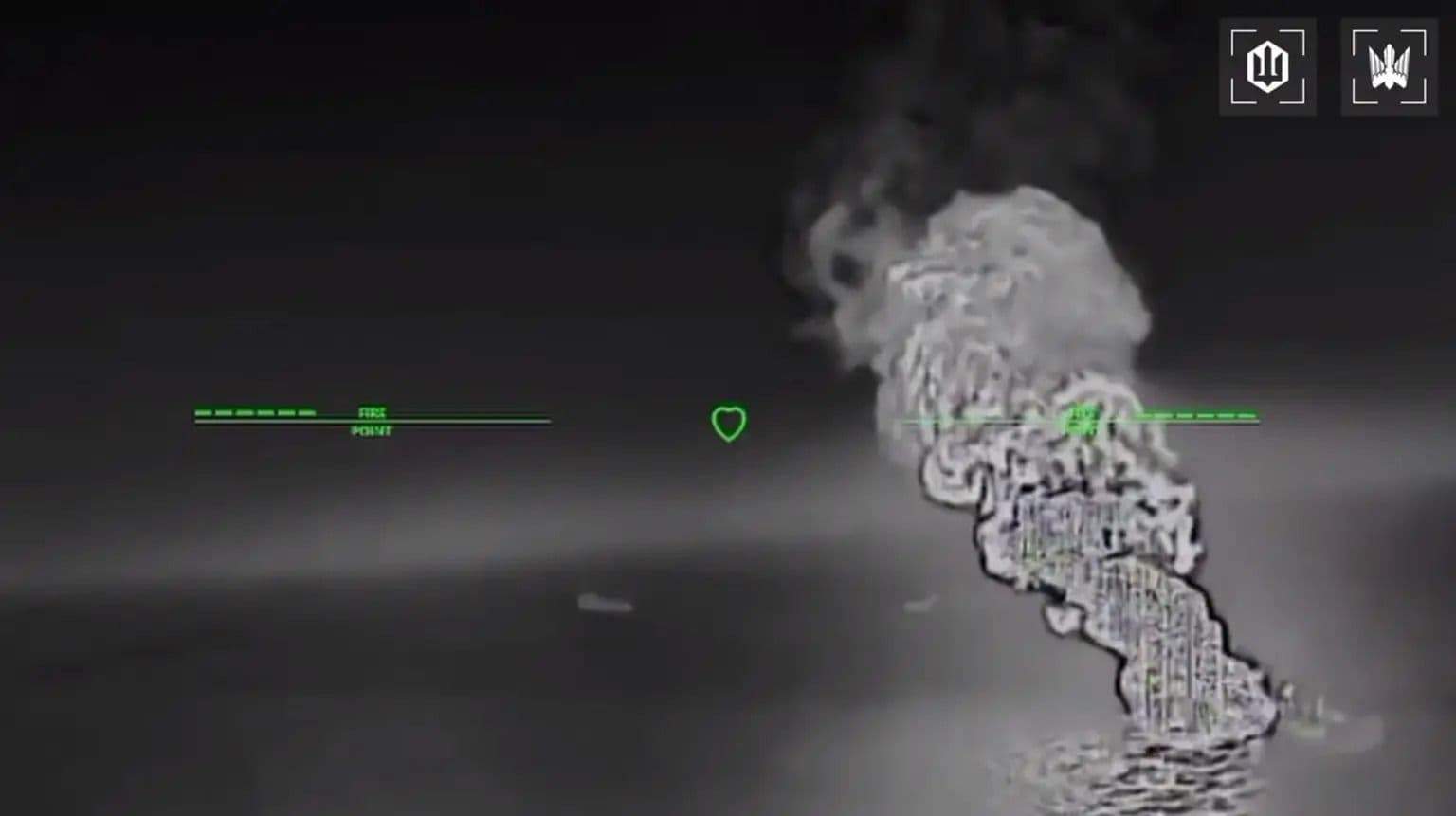
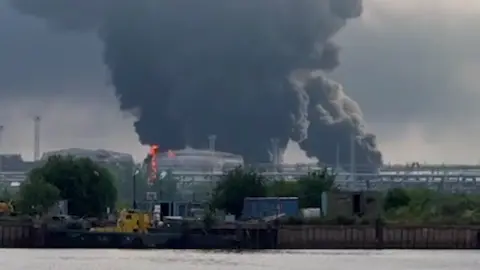
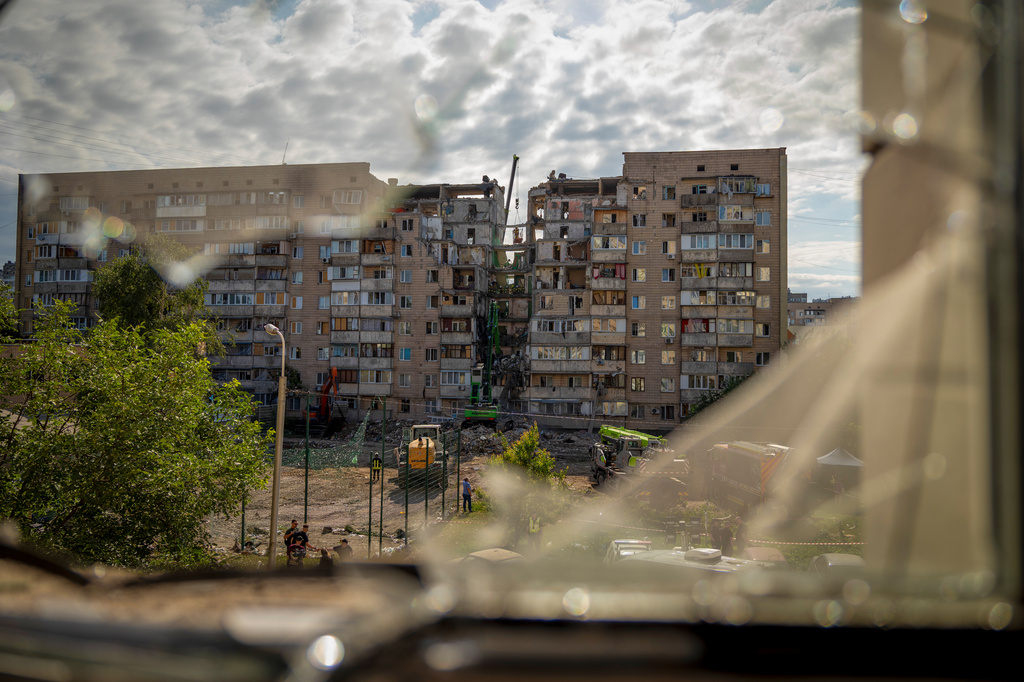
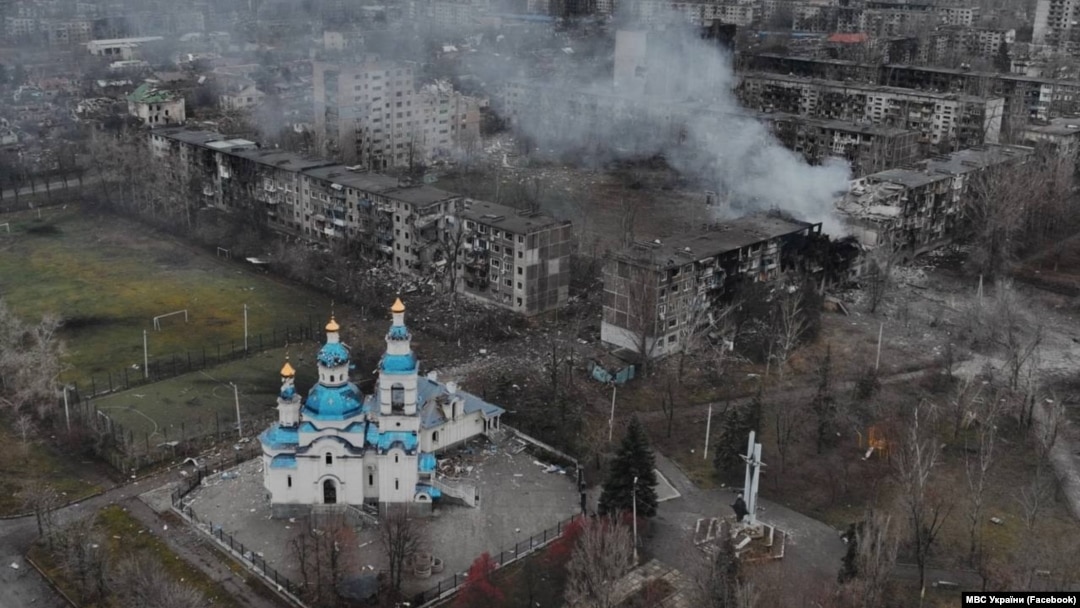
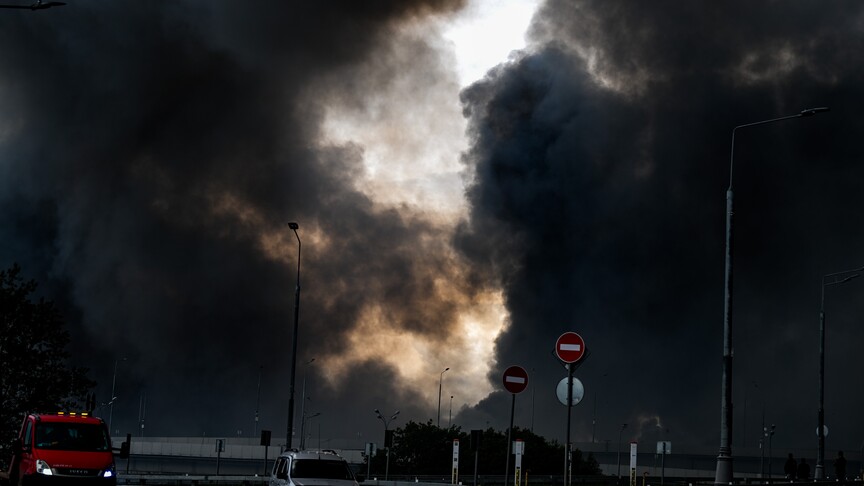
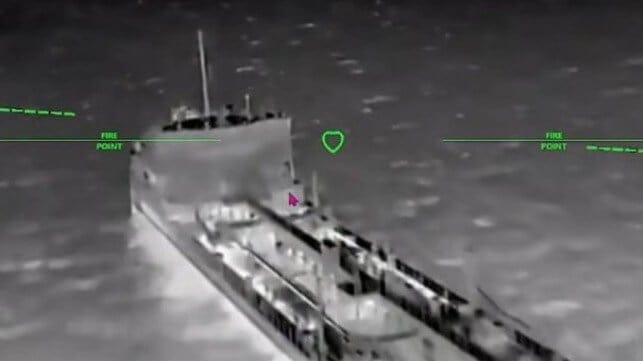
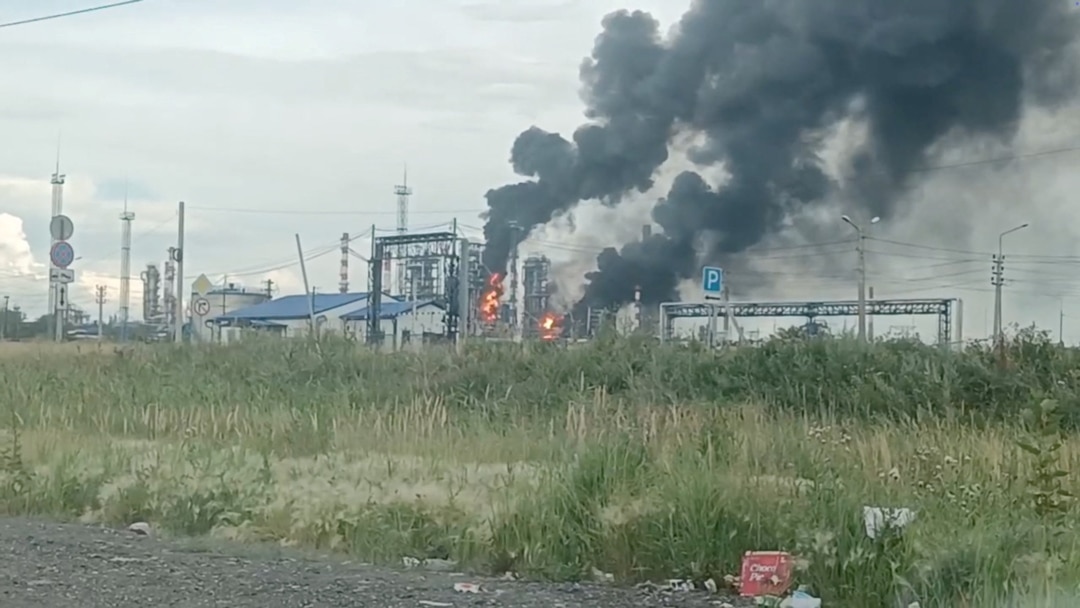
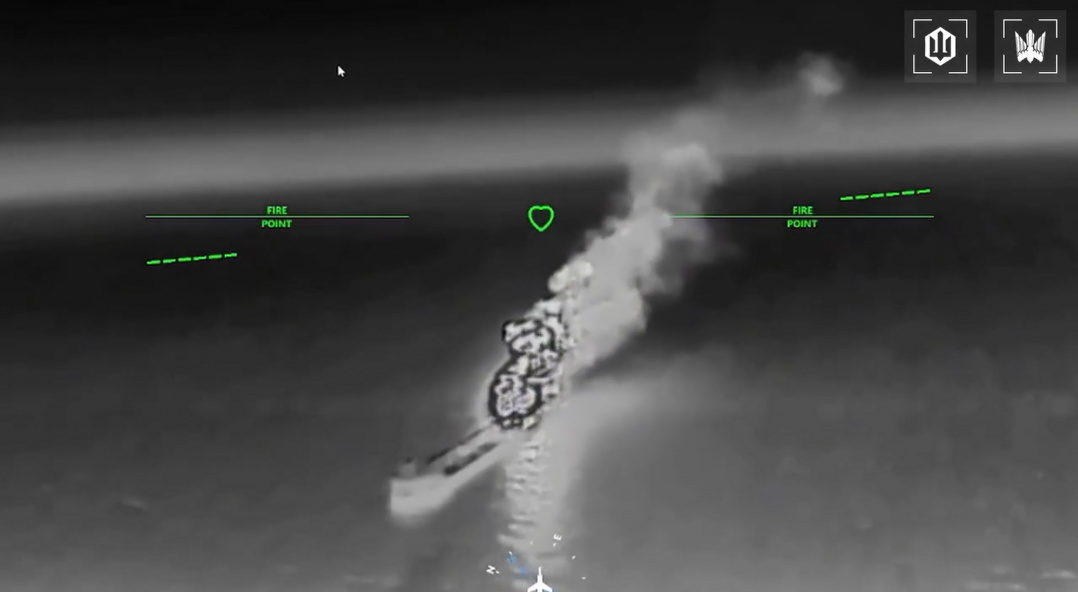
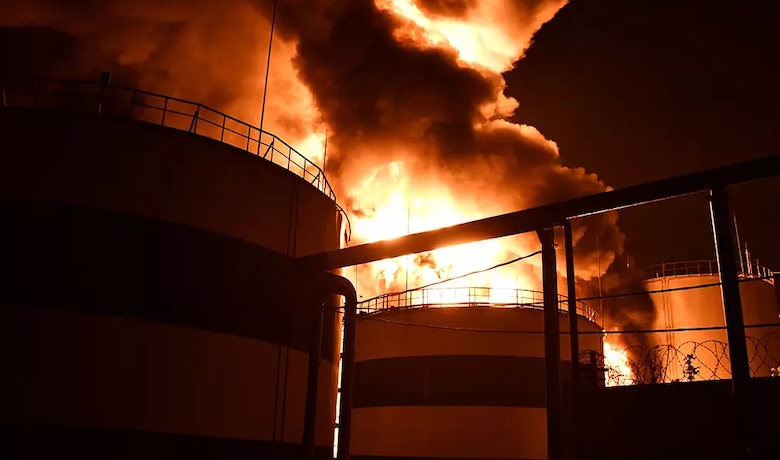
Between July 6-8, 2026, Ukraine intensified drone strikes against Russian energy infrastructure, targeting the Omsk refinery (21M metric tons annual capacity), three additional refineries in Tatarstan and Saratov, and 20+ shadow-fleet tankers in the Sea of Azov. These coordinated attacks represent a strategic shift toward asymmetric logistics disruption—cutting fuel supplies to Crimea while degrading Russia's energy export revenues. For cross-border e-commerce sellers, this escalation creates three interconnected risks: (1) Energy Cost Volatility: Disrupted Russian refining capacity (estimated 60M+ metric tons annually across targeted facilities) pressures global oil prices, directly increasing shipping and fulfillment costs for sellers using air freight or expedited logistics. A 10-15% fuel surcharge spike would add $150-400/month to typical FBA shipments of 500+ units. (2) Logistics Route Uncertainty: The Sea of Azov blockade and Black Sea tensions threaten the Blue Stream gas pipeline to Turkey and maritime corridors serving Eastern European and Central Asian markets. Sellers sourcing from or shipping to Russia, Ukraine, Turkey, and the Caucasus face 2-4 week delays and 15-25% premium freight rates. (3) Sanctions Compliance Complexity: Reuters identified only 2 of 7 shadow-fleet tankers under international sanctions, revealing widespread circumvention networks. Sellers must audit supply chains for indirect Russian energy exposure—particularly those using 3PL providers, freight forwarders, or manufacturing partners in sanctioned regions. The news also signals potential NATO escalation (32-nation summit in Ankara) and peace negotiation signals (Trump-Zelenskyy meetings), creating 3-6 month policy uncertainty windows where tariffs, export controls, and regional trade agreements could shift rapidly. Ukraine's new drone technology partnerships with Denmark, Estonia, and Netherlands suggest sustained capability expansion, indicating this campaign will likely continue through 2026-2027. Sellers in electronics, automotive parts, machinery, and energy-dependent categories face the highest exposure. The actionability score is elevated (0.65-0.75) because energy costs directly compress margins within 30-60 days, while logistics disruptions require immediate supply chain audits and contingency routing.
Questions 7
What sanctions compliance risks should I audit in my supply chain?
Reuters found only 2 of 7 shadow-fleet tankers under international sanctions, revealing widespread circumvention networks. Sellers must audit: (1) 3PL providers and freight forwarders for indirect Russian energy exposure, (2) Manufacturing partners in sanctioned regions (Crimea, Donetsk, Luhansk), (3) Payment processors and banking relationships with Russian entities. The U.S. Treasury and EU regularly expand sanctions lists; non-compliance risks $250K+ fines and account suspension on Amazon, eBay, and Shopify. Request written compliance certifications from all logistics partners by August 15, 2026. Use tools like the Treasury's OFAC search and EU sanctions database to verify counterparties.
Which sellers are most exposed to Black Sea logistics disruptions?
Sellers sourcing from or shipping to Russia, Ukraine, Turkey, Georgia, and Central Asia face 2-4 week delays and 15-25% premium freight rates due to Sea of Azov blockade and maritime uncertainty. This affects: (1) Electronics sellers importing components from Russian suppliers, (2) Automotive parts sellers serving Eastern European markets, (3) Machinery and industrial equipment exporters, (4) Sellers using Turkish ports (Gazprom's Blue Stream pipeline disruption affects port operations). Sellers should immediately audit their 3PL provider's routing—if they rely on Black Sea corridors, request alternative routes via Baltic ports (Tallinn, Riga) or Central Asian land routes, which add 1-2 weeks but avoid conflict zones.