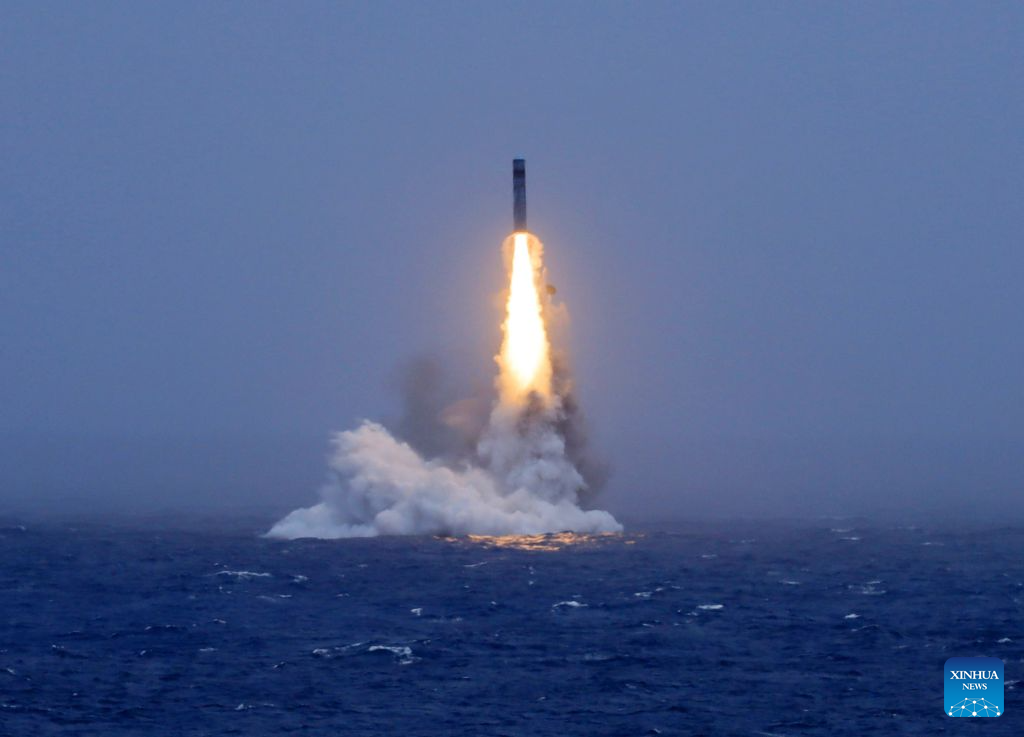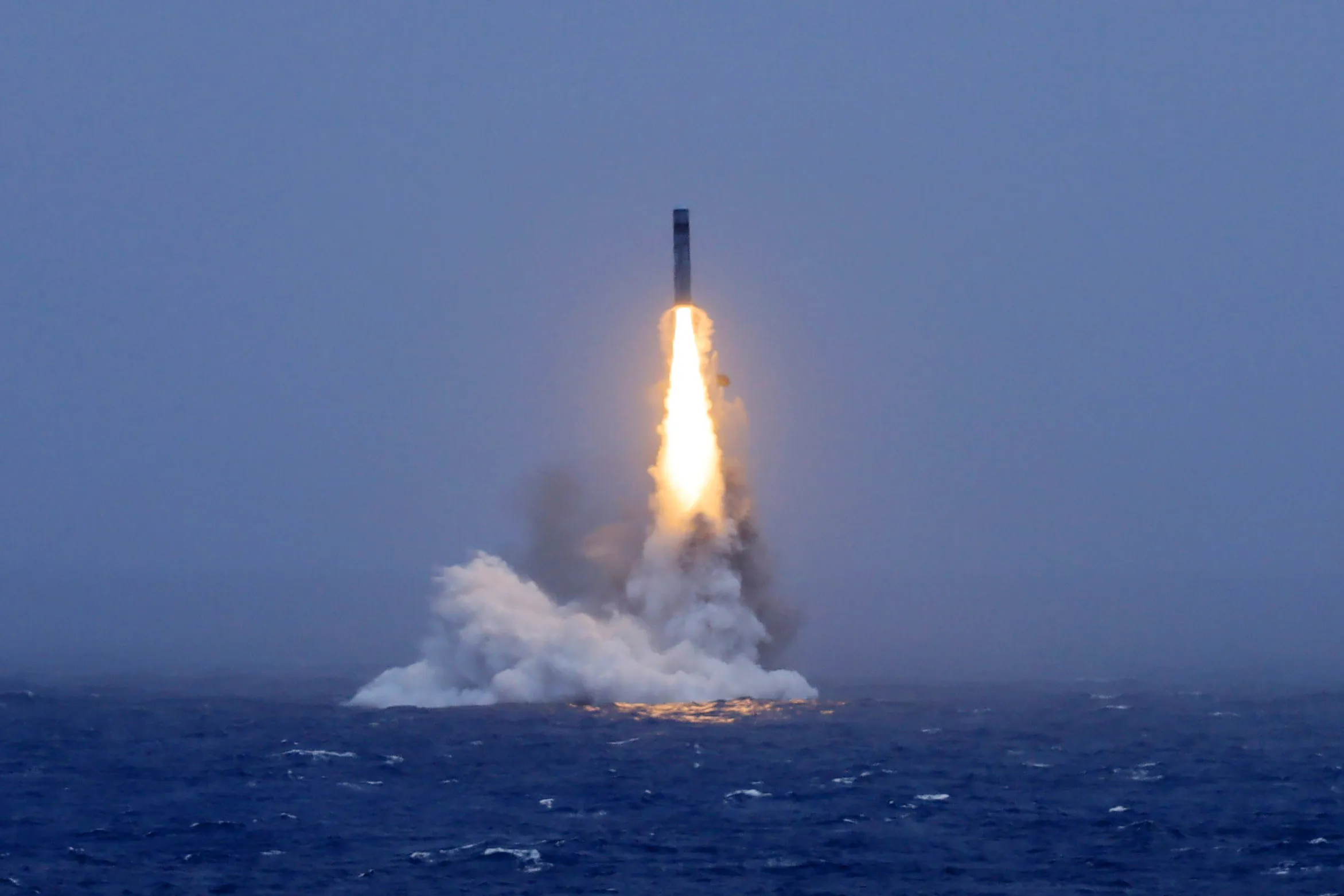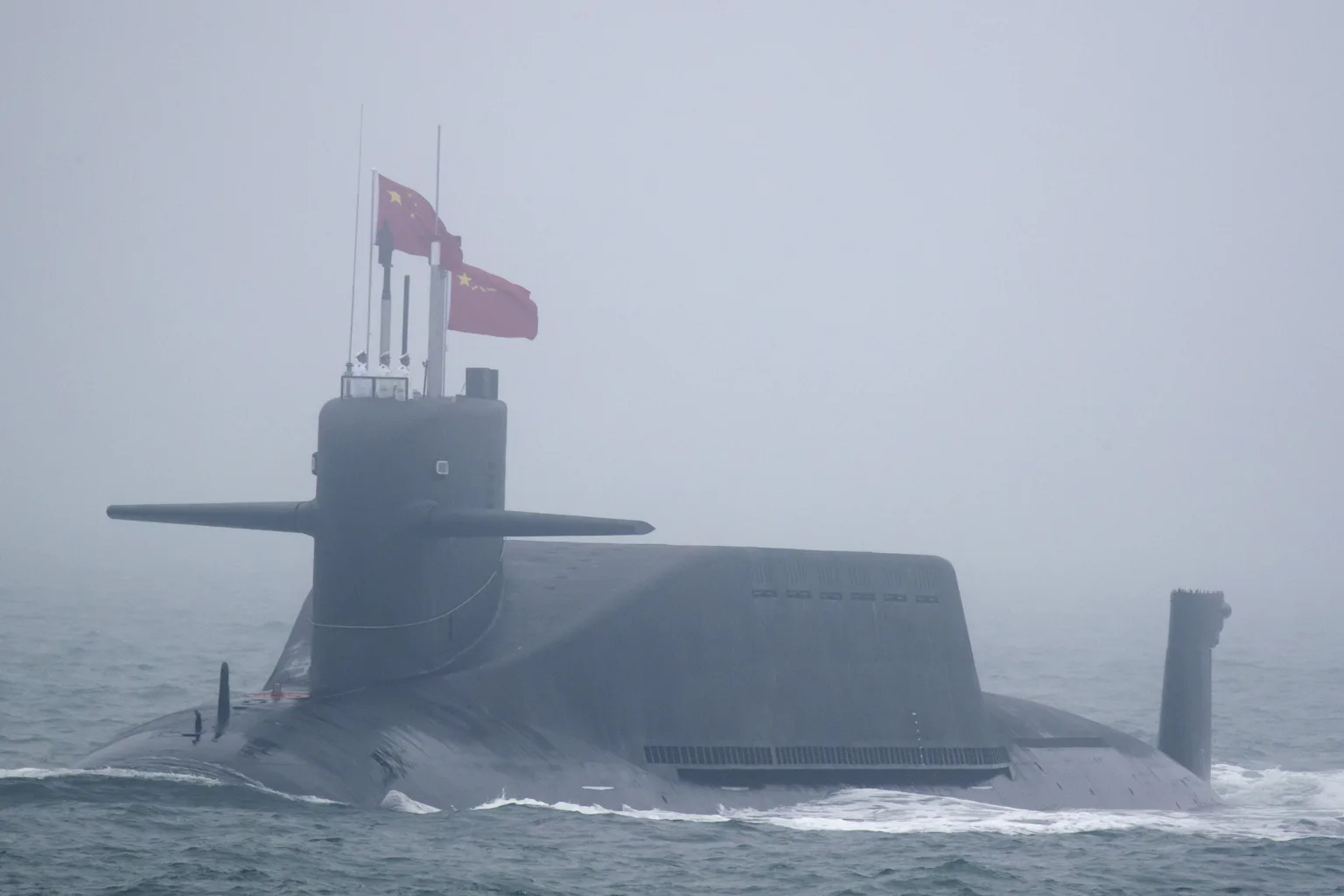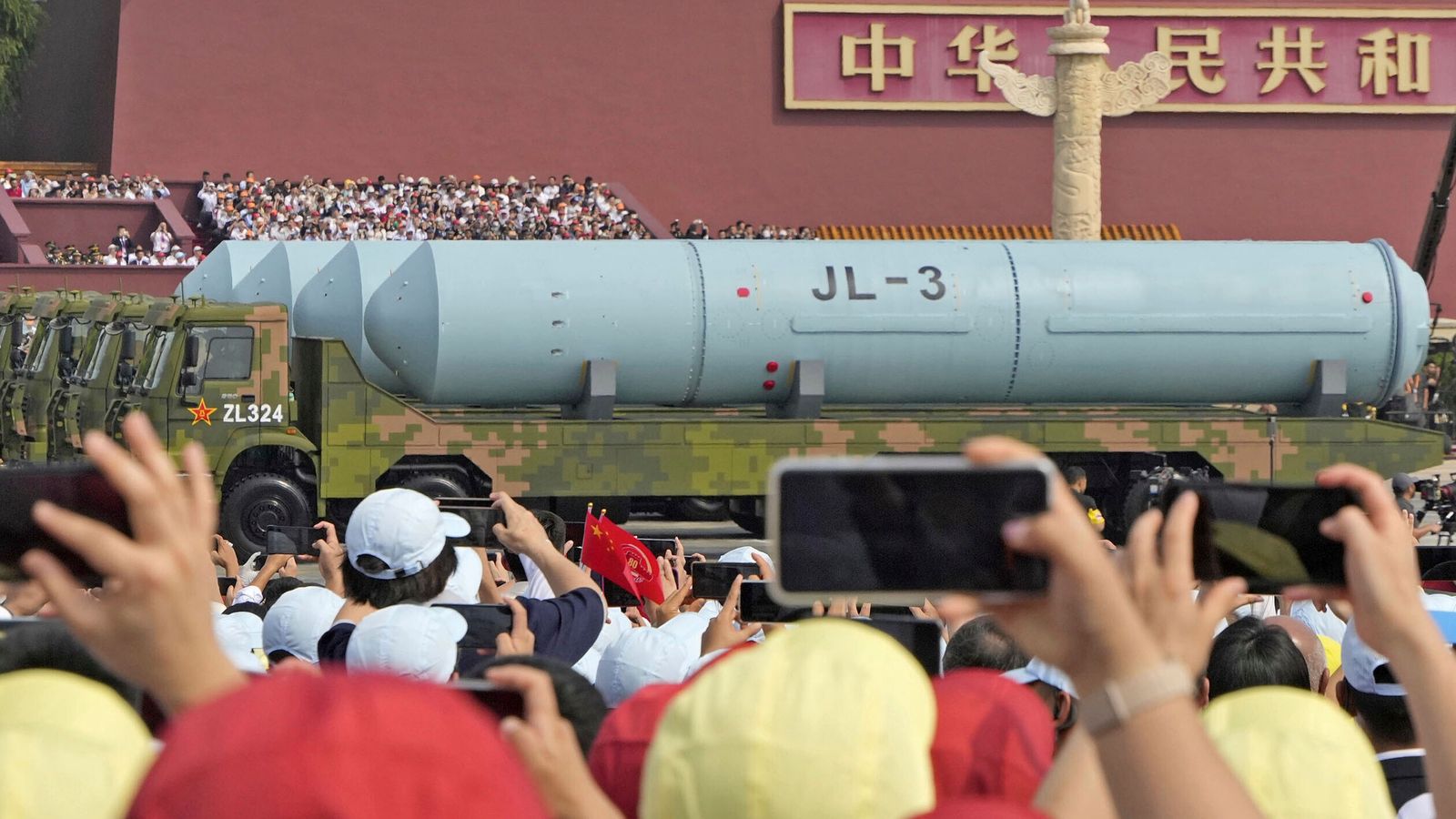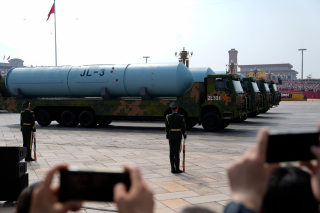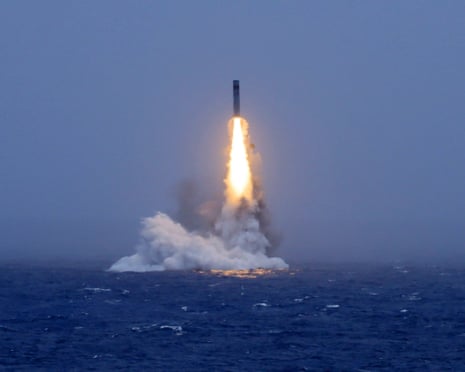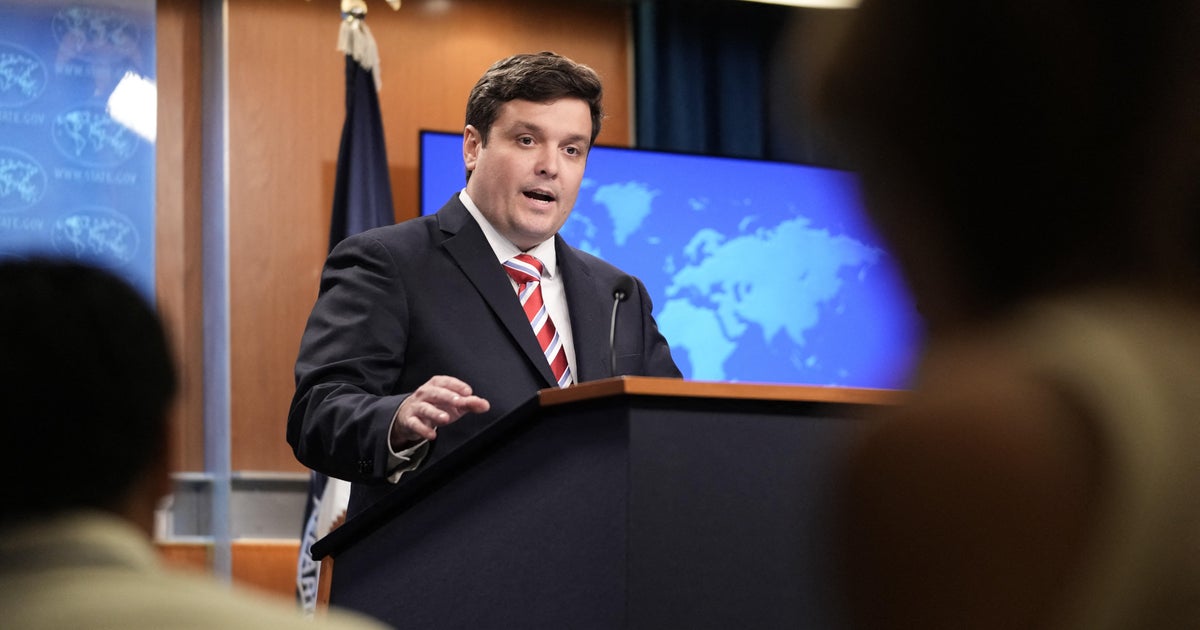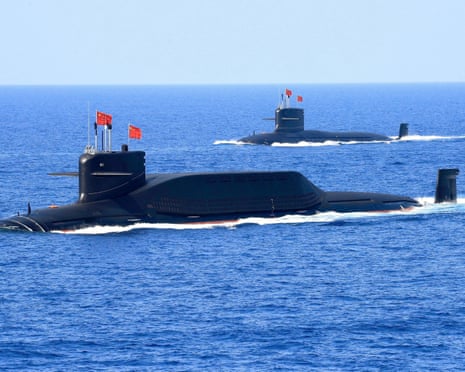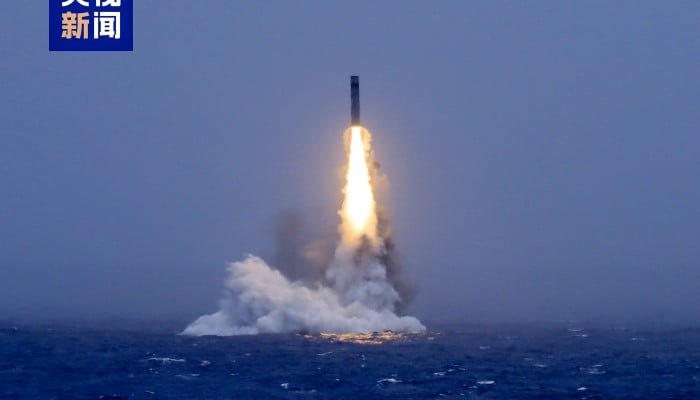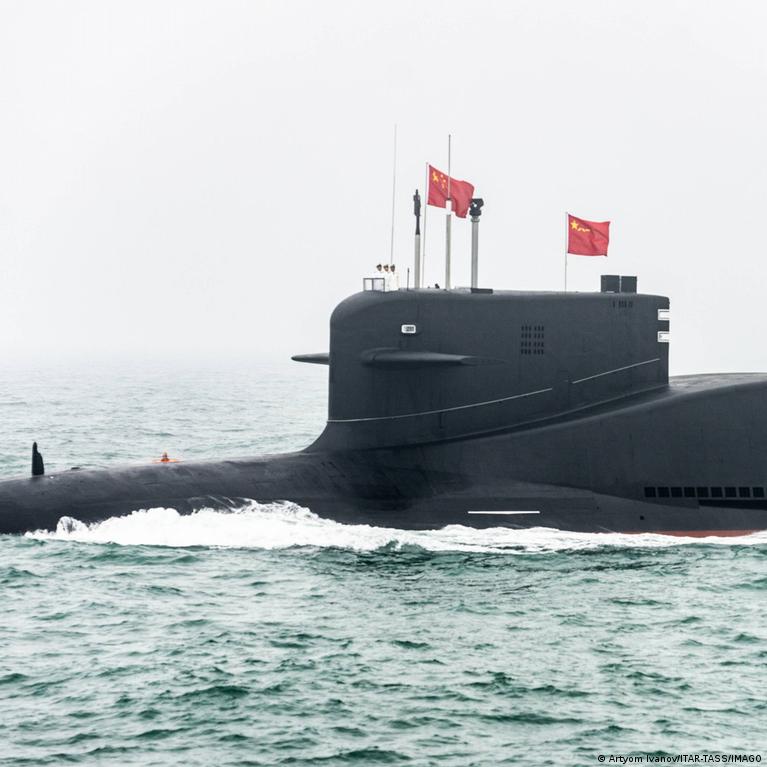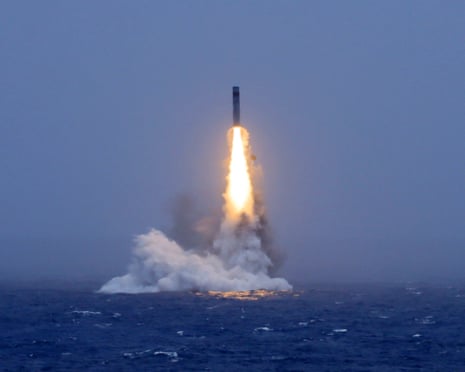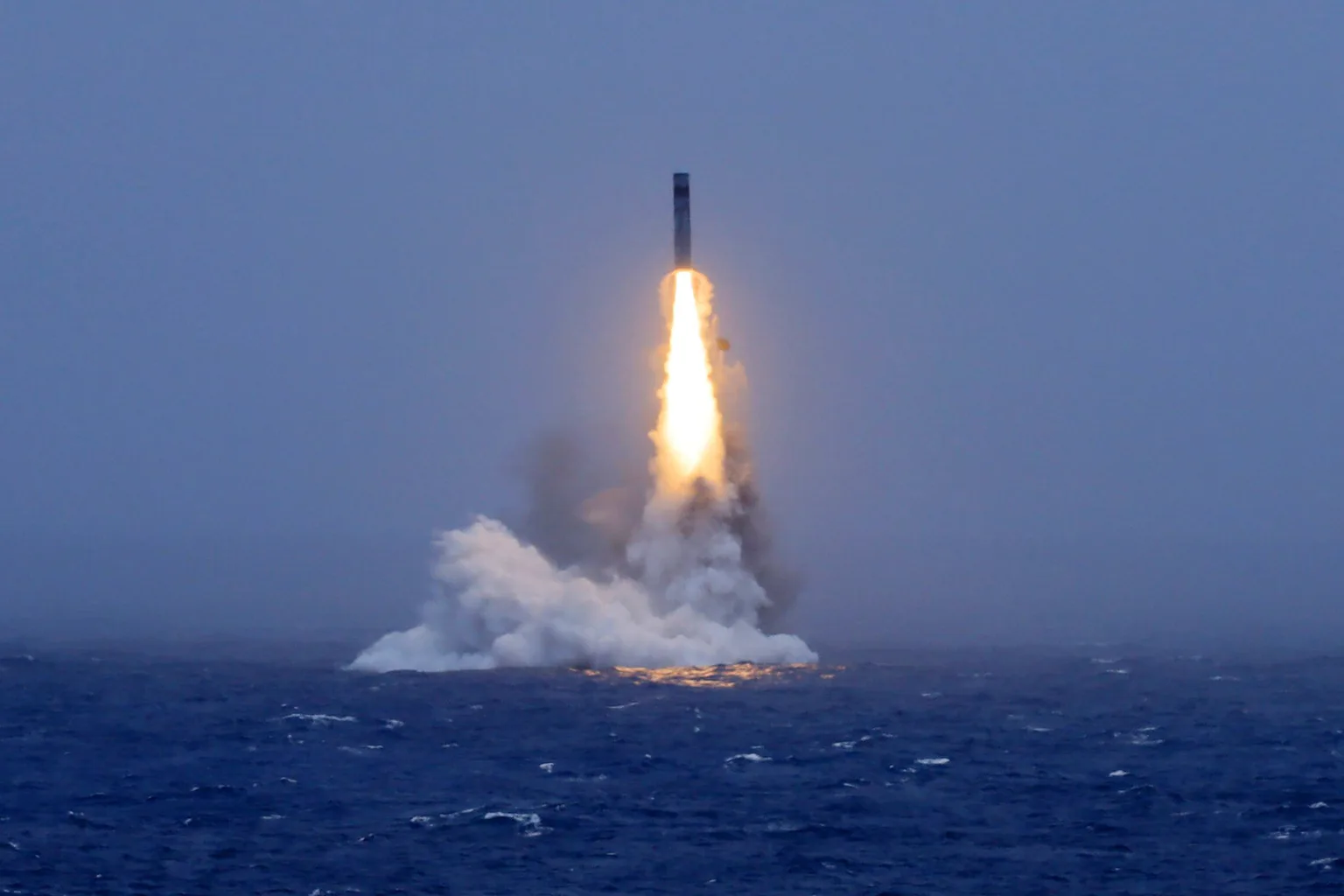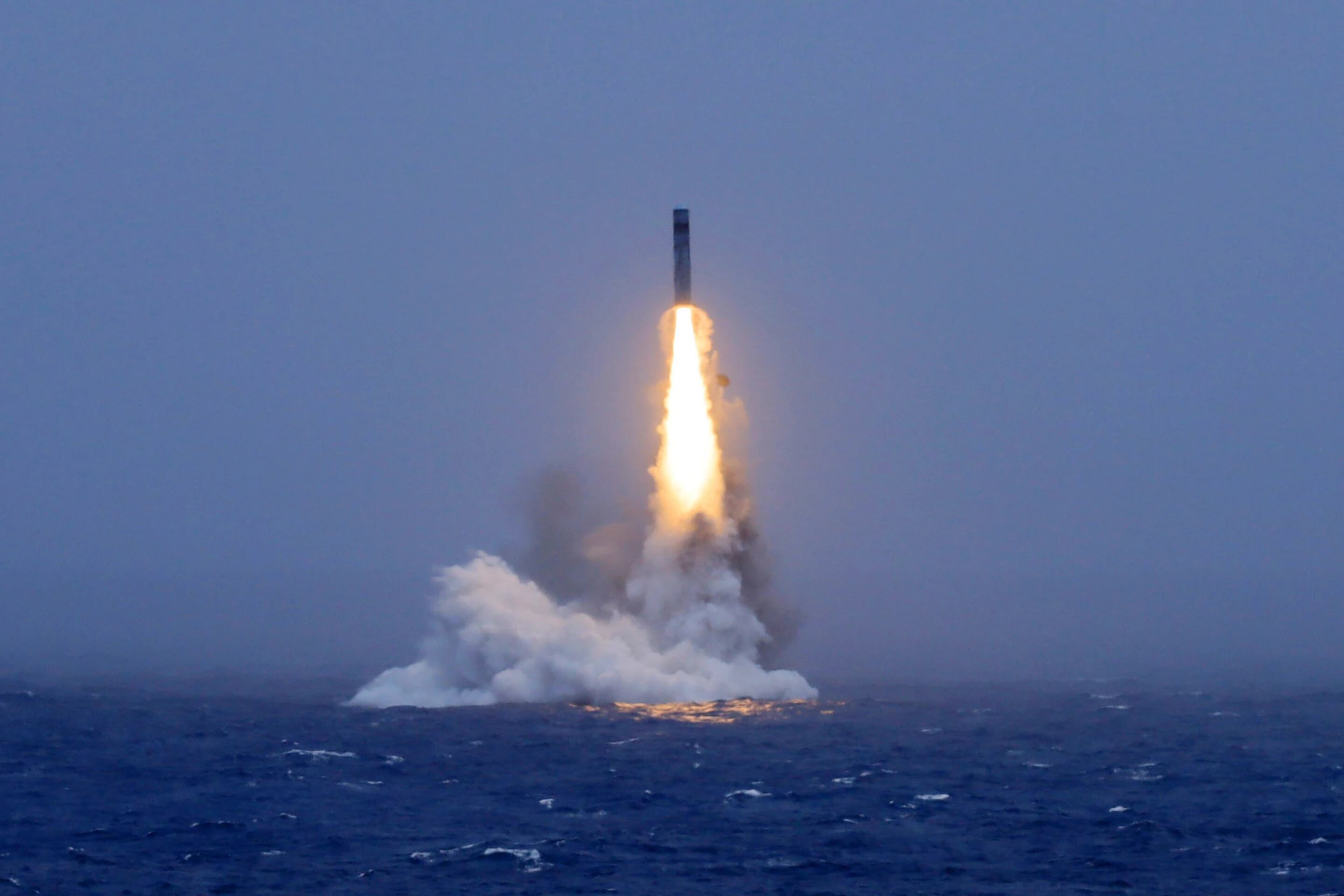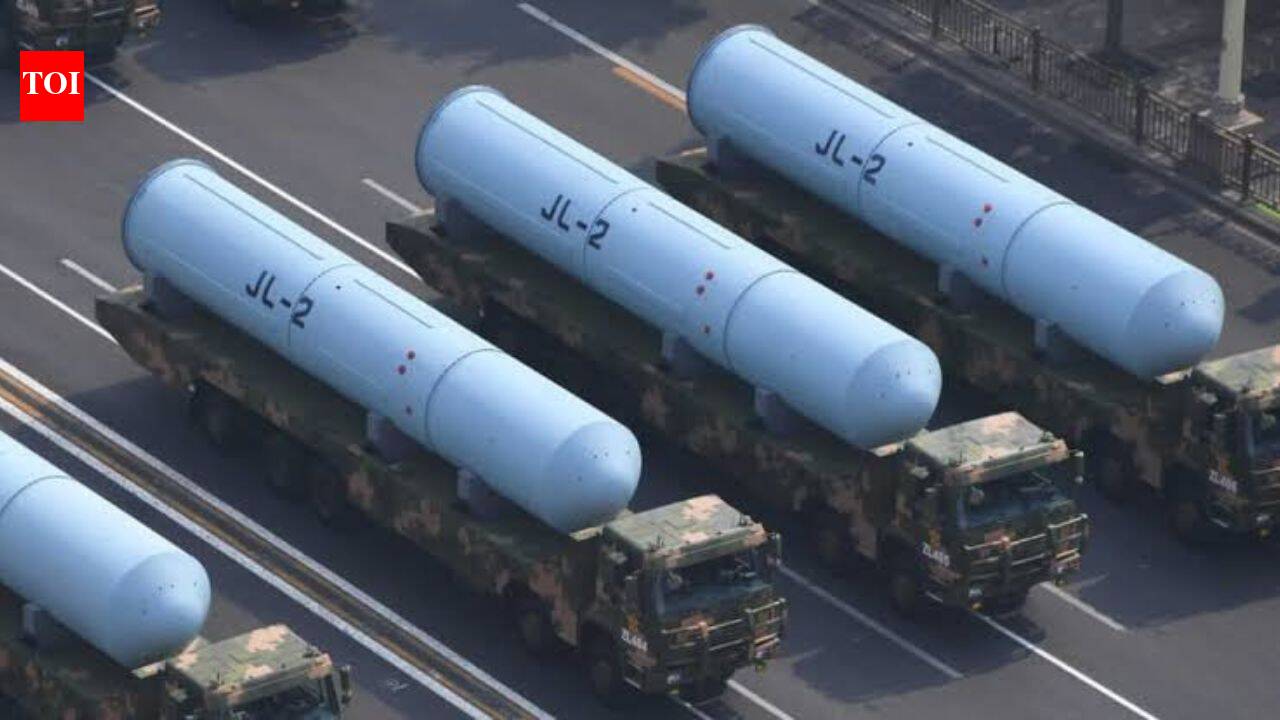



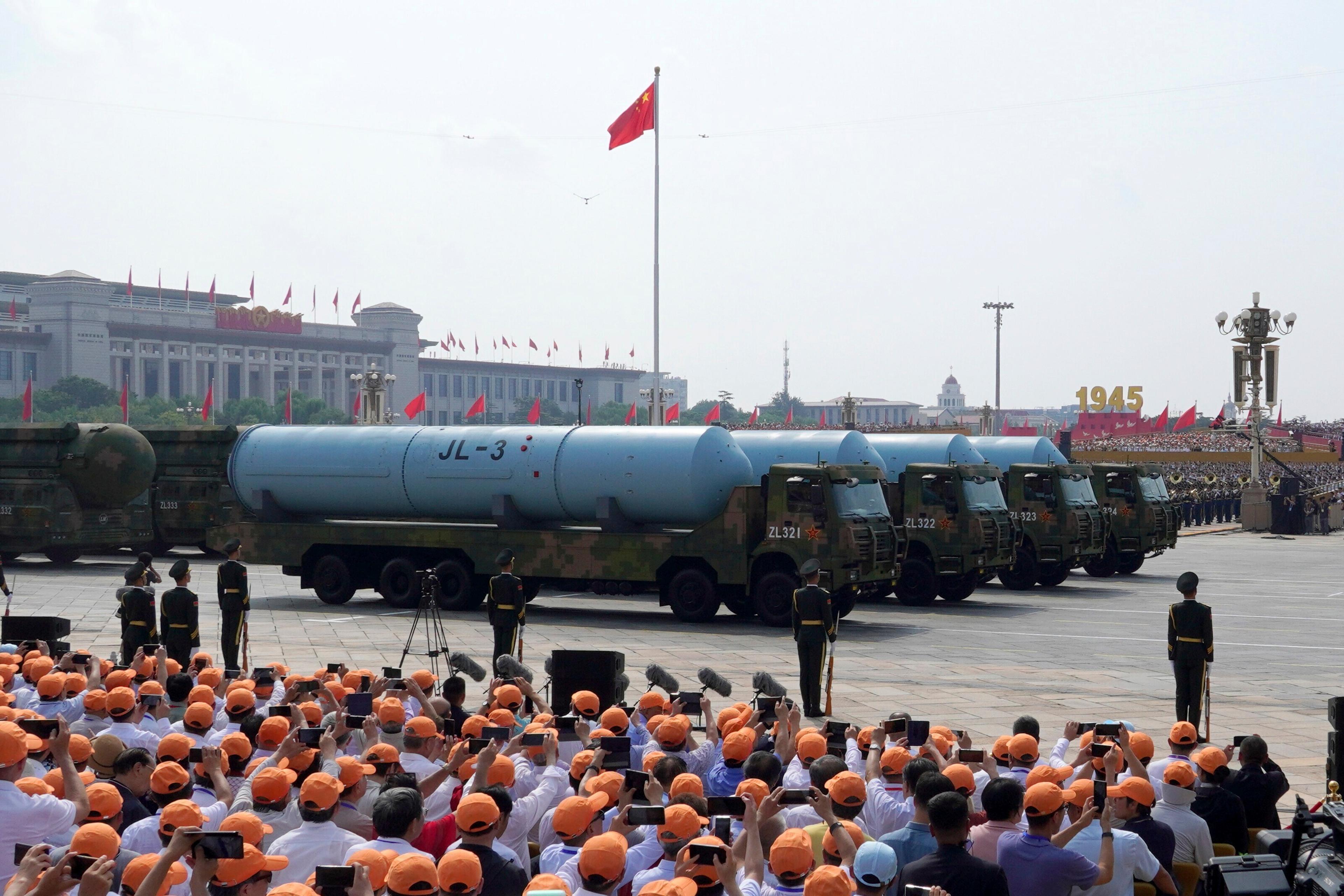
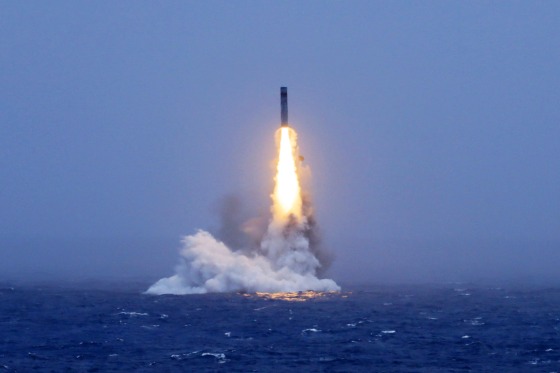
China's July 7, 2026 submarine-launched ballistic missile (SLBM) test represents a critical geopolitical inflection point with direct implications for cross-border e-commerce sellers operating in the Indo-Pacific region. The test—China's second major Pacific missile launch in recent months—fired a nuclear-capable JL-2 missile over the exclusive economic zones of Micronesia, Nauru, Kiribati, and Tuvalu, drawing swift condemnation from the United States, Australia, Japan, and New Zealand. According to Pentagon 2024 estimates, China possesses approximately 600 nuclear warheads with projections reaching 1,000+ by 2030, underscoring the strategic significance of this demonstration. The incident directly impacts sellers through three mechanisms: (1) Supply Chain Volatility: Escalating US-China tensions historically correlate with tariff uncertainty and customs delays. Sellers sourcing from China or shipping through Pacific ports face 15-30% longer processing times during geopolitical crises, as documented during 2024 Taiwan Strait tensions. (2) Market Access Risk: Australia, Japan, and New Zealand—combined representing $18B+ in cross-border e-commerce volume—may implement stricter import controls or retaliatory trade measures. Australian Foreign Minister Penny Wong's characterization of the test as "destabilizing" signals potential policy shifts affecting seller compliance requirements. (3) Currency and Pricing Pressure: Geopolitical uncertainty typically triggers 5-8% AUD/NZD depreciation against USD within 30-60 days, compressing margins for sellers pricing in local currencies. The test's trajectory over Taiwan raises particular concerns for sellers with manufacturing or fulfillment operations in the region, as Taiwan hosts 40%+ of global semiconductor production and serves as a critical logistics hub for Asia-Pacific e-commerce. Chinese official Victor Gao's assertion that China's nuclear capabilities can reach "any corner" globally within "20 minutes" signals Beijing's intent to establish strategic deterrence, potentially emboldening more aggressive military posturing that could disrupt shipping lanes and port operations. The U.S. State Department's call for "regularized notification arrangements" for ballistic missile launches suggests Washington is preparing for prolonged strategic competition, not de-escalation. For sellers, this environment demands immediate supply chain diversification and hedging strategies to mitigate Indo-Pacific exposure.

Geopolitical escalation typically triggers enhanced customs screening and documentation requirements within 30-60 days. Sellers should prepare: (1) **Enhanced Origin Certification**: Expect requests for detailed country-of-origin documentation, particularly for products with multi-country supply chains. Ensure all invoices, bills of lading, and certificates of origin are current and accurate. (2) **Tariff Classification Review**: Audit your HS codes (tariff classifications) for accuracy; misclassification can trigger penalties of 10-20% of shipment value during heightened scrutiny. Use tools like TradeKey or Harmonized Tariff Schedule to verify classifications. (3) **Customs Broker Engagement**: Consider hiring customs brokers in Australia, New Zealand, and Japan to navigate potential new requirements; costs are $200-500 per shipment but reduce clearance delays by 5-10 days. (4) **Documentation Timing**: Submit customs documentation 5-7 days earlier than normal to account for increased processing times. For Amazon sellers, ensure all product listings include accurate country-of-origin information in Seller Central to avoid listing suppression during compliance reviews.
Taiwan hosts 40%+ of global semiconductor production and serves as critical logistics hub for Asia-Pacific e-commerce. The missile test's trajectory over Taiwan signals elevated military risk, historically correlating with 20-30% component price increases and 30-45 day supply delays within 90 days. Electronics sellers (consumer electronics, smart home, gaming) face highest exposure. Immediate actions: (1) Audit your supply chain for Taiwan dependencies using your supplier database; (2) Increase safety stock for Taiwan-sourced components from 30 days to 60-90 days; (3) Negotiate long-term pricing agreements with suppliers to lock rates before potential price spikes; (4) Identify alternative suppliers in South Korea, Japan, or Singapore for critical components. For Amazon sellers, review your ASIN-level sourcing data in Seller Central to identify Taiwan exposure. Consider diversifying product mix toward non-semiconductor categories (apparel, home goods, beauty) where Taiwan risk is minimal.
The Trump administration's formal condemnation of China's test signals hardened US-China relations, historically preceding tariff increases within 60-90 days. During 2024 Taiwan tensions, US tariffs on Chinese electronics rose 8-12%, compressing seller margins by $150-400 per container. Sellers should immediately audit their tariff classifications (HS codes) and consider applying for tariff exemptions or exclusions before new duties take effect. Review your product mix: consumer electronics, home goods, and apparel face highest tariff exposure. Diversify sourcing to Vietnam, India, or Mexico where possible to reduce China dependency. Lock in supplier pricing through Q4 2026 before potential tariff announcements.
China's SLBM test over Pacific EEZs signals potential military activity that could disrupt major shipping corridors. Historically, geopolitical tensions in the Indo-Pacific increase port congestion by 20-40% as vessels reroute and customs inspections intensify. Sellers shipping to Australia, New Zealand, or Japan should expect 5-15 day delays on Pacific routes through Q3 2026. Monitor real-time port status through your 3PL provider and consider shifting inventory to regional fulfillment centers in Singapore or Hong Kong to bypass affected routes. The test's trajectory over Taiwan—home to 40%+ of global semiconductor production—creates particular risk for electronics sellers dependent on Taiwan-sourced components.
Not entirely, but implement strategic pausing: (1) **Pause high-tariff categories** (electronics, home goods) for 60-90 days pending tariff announcements; (2) **Continue low-tariff items** (apparel, accessories, beauty) where tariff exposure is <5%; (3) **Accelerate orders for Q4 2026** if you have confidence in demand forecasts, as tariffs may increase 8-12% by September 2026. Monitor US Trade Representative (USTR) announcements weekly—tariff decisions typically follow 30-60 day public comment periods. For Amazon sellers, check your IPI (Inventory Performance Index) score: if <400, reduce new orders by 30-40% to avoid excess inventory fees during potential market disruptions. Shopify sellers should stress-test cash flow assuming 15-20% margin compression over next 90 days.
Sellers should immediately implement a 3-pronged diversification strategy: (1) **Geographic Sourcing**: Reduce China sourcing from 60-70% to 40-50% by shifting to Vietnam (electronics, apparel), India (home goods, textiles), and Mexico (consumer goods). Vietnam offers 8-12% cost premium but eliminates US tariff exposure. (2) **Fulfillment Network Rebalancing**: Shift 20-30% of Asia-Pacific inventory from China-based 3PLs to Singapore, Hong Kong, or Australia-based providers. This adds 2-3% logistics cost but reduces geopolitical exposure by 40-50%. (3) **Inventory Timing**: Reduce safety stock in Australia/New Zealand from 60-90 days to 30-45 days; increase US/EU buffer stock to 90-120 days. Calculate your current geographic exposure: if >40% of inventory is in China-adjacent regions, prioritize diversification within 30 days. Use tools like Flexport or Agility to model alternative sourcing scenarios.
Geopolitical uncertainty typically triggers 5-8% depreciation in AUD and NZD against USD within 30-60 days, directly compressing margins for sellers pricing in local currencies. During 2024 Taiwan tensions, AUD fell 6.2% in 45 days, reducing seller revenue by $80-200 per $1,000 sale. Implement immediate hedging: (1) Use forward contracts through your bank to lock in AUD/NZD rates for 90 days at 1-2% cost, (2) Shift pricing to USD where platform policies allow, (3) Reduce inventory exposure in AUD/NZD-denominated accounts. For Amazon sellers, review your currency conversion settings in Seller Central and consider using Amazon's multi-currency feature to minimize FX losses. Shopify sellers should enable Shopify Payments' automatic currency conversion to lock rates in real-time.
Australia, Japan, and New Zealand—combined representing $18B+ annual cross-border e-commerce volume—face the most direct geopolitical exposure. Australian Foreign Minister Penny Wong's 'destabilizing' characterization suggests potential retaliatory trade measures or stricter import controls. Japan's concerns about 'lack of transparency' may trigger enhanced customs screening, adding 7-14 days to clearance times. New Zealand's Winston Peters noted China provided only hours' advance notice, signaling potential policy shifts on Chinese imports. Sellers with significant inventory in these markets should consider: (1) accelerating sales through promotional campaigns to reduce exposure, (2) shifting new inventory to US/EU fulfillment networks, (3) monitoring Australian and New Zealand trade ministry announcements for policy changes. Taiwan-based sellers face the highest risk due to geographic proximity to military activity.
Geopolitical escalation typically triggers enhanced customs screening and documentation requirements within 30-60 days. Sellers should prepare: (1) **Enhanced Origin Certification**: Expect requests for detailed country-of-origin documentation, particularly for products with multi-country supply chains. Ensure all invoices, bills of lading, and certificates of origin are current and accurate. (2) **Tariff Classification Review**: Audit your HS codes (tariff classifications) for accuracy; misclassification can trigger penalties of 10-20% of shipment value during heightened scrutiny. Use tools like TradeKey or Harmonized Tariff Schedule to verify classifications. (3) **Customs Broker Engagement**: Consider hiring customs brokers in Australia, New Zealand, and Japan to navigate potential new requirements; costs are $200-500 per shipment but reduce clearance delays by 5-10 days. (4) **Documentation Timing**: Submit customs documentation 5-7 days earlier than normal to account for increased processing times. For Amazon sellers, ensure all product listings include accurate country-of-origin information in Seller Central to avoid listing suppression during compliance reviews.
Taiwan hosts 40%+ of global semiconductor production and serves as critical logistics hub for Asia-Pacific e-commerce. The missile test's trajectory over Taiwan signals elevated military risk, historically correlating with 20-30% component price increases and 30-45 day supply delays within 90 days. Electronics sellers (consumer electronics, smart home, gaming) face highest exposure. Immediate actions: (1) Audit your supply chain for Taiwan dependencies using your supplier database; (2) Increase safety stock for Taiwan-sourced components from 30 days to 60-90 days; (3) Negotiate long-term pricing agreements with suppliers to lock rates before potential price spikes; (4) Identify alternative suppliers in South Korea, Japan, or Singapore for critical components. For Amazon sellers, review your ASIN-level sourcing data in Seller Central to identify Taiwan exposure. Consider diversifying product mix toward non-semiconductor categories (apparel, home goods, beauty) where Taiwan risk is minimal.
The Trump administration's formal condemnation of China's test signals hardened US-China relations, historically preceding tariff increases within 60-90 days. During 2024 Taiwan tensions, US tariffs on Chinese electronics rose 8-12%, compressing seller margins by $150-400 per container. Sellers should immediately audit their tariff classifications (HS codes) and consider applying for tariff exemptions or exclusions before new duties take effect. Review your product mix: consumer electronics, home goods, and apparel face highest tariff exposure. Diversify sourcing to Vietnam, India, or Mexico where possible to reduce China dependency. Lock in supplier pricing through Q4 2026 before potential tariff announcements.
China's SLBM test over Pacific EEZs signals potential military activity that could disrupt major shipping corridors. Historically, geopolitical tensions in the Indo-Pacific increase port congestion by 20-40% as vessels reroute and customs inspections intensify. Sellers shipping to Australia, New Zealand, or Japan should expect 5-15 day delays on Pacific routes through Q3 2026. Monitor real-time port status through your 3PL provider and consider shifting inventory to regional fulfillment centers in Singapore or Hong Kong to bypass affected routes. The test's trajectory over Taiwan—home to 40%+ of global semiconductor production—creates particular risk for electronics sellers dependent on Taiwan-sourced components.
Not entirely, but implement strategic pausing: (1) **Pause high-tariff categories** (electronics, home goods) for 60-90 days pending tariff announcements; (2) **Continue low-tariff items** (apparel, accessories, beauty) where tariff exposure is <5%; (3) **Accelerate orders for Q4 2026** if you have confidence in demand forecasts, as tariffs may increase 8-12% by September 2026. Monitor US Trade Representative (USTR) announcements weekly—tariff decisions typically follow 30-60 day public comment periods. For Amazon sellers, check your IPI (Inventory Performance Index) score: if <400, reduce new orders by 30-40% to avoid excess inventory fees during potential market disruptions. Shopify sellers should stress-test cash flow assuming 15-20% margin compression over next 90 days.
Sellers should immediately implement a 3-pronged diversification strategy: (1) **Geographic Sourcing**: Reduce China sourcing from 60-70% to 40-50% by shifting to Vietnam (electronics, apparel), India (home goods, textiles), and Mexico (consumer goods). Vietnam offers 8-12% cost premium but eliminates US tariff exposure. (2) **Fulfillment Network Rebalancing**: Shift 20-30% of Asia-Pacific inventory from China-based 3PLs to Singapore, Hong Kong, or Australia-based providers. This adds 2-3% logistics cost but reduces geopolitical exposure by 40-50%. (3) **Inventory Timing**: Reduce safety stock in Australia/New Zealand from 60-90 days to 30-45 days; increase US/EU buffer stock to 90-120 days. Calculate your current geographic exposure: if >40% of inventory is in China-adjacent regions, prioritize diversification within 30 days. Use tools like Flexport or Agility to model alternative sourcing scenarios.
Geopolitical uncertainty typically triggers 5-8% depreciation in AUD and NZD against USD within 30-60 days, directly compressing margins for sellers pricing in local currencies. During 2024 Taiwan tensions, AUD fell 6.2% in 45 days, reducing seller revenue by $80-200 per $1,000 sale. Implement immediate hedging: (1) Use forward contracts through your bank to lock in AUD/NZD rates for 90 days at 1-2% cost, (2) Shift pricing to USD where platform policies allow, (3) Reduce inventory exposure in AUD/NZD-denominated accounts. For Amazon sellers, review your currency conversion settings in Seller Central and consider using Amazon's multi-currency feature to minimize FX losses. Shopify sellers should enable Shopify Payments' automatic currency conversion to lock rates in real-time.
Australia, Japan, and New Zealand—combined representing $18B+ annual cross-border e-commerce volume—face the most direct geopolitical exposure. Australian Foreign Minister Penny Wong's 'destabilizing' characterization suggests potential retaliatory trade measures or stricter import controls. Japan's concerns about 'lack of transparency' may trigger enhanced customs screening, adding 7-14 days to clearance times. New Zealand's Winston Peters noted China provided only hours' advance notice, signaling potential policy shifts on Chinese imports. Sellers with significant inventory in these markets should consider: (1) accelerating sales through promotional campaigns to reduce exposure, (2) shifting new inventory to US/EU fulfillment networks, (3) monitoring Australian and New Zealand trade ministry announcements for policy changes. Taiwan-based sellers face the highest risk due to geographic proximity to military activity.
Geopolitical escalation typically triggers enhanced customs screening and documentation requirements within 30-60 days. Sellers should prepare: (1) **Enhanced Origin Certification**: Expect requests for detailed country-of-origin documentation, particularly for products with multi-country supply chains. Ensure all invoices, bills of lading, and certificates of origin are current and accurate. (2) **Tariff Classification Review**: Audit your HS codes (tariff classifications) for accuracy; misclassification can trigger penalties of 10-20% of shipment value during heightened scrutiny. Use tools like TradeKey or Harmonized Tariff Schedule to verify classifications. (3) **Customs Broker Engagement**: Consider hiring customs brokers in Australia, New Zealand, and Japan to navigate potential new requirements; costs are $200-500 per shipment but reduce clearance delays by 5-10 days. (4) **Documentation Timing**: Submit customs documentation 5-7 days earlier than normal to account for increased processing times. For Amazon sellers, ensure all product listings include accurate country-of-origin information in Seller Central to avoid listing suppression during compliance reviews.
Taiwan hosts 40%+ of global semiconductor production and serves as critical logistics hub for Asia-Pacific e-commerce. The missile test's trajectory over Taiwan signals elevated military risk, historically correlating with 20-30% component price increases and 30-45 day supply delays within 90 days. Electronics sellers (consumer electronics, smart home, gaming) face highest exposure. Immediate actions: (1) Audit your supply chain for Taiwan dependencies using your supplier database; (2) Increase safety stock for Taiwan-sourced components from 30 days to 60-90 days; (3) Negotiate long-term pricing agreements with suppliers to lock rates before potential price spikes; (4) Identify alternative suppliers in South Korea, Japan, or Singapore for critical components. For Amazon sellers, review your ASIN-level sourcing data in Seller Central to identify Taiwan exposure. Consider diversifying product mix toward non-semiconductor categories (apparel, home goods, beauty) where Taiwan risk is minimal.