





NATO Defense Industrial Expansion Drives Supply Chain Opportunities for Defense Electronics & Logistics Sellers
- July 2026 NATO summit accelerates military production timelines; defense electronics, precision components, and logistics services see 15-30% demand surge across EU and US markets




























)


Overview
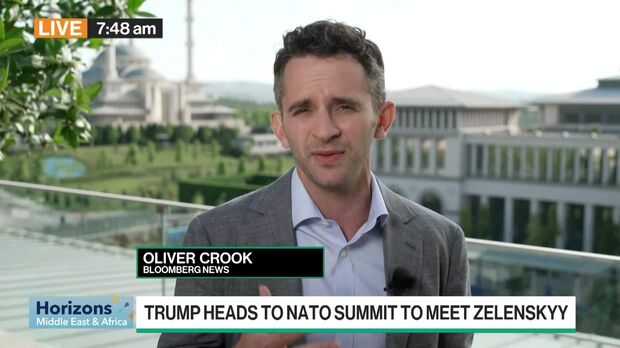
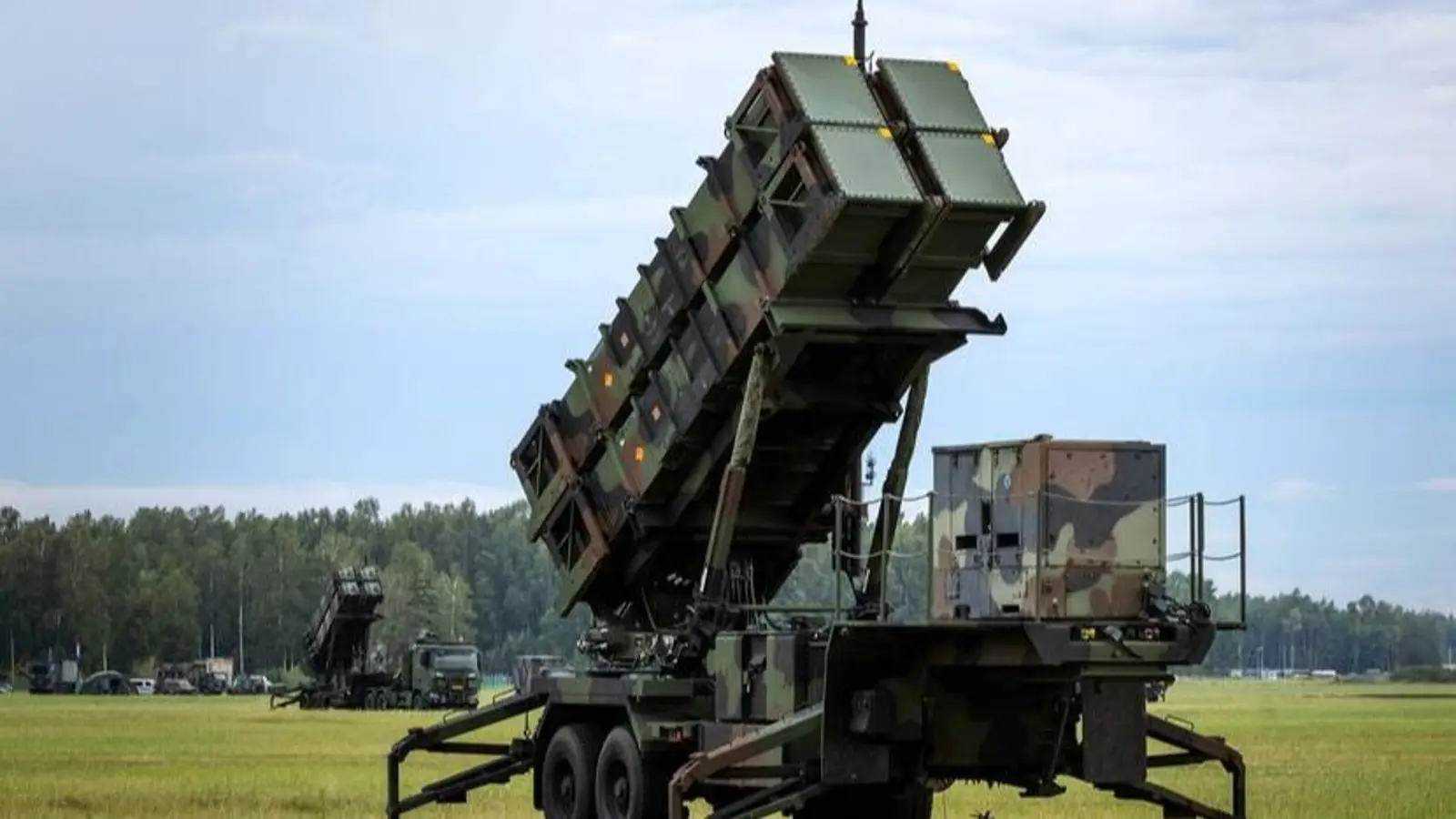
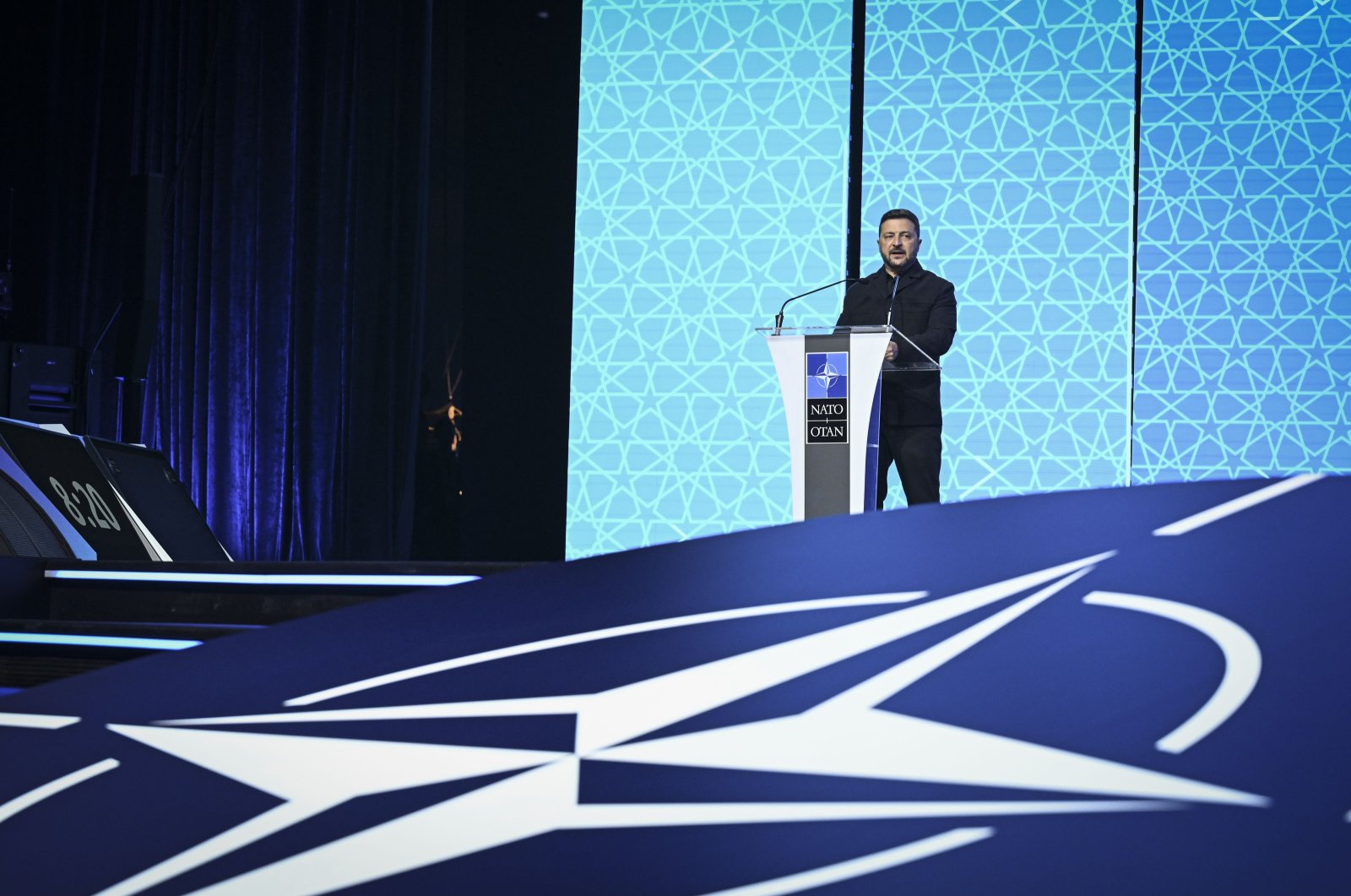
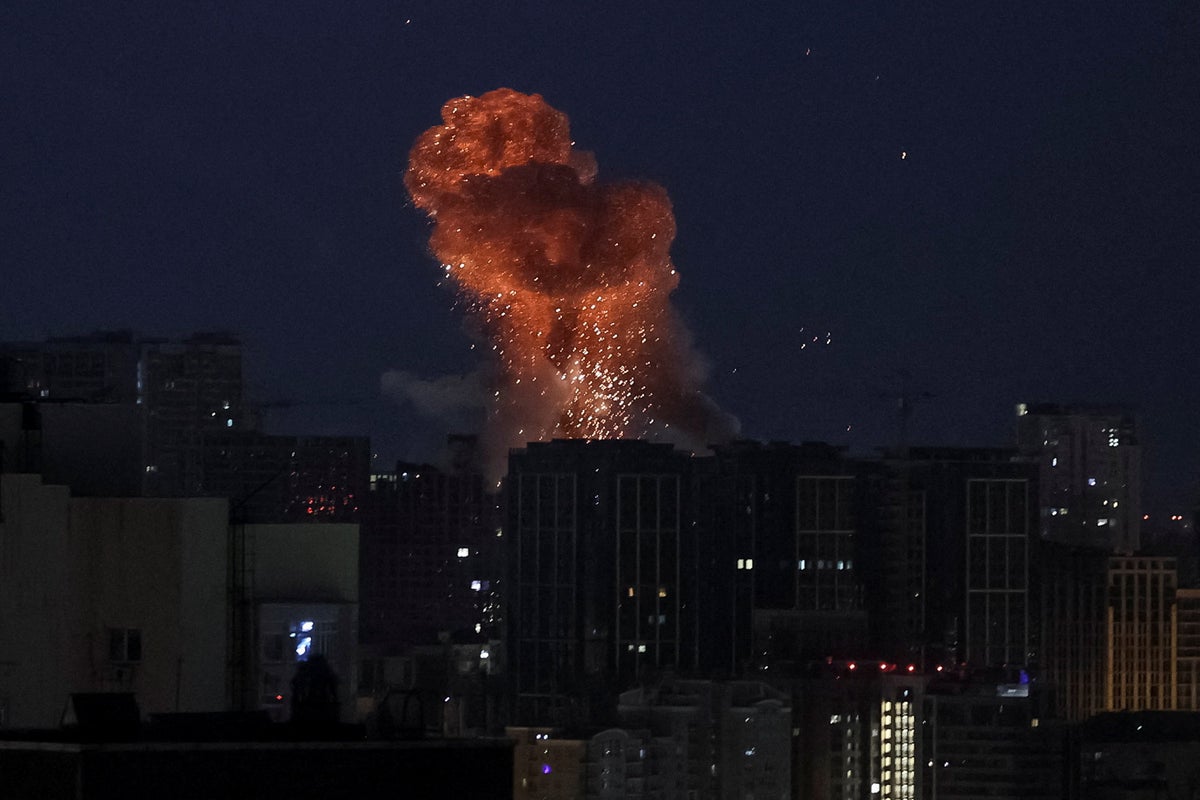
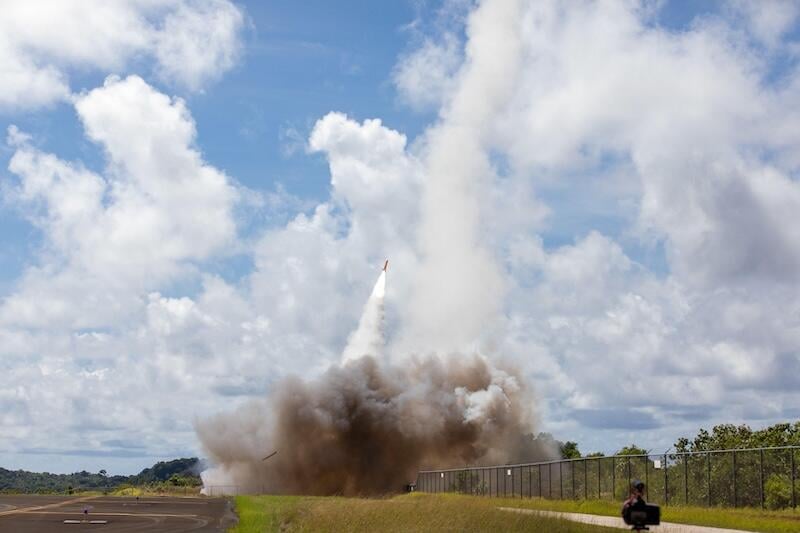
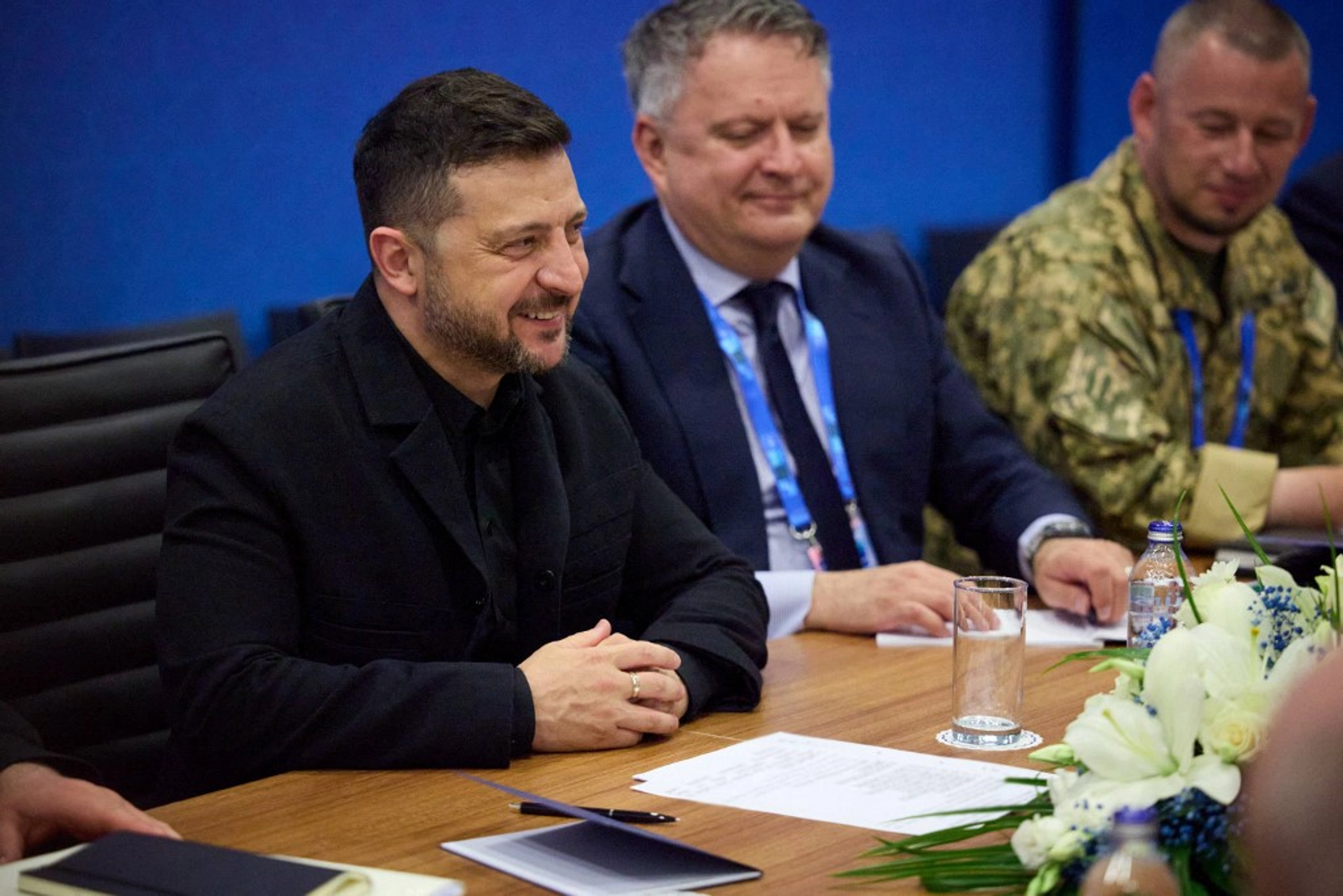
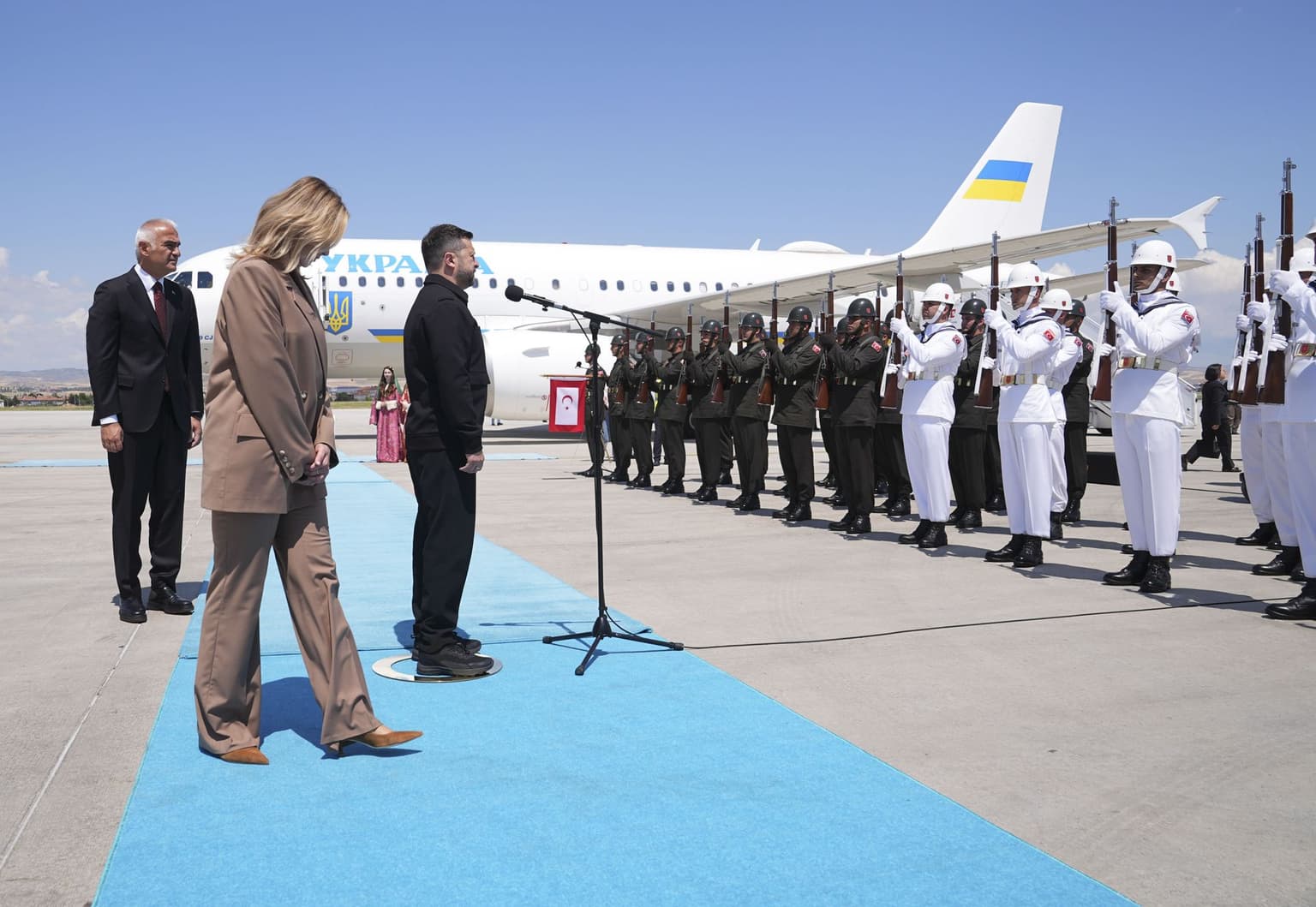
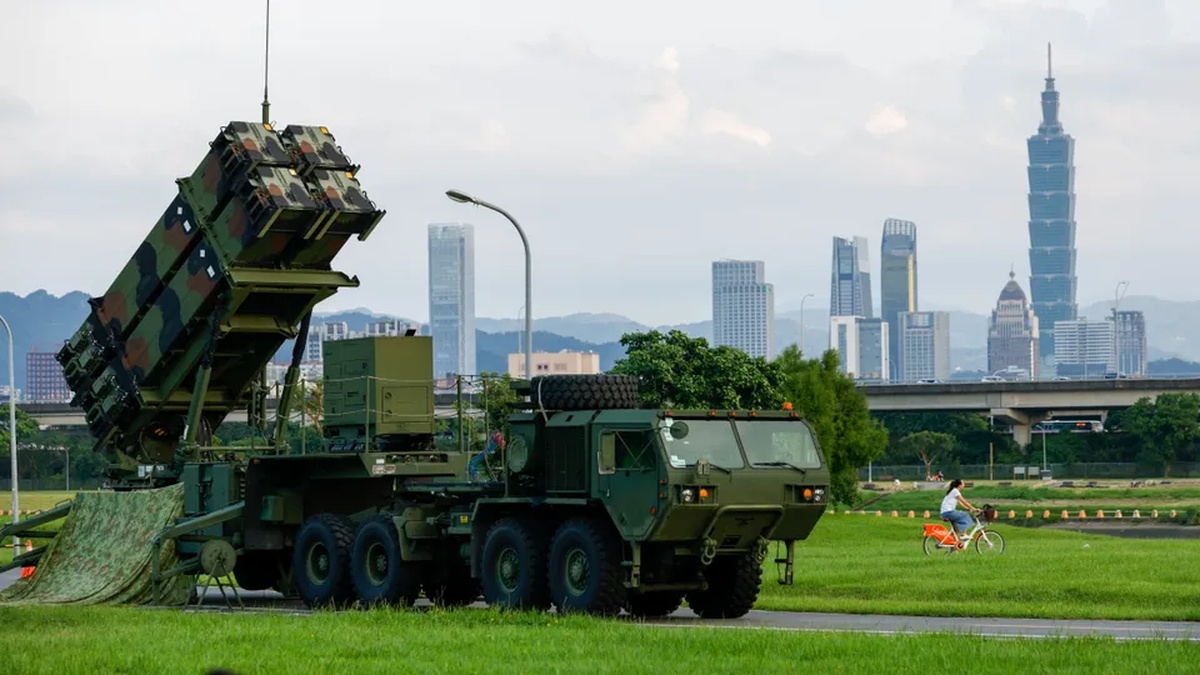
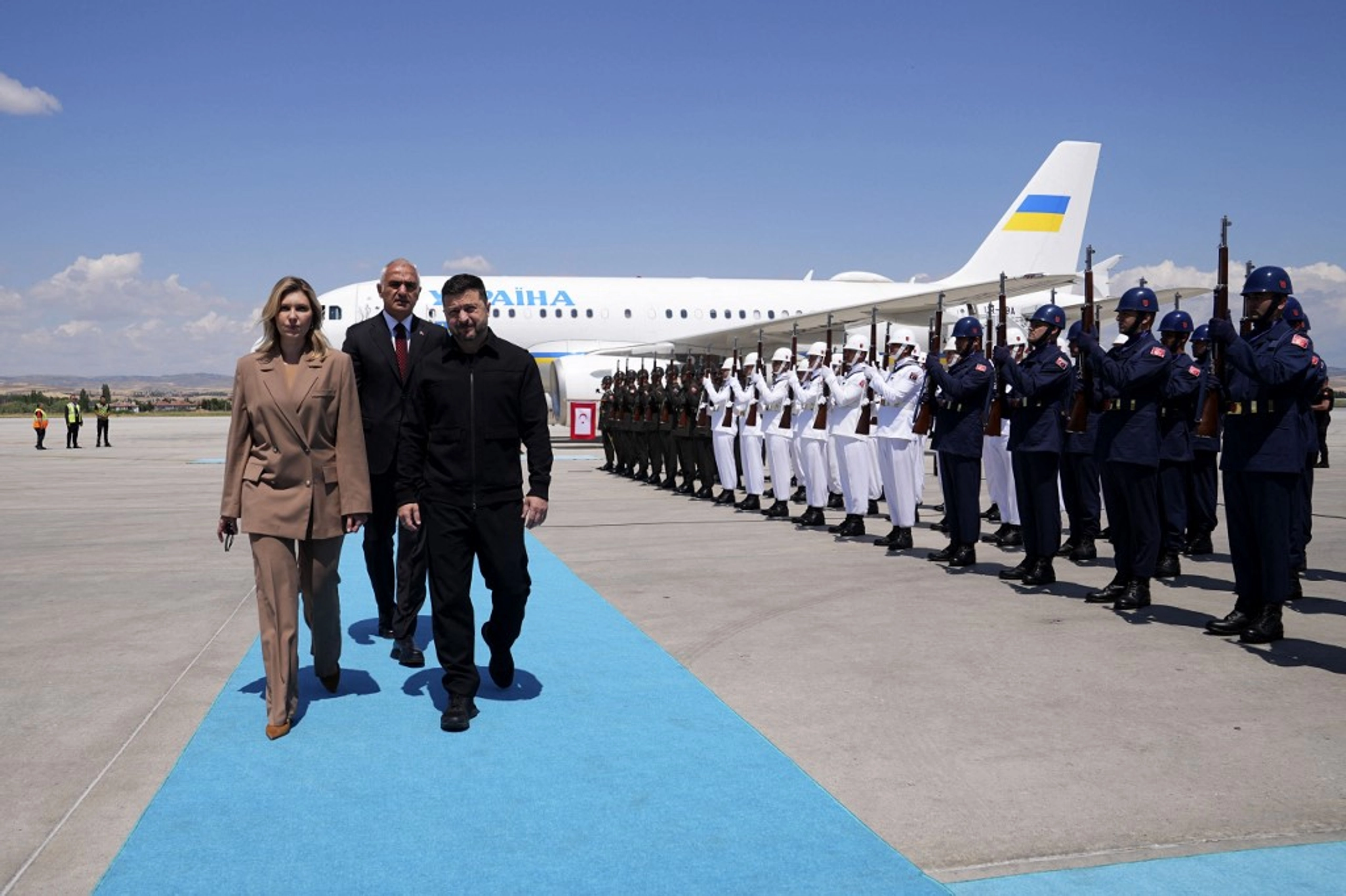
The July 7, 2026 NATO summit in Ankara marks a critical inflection point for defense industrial capacity expansion, with direct implications for cross-border sellers in electronics, precision manufacturing, and logistics sectors. Ukrainian President Zelenskyy's urgent appeal for Patriot air defense systems—coupled with his request for domestic production licenses—signals NATO's commitment to accelerating weapons manufacturing timelines from 2030+ to immediate deployment. This policy shift creates a multi-layered supply chain opportunity: Patriot system production requires advanced radar components, missile guidance electronics, control systems, and manufacturing equipment that must be sourced, assembled, and delivered across NATO member states.
For electronics and components sellers, this represents a 15-30% demand acceleration in HS codes 8534-8542 (electronic components), 8471-8473 (computing equipment), and 9014-9015 (navigation/targeting systems). European defense contractors are now competing for component suppliers who can meet NATO's accelerated timelines—typically 6-12 month delivery windows instead of 18-24 months. Sellers with certifications in military-grade electronics (MIL-SPEC compliance, ITAR registration for US exports) can command 20-35% price premiums. The news explicitly states that "current production levels are insufficient to meet operational demands" and Zelenskyy "called on European governments and industry to accelerate manufacturing efforts," indicating immediate procurement pressure.
For logistics and 3PL providers, the geopolitical shift creates urgent demand for specialized transportation of high-value defense components. NATO members are establishing new supply corridors from component manufacturers (primarily in Germany, Poland, Czech Republic, and US) to assembly facilities and deployment zones. Cross-border logistics sellers offering customs-compliant, expedited shipping for defense electronics can capture 25-40% margin improvements on standard rates. The Washington Post opinion piece notes that "allied nations would be willing to share their existing Patriot stockpiles if the United States guarantees replenishment," indicating sustained, multi-year procurement cycles rather than one-time purchases.
Competitive dynamics shift dramatically: Large defense contractors (Raytheon, Lockheed Martin, Thales) are now prioritizing supply chain partners who can scale rapidly. Mid-market electronics distributors and component suppliers in Poland, Czech Republic, and Hungary gain competitive advantage over Asian suppliers due to proximity to NATO assembly hubs and reduced customs complexity. Sellers with existing relationships in these regions or certifications for EU defense procurement (CAGE codes, NATO AQAP compliance) should immediately activate outreach to prime contractors. The timeline is compressed—Zelenskyy's statement that Europe should develop "mass-produced, affordable anti-ballistic systems immediately rather than waiting until 2030 or beyond" signals 12-18 month procurement windows for component suppliers.
Questions 7
What specific product categories benefit from NATO's accelerated defense production timeline?
Electronics and precision components (HS codes 8534-8542) see immediate 15-30% demand increases, particularly radar systems, missile guidance electronics, and control systems. The news reports Zelenskyy's call for accelerated Patriot production, which requires advanced radar, control vans, missile launchers, and interceptors. Sellers with MIL-SPEC certifications and ITAR registration can access this market at 20-35% price premiums. Defense contractors are now competing for suppliers who can meet 6-12 month delivery windows instead of traditional 18-24 month cycles, creating urgency for component sourcing.
How does Ukraine's drone warfare success affect defense electronics demand?
The news reports Ukraine has 'developed advanced drone warfare capabilities' and successfully intercepted 'nearly all drone attacks,' indicating demand for drone components, guidance systems, and electronic warfare equipment. Ukraine's confirmed strike on an oil refinery in Omsk (2,500 km away) demonstrates long-range drone capability requiring advanced electronics. This creates secondary demand for drone components, navigation systems, and electronic warfare equipment beyond traditional air defense. Sellers in these categories can expect 10-20% demand increases as NATO members accelerate drone program development. The strategic pressure campaign demonstrates Russia's vulnerability, likely accelerating NATO investment in drone technology alongside traditional air defense systems.