


Syria Political Stability Crisis | Cross-Border Sellers Face Middle East Market Risk
- Geopolitical instability in Syria creates supply chain vulnerabilities and market access challenges for sellers targeting Middle East region; security incidents signal ongoing compliance and logistics risks


















Overview
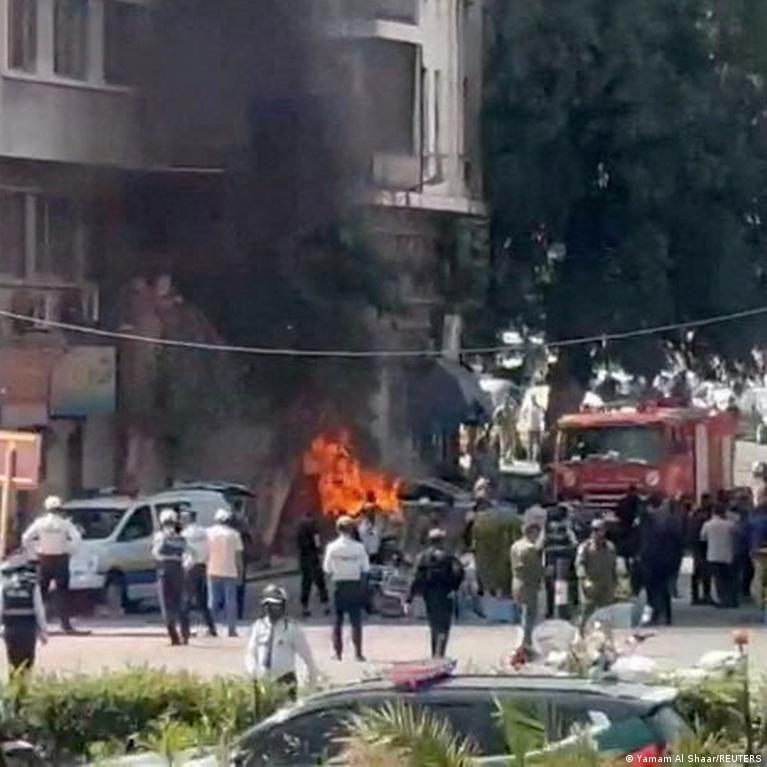
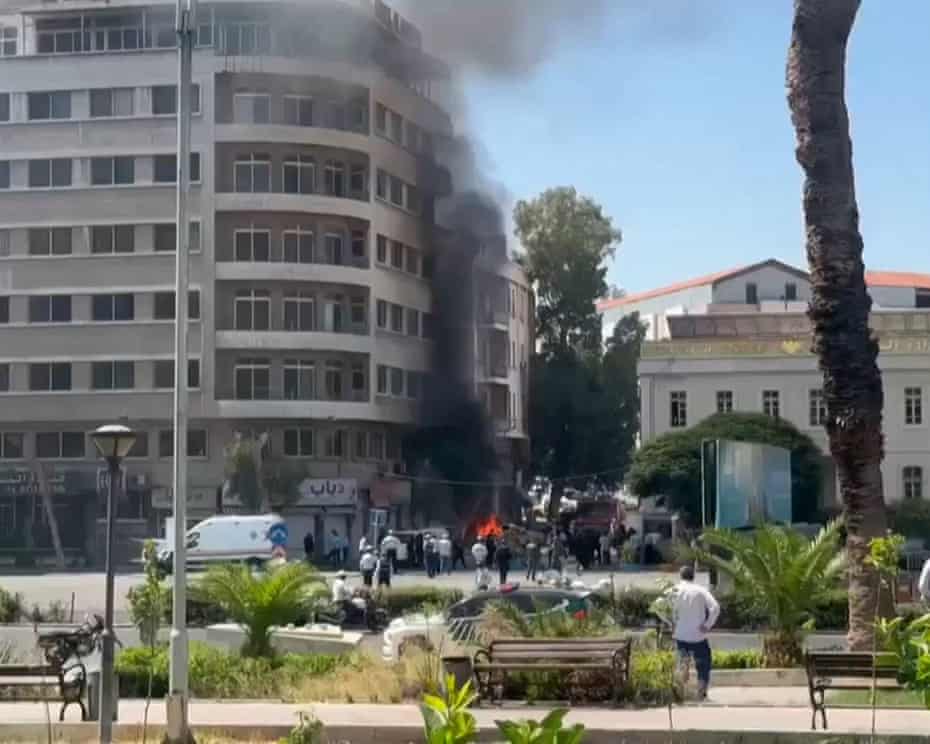
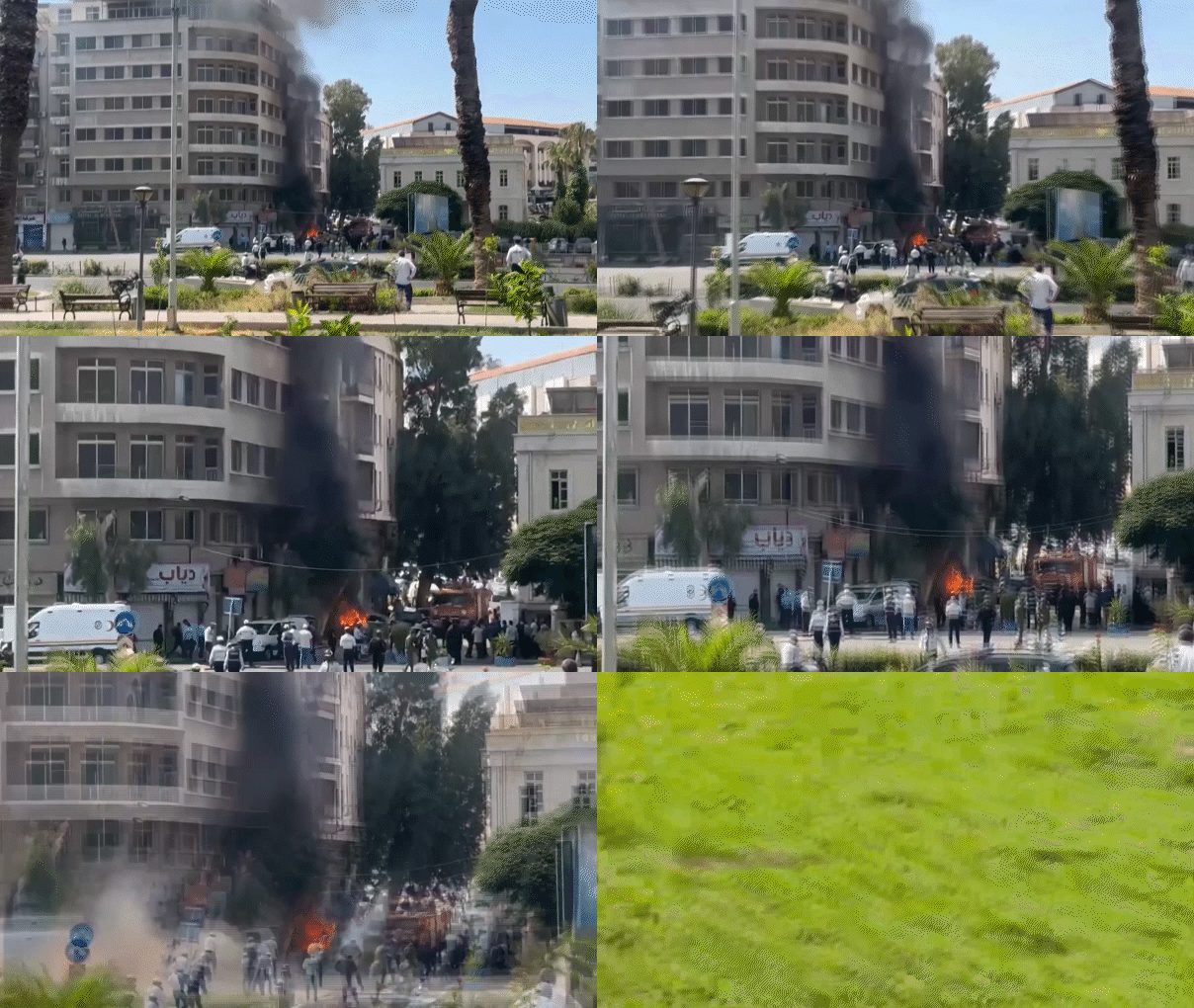
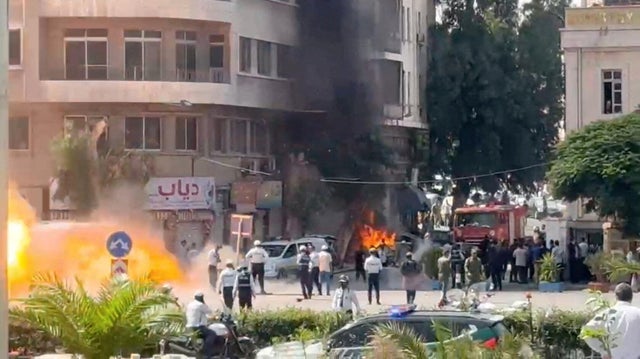
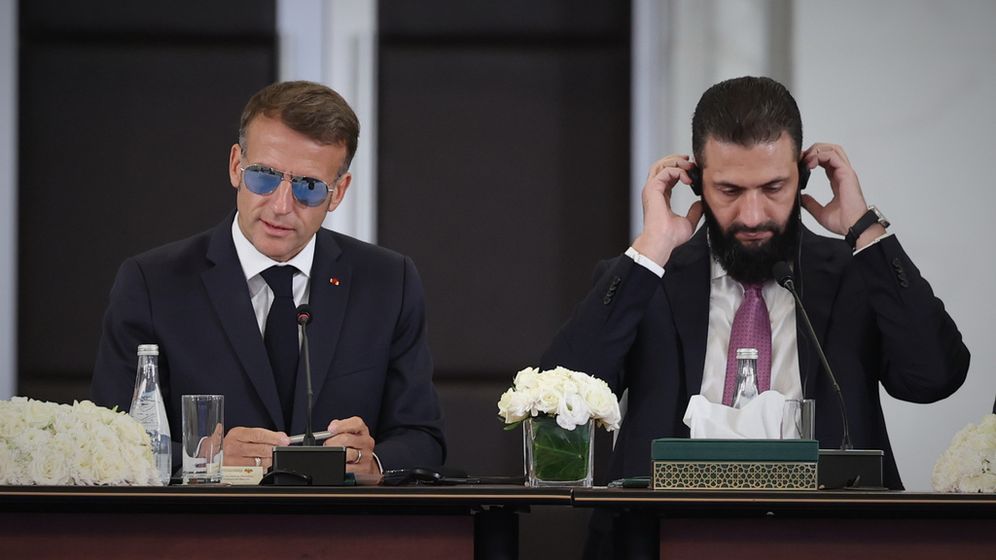
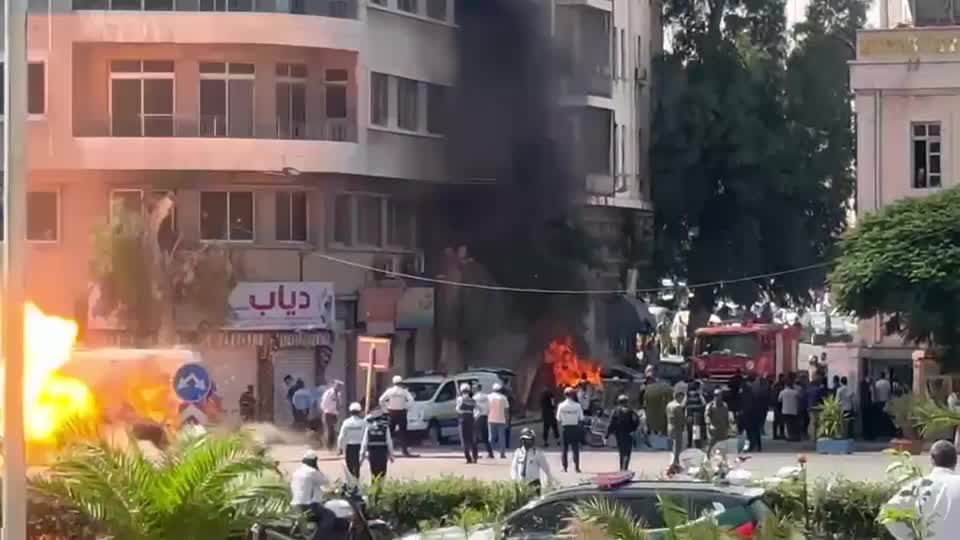
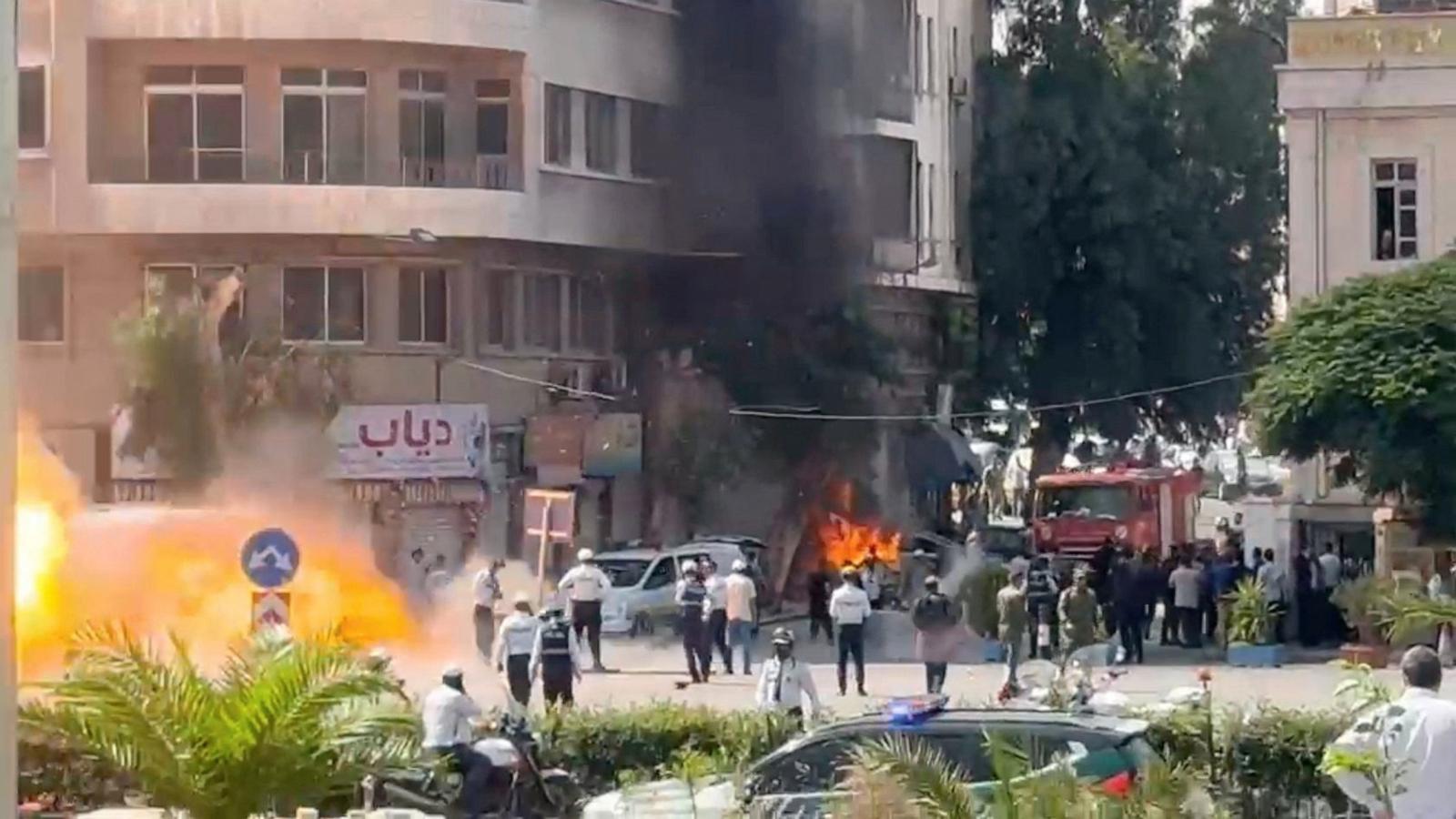
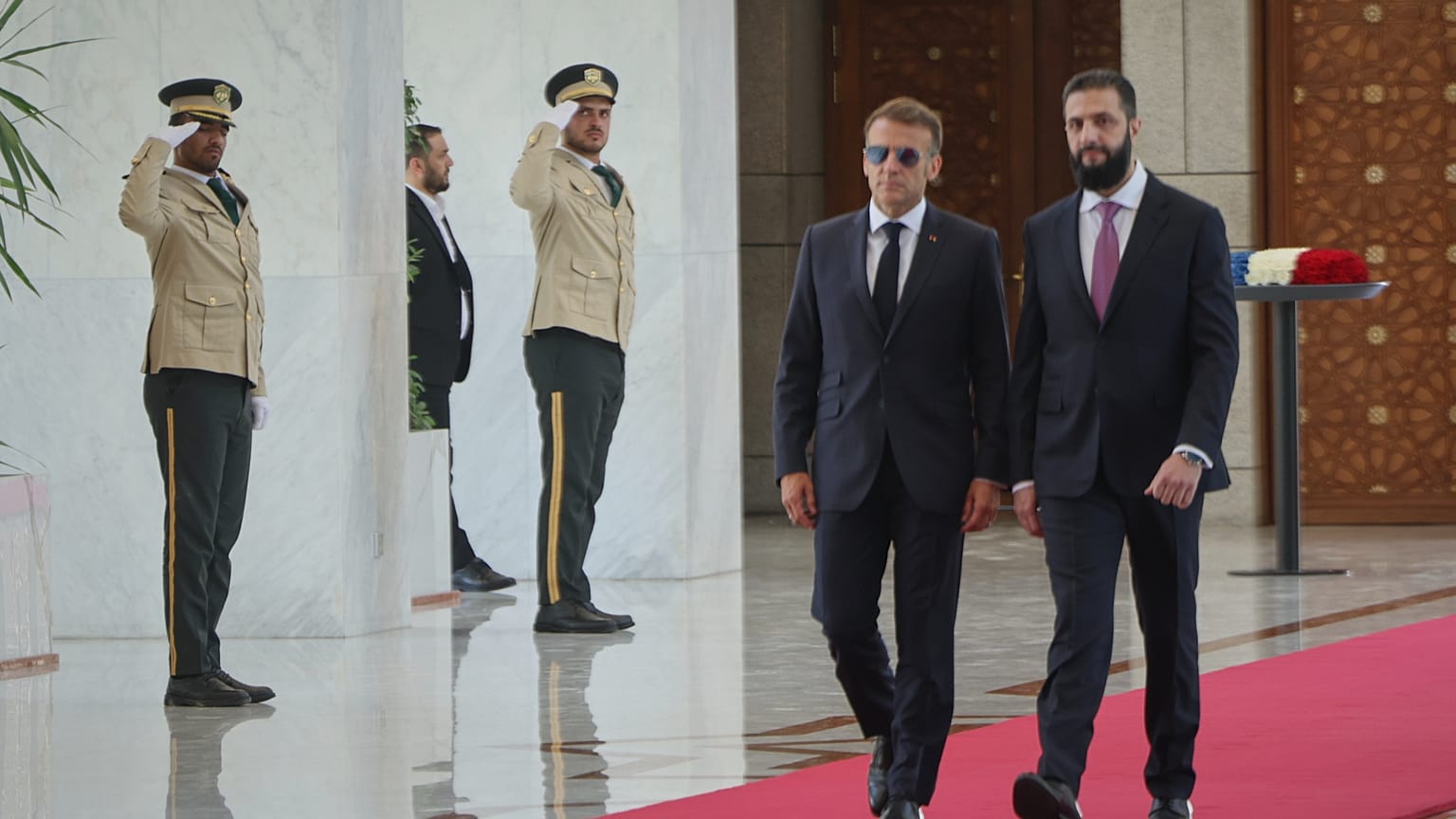
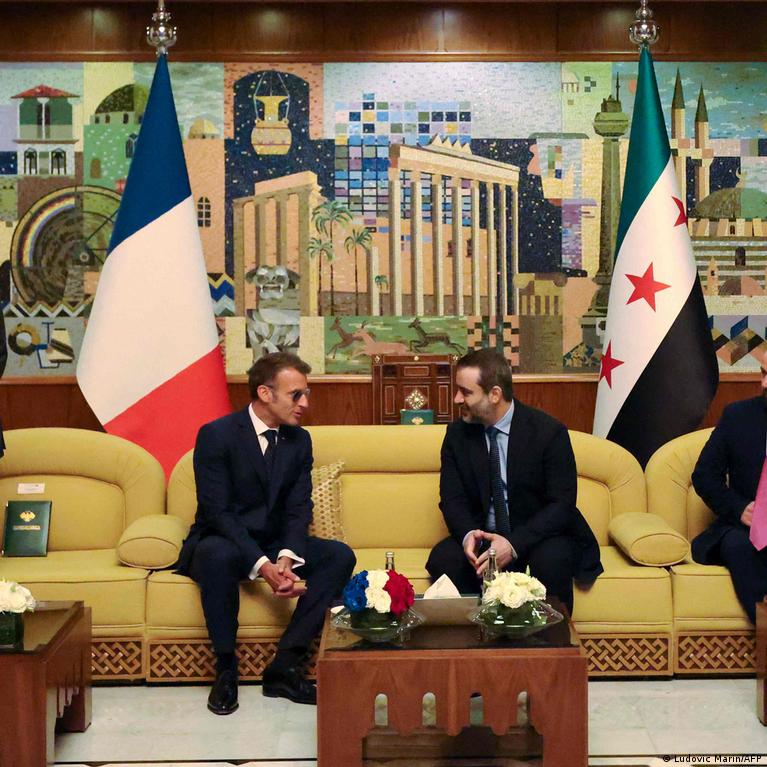
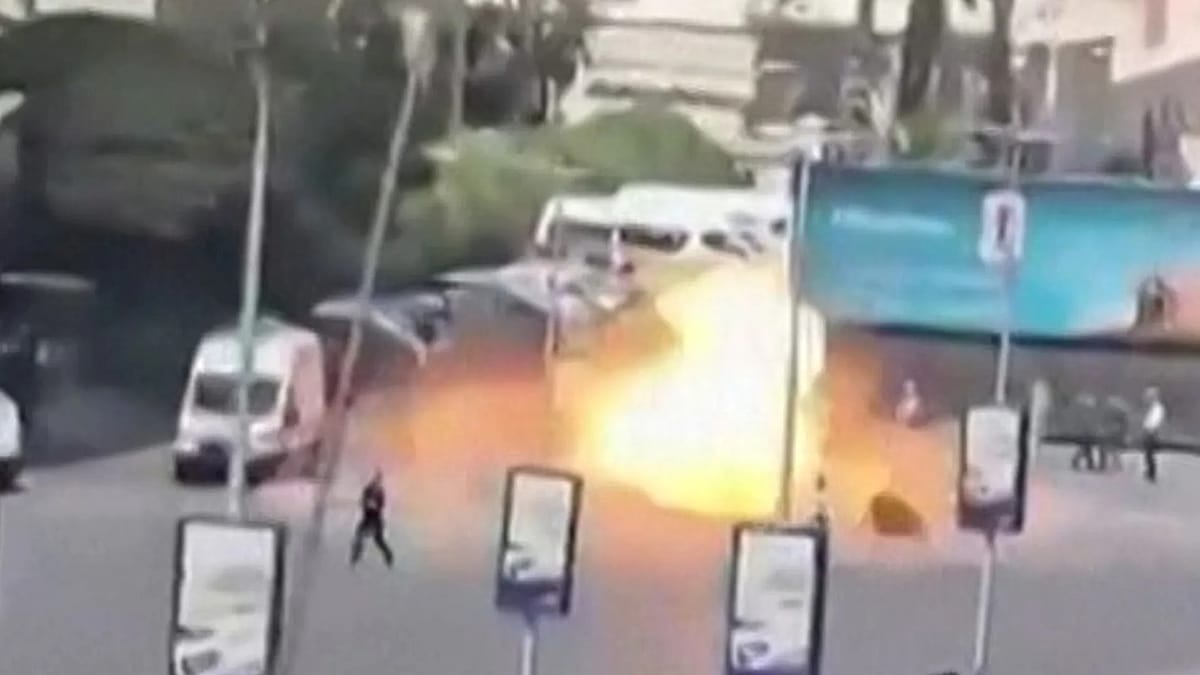
The July 7, 2026 bombing near French President Macron's Damascus hotel during a diplomatic visit to Syria represents a critical geopolitical risk indicator for cross-border e-commerce sellers operating in or targeting Middle Eastern markets. While the incident itself—two explosions near the Four Seasons Hotel that injured 18 people—did not result in direct casualties to Western leadership, it underscores persistent security challenges in Syria's post-Assad transition period that directly impact seller operations.
Market Access and Logistics Implications: Syria's ongoing security instability affects multiple seller segments. The incident marks the second major attack in Damascus within days (following a café explosion near the Justice Palace that killed 10+ people), indicating deteriorating security conditions despite government efforts to establish stability through diplomatic engagement. For sellers shipping to Syria or neighboring markets (Lebanon, Iraq, Jordan), this creates three operational risks: (1) increased customs delays and inspection protocols due to heightened security measures, (2) higher insurance costs for shipments to the region, and (3) potential supply chain disruptions if logistics partners reduce operations in high-risk zones.
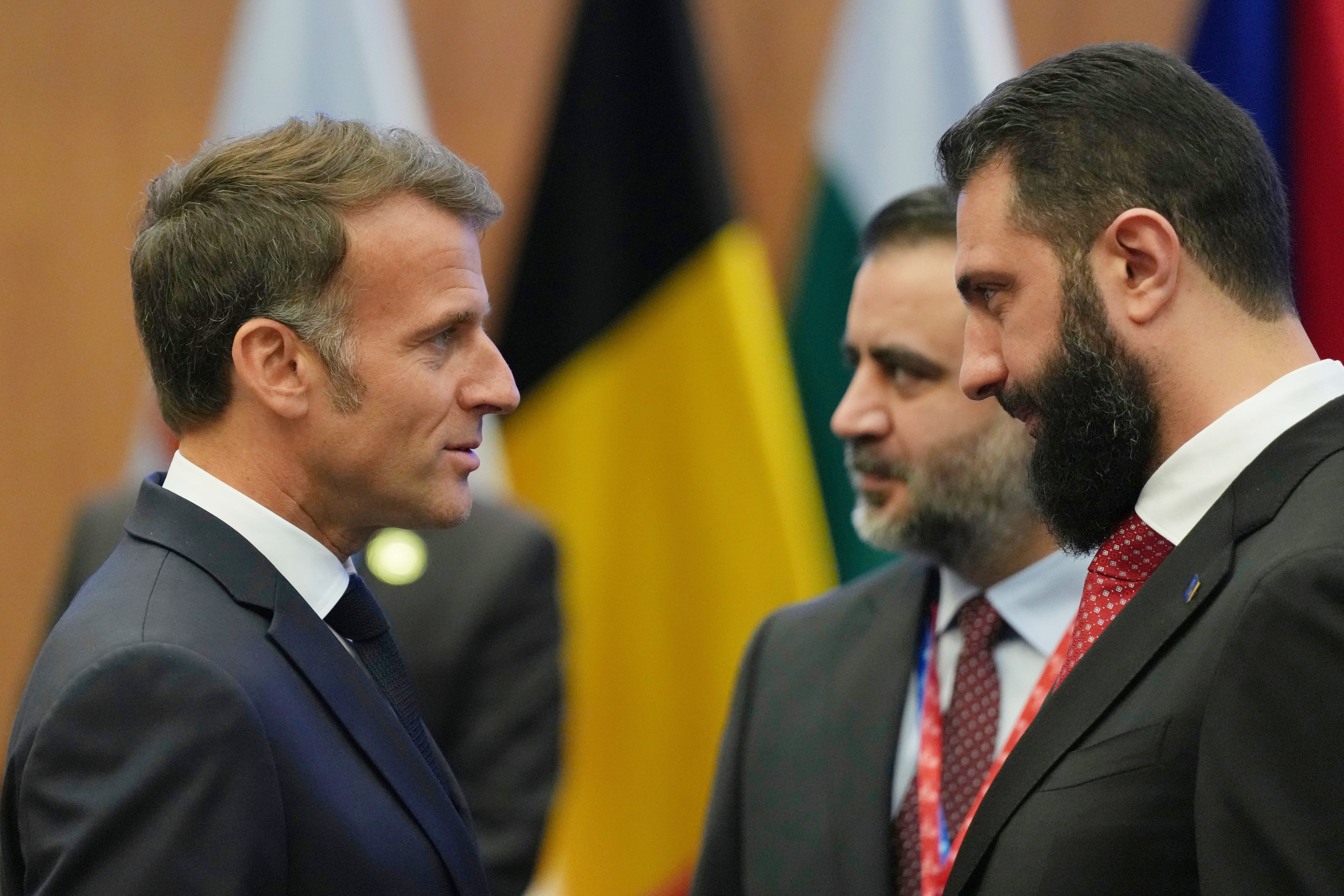
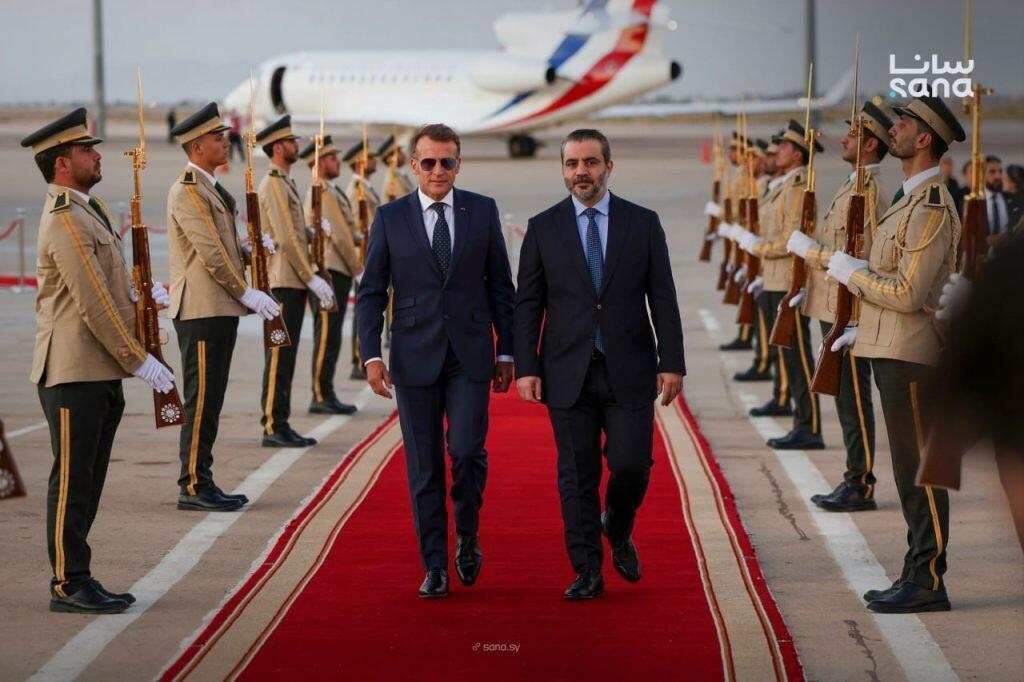
Geopolitical Context Affecting Trade: Syrian President Ahmed al-Sharaa's diplomatic outreach to Western nations—evidenced by Macron's continued visit despite the bombing—signals potential normalization of trade relations. However, the persistence of ISIS remnants and ongoing U.S./Israeli military operations create compliance complexity. Sellers must navigate evolving sanctions frameworks, export control regulations, and payment processing restrictions that vary by jurisdiction. The incident demonstrates that political stability remains fragile, making long-term market commitments risky.
Consumer Demand Shifts: Security incidents typically trigger two opposing market effects: (1) reduced consumer spending in affected regions as citizens prioritize safety over discretionary purchases, and (2) increased demand for security-related products (surveillance equipment, safety gear, emergency supplies) in neighboring stable markets. Sellers in electronics, home security, and emergency preparedness categories should monitor demand patterns in Gulf Cooperation Council (GCC) countries, which may see increased purchasing as regional risk awareness rises.
Recommended Actions: Sellers with existing Middle East operations should immediately review insurance coverage for shipments to Syria and neighboring countries, assess 3PL provider stability in the region, and consider temporary inventory reductions in high-risk zones. Monitor diplomatic developments—successful normalization could open market opportunities, while escalation would necessitate supply chain pivots to alternative routes through Turkey or UAE. Update product listings to reflect any changes in shipping availability or delivery timelines to affected regions.
Questions 8
What product categories see increased demand during Middle East geopolitical instability?
Security incidents typically boost demand for surveillance equipment (cameras, monitoring systems), emergency supplies (first aid kits, water purification), and safety gear (protective equipment, alarms) in neighboring stable markets like UAE, Saudi Arabia, and Jordan. These categories historically see 30-50% demand spikes during regional crises. Sellers in electronics and home security should increase inventory in GCC marketplaces and adjust PPC campaigns to target safety-conscious consumers. Conversely, discretionary categories (fashion, home décor, entertainment) may see 15-20% demand declines in affected regions.
Should sellers pause inventory shipments to Middle East during security crises?
A temporary pause (7-14 days) is prudent during active security incidents to allow customs procedures to normalize and shipping routes to stabilize. However, complete withdrawal depends on your market strategy: if Syria/Lebanon represent <5% of revenue, pausing is low-risk; if they represent 10%+ of sales, consider diversifying through UAE or Saudi Arabia instead. Monitor diplomatic developments—Macron's continued visit signals potential normalization, which could improve conditions within 30-60 days. Maintain communication with 3PL providers to resume operations as soon as security assessments improve.