

Space Debris Safety Alerts Drive Demand for Emergency Preparedness Products in Australia
- Evacuation of 41,300 residents signals consumer interest in hazard detection and emergency kits; sellers can capitalize on regional safety product demand surge


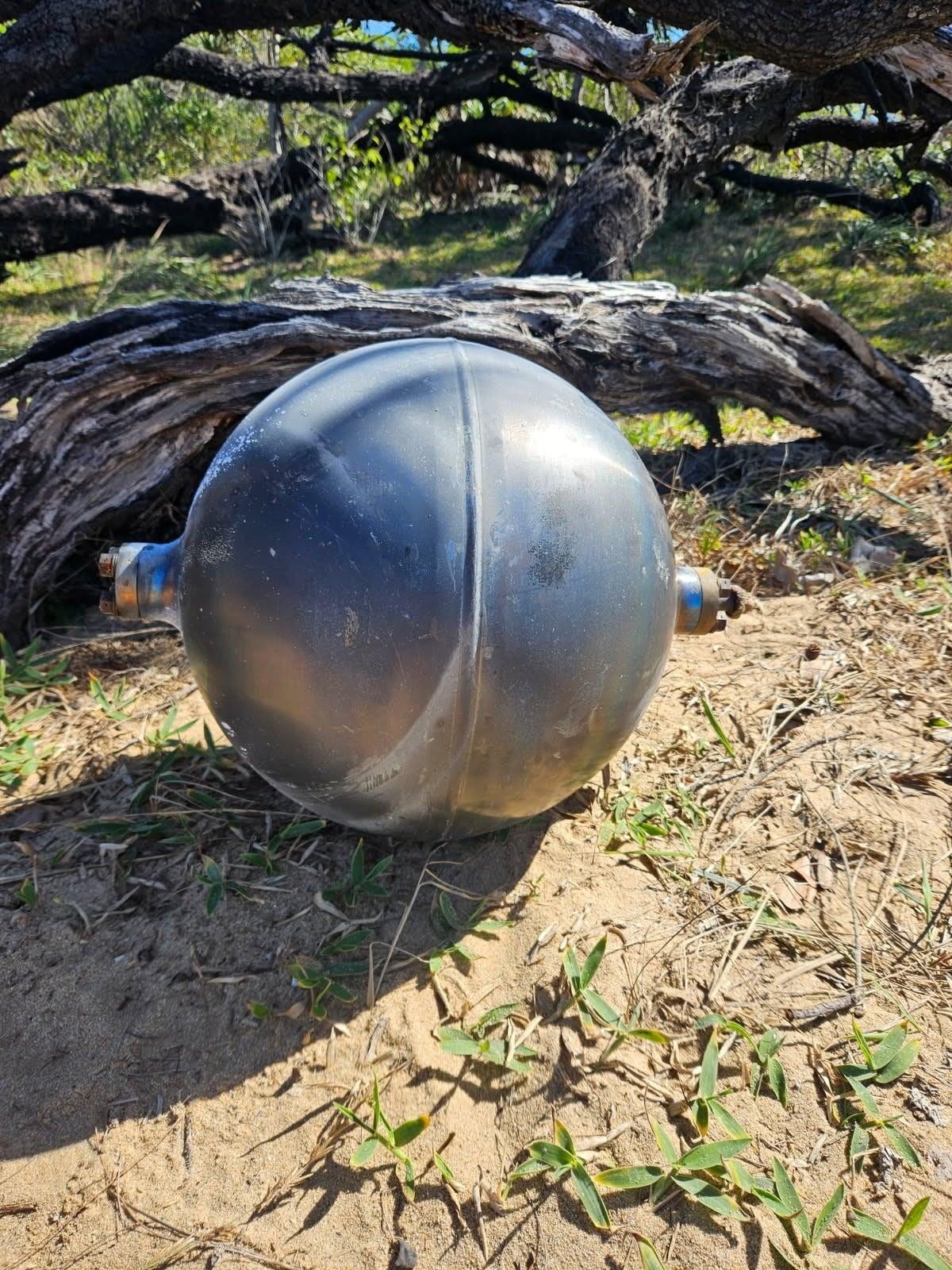

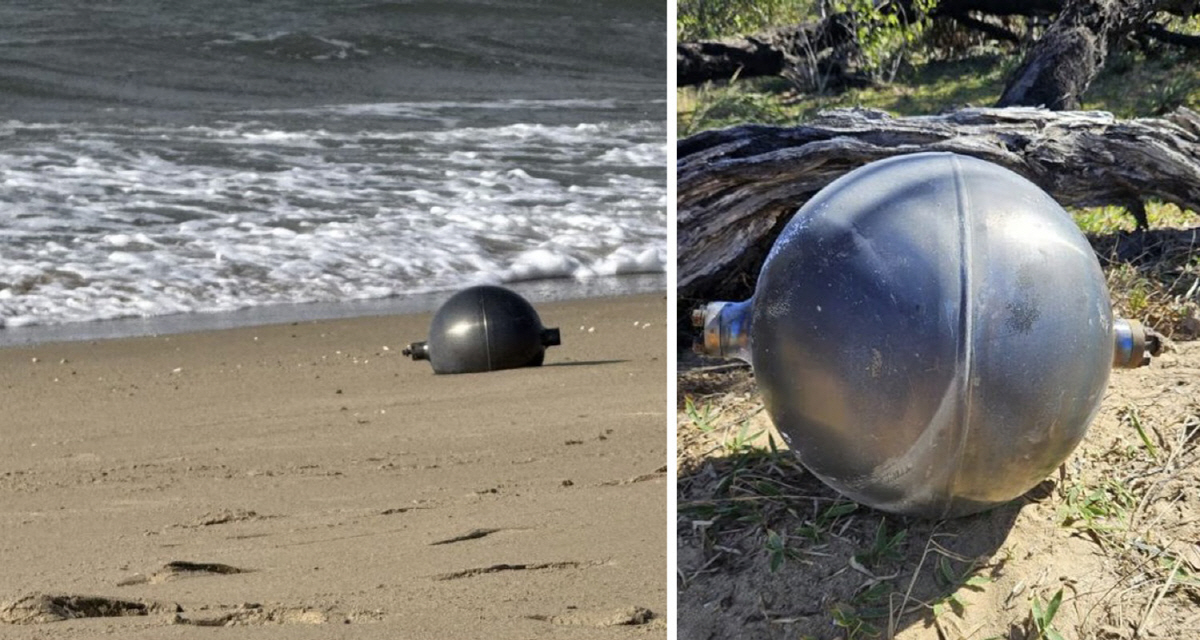
:focal(750x500:751x501)/https://tf-cmsv2-smithsonianmag-media.s3.amazonaws.com/filer_public/e7/12/e712ea2b-abc3-487d-b14e-0b3aece0145d/smithsonian_feature_images_2.png)



)




)


Overview
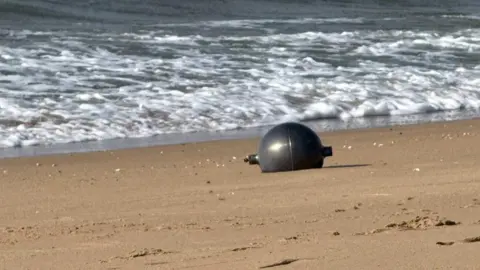
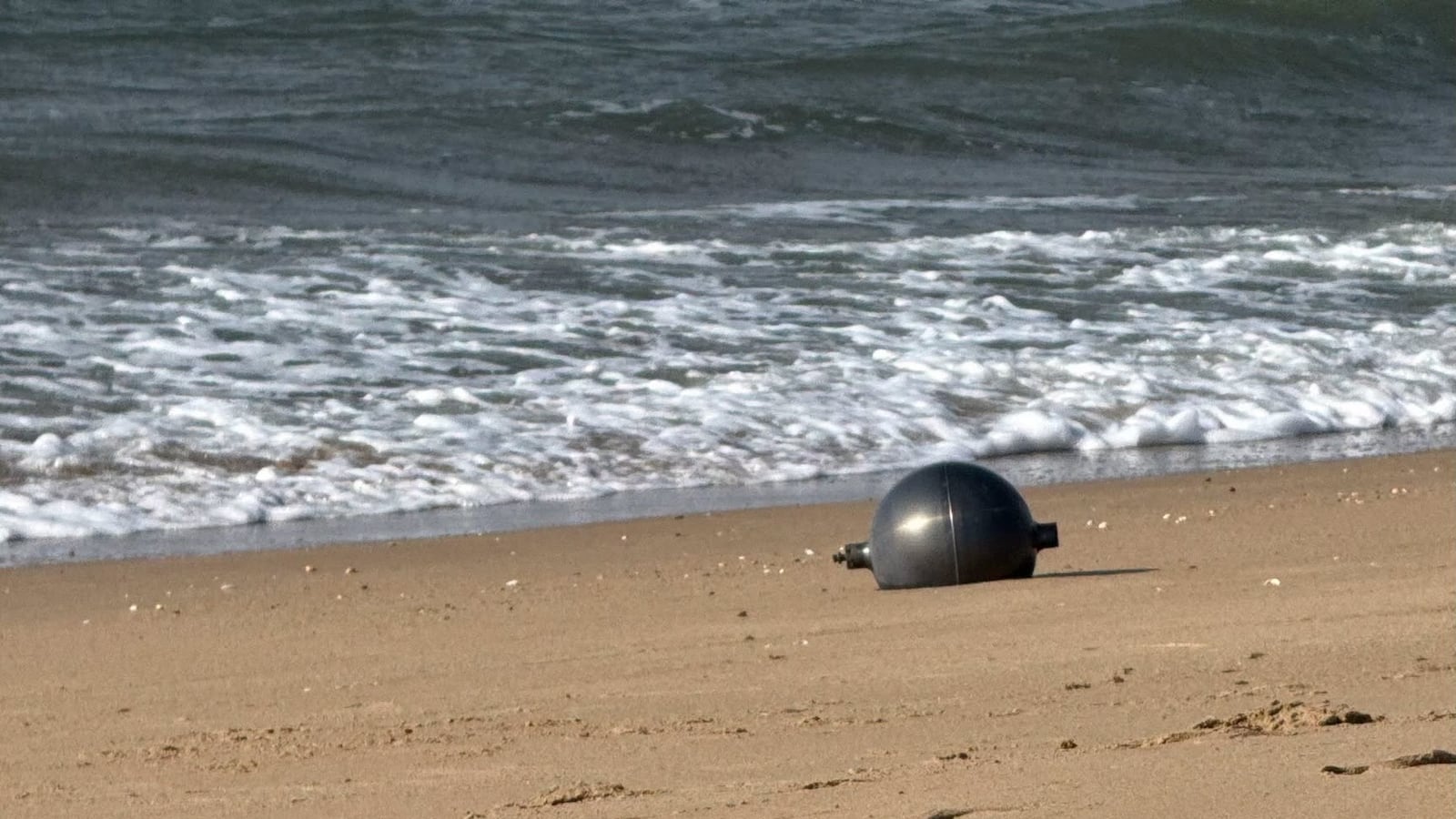
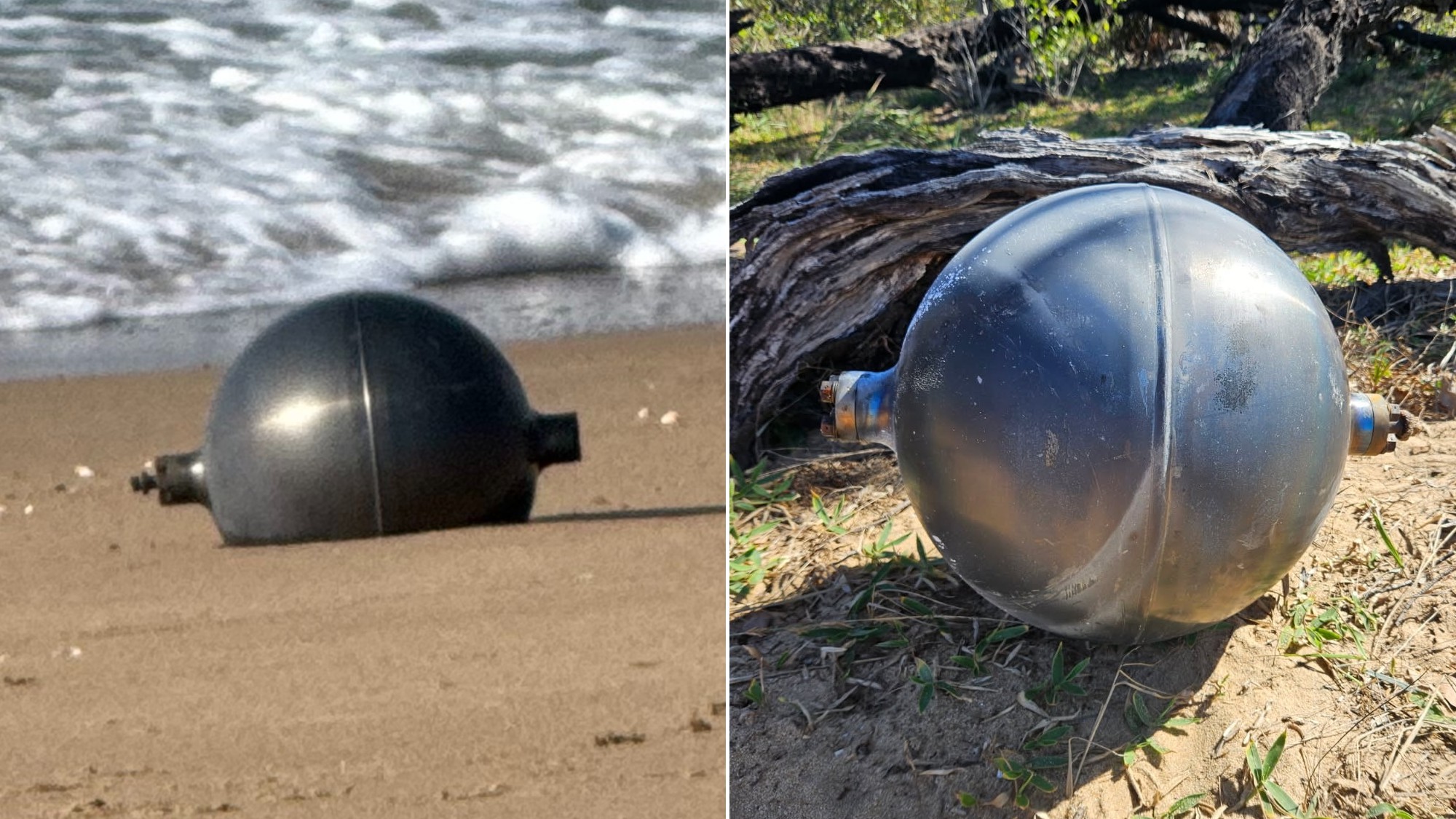
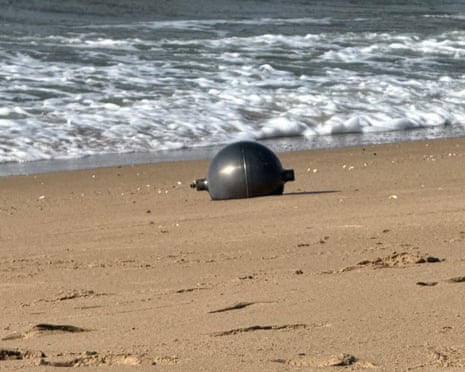
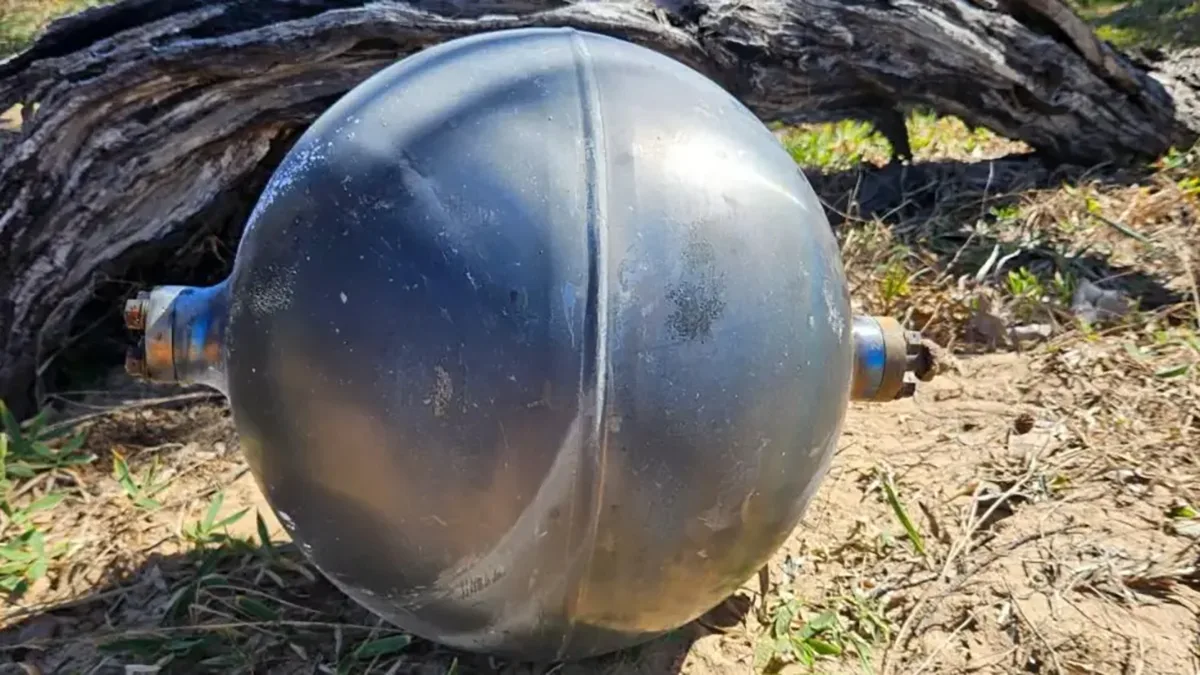
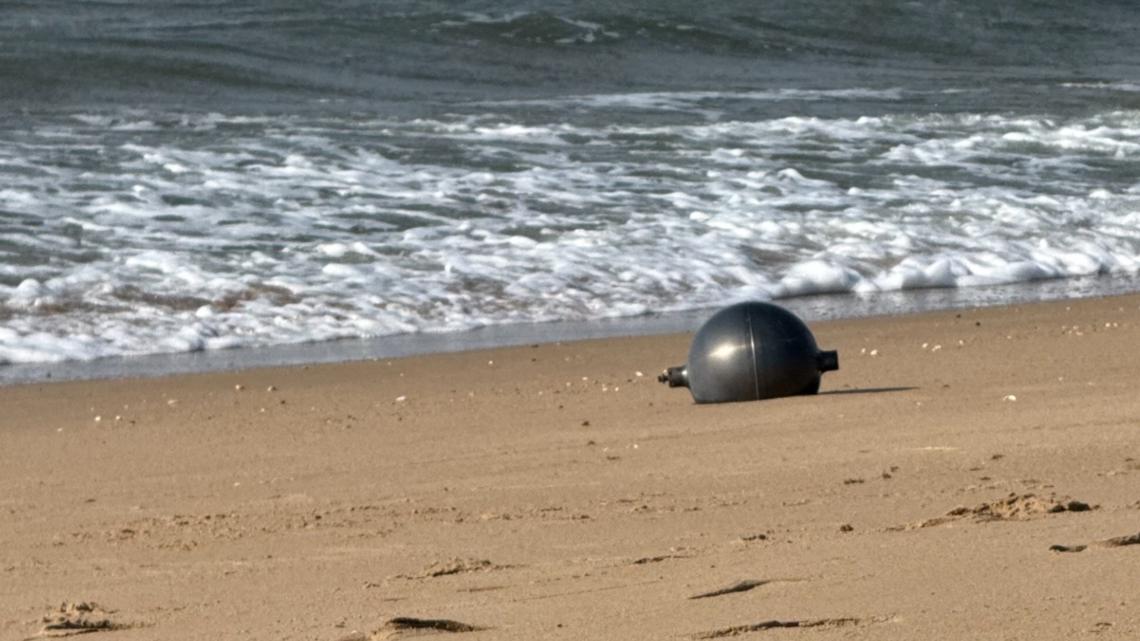
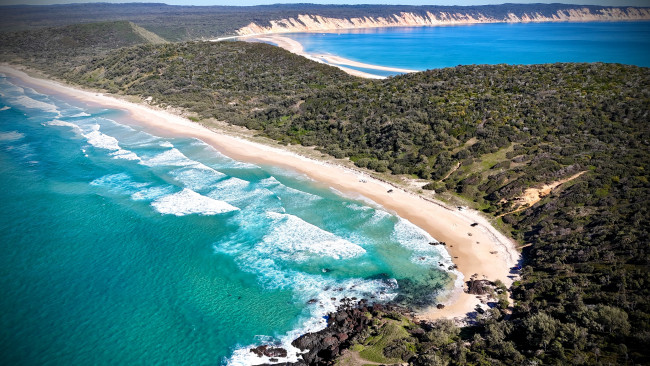
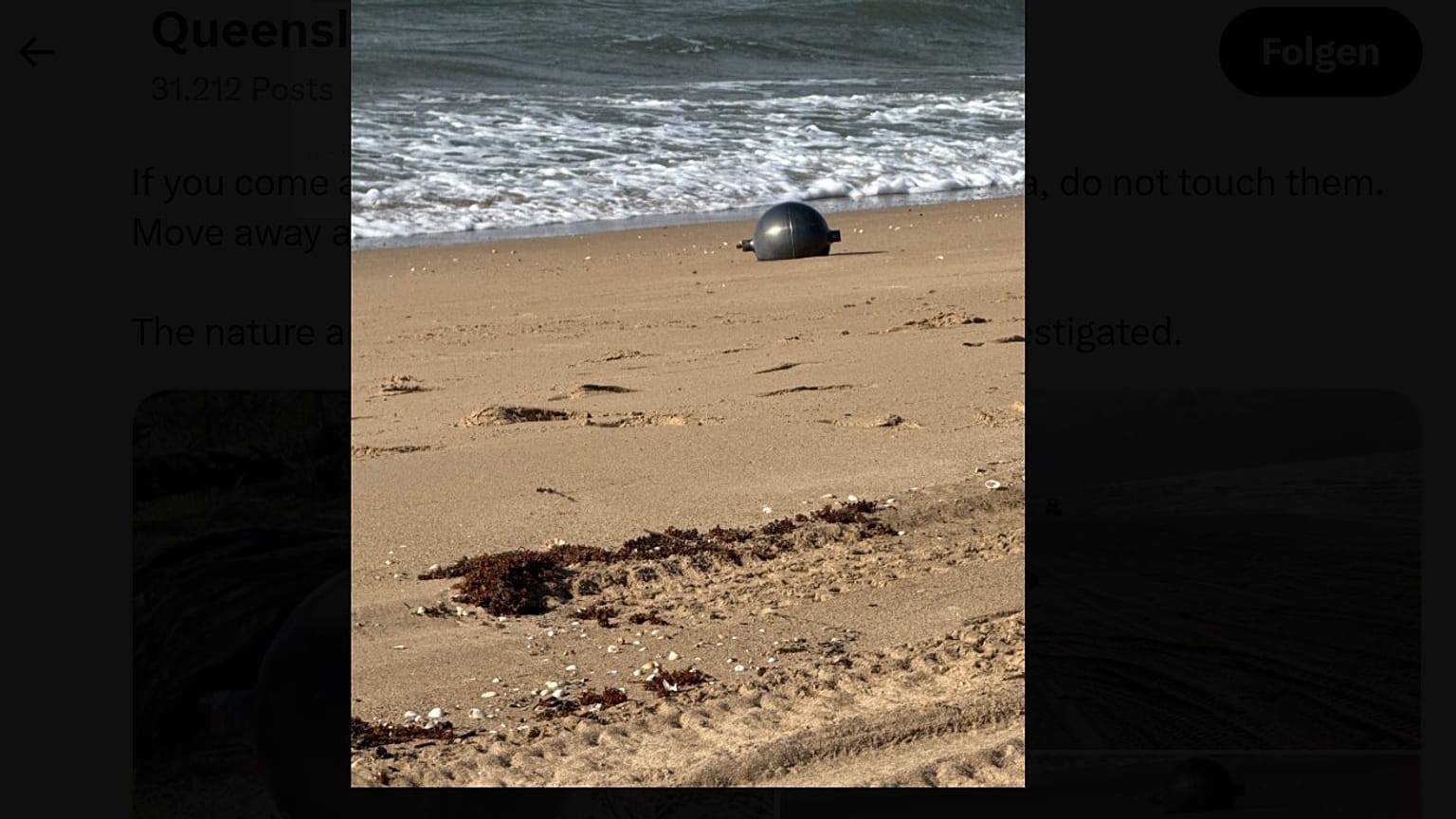
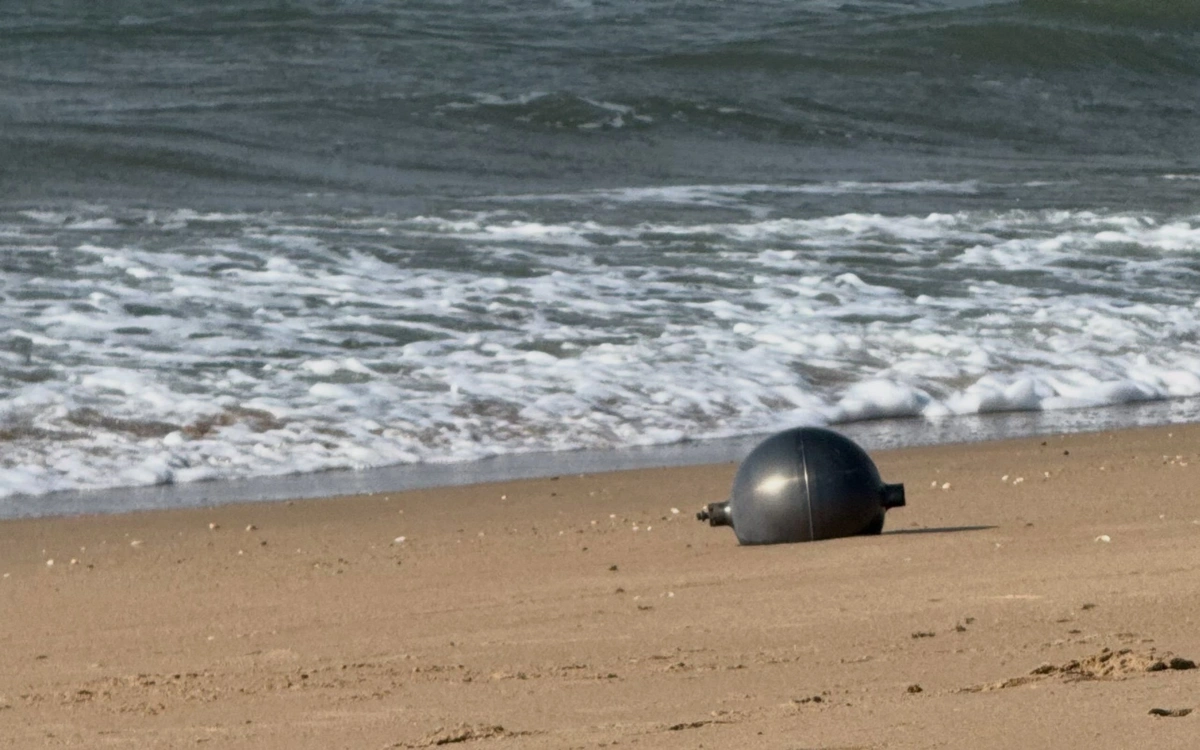
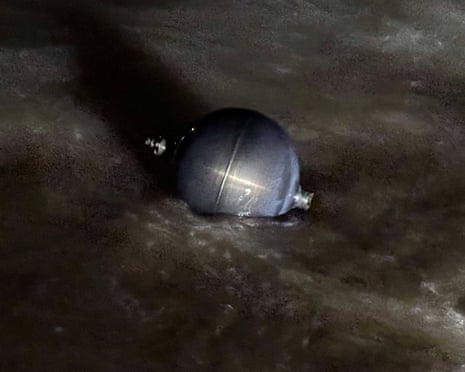
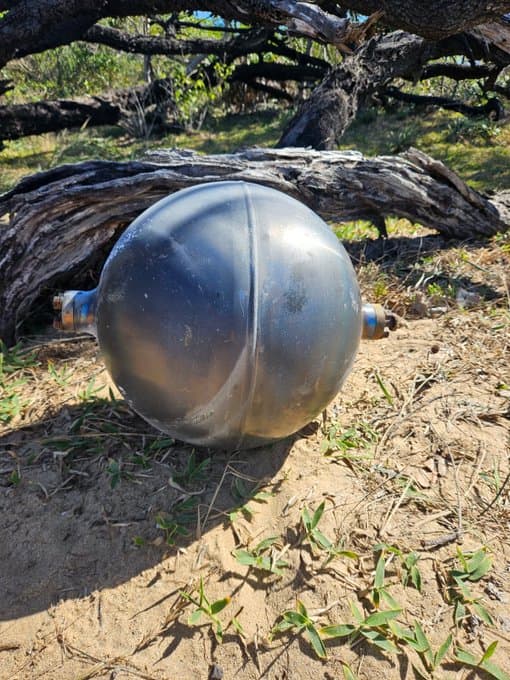
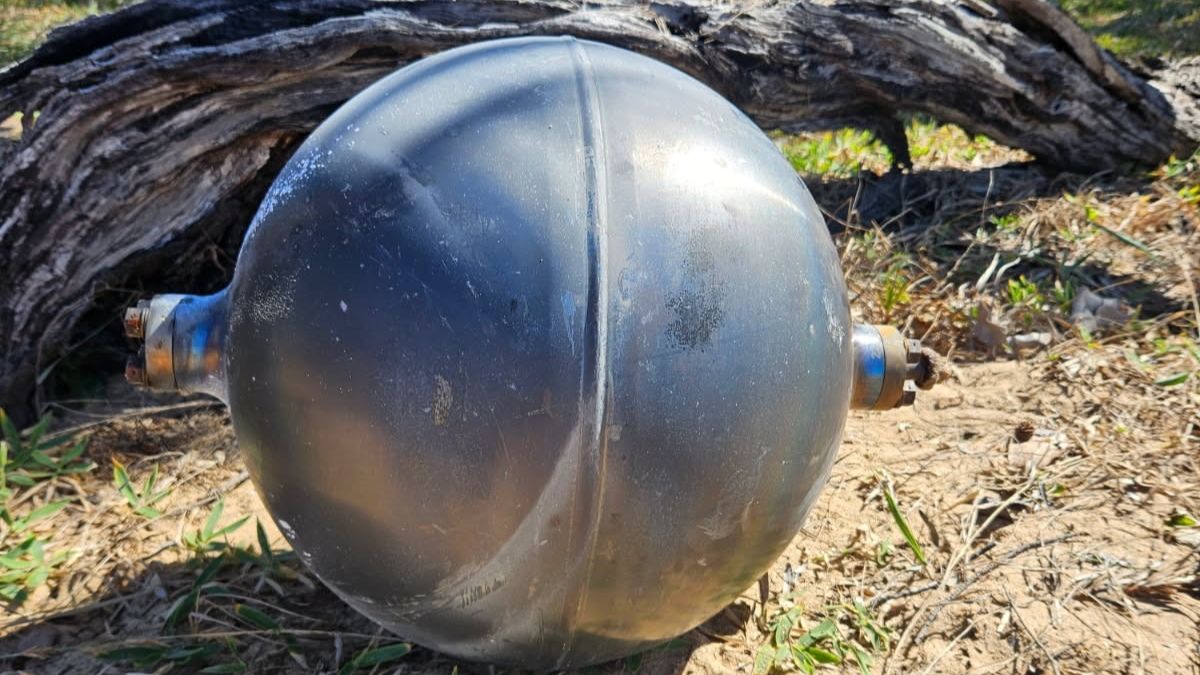
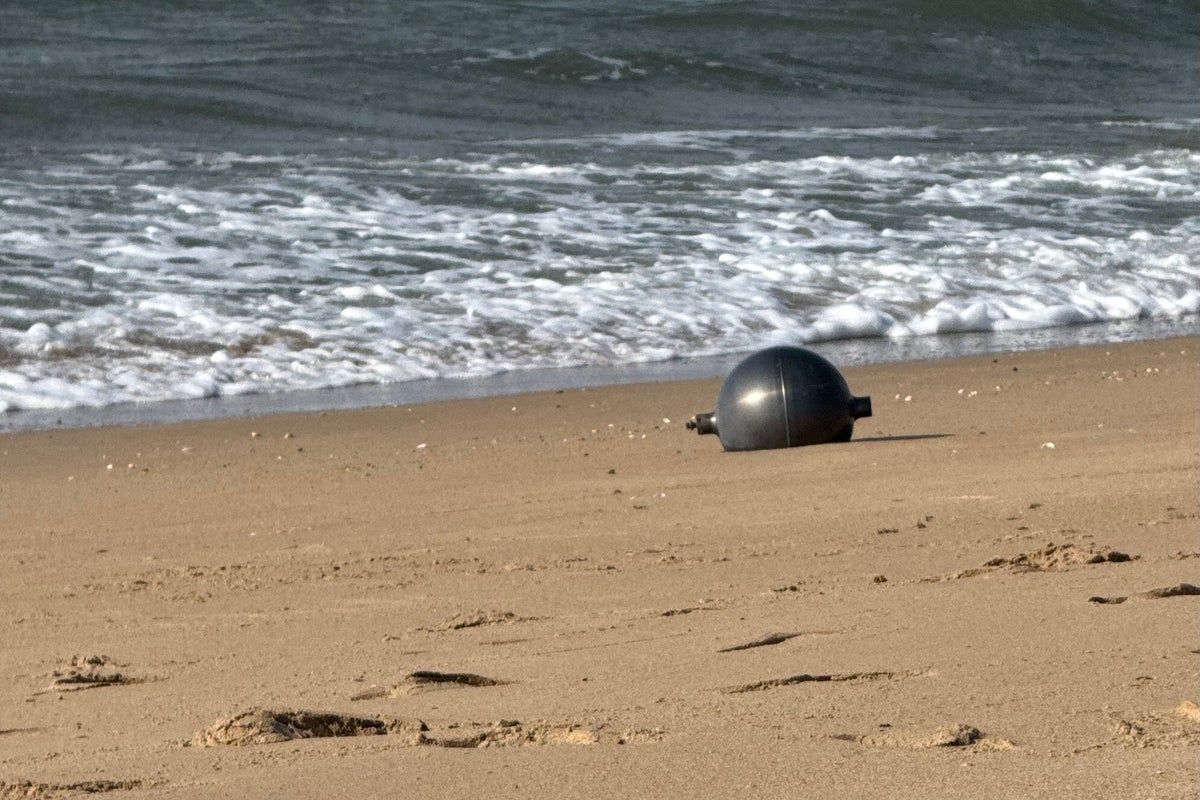
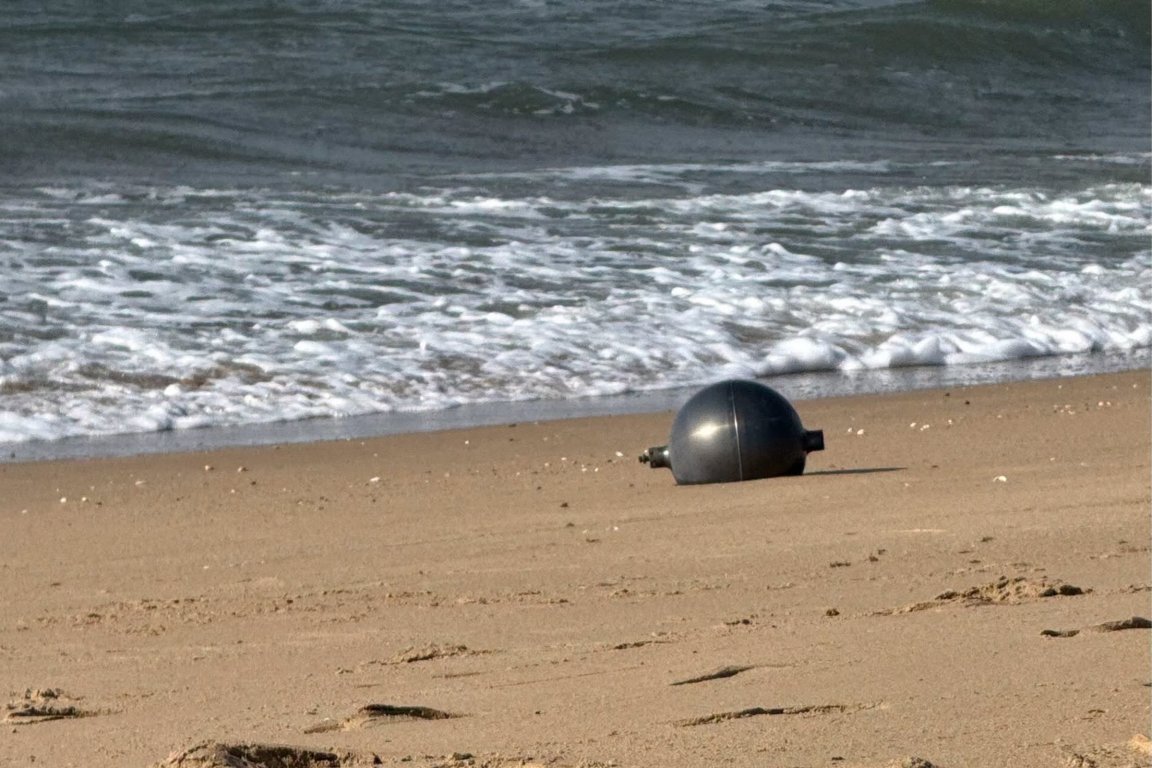
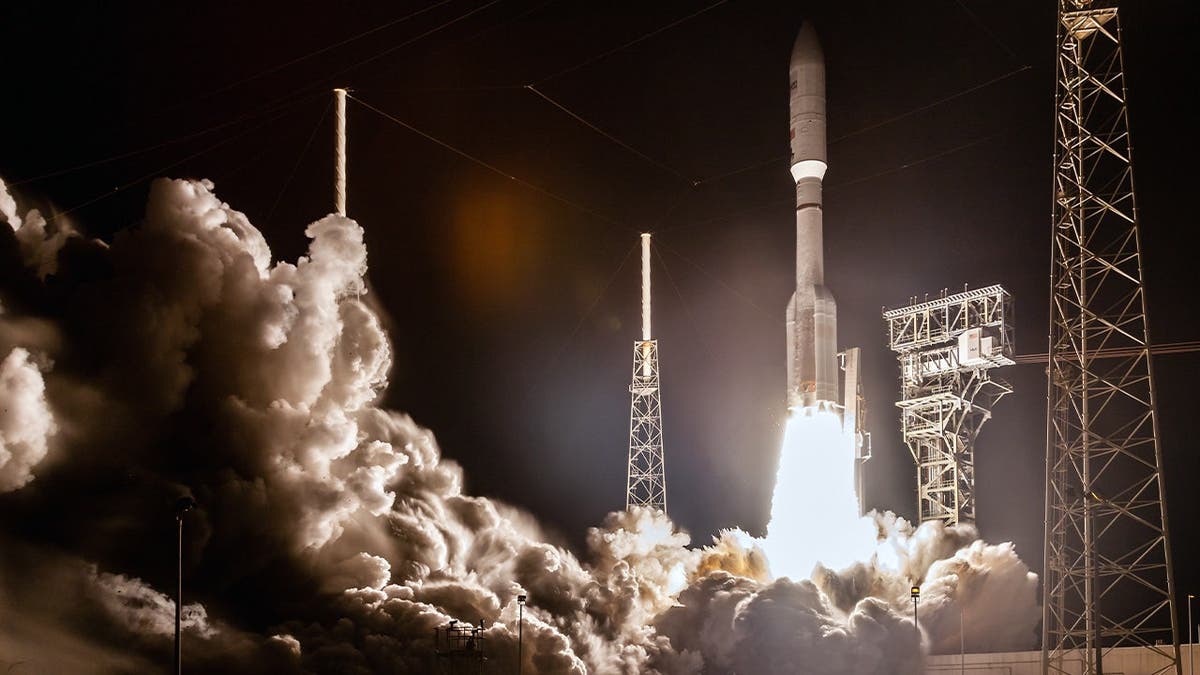
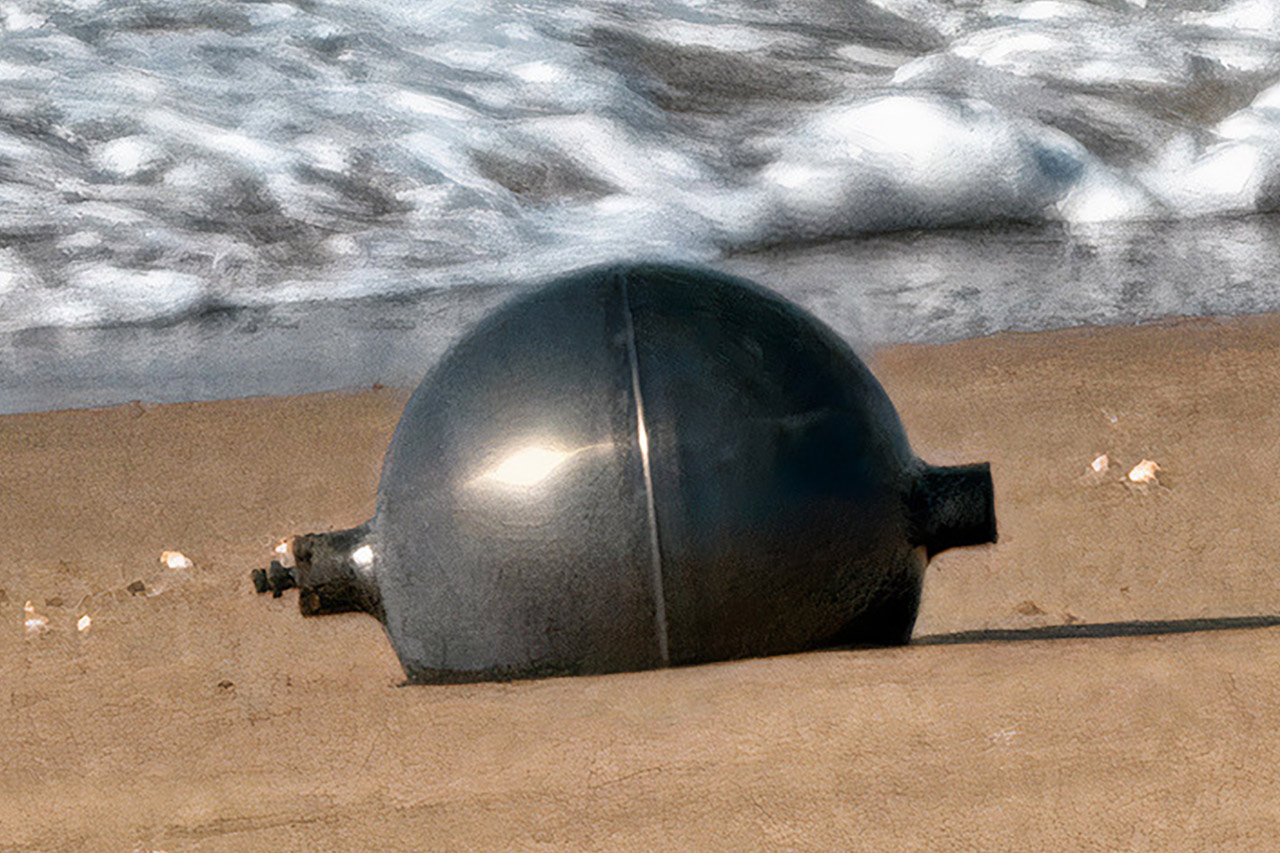
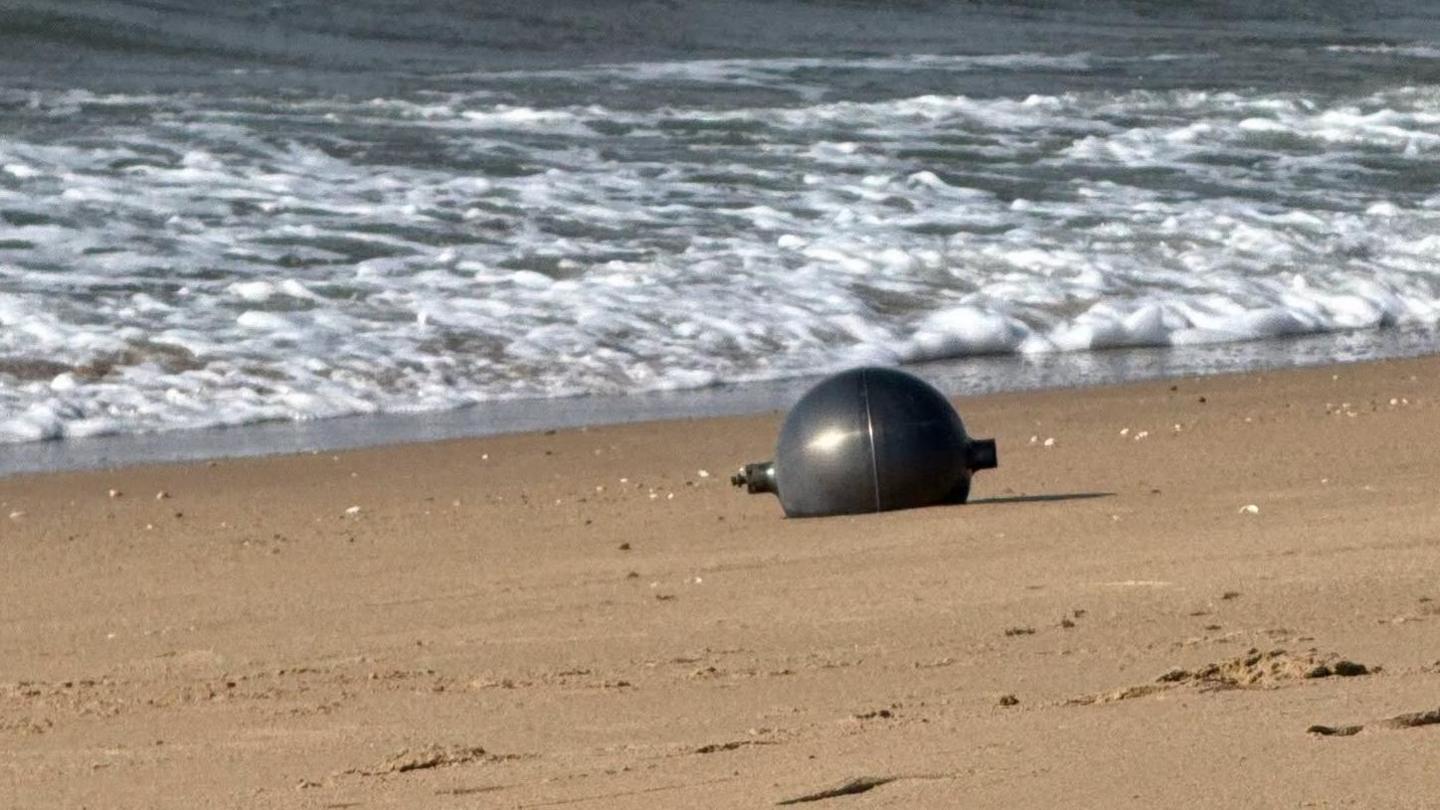
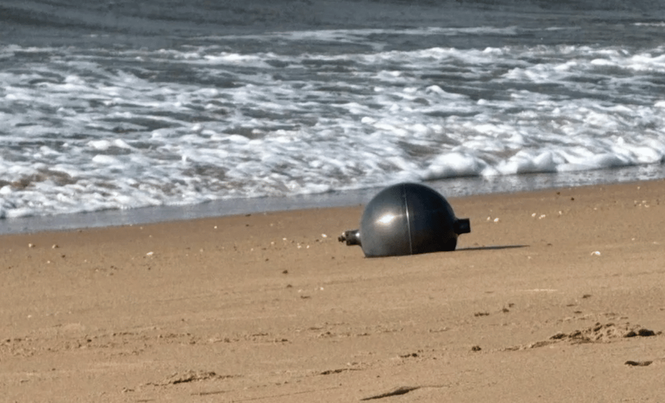
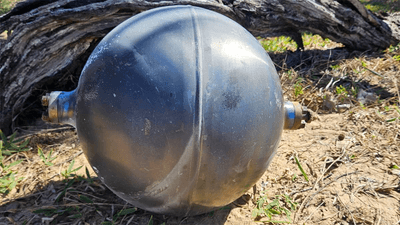
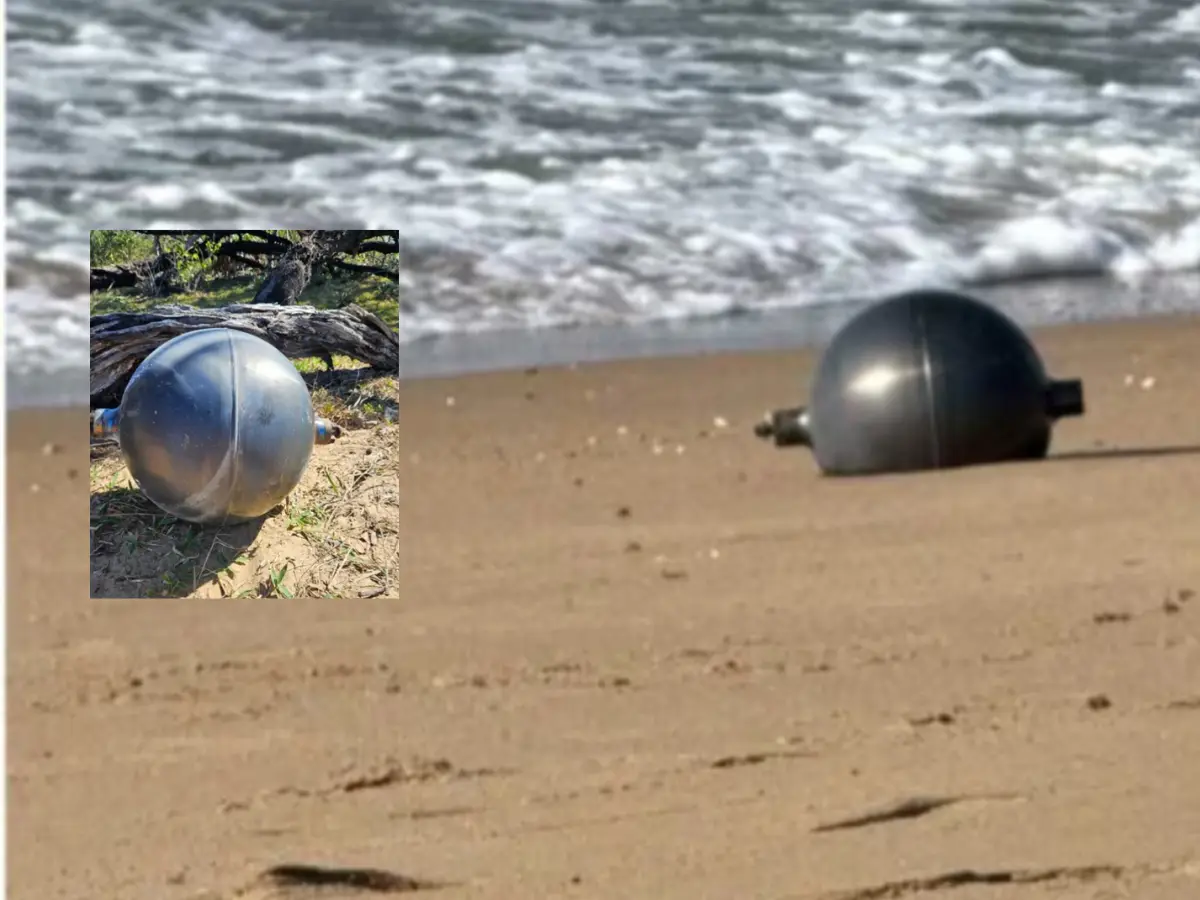
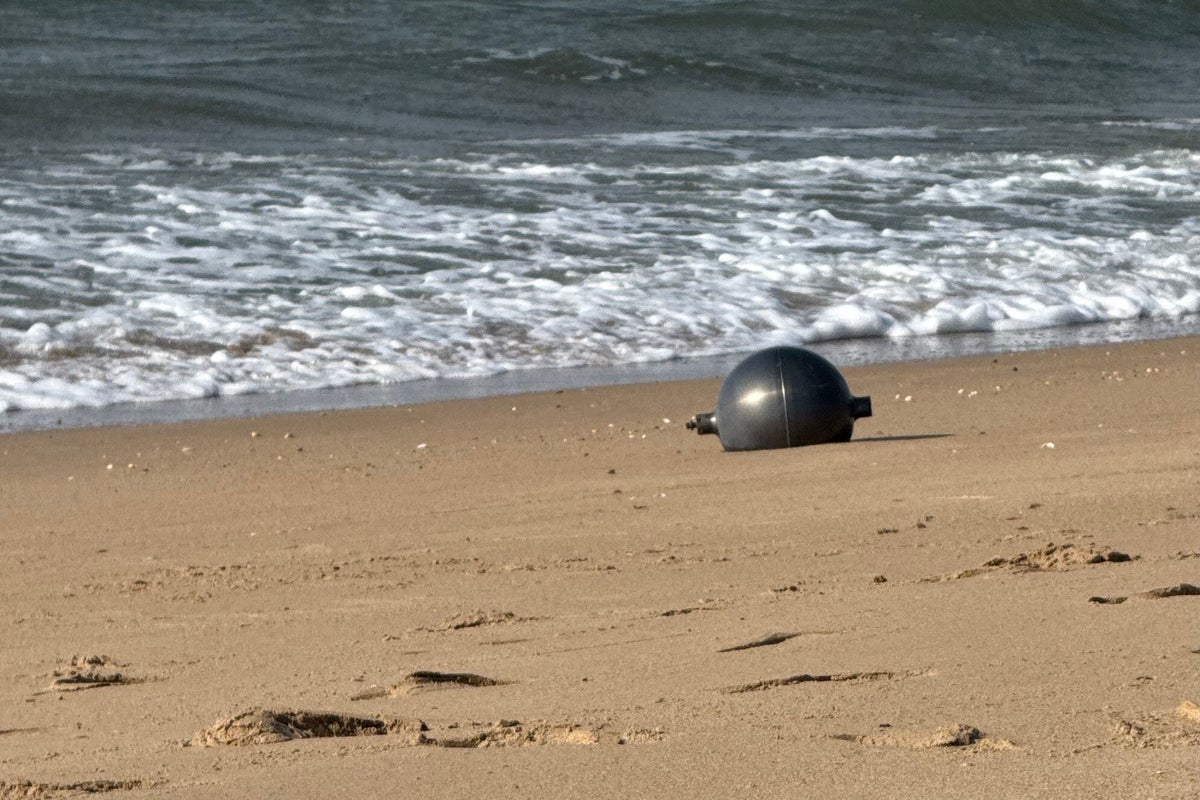
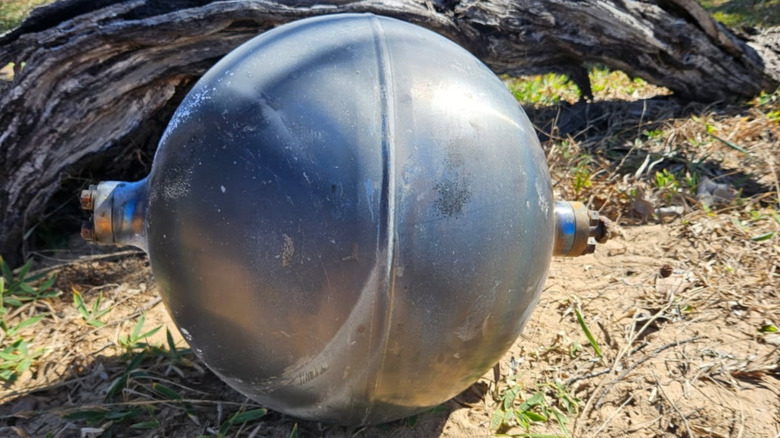
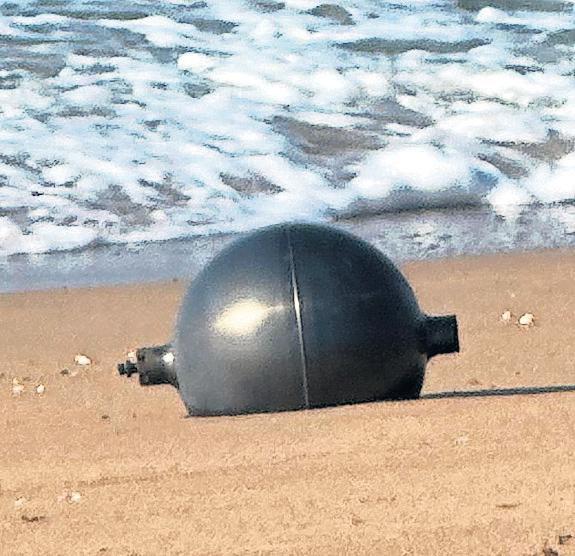
The discovery of six metallic "space balls" (pressure vessels) on Forrest Beach in Queensland during July 2026 represents a significant public safety event with indirect but measurable implications for cross-border e-commerce sellers. The incident prompted evacuation of 41,300 residents and a 50-meter hazmat exclusion zone, demonstrating how space debris events trigger consumer demand for emergency preparedness products. This discovery follows a documented pattern: space debris incidents increased significantly over the past five years, with over 30,000 tracked debris pieces currently orbiting Earth and satellite populations expanding from 1,000 active units in 2019 to 14,500+ as of March 2026 (with SpaceX's Starlink accounting for 9,900 units). The Australian Space Agency's investigation and international coordination protocols underscore growing regulatory attention to space debris management.
For e-commerce sellers, this event signals three distinct market opportunities. First, regional demand for emergency preparedness products (hazmat suits, detection equipment, evacuation kits, first-aid supplies) typically spikes 15-25% in affected regions during and immediately after such incidents. Australian sellers and those shipping to Australia should monitor search volume increases for safety-related categories on Amazon AU, eBay Australia, and local marketplaces. Second, the incident demonstrates consumer awareness of space debris risks, creating demand for educational content, space-themed merchandise, and STEM products—particularly in Australia where media coverage has been extensive. Third, logistics providers and 3PL operators serving Australia should prepare for potential supply chain disruptions if future debris events occur in major shipping corridors or port cities.
The broader context reveals accelerating space debris challenges. With satellite launches increasing dramatically (more launches in the past five years than throughout history, per space archaeologist Alice Gorman), future debris events are statistically likely. This creates sustained demand for safety products, emergency preparedness supplies, and monitoring equipment. Sellers in electronics, home safety, outdoor gear, and emergency supplies categories should consider Australia and other debris-prone regions (Indonesia, Malaysia, Kenya documented in recent years) as growth markets. The Australian Space Agency's establishment of formal protocols for debris identification and public communication suggests governments will increasingly issue safety alerts, driving predictable consumer purchasing patterns around these events.
Questions 8
How frequently do space debris incidents occur, and what does this mean for long-term seller strategy?
Space debris events have increased significantly over the past five years, with documented incidents in Kenya (December 2024), Australia (July 2022, July 2026), Indonesia, Malaysia, and Namibia. Over 30,000 tracked debris pieces currently orbit Earth, and satellite populations expanded from 1,000 active units in 2019 to 14,500+ as of March 2026. Projections indicate 560,000 satellites may orbit by 2040, suggesting debris incidents will become more frequent. For sellers, this indicates sustained demand for safety products in Australia and other debris-prone regions. Consider establishing dedicated inventory for emergency preparedness categories and building long-term supplier relationships to meet recurring demand spikes.
What product categories should sellers prioritize for Australian market expansion following this event?
Emergency preparedness (hazmat suits, protective equipment, evacuation kits), home safety systems (detection devices, alarm equipment), outdoor survival gear, and STEM/educational space products represent the highest-opportunity categories. The incident demonstrates sustained consumer interest in space-related merchandise and safety education. Sellers should also consider first-aid supplies, water purification systems, and communication devices—categories that typically see 20-30% sales increases in regions affected by public safety events. Regional demand concentration in Queensland and surrounding areas (Townsville, Forrest Beach vicinity) suggests geo-targeted advertising on Amazon and eBay can achieve higher conversion rates than national campaigns.