


China Supply Chain Disruption Alert | Typhoon Maysak Floods Impact 130K+ Residents, Logistics Networks
- Catastrophic flooding in Guangxi/Hubei affects manufacturing hubs; 130,000+ evacuated; train services suspended; sellers face 2-8 week supply delays and inventory replenishment risks

















Overview
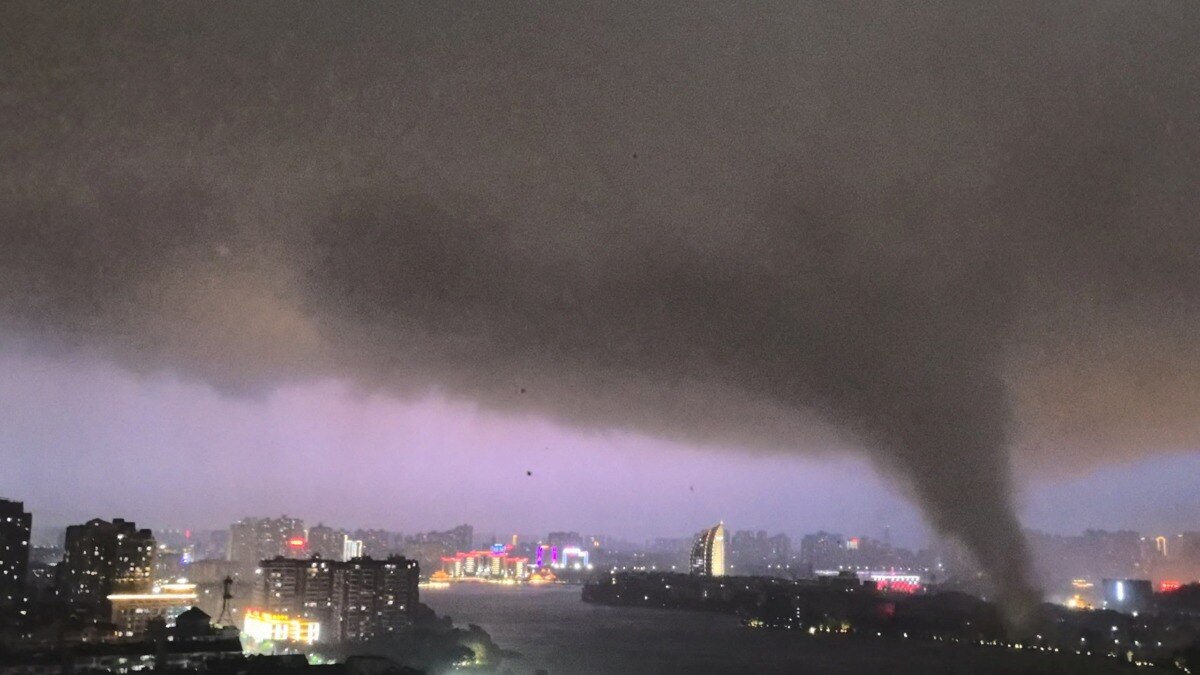
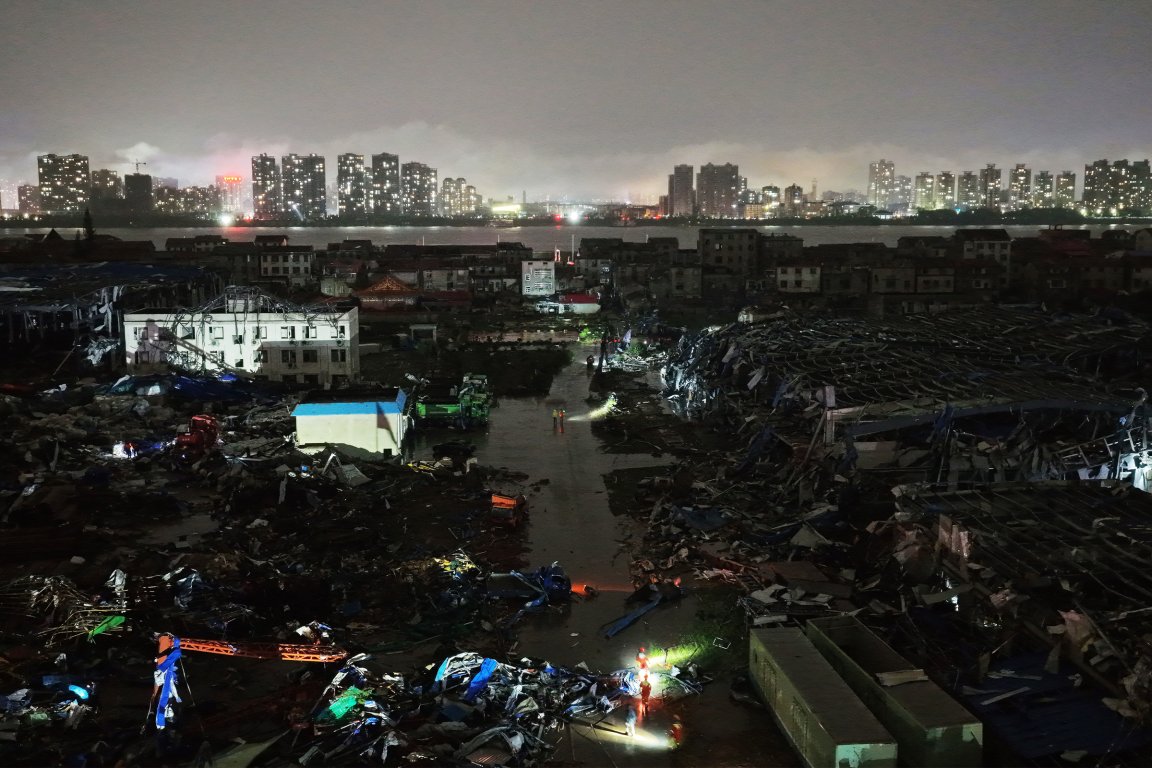
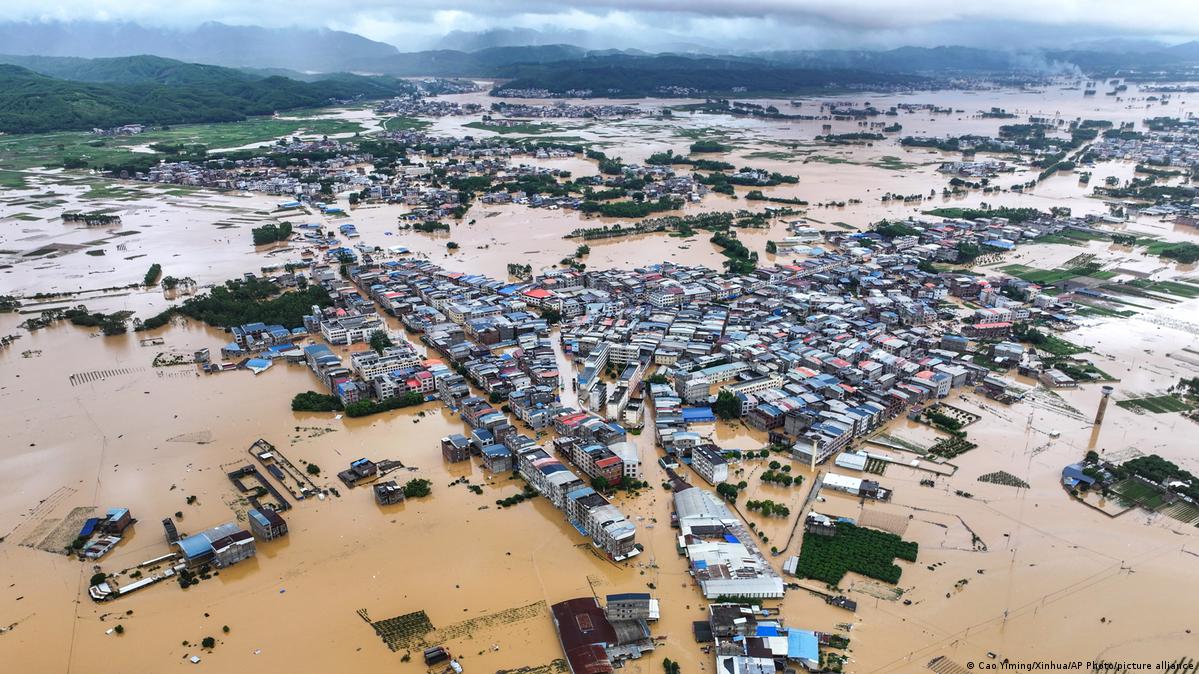
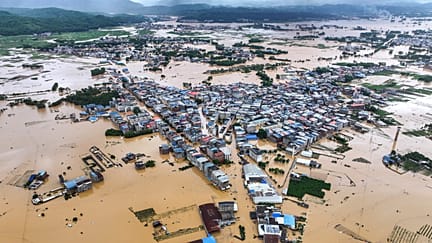
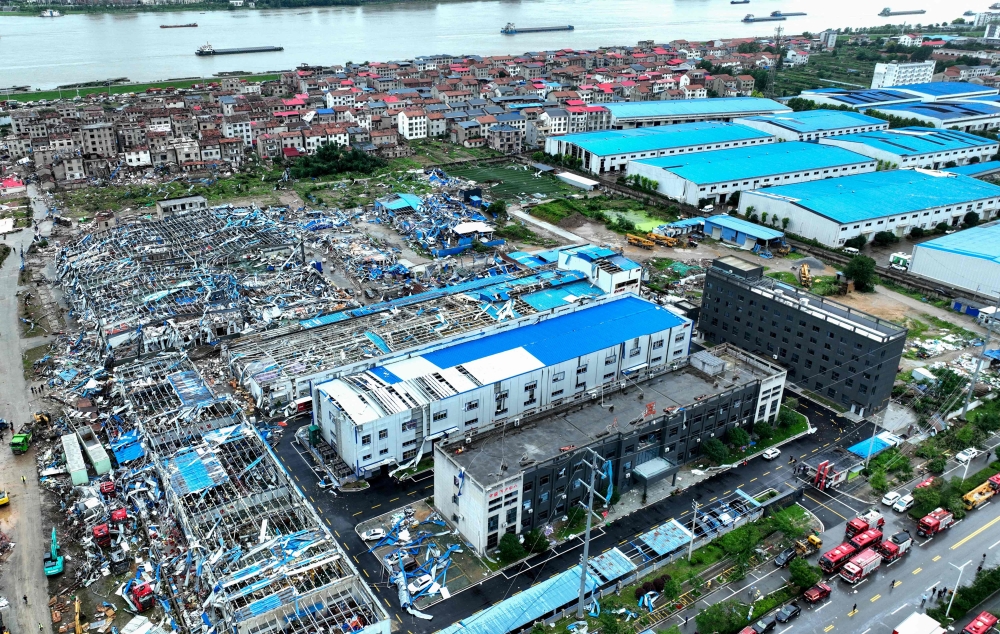
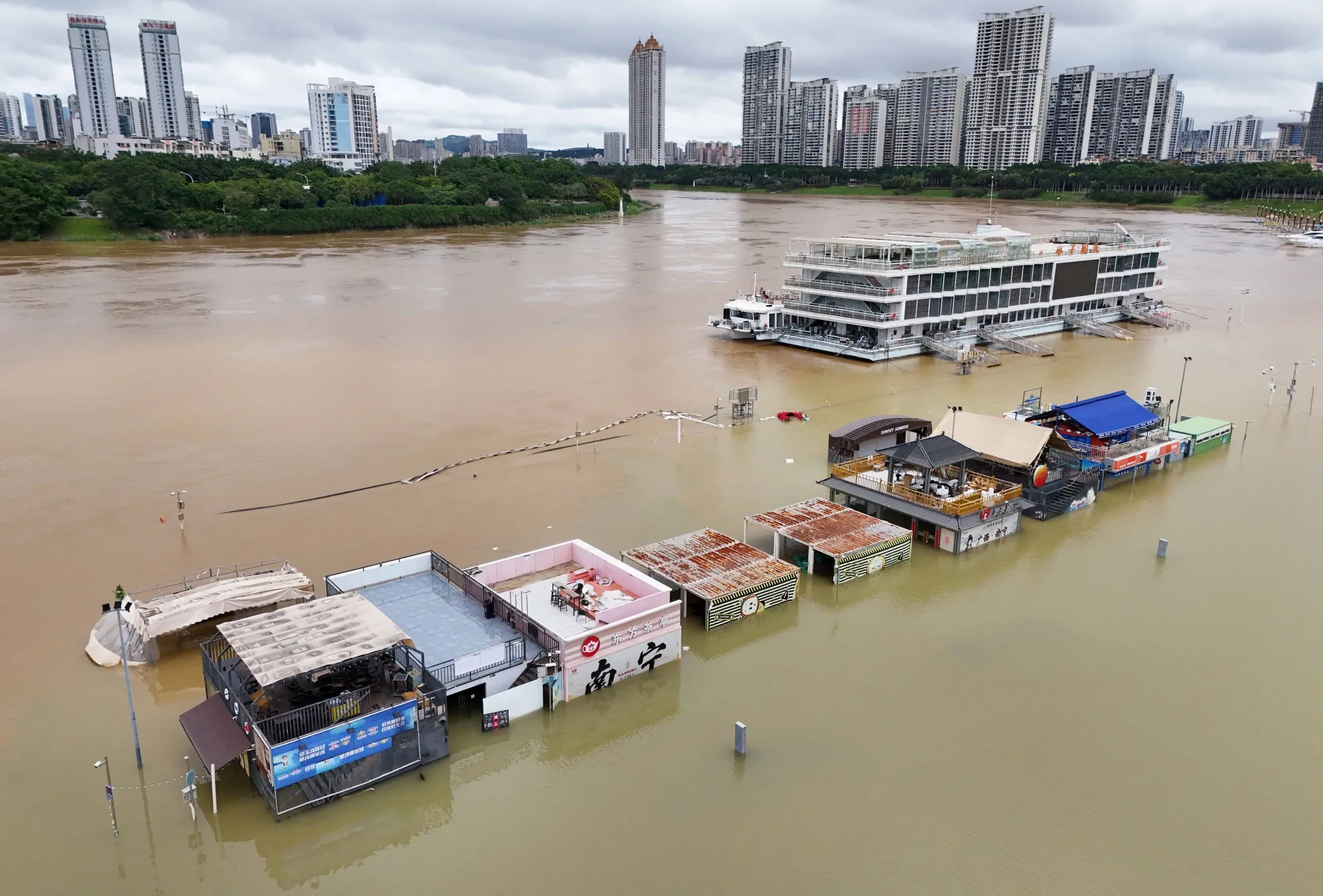
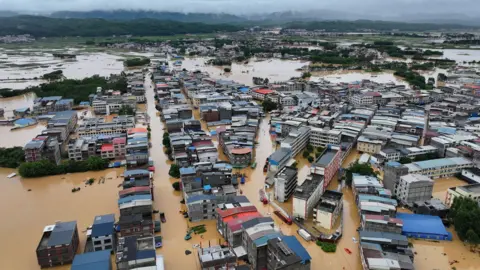
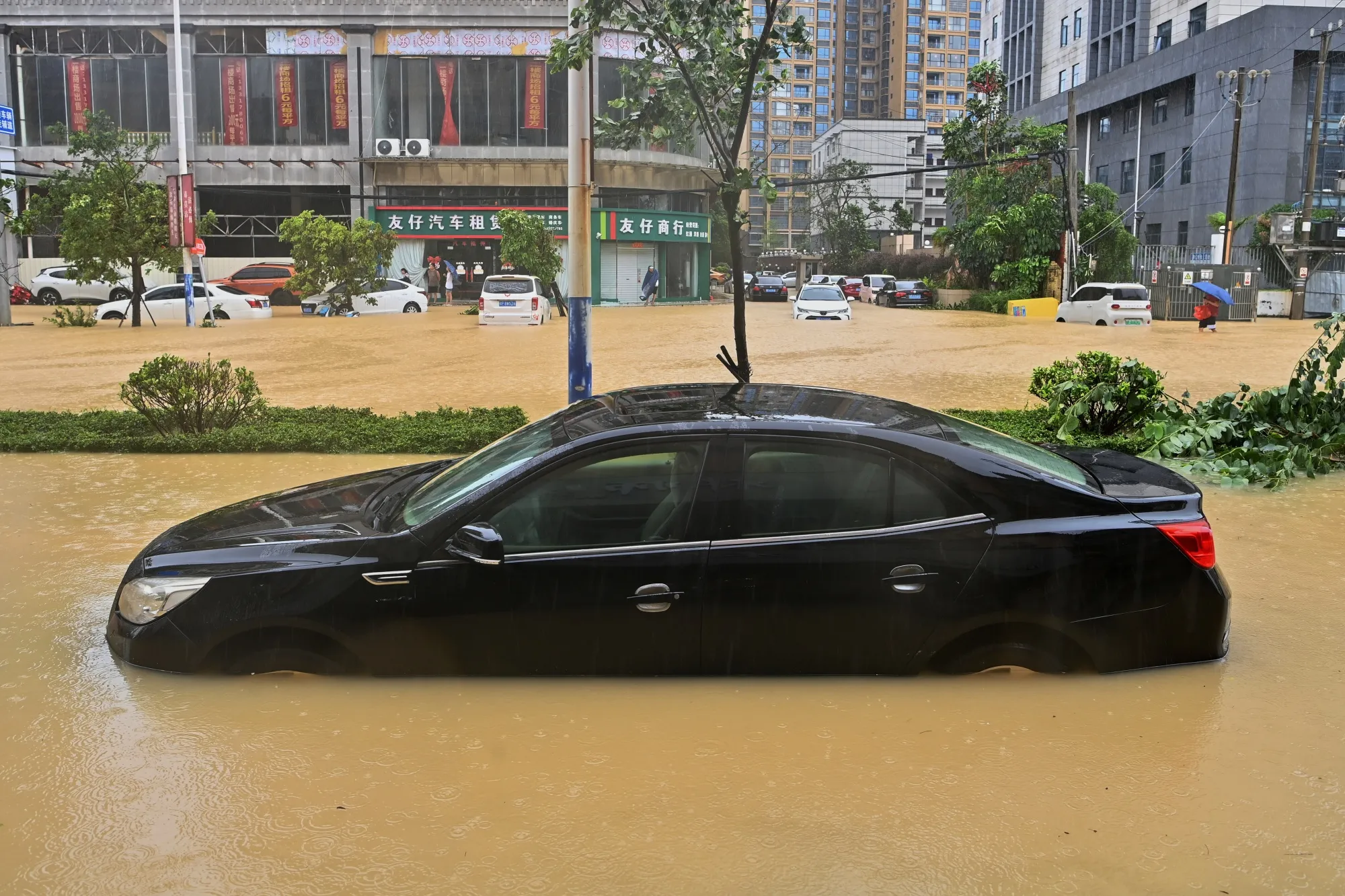
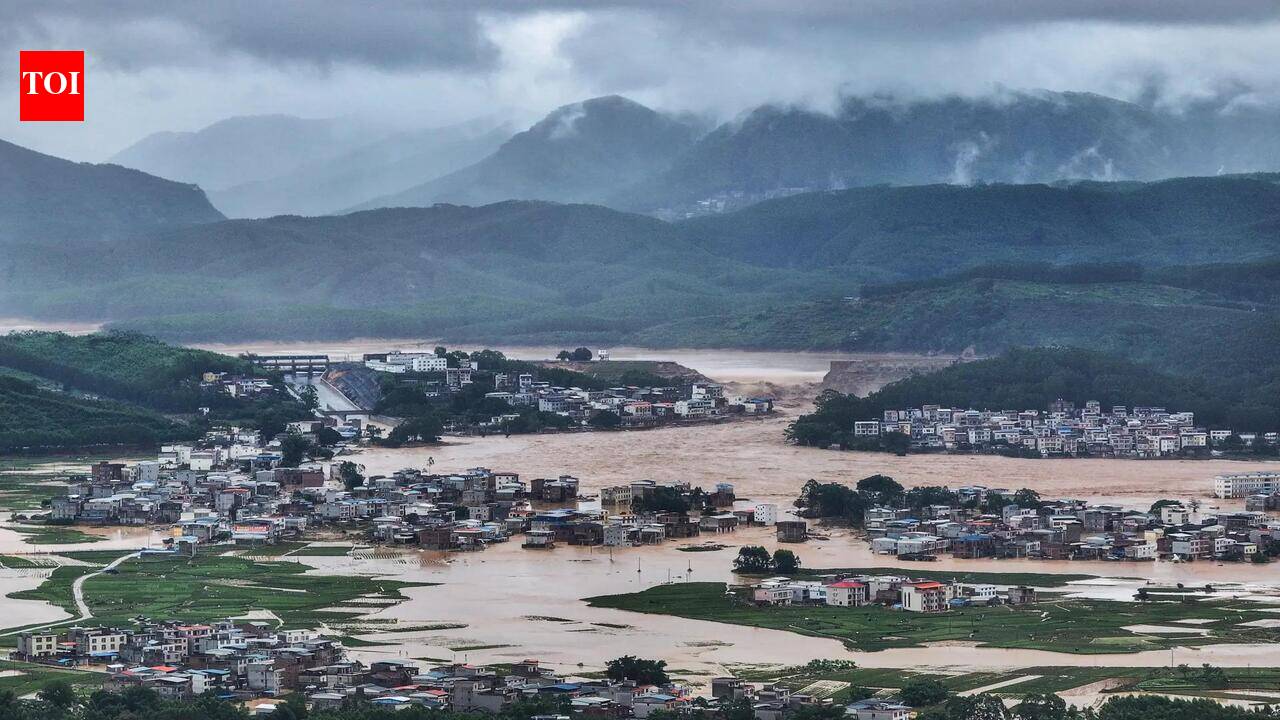
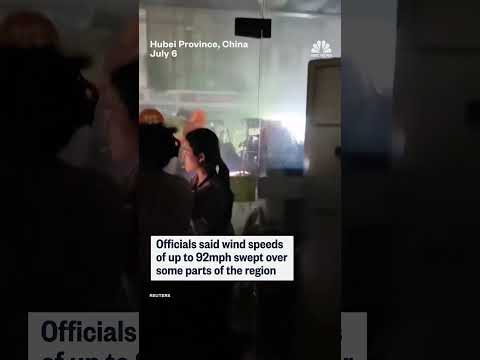
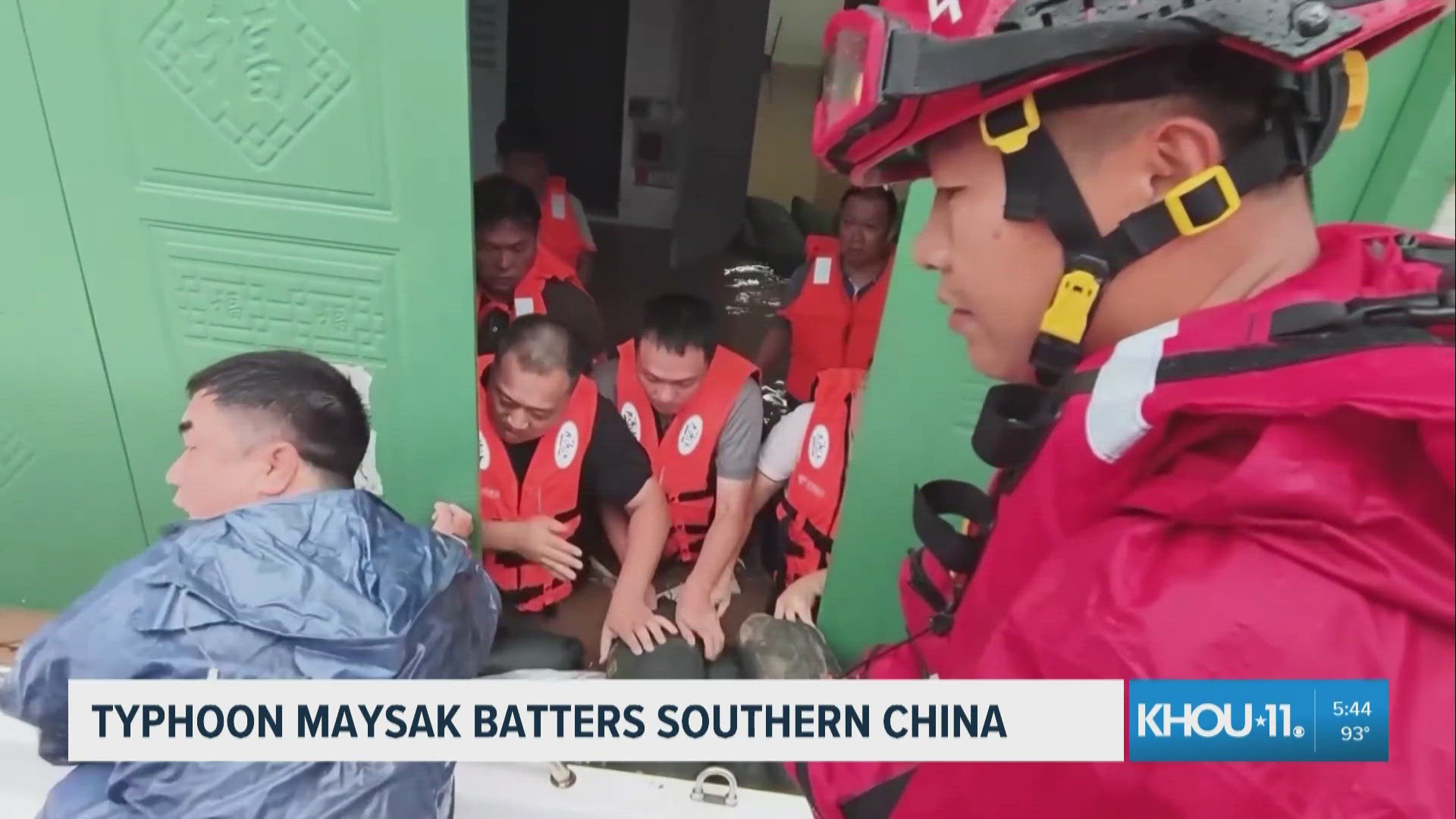
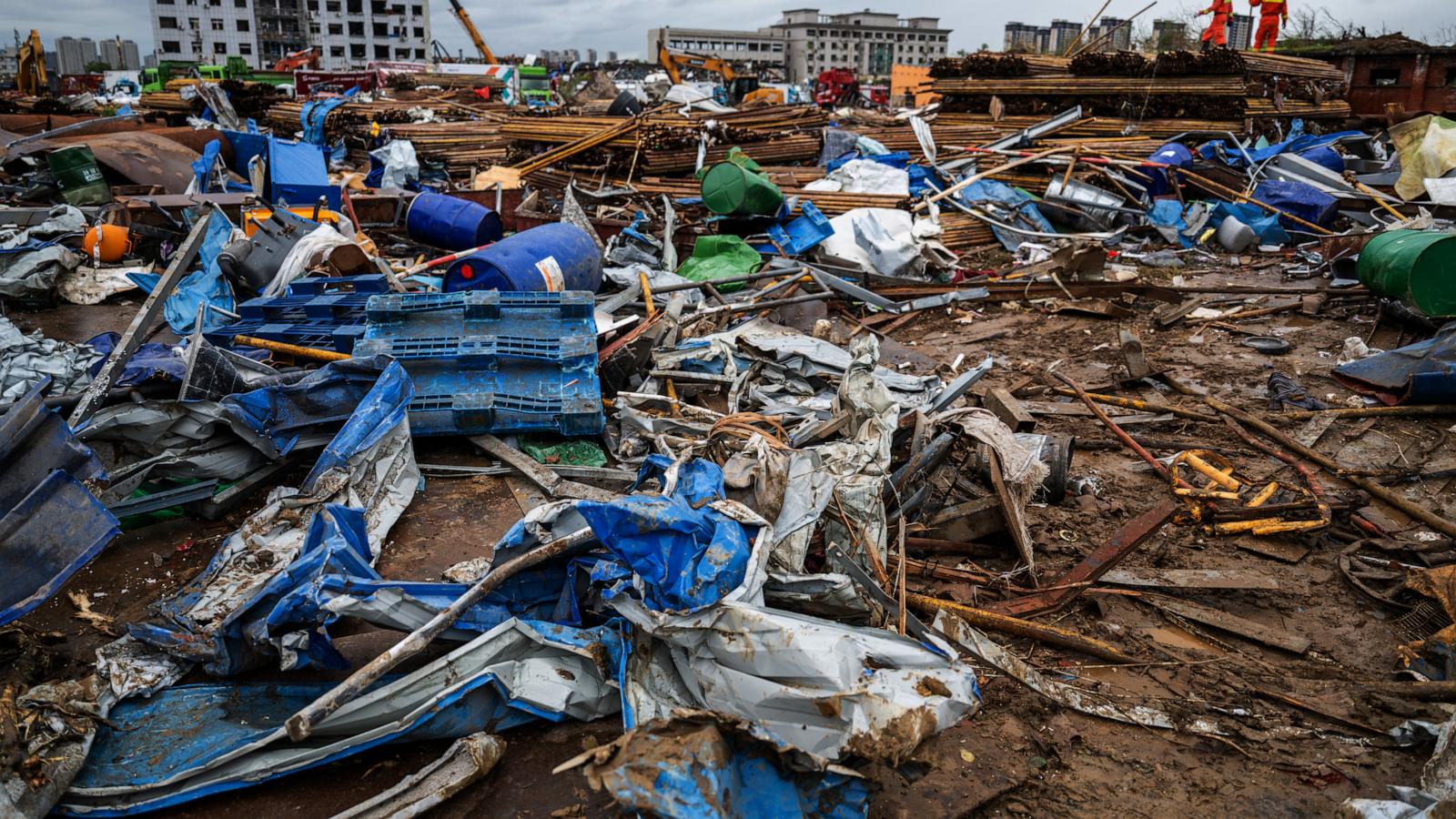
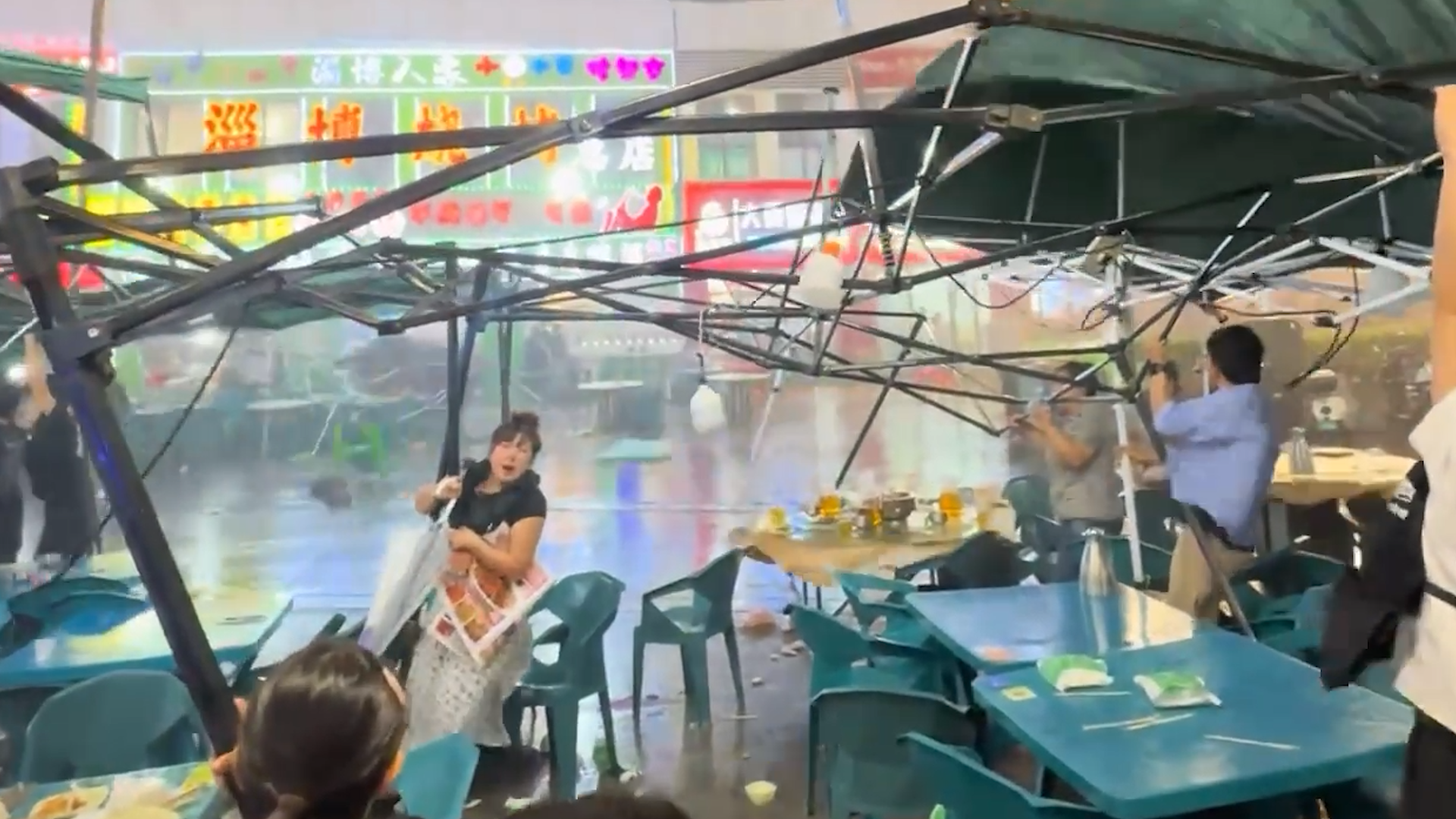
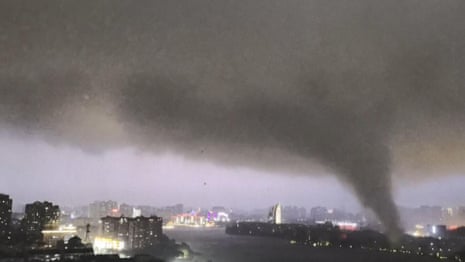
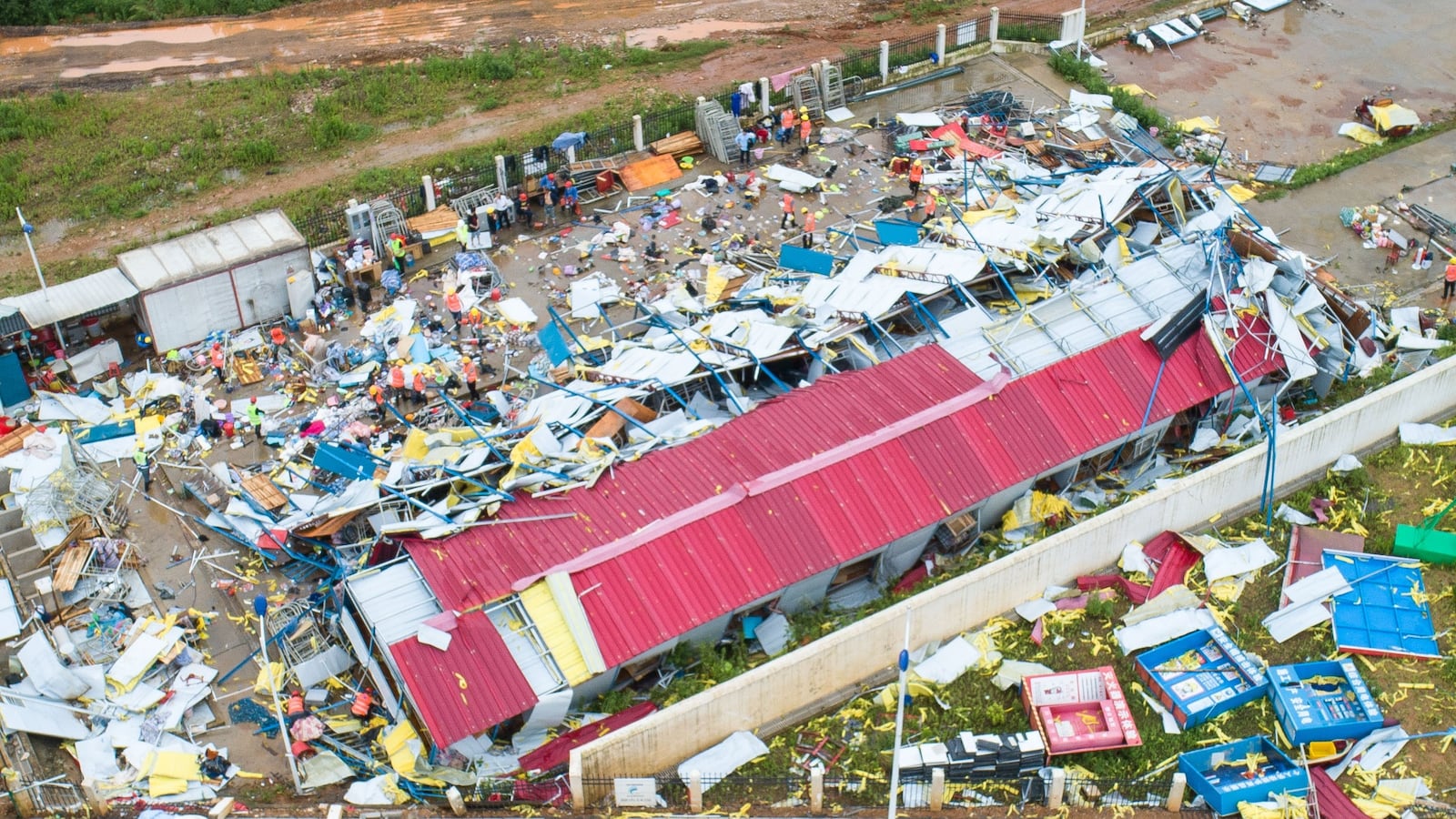
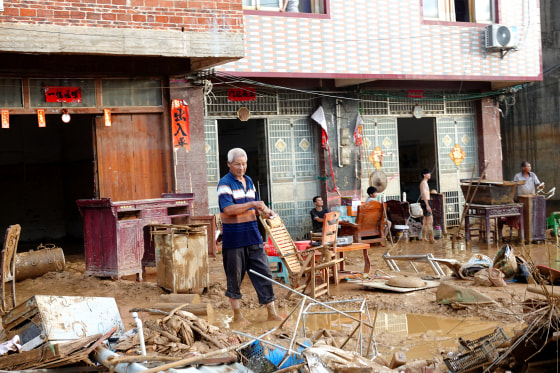
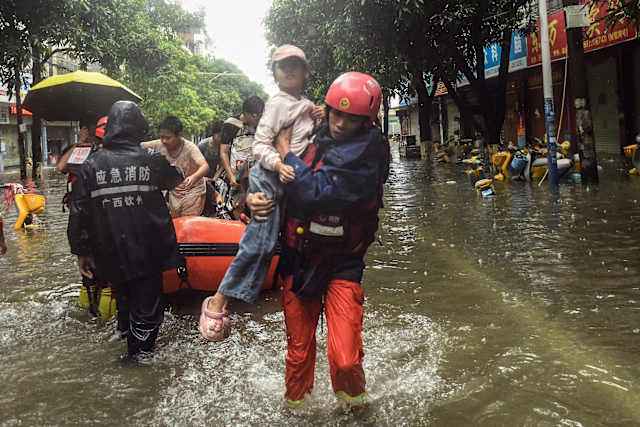
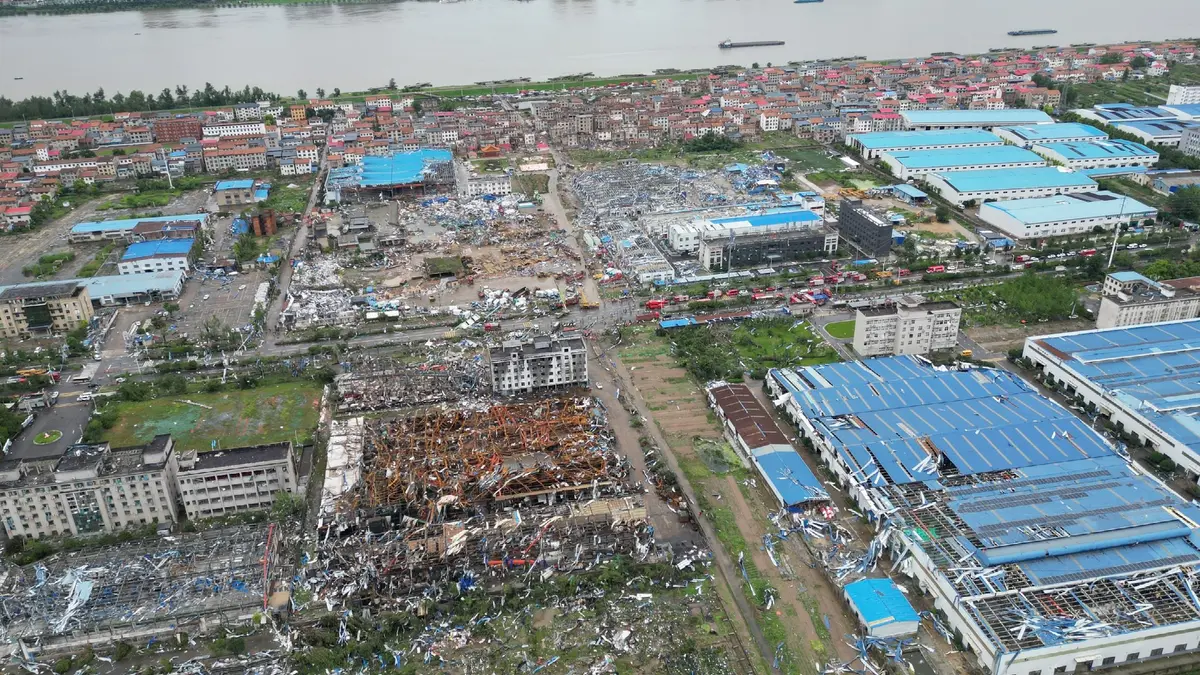
Typhoon Maysak triggered unprecedented flooding across southern China in early July 2026, directly threatening cross-border e-commerce supply chains and logistics infrastructure. The disaster impacted Guangxi province (130,000 evacuated) and Hubei province (rare tornadoes in Ezhou/Huanggang), with cumulative rainfall reaching 35+ inches in hard-hit areas. State media reported 17+ deaths, hundreds injured, and 90,000 total affected. Critical infrastructure failures included power outages, suspended train services, and communication blackouts lasting 24+ hours. The Chinese government allocated millions in emergency relief funding, signaling extended recovery timelines for affected manufacturing and logistics hubs.
For cross-border e-commerce sellers, the operational impact is immediate and severe. Sellers sourcing products from Guangxi and Hubei manufacturing regions face 2-8 week supply chain delays as factories assess damage and resume operations. Logistics networks serving these regions experienced disruptions: train services suspended for safety, warehouse facilities flooded, and 3PL providers operating at reduced capacity. Sellers with inventory in central China warehouses should expect fulfillment delays and potential inventory loss. Amazon FBA sellers shipping from China-based fulfillment centers may experience extended processing times and higher shipping costs as alternative routes are activated. The disaster also threatens agricultural suppliers (China's trillion-dollar sector), potentially affecting food/beverage and home goods categories dependent on regional sourcing.
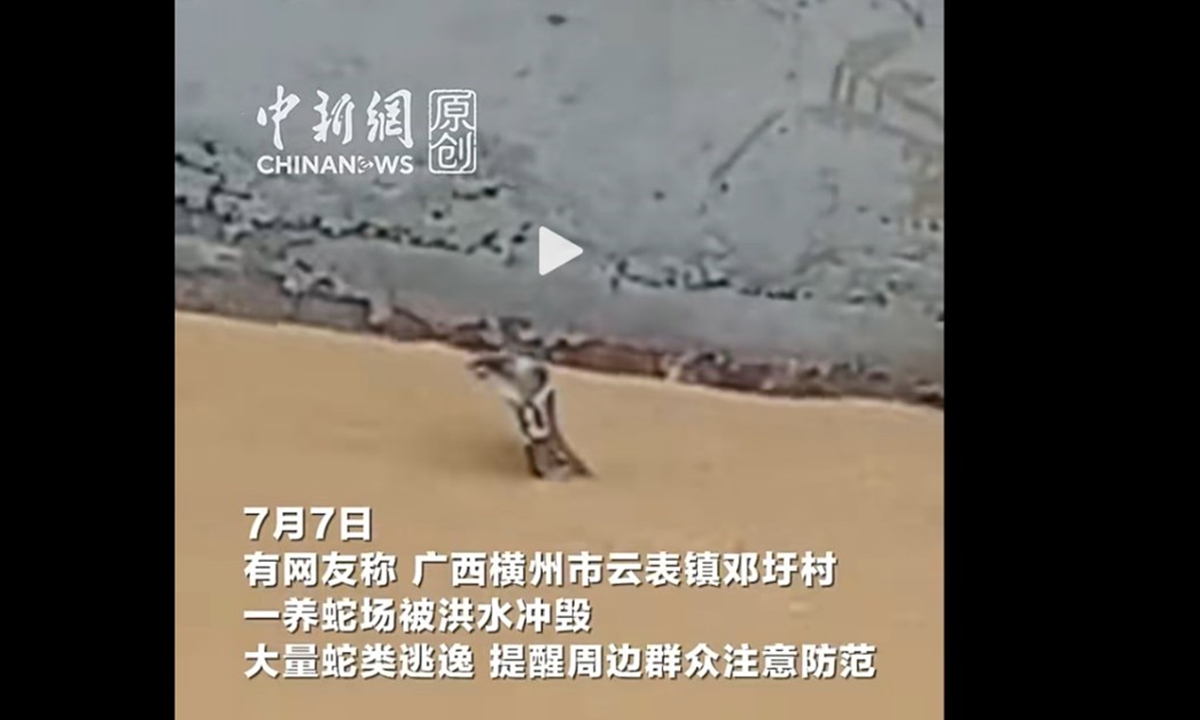
Secondary supply chain risks compound the crisis. Super Typhoon Bavi is forecast to impact China's eastern coast later in the week, threatening additional manufacturing regions and port operations. Communication infrastructure failures (24+ hour blackouts reported) delayed damage assessments and supplier communications, creating information gaps for sellers monitoring production status. Escaped snakes from breeding facilities and secondary hazards added complexity to rescue operations, potentially extending infrastructure recovery timelines. Sellers relying on just-in-time inventory models face acute risk; those with 2-4 week safety stock buffers have moderate protection. The disaster relief allocation indicates government commitment to rapid recovery, but reconstruction of damaged warehouses, transportation networks, and manufacturing facilities typically requires 4-12 weeks in disaster-affected regions.
Questions 7
How does this disaster compare to previous supply chain disruptions?
Typhoon Maysak's impact mirrors the 2020 COVID-19 lockdowns and 2011 Thailand floods in severity. The 130,000+ evacuations, suspended train services, and 24+ hour communication blackouts create multi-week recovery timelines similar to those events. However, this disaster is geographically concentrated in Guangxi/Hubei, unlike COVID's nationwide impact. Sellers who diversified suppliers after 2020 have better resilience; those relying on single-region sourcing face acute risk. Historical data shows manufacturing regions typically require 4-12 weeks to restore full capacity after major flooding events.
What immediate actions should I take if I source from affected regions?
Contact suppliers within 24-48 hours to assess facility damage, production timelines, and shipment status. Request damage photos and recovery estimates. Simultaneously, activate backup suppliers or alternative sourcing regions to maintain inventory flow. Review your current inventory levels and adjust sales velocity expectations if replenishment delays are confirmed. For Amazon sellers, update product listings with realistic delivery estimates and consider pausing PPC campaigns if stock-out risk is high. Establish daily communication checkpoints with suppliers until normal operations resume (typically 4-12 weeks post-disaster).