





Oregon Data Center Rate Hike 29.7% | Critical Cost Impact for E-Commerce Sellers Using Cloud Infrastructure
- 29.7% electricity rate increase for data centers effective July 8, 2026 affects cloud-dependent sellers; residential/commercial customers see 1.3-2.1% savings; regulatory precedent may spread to other states















Overview
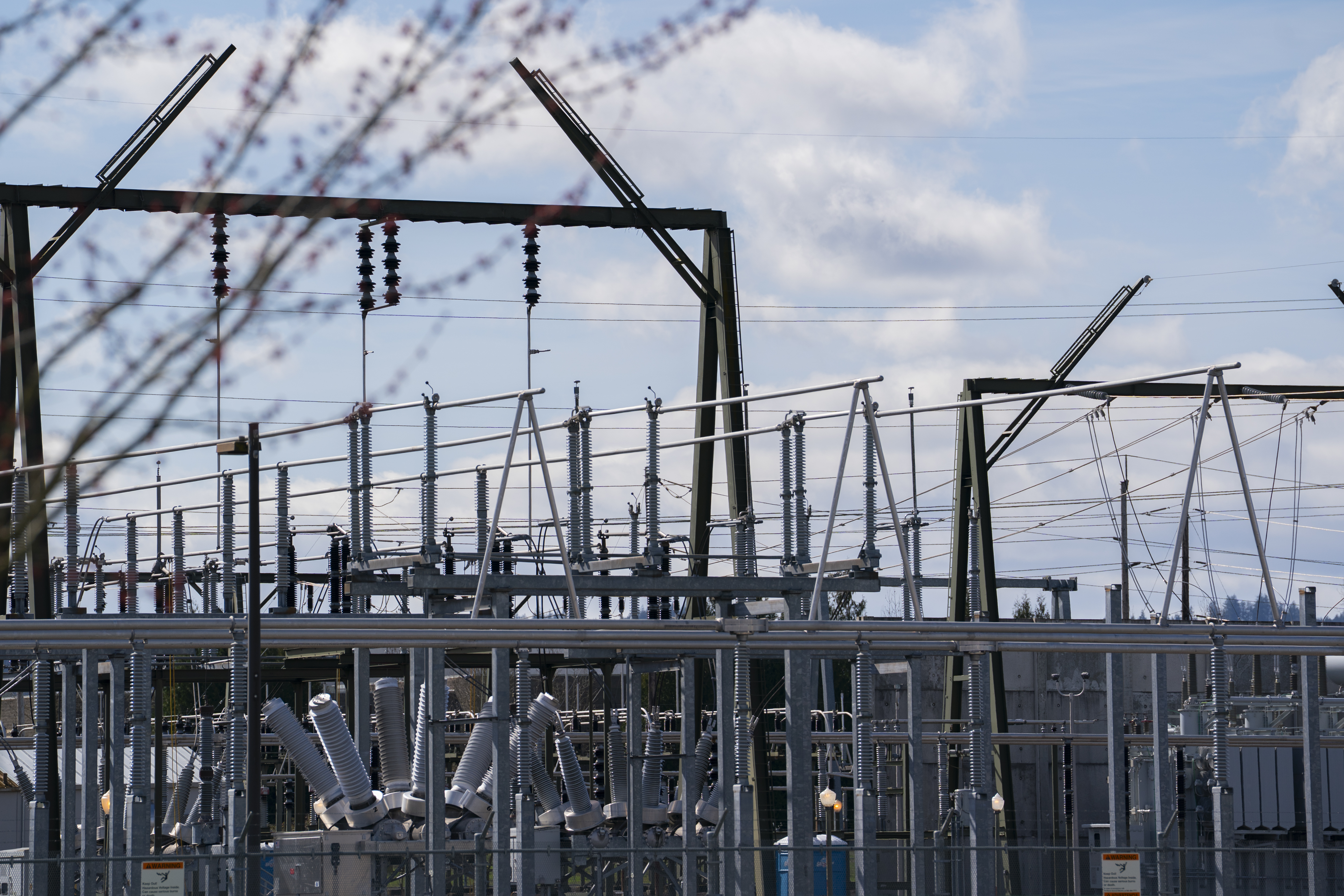
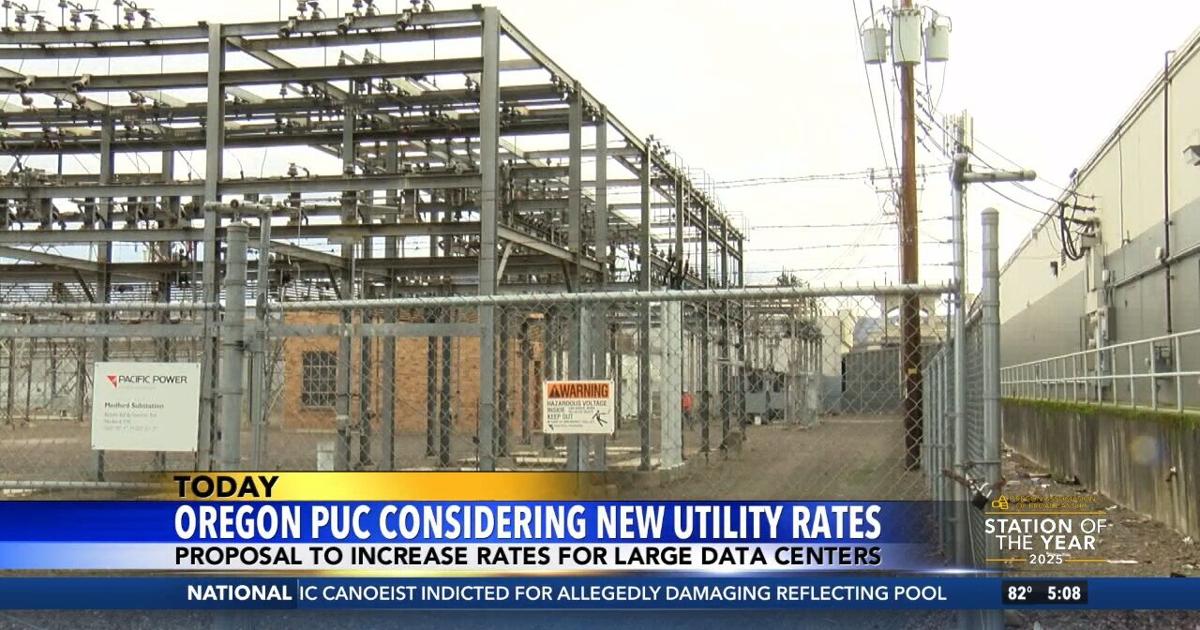
Oregon's landmark POWER Act (House Bill 3546) fundamentally restructures electricity pricing for data centers, creating a significant operational cost shock for e-commerce sellers relying on cloud infrastructure. The Oregon Public Utility Commission unanimously approved Portland General Electric's 29.7% rate increase for data centers effective July 8, 2026, marking the first major implementation of this new regulatory framework. This decision reclassified data centers from the industrial customer category into a dedicated rate class, requiring them to bear proportional costs for their extraordinary electricity consumption—data centers typically consume 10-50 times more power than standard commercial facilities.
The cost shift is dramatic and asymmetrical. While data center operators face the 29.7% increase, residential customers receive a 1.3% rate decrease (approximately $1.91 monthly savings), commercial customers see 2.1% reductions, and other industrial users benefit from 1.4% decreases. This affects 963,000 customers across PGE's service territory in Oregon. For e-commerce sellers, the implications are substantial: cloud computing expenses, server hosting costs, and digital infrastructure investments will increase proportionally as hosting providers pass through higher electricity costs. Sellers operating fulfillment centers, managing inventory systems, or relying on data center-dependent services for order processing face direct operational cost increases.
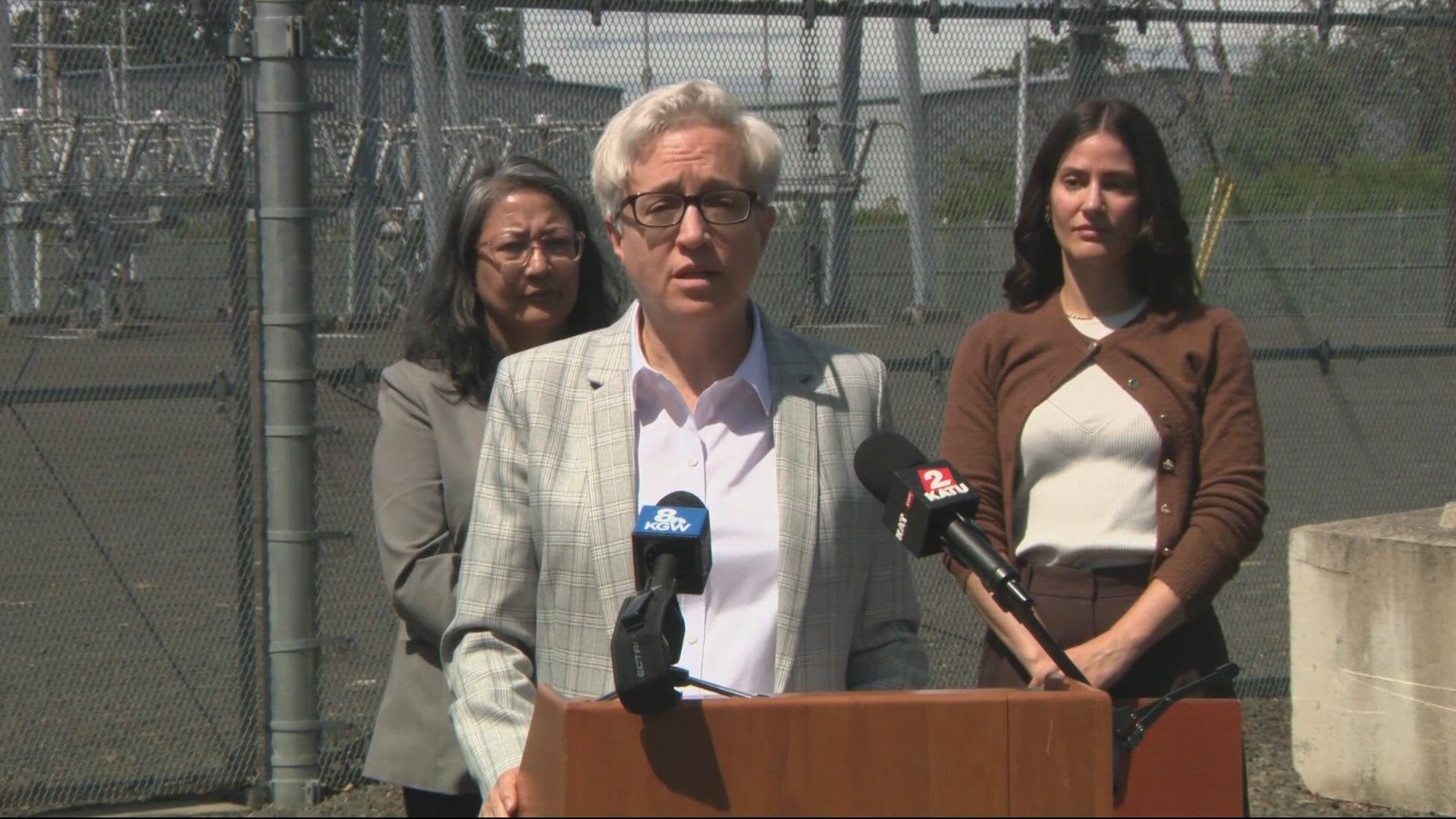
The regulatory precedent extends beyond Oregon. Governor Tina Kotek's Data Center Advisory Committee is developing recommendations for the January 2027 legislative session to further refine energy policies, signaling potential expansion of this model. Similar regulatory frameworks are emerging across other states as data center proliferation accelerates due to cloud computing and AI infrastructure demands. This creates a cascading risk: if other utilities adopt comparable rate structures, sellers could face cumulative cost increases across multiple fulfillment regions. The POWER Act represents a policy shift toward transparent cost assignment, ensuring high-consumption industries bear proportional expenses rather than subsidizing infrastructure through general rate bases—a principle likely to influence utility commissions nationwide.
For cross-border e-commerce sellers, the timing and scope matter significantly. Sellers with fulfillment operations in Oregon's PGE service area should immediately evaluate their data center dependencies and hosting arrangements. Those using AWS, Google Cloud, or Microsoft Azure services in Oregon-based data centers should request cost impact assessments from their providers. Small business operators and home-based sellers benefit from the 1.3-2.1% rate decreases, providing modest operational relief, but this advantage is offset for sellers dependent on cloud infrastructure. The regulatory action demonstrates how state-level interventions can reshape technology infrastructure costs, creating competitive advantages for sellers in regions with lower data center rates while disadvantaging those in high-cost areas.
Questions 8
What immediate actions should sellers take to address the Oregon data center rate increase?
Sellers should immediately audit their data center dependencies and hosting arrangements, particularly those using AWS, Google Cloud, or Microsoft Azure services in Oregon-based facilities. Request cost impact assessments from hosting providers to quantify potential price increases. Evaluate alternative regions with lower data center electricity rates or negotiate multi-year contracts before providers implement rate pass-throughs. For sellers with fulfillment centers in Oregon's PGE service area, assess whether relocation to lower-cost regions is economically justified. Monitor the January 2027 legislative session for additional policy developments that could further impact infrastructure costs.
How does the 29.7% data center rate increase compare to typical cloud service price increases?
The 29.7% electricity rate increase is substantially larger than typical annual cloud service price increases, which historically range from 2-5%. This represents a one-time structural cost shock rather than gradual pricing evolution. Hosting providers may absorb some costs initially but will likely pass through 50-80% of the increase to customers over 6-12 months. For sellers with $10,000 monthly cloud infrastructure costs, this could translate to $2,500-8,000 in additional annual expenses. The magnitude of this increase makes it a critical operational planning factor for sellers dependent on Oregon-based data center infrastructure.