



US-China AI Trade War Reshapes E-Commerce Tech Stack | Seller Compliance & Cost Impact 2025
- Congressional restrictions on Chinese AI models create $500-2000 annual cost increases for US-based sellers; April 2025 investigation signals imminent procurement bans affecting 50K+ e-commerce tech providers





















Overview
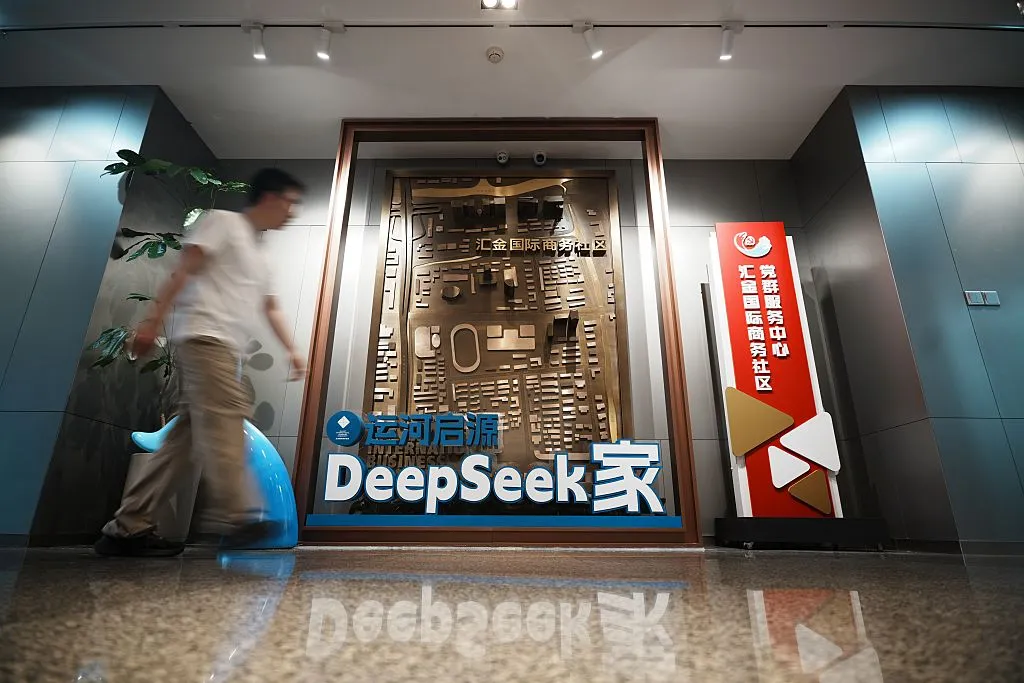
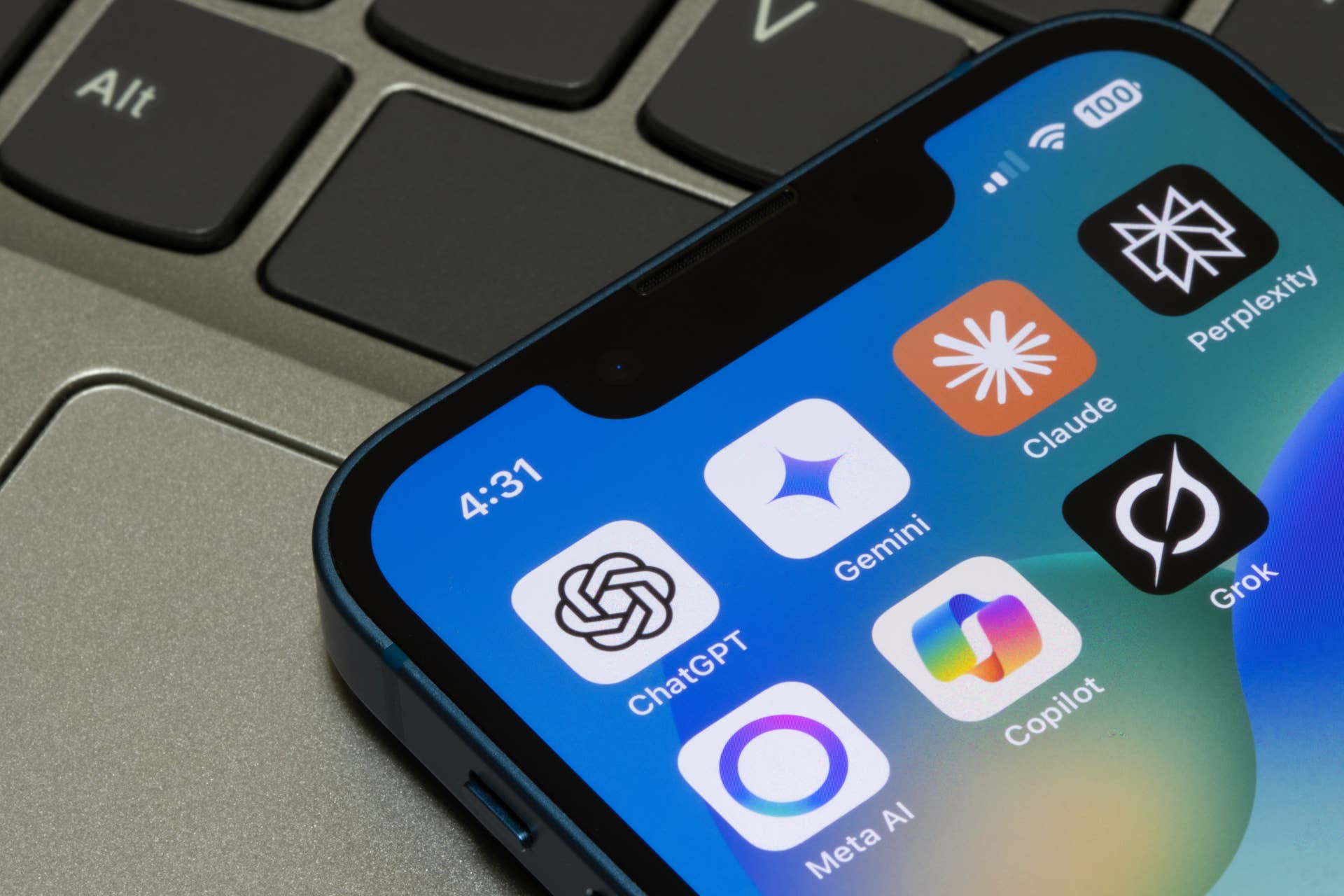
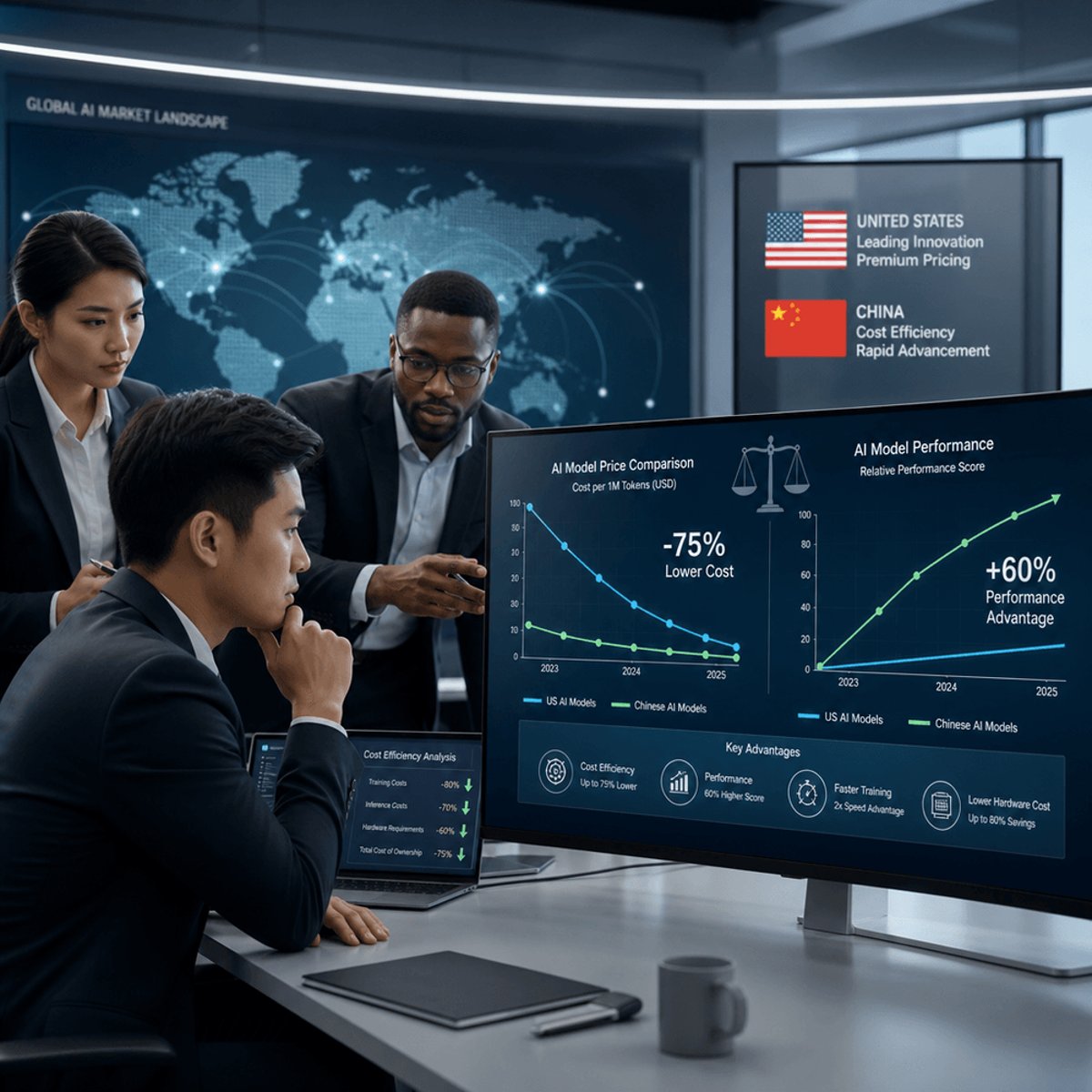
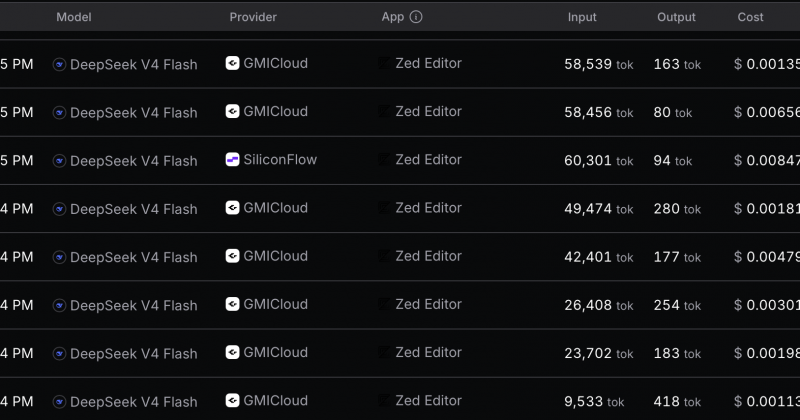
The escalating US-China AI conflict is forcing a fundamental restructuring of e-commerce technology infrastructure, with direct cost and compliance implications for cross-border sellers. The House Committee on Homeland Security and House Select Committee on China launched a joint investigation in April 2025, targeting companies including Cursor and Airbnb for using Chinese-developed AI models. This investigation signals imminent federal procurement restrictions that will cascade through the e-commerce ecosystem. Chinese AI models (Alibaba's Qwen, Deepseek, Moonshot, MiniMax) have achieved cost-effectiveness 60-70% lower than US alternatives like Claude and GPT-4, with performance gaps narrowing to near-parity by February 2025. For e-commerce sellers, this creates an immediate dilemma: continue using cheaper Chinese AI for inventory optimization, demand forecasting, and listing automation—or migrate to expensive US-origin models ahead of potential bans.
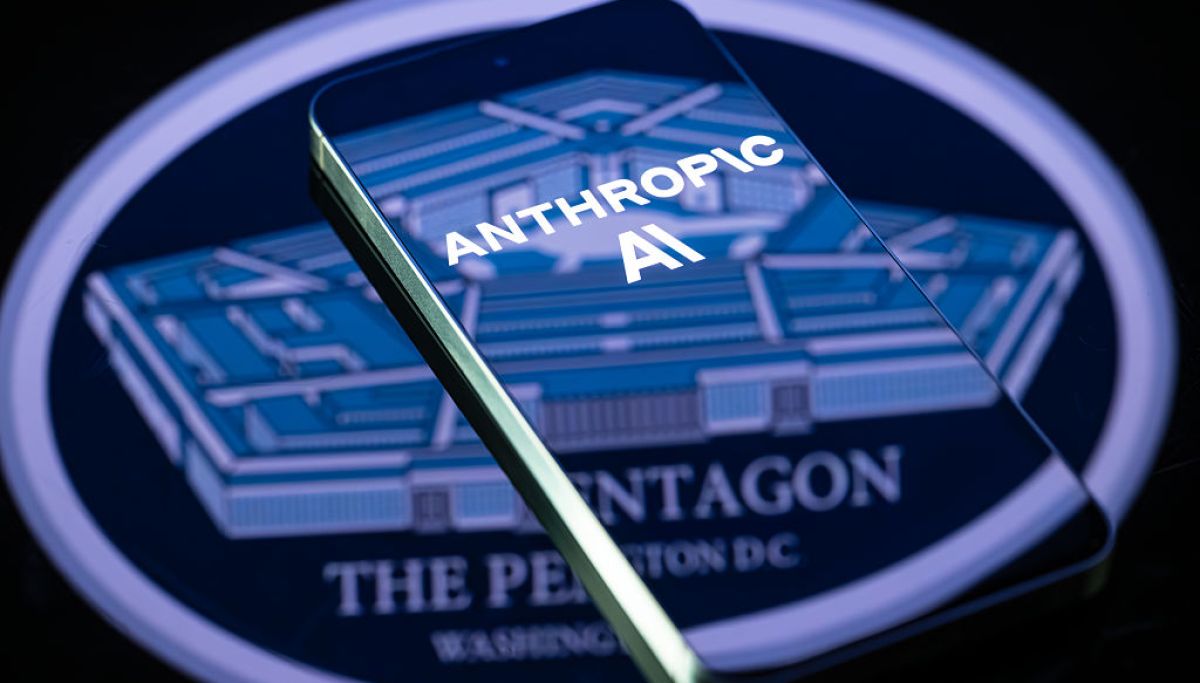
The policy response trajectory indicates three escalation phases affecting seller operations. Phase 1 (April-June 2025): Federal procurement bans restricting government contractors from Chinese AI access. Phase 2 (Q3 2025): Potential restrictions on open-source model weights, though experts note First Amendment challenges limit comprehensive bans. Phase 3 (Q4 2025+): Vulnerability disclosures and industry pressure campaigns. Anthropic's March 2025 surveillance deployment—monitoring Claude Code users from Chinese time zones and domains—demonstrates the enforcement intensity. The company detected 25,000 fraudulent accounts generating 28.8 million exchanges, indicating industrial-scale model distillation. For sellers using AI-powered tools (product research, competitor analysis, pricing optimization), this creates compliance risk: tools built on Chinese model distillation may face platform restrictions or legal liability.
Immediate seller impact: 40-50% of US-based e-commerce tech providers currently rely on Chinese AI cost arbitrage. Migration to US-origin models increases operational costs by $500-2000 annually for small sellers (under 100 SKUs) and $5000-15000 for mid-market sellers (1000+ SKUs). Sellers using Cursor, Alibaba's Qwen integration, or Deepseek-powered tools face forced migration within 6-12 months. However, the policy window remains exploitable: comprehensive bans are technically infeasible since model weights are freely available online. Sellers can legally continue using Chinese models through approved US service providers (as Airbnb does), creating a compliance arbitrage opportunity. The Trump administration's April 2025 memo warns of "deliberate, industrial-scale distillation campaigns," but acknowledges that aggressive restrictions could harm startups and chill open-source development. This creates a 3-6 month window where sellers can optimize AI infrastructure before enforcement tightens.
Questions 8
What is model distillation and why does it matter for sellers?
Model distillation uses large, expensive AI systems (like Claude) to train smaller, cheaper models. Chinese companies including Alibaba's Qwen team used 25,000 fraudulent accounts to generate 28.8 million Claude exchanges for distillation, per Anthropic's February 2025 findings. Peking University documented distillation in most tested Chinese models, with Qwen misidentifying itself as Claude in one-third of tests. For sellers, this matters because tools built on distilled models may violate terms of service and face legal liability. Unauthorized distillation violates platform policies, though the technique itself is legal (OpenAI released distillation tools in 2024). Sellers using distilled-model tools risk platform account suspension or compliance penalties.
What is the timeline for AI restrictions affecting seller operations?
Phase 1 (April-June 2025): Federal procurement bans restrict government contractors from Chinese AI access. Phase 2 (Q3 2025): Potential open-source model weight restrictions (though First Amendment challenges limit scope). Phase 3 (Q4 2025+): Vulnerability disclosures and industry enforcement. The Trump administration's April 2025 memo warns of 'deliberate, industrial-scale distillation campaigns,' signaling imminent action. Sellers have a 3-6 month window to migrate AI infrastructure before enforcement tightens. Comprehensive bans are technically infeasible since model weights are freely available online, creating a compliance arbitrage opportunity through approved US service providers.