


SpaceX Stock Decline Signals Logistics Cost Uncertainty for E-Commerce Sellers
- World's largest IPO underperforms despite bullish ratings; Starlink infrastructure impacts shipping costs and supply chain visibility for cross-border sellers


/SpaceX%20launch%20and%20landing%20control%20by%20JHVEPhoto%20via%20Adobe%20Stock.jpeg)
























Overview
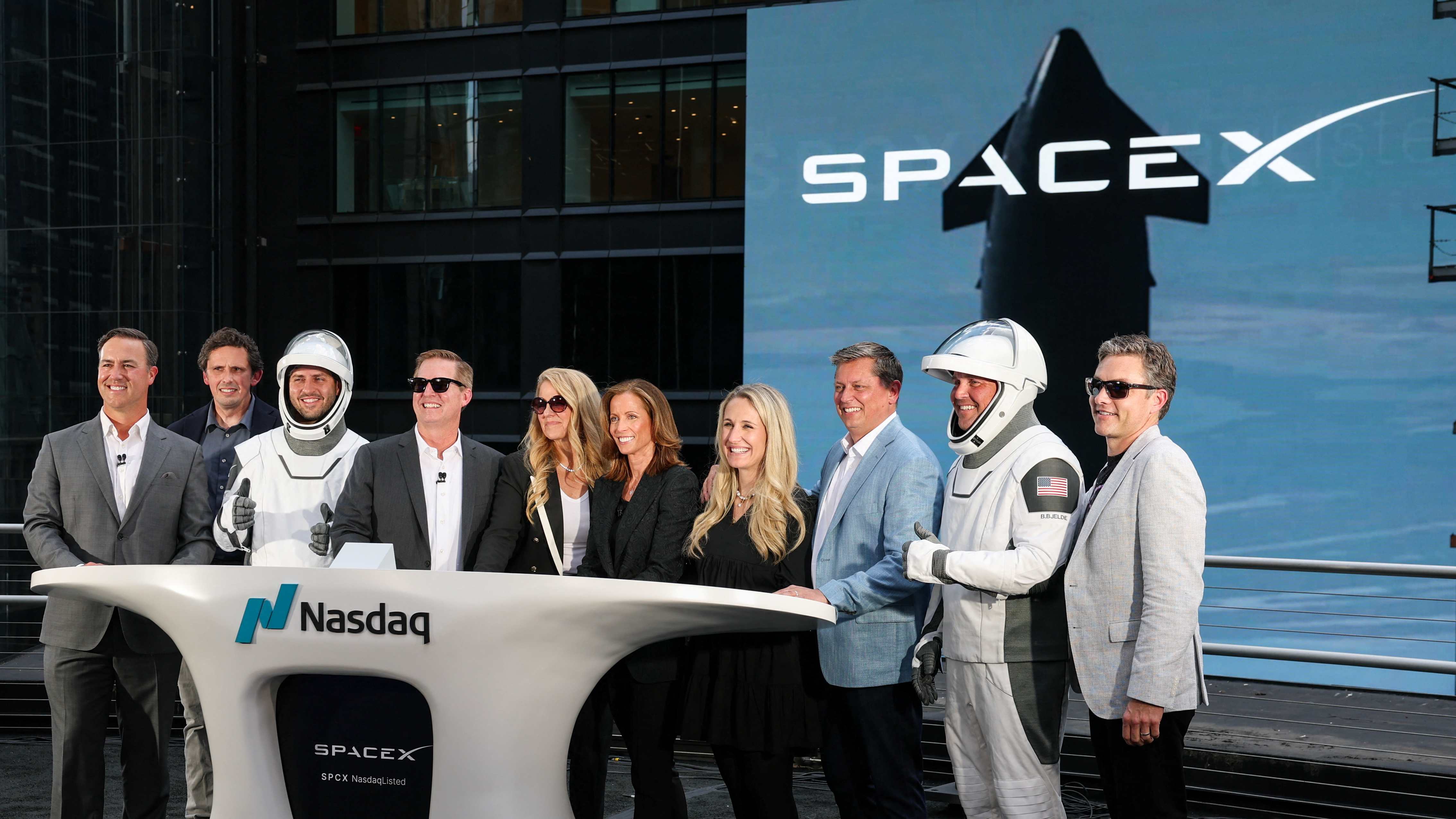
SpaceX's recent IPO represents a critical inflection point for e-commerce logistics infrastructure. The aerospace company completed what is characterized as the world's largest IPO, entering the Nasdaq-100 after just 15 trading days of public trading. However, approximately three weeks after its market debut, SpaceX's stock price has declined below its IPO opening price, creating a significant disconnect between Wall Street analyst sentiment and actual investor behavior. While analysts have flooded the market with bullish ratings following the end of the post-IPO quiet period, this positive sentiment has failed to support the stock price, which has retreated to levels near or below where it began trading.
This valuation uncertainty directly impacts e-commerce sellers relying on advanced logistics infrastructure. SpaceX's Starlink satellite internet service represents a transformative technology for international shipping tracking, supply chain visibility, and last-mile delivery optimization. The company's commercial spaceflight and satellite deployment capabilities position it as a critical infrastructure provider for next-generation logistics networks. However, the disconnect between analyst recommendations and actual stock performance suggests investors are reassessing SpaceX's long-term profitability and competitive positioning—concerns that directly translate to uncertainty about future logistics service availability and pricing for e-commerce operations.
The timing of this price decline coincides with increased market volatility across technology and aerospace sectors, with investors preparing for earnings season and monitoring macroeconomic indicators including employment data and Federal Reserve policy signals. For cross-border e-commerce sellers, this creates a dual risk: (1) potential delays in Starlink infrastructure rollout if SpaceX faces capital constraints, and (2) uncertainty about future logistics cost structures as SpaceX's financial health remains contested. The company's ability to demonstrate strong operational execution and revenue growth will be critical in restoring investor confidence and supporting sustainable stock price recovery—which directly determines the timeline and pricing for logistics innovations that benefit sellers.
Sellers should monitor SpaceX's quarterly earnings reports and investor guidance closely, as the company's financial trajectory will influence the speed of Starlink deployment to underserved shipping corridors (particularly in Southeast Asia, Latin America, and Africa). The current valuation disconnect suggests a 6-12 month period of uncertainty before market consensus stabilizes. Sellers with high-volume international shipments should diversify logistics providers and avoid over-reliance on emerging Starlink-based services until the company demonstrates sustained profitability and investor confidence recovery.
Questions 7
How does SpaceX's stock decline affect e-commerce sellers using Starlink logistics?
SpaceX's stock underperformance creates uncertainty about Starlink infrastructure investment timelines and pricing. The company's valuation disconnect—where bullish analyst ratings fail to support stock price recovery—suggests investor concerns about long-term profitability. For sellers, this means potential delays in Starlink deployment to underserved shipping corridors and unpredictable logistics cost structures. Sellers with high-volume international shipments should monitor SpaceX's quarterly earnings reports and consider diversifying logistics providers to reduce dependency on emerging Starlink-based services until the company demonstrates sustained investor confidence recovery.
What is the difference between analyst sentiment and investor behavior in SpaceX's IPO?
Wall Street analysts have issued bullish ratings on SpaceX following the end of the post-IPO quiet period, but actual investors are adopting a more cautious stance. The stock has declined below its IPO opening price approximately three weeks after market debut, despite positive analyst recommendations. This disconnect reflects investor concerns about SpaceX's long-term profitability and competitive positioning in commercial spaceflight. For sellers, this pattern indicates the market is reassessing premium valuations assigned during IPO pricing, suggesting a 6-12 month period of uncertainty before consensus stabilizes.