



Strait of Hormuz Crisis Drives 6% Oil Surge | Cross-Border Sellers Face 8-12% Shipping Cost Spike
- Brent crude jumps to $78.43/barrel as US-Iran tensions escalate; Strait transit capacity drops 50%; shipping fuel surcharges expected to rise 2-4 weeks; immediate impact on ocean freight costs for Amazon FBA, Shopify sellers shipping Asia-US-EU corridors




























Overview
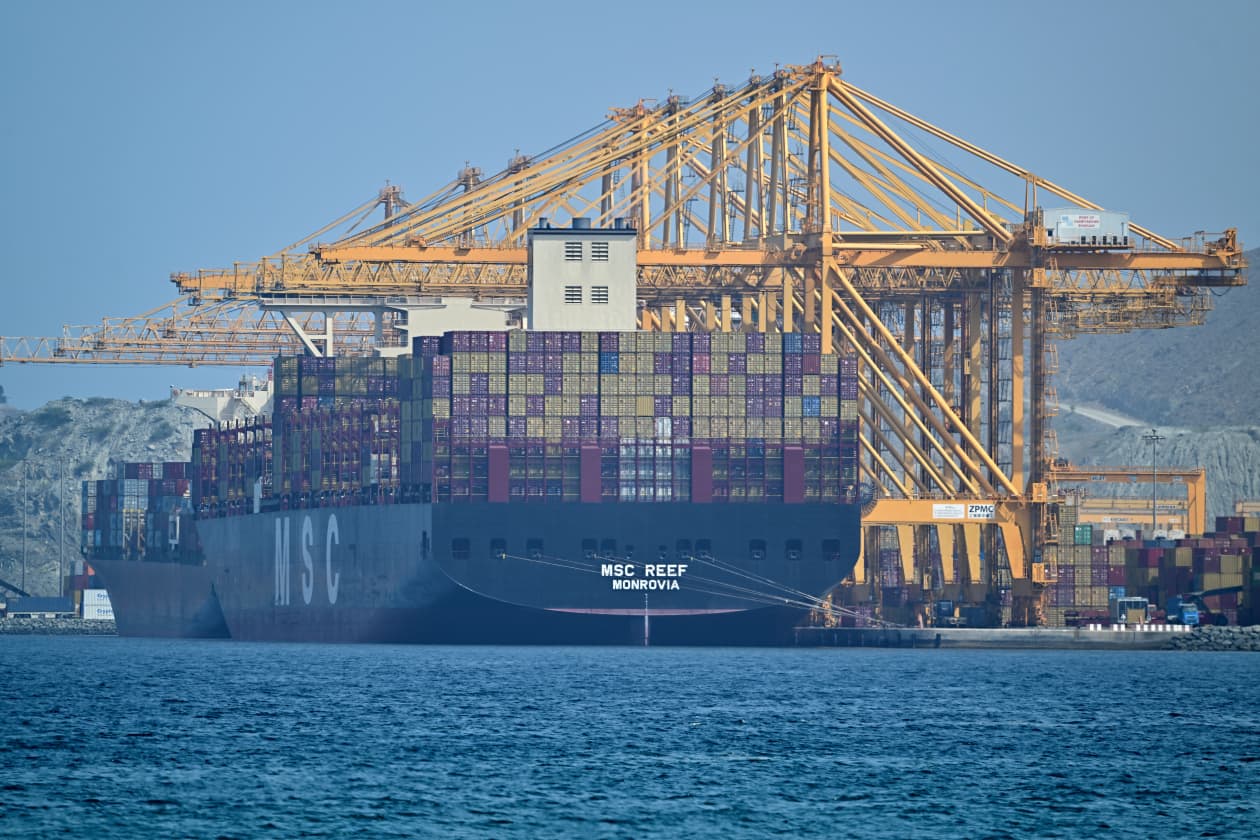
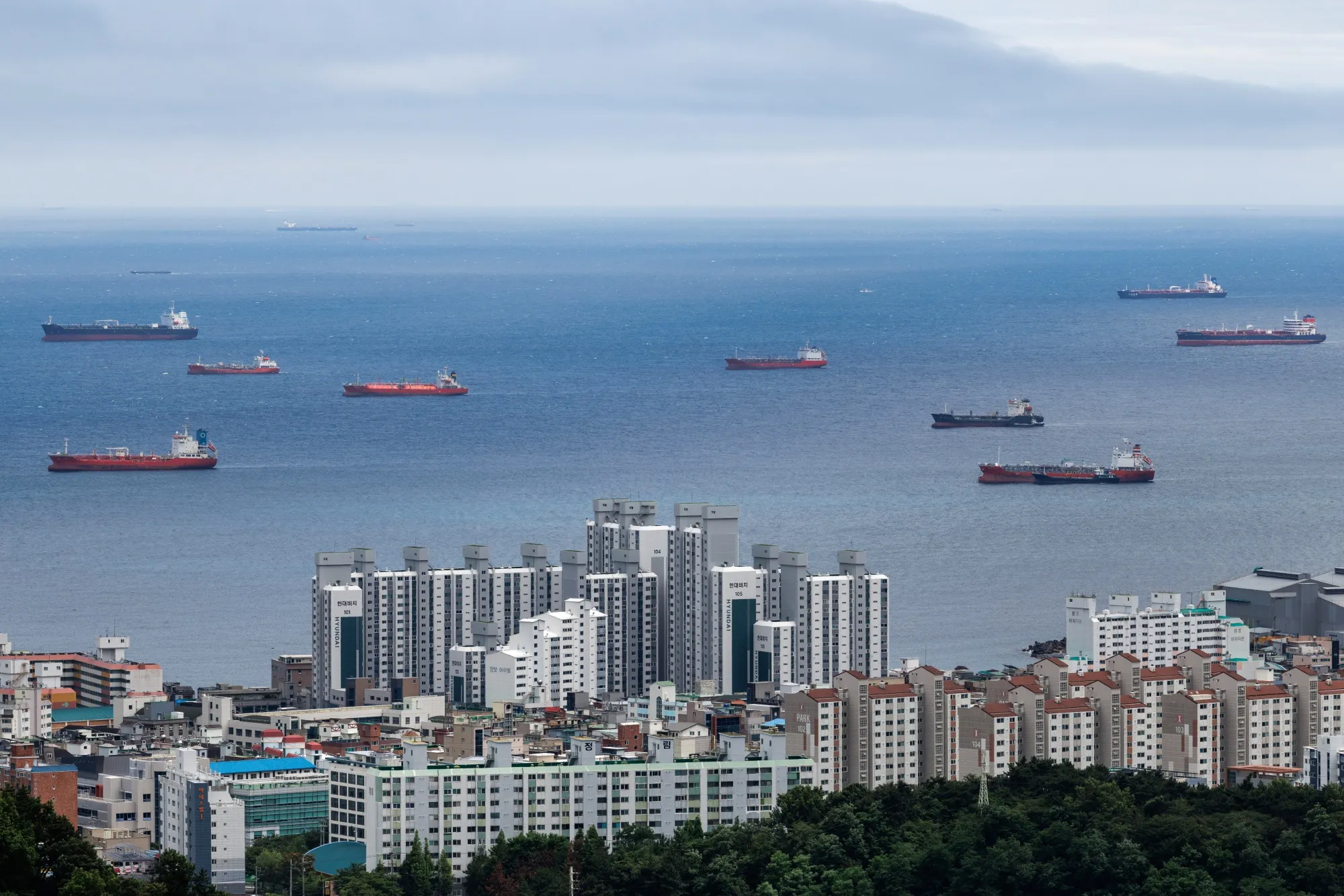
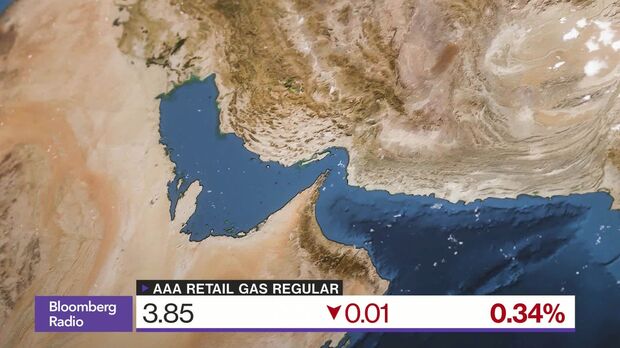
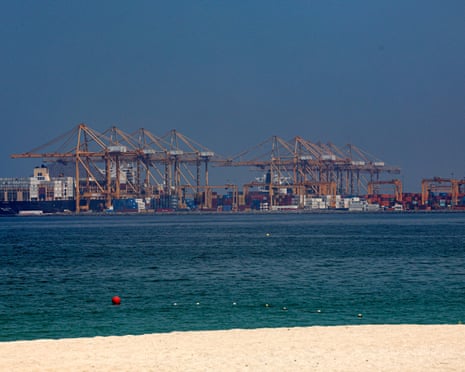
Geopolitical escalation between the US and Iran has triggered a critical shipping crisis affecting cross-border e-commerce sellers globally. Following US military strikes and revocation of Iranian oil sanctions waivers (effective July 17, 2024), Brent crude surged 4.27% to $78.43 per barrel on July 8, with West Texas Intermediate rising 3.91% to $74.35—the highest levels since June 22. The Strait of Hormuz, which carries approximately 20% of global oil supply and serves as a critical shipping corridor for cross-border commerce, faces severe transit disruptions. Ship-tracking data reveals at least four oil and gas tankers turned back from the strait due to heightened safety risks, with analysts projecting passage capacity could remain below 50% of pre-war levels for months. This directly impacts Amazon FBA sellers, Shopify merchants, and eBay vendors relying on ocean freight through Suez Canal routes and Gulf ports.
Immediate shipping cost pressures are materializing across all seller segments. Energy price volatility directly translates to fuel surcharges on ocean freight, which logistics providers typically pass to customers within 2-4 weeks. For sellers shipping 1,000+ units monthly via FBA, this represents an estimated 8-12% increase in fulfillment costs. The Brent crude three-month timespread widened to $2.36 per barrel (highest since June 16), signaling backwardation—a pattern indicating tighter immediate supply conditions and sustained elevated pricing. Sellers dependent on time-sensitive shipments face critical decisions regarding route selection and inventory positioning. Alternative routing options through longer circumnavigation routes are becoming prohibitively expensive, forcing sellers to either absorb costs, increase product prices, or accept delivery delays. The situation reflects broader supply chain fragility with multiple compounding pressure points: geopolitical tensions, labor disputes in Gulf ports, and infrastructure constraints.
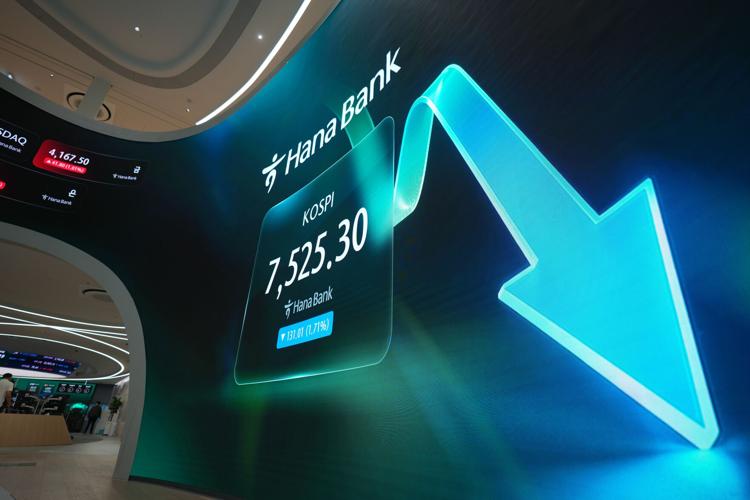
Strategic sourcing and inventory positioning opportunities are emerging for agile sellers. China's decision to lift refined fuel export restrictions for July and permit private refiners to resume operations after a four-month halt presents potential supply chain stabilization in Asia-Pacific regions. HSBC adjusted its 2026 Brent crude forecast downward to $80 per barrel from $95, assuming normalized Gulf exports by September—suggesting a potential 3-4 month window of elevated costs before stabilization. Sellers with longer supply chains and inventory buffers can weather the disruption better than just-in-time operators. Asian equity markets showed mixed reactions, with energy stocks gaining while other sectors faced headwinds from inflation concerns. This creates tactical opportunities for sellers to shift inventory positioning toward Asia-Pacific fulfillment centers before costs spike further, and to negotiate long-term freight contracts before fuel surcharges compound. The Treasury Department's deliberately vague June 17 memorandum of understanding regarding Strait control creates ongoing uncertainty—periodic hostility flare-ups are expected, making this a sustained rather than temporary cost pressure.
Questions 8
How much will my Amazon FBA shipping costs increase from the Strait of Hormuz crisis?
Sellers shipping 1,000+ units monthly via ocean freight can expect 8-12% cost increases within 2-4 weeks as fuel surcharges propagate through logistics networks. Brent crude surged to $78.43/barrel (4.27% increase on July 8), and the three-month timespread widened to $2.36/barrel, indicating sustained elevated pricing. Sellers using Amazon FBA's standard ocean freight should monitor their Seller Central dashboard for updated fulfillment cost estimates. The impact varies by route: Asia-US-EU corridors face the highest pressure since they rely heavily on Suez Canal/Strait of Hormuz transit. Sellers with existing freight contracts may see surcharges applied within 30 days.
What inventory positioning strategy minimizes geopolitical shipping risk?
Implement a 60-30-10 inventory distribution: 60% in regional fulfillment centers (Asia-Pacific, EU, North America), 30% in backup 3PL warehouses with alternative routing capability, 10% safety stock for demand spikes. This reduces reliance on any single shipping corridor. For Amazon FBA sellers, diversify across 3-4 fulfillment centers per region rather than concentrating in one. Negotiate 90-day freight contracts with 2-3 logistics providers to lock in rates before surcharges spike. For Shopify sellers, establish relationships with regional 3PLs (DHL Supply Chain, Geodis, XPO) offering alternative routing options. Avoid just-in-time models during geopolitical uncertainty; maintain 45-60 days inventory buffer for critical SKUs. This increases carrying costs 2-3% but eliminates stockout risk during shipping disruptions.