




Semiconductor Volatility & Oil Surge Impact Cross-Border Seller Costs | July 2026
- Chip stocks crash 20%+ while oil prices spike to $75/barrel; electronics sellers face 8-15% margin compression through Q4 2026



























Overview
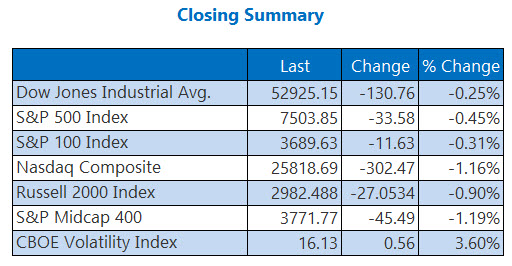
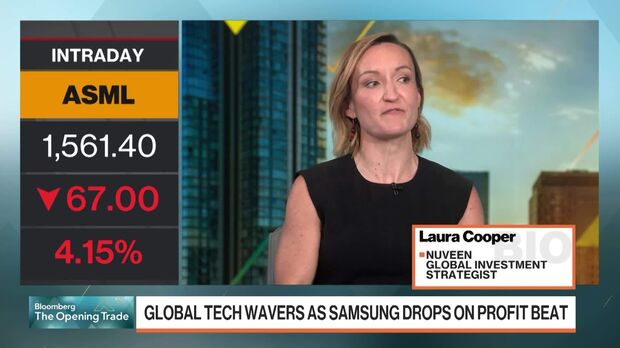
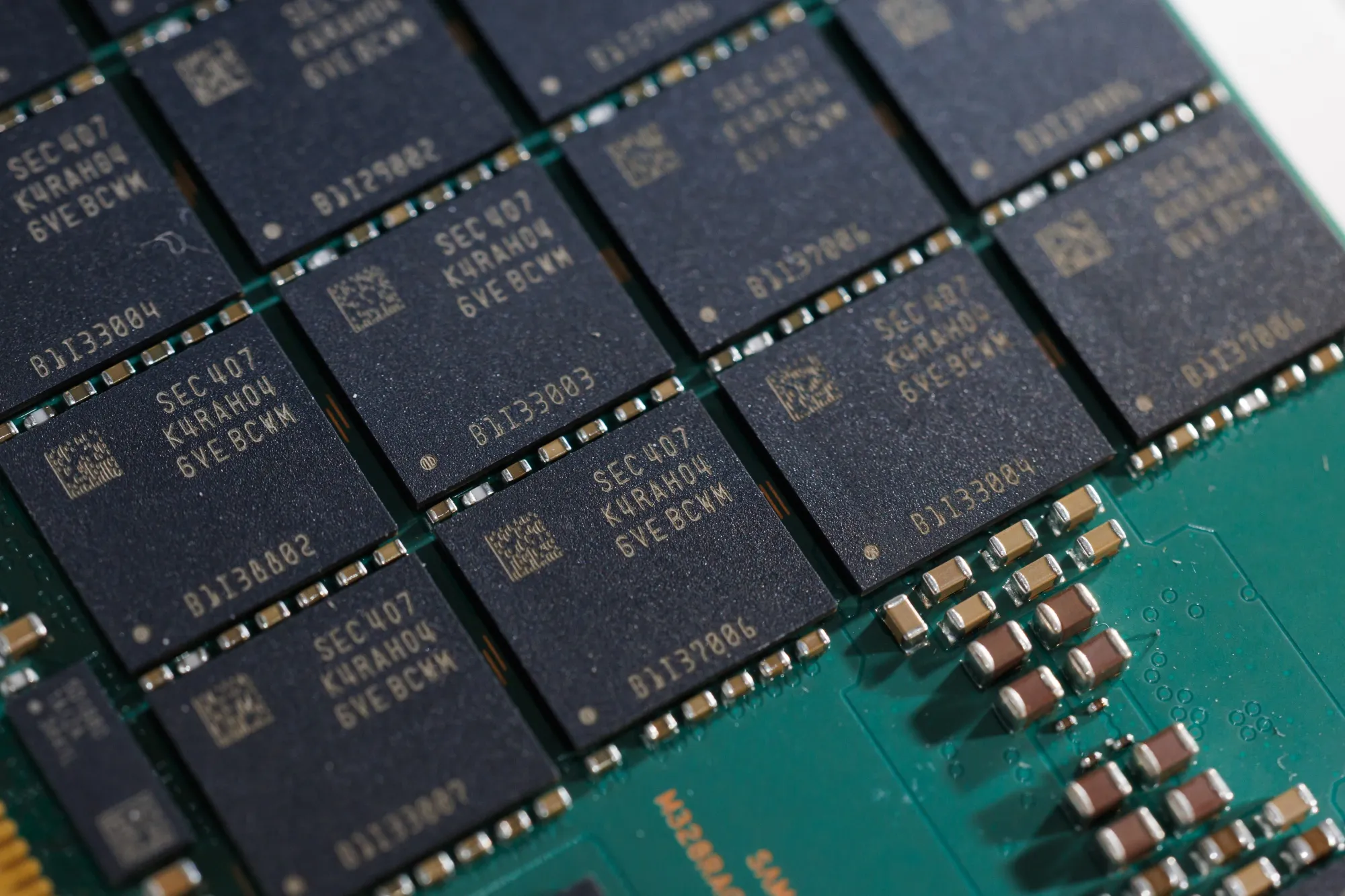
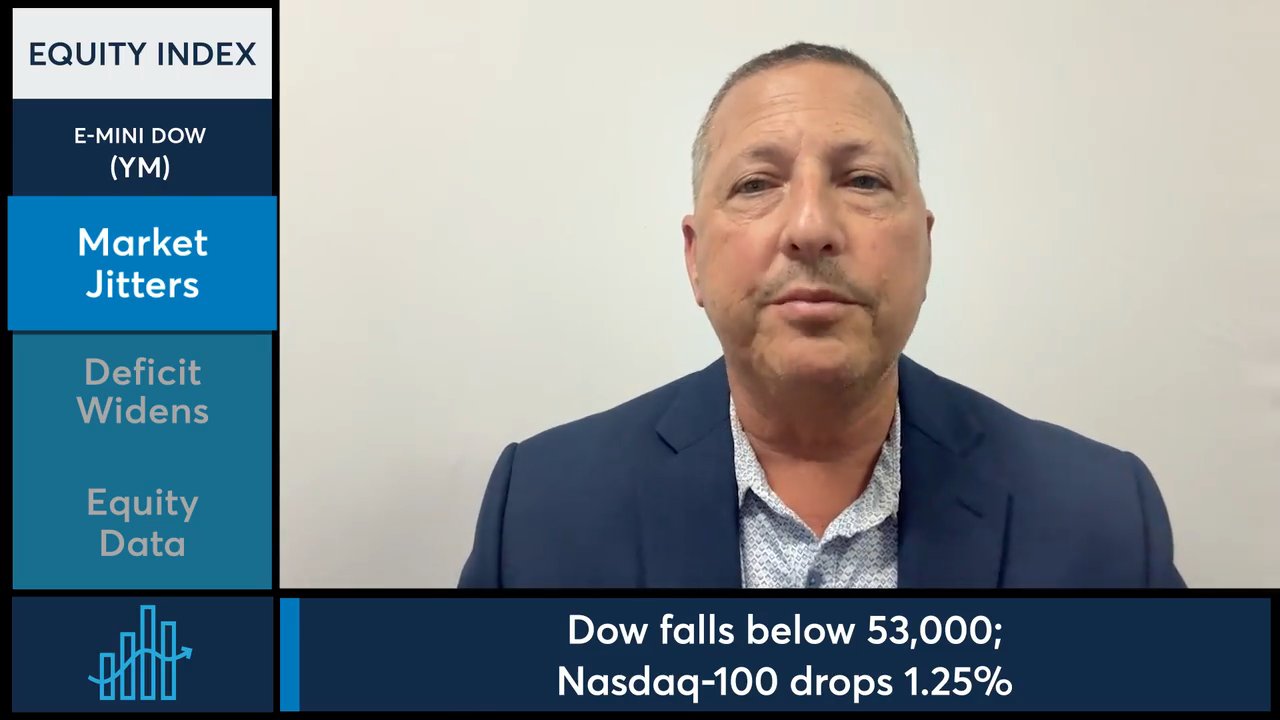
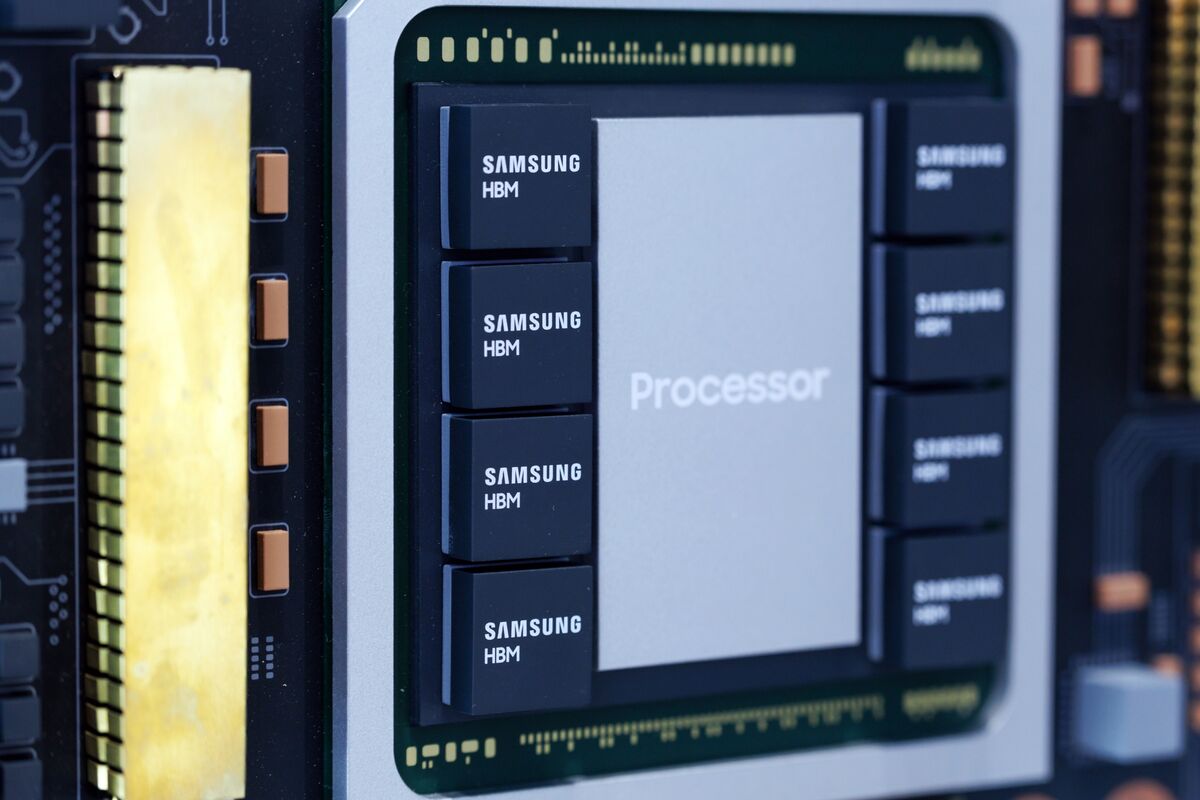
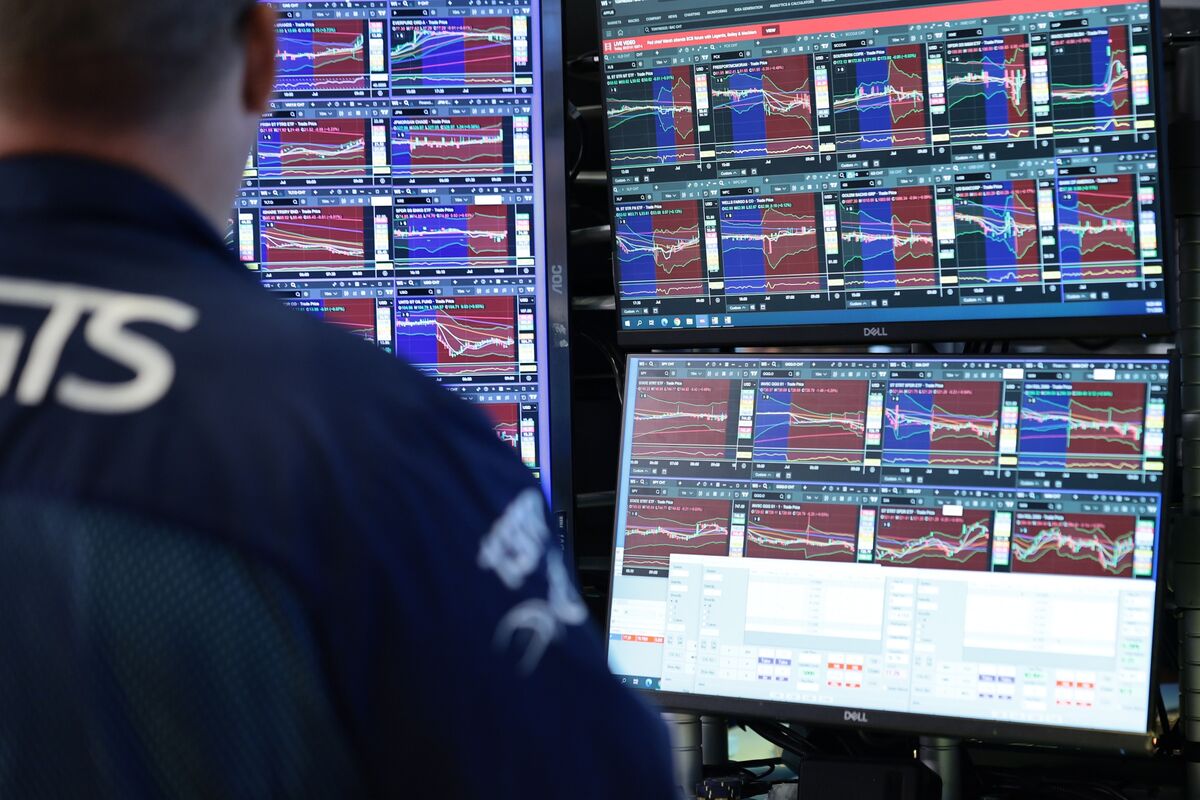
On July 7, 2026, cross-border e-commerce sellers faced a perfect storm of cost pressures as semiconductor stocks entered bear market territory and oil prices surged following geopolitical tensions. Samsung Electronics, despite reporting record Q2 operating profit (up 19-fold), failed to meet elevated investor expectations, triggering a sector-wide selloff. Memory chip stocks including Micron, Samsung, and SK Hynix each declined more than 20% from recent highs, with the semiconductor sector collectively losing approximately $1.5 trillion in market value since June 25. Simultaneously, Iranian attacks on commercial vessels in the Strait of Hormuz—a critical global shipping route—caused Brent crude futures to rise above $75.50/barrel and WTI crude to climb to $72/barrel, with the US Treasury revoking Iran's oil sales license and prompting widespread vessel rerouting.
For cross-border e-commerce sellers, these interconnected market movements create immediate operational challenges. Electronics sellers relying on chip-dependent products—including IoT devices, smart home equipment, and consumer electronics—face dual cost pressures: rising component prices due to semiconductor supply uncertainty and elevated shipping costs from oil price volatility. Sellers using air freight or expedited shipping methods to distant markets (particularly Asia-Pacific and European destinations) will experience the most acute margin compression, with logistics costs potentially increasing 8-12% for high-volume shipments. Amazon's concurrent issuance of AI-focused bonds signals the platform's substantial investment in logistics optimization and marketplace algorithms, suggesting accelerated rollout of AI-powered seller tools for inventory management and pricing optimization—tools that may become essential for navigating this volatile cost environment.
The semiconductor volatility reflects deeper structural concerns: Chinese AI startup DeepSeek's development of competing AI chips threatens established chipmakers' pricing power, while investor reassessment of AI spending sustainability creates cyclical demand uncertainty. For sellers planning Q3-Q4 peak season inventory purchases, this volatility signals continued uncertainty in component availability and pricing through year-end. Samsung's earnings reports typically precede broader industry trends, making this announcement a leading indicator for hardware supply chain disruptions. Sellers in electronics categories should prioritize diversified supplier relationships and flexible sourcing strategies to mitigate single-source chip dependency. The geopolitical shipping disruption adds another layer of complexity: vessel rerouting around the Strait of Hormuz extends transit times by 7-14 days and increases fuel surcharges, directly impacting fulfillment timelines for sellers shipping via ocean freight to Europe and Asia-Pacific markets.
Questions 7
Which product categories face the highest margin compression from these market shifts?
Electronics categories with high chip dependency face the steepest margin compression: IoT devices, smart home equipment, consumer electronics, and computing peripherals. These categories typically operate on 15-25% margins; combined semiconductor cost increases (5-8%) and shipping surcharges (8-12%) compress margins to 5-10%, making profitability challenging. Sellers in these categories should prioritize: (1) raising prices 3-5% to offset costs, (2) shifting inventory to 3PL providers in destination markets to reduce shipping costs, (3) focusing on higher-margin SKUs with better cost absorption. Apparel and home goods sellers face lower impact since they have minimal chip dependency.
When should I lock in supplier prices and shipping contracts to minimize costs?
Lock in supplier prices and shipping contracts immediately through August 15, 2026, before Q3-Q4 peak season demand drives further increases. Semiconductor component prices typically increase 2-3% monthly during volatile periods; oil prices at $75/barrel suggest sustained fuel surcharges through Q4. Contact your suppliers and 3PL providers this week to negotiate fixed-price agreements for August-December shipments. For ocean freight, book capacity now before peak season congestion; for air freight, establish monthly volume commitments to lock in rates. Document all agreements with price-lock clauses to protect against further market volatility.