


Xbox Restructuring: 3,200 Layoffs Signal Gaming Platform Consolidation & Seller Opportunity Shift
- Microsoft eliminates 3,200 Xbox roles (1,600 immediate) through fiscal 2027; divests 5 studios; cuts vendor spend 50%; impacts gaming merchandise sellers, digital content creators, and platform-dependent businesses



















Overview
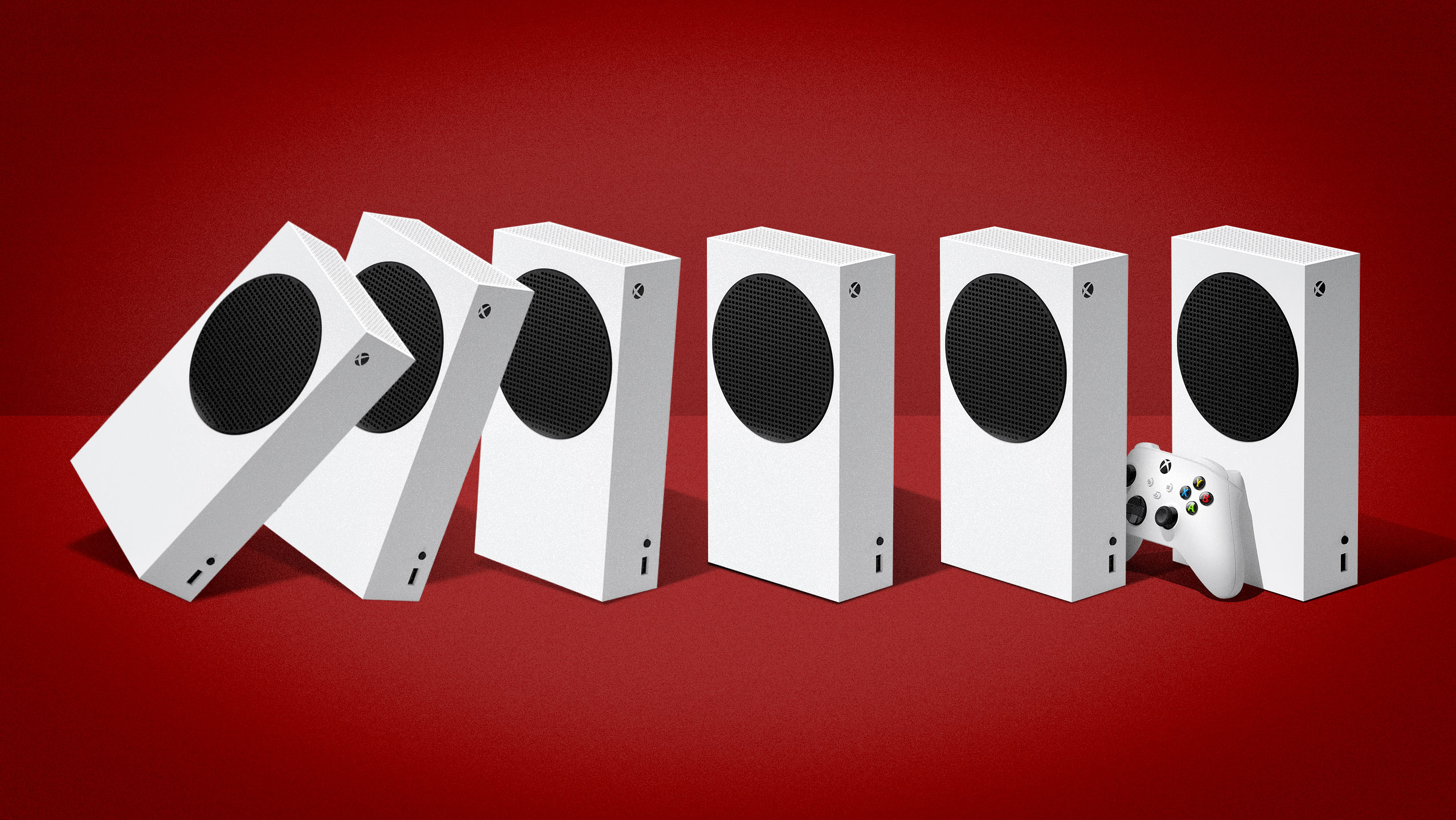
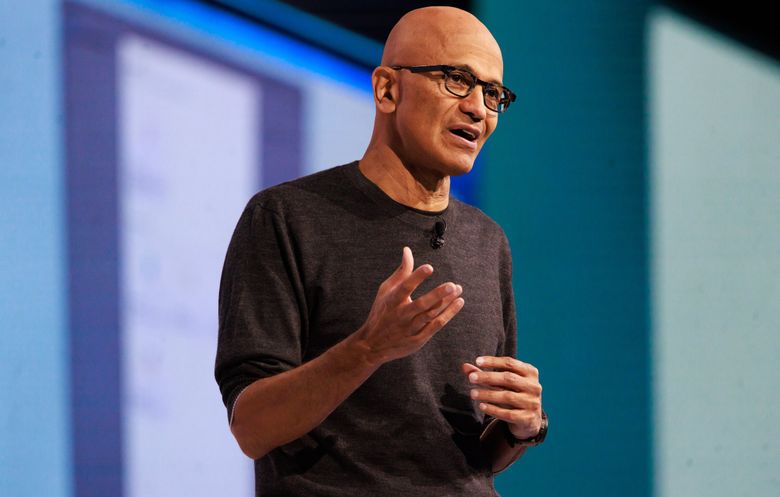
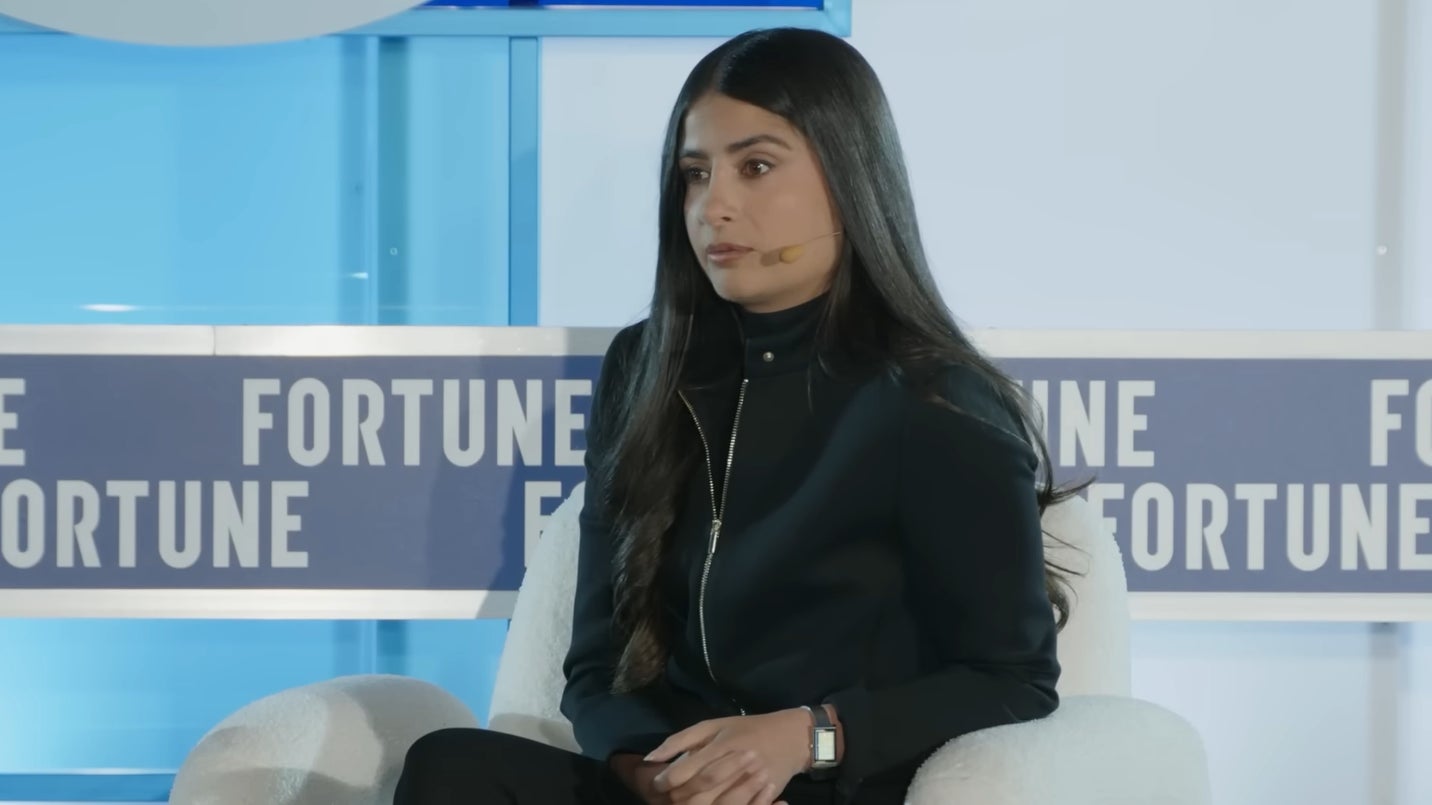
Microsoft's Xbox division announced the most significant organizational restructuring in its history, eliminating 3,200 roles with 1,600 cuts effective immediately and additional reductions through fiscal 2027. CEO Asha Sharma attributed the overhaul to $20 billion in Xbox investments over five years (excluding Activision Blizzard) failing to generate expected returns, with annual revenue declining approximately $500 million. Xbox operates at margins 3-10x lower than comparable platform and publishing businesses, reflecting a smaller install base and higher cost structure. The company will divest five internal studios: Compulsion Games and Double Fine will become independent, while Ninja Theory and Undead Labs seek new ownership with funding for projects like Senua and State of Decay 3. Arkane Lyon will explore strategic options through consultation.
For cross-border e-commerce sellers, this restructuring creates both immediate risks and emerging opportunities. The 50% reduction in vendor spend signals tighter partnerships with fewer, larger suppliers—favoring established gaming merchandise manufacturers and digital content distributors over small independent sellers. Sellers relying on Xbox Game Pass partnerships, first-party game tie-ins, or platform-exclusive content face uncertainty as Microsoft consolidates to five major franchises (Fallout, The Elder Scrolls, Wolfenstein, Doom, Quake via Bethesda). However, the divestment of studios creates opportunities: independent studios like Double Fine and Compulsion Games will seek alternative distribution channels, potentially opening marketplace partnerships on Amazon, eBay, and Shopify for indie game merchandise, digital assets, and community-driven products. The shift from 14 management layers to 5 indicates faster decision-making on vendor partnerships and platform policies.
Broader industry consolidation signals a shift toward franchise-centric monetization. Bethesda's focus on five major franchises means concentrated marketing spend and merchandise opportunities in those specific categories—Doom, Fallout, and Elder Scrolls merchandise will likely see increased investment. Simultaneously, the 3,200 layoffs across Xbox and broader gaming sector (id Software cut 50% of workforce; ~90 employees) indicate reduced spending on experimental titles and live-service games, contracting the addressable market for niche gaming products. Sellers should monitor Nexon's August 12 takeover of Overwatch PC publishing in South Korea—Nexon's 118% year-over-year net income growth ($360.7M in Q1) demonstrates strong regional monetization capabilities, suggesting Microsoft may replicate this partnership model in other markets, creating new distribution channels for sellers in Asia-Pacific regions.
Questions 7
What opportunities exist from Nexon's August 12 Overwatch publishing takeover in South Korea?
Nexon's 118% year-over-year net income growth ($360.7M Q1) and successful Arc Raiders launch (4.6M additional units) demonstrate strong regional monetization. Microsoft may replicate this partnership model in other Asia-Pacific markets, creating opportunities for sellers to partner with regional publishers for localized merchandise, digital content, and live-service products. Sellers in SEA should monitor Nexon's expansion announcements for partnership windows in Q4 2024-Q1 2025.
How does the broader gaming industry consolidation affect niche gaming product sellers?
id Software's 50% workforce reduction (90+ employees) and industry-wide consolidation signal reduced investment in experimental and niche titles. Sellers of indie game merchandise, retro gaming products, and experimental title tie-ins should expect smaller addressable markets and lower marketing support. Conversely, sellers of major franchise products (Doom, Fallout, Elder Scrolls) will see increased competition but larger total addressable markets as Microsoft concentrates resources on these five franchises.