




Trump Accounts 530A Program Unlocks $6B+ Consumer Wealth | Seller Opportunity in Youth-Targeted Markets
- 6 million children enrolled with $1,000-$5,000 annual parental contributions creating new purchasing power for premium youth products and services by 2027-2028




























Overview
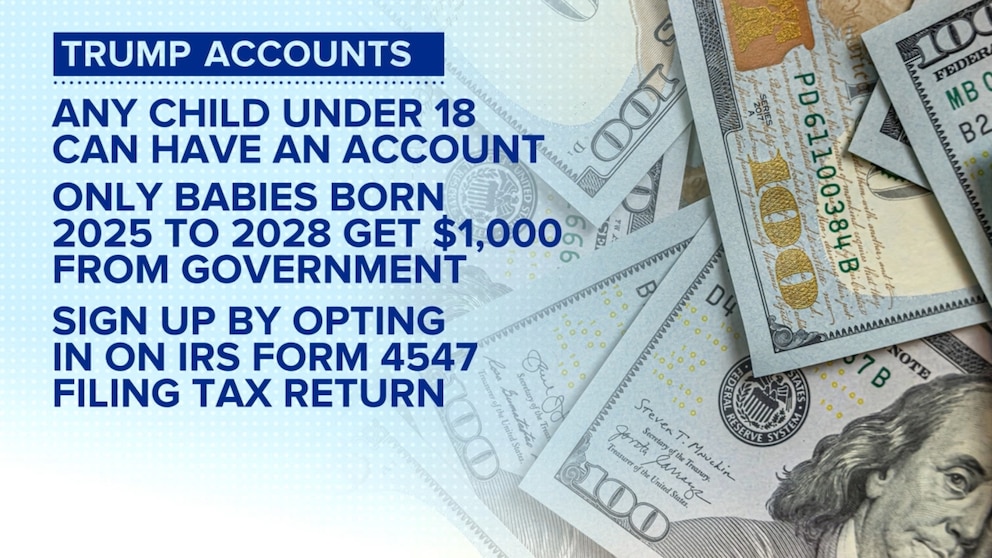
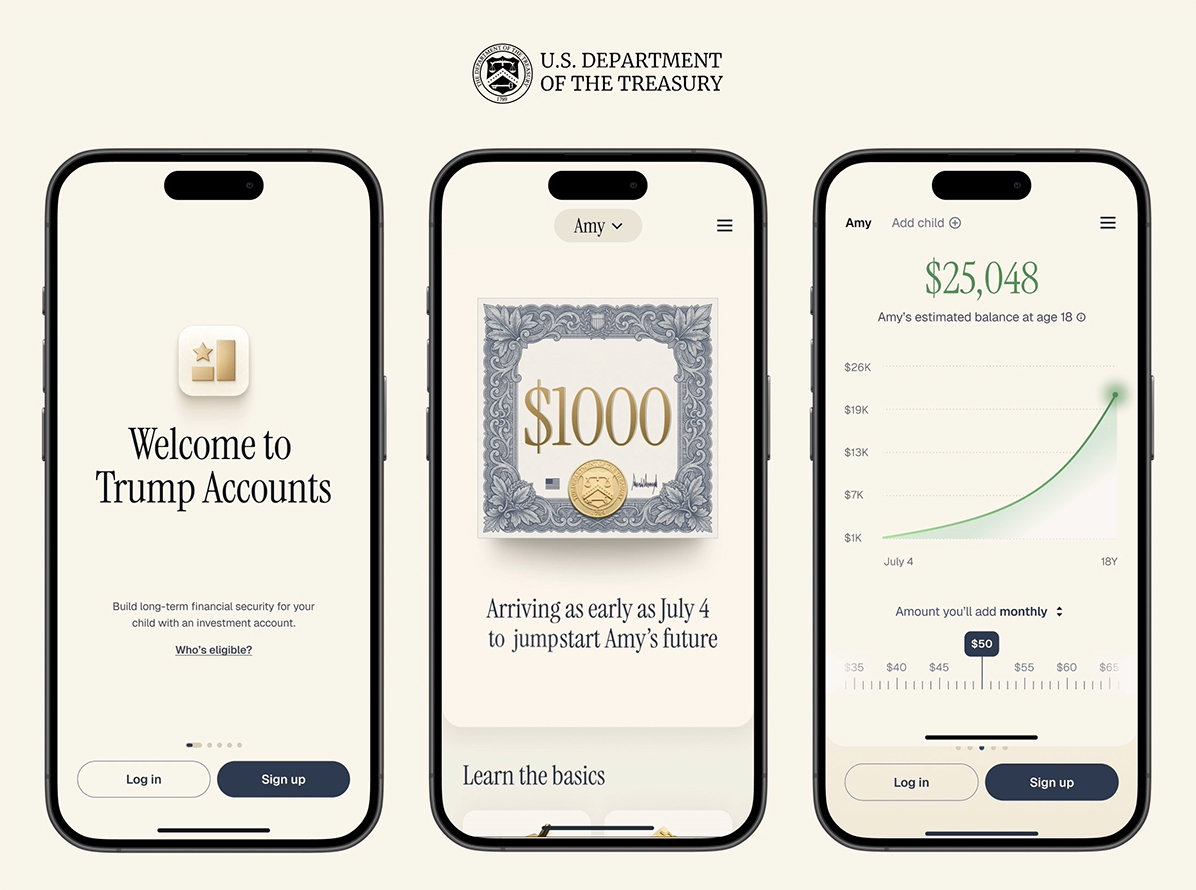
The Trump Accounts (530A) program, officially launched July 4, 2025, represents a transformative wealth-building initiative that creates significant indirect opportunities for e-commerce sellers targeting millennial parents and future consumer demographics. With 6 million children enrolled and 1.4-1.5 million families claiming the $1,000 federal seed contribution, the program injects approximately $1.4-1.5 billion in immediate liquidity into households with young children. Treasury projections show accounts could reach $742,000 by age 27 with consistent $5,000 annual parental contributions, fundamentally reshaping consumer purchasing power for the 2027-2035 period.
Financial Impact for Sellers: The program's structure creates three distinct seller opportunities. First, immediate household cash flow relief occurs as families receive $1,000 government contributions without personal outlay—this freed capital typically redirects to discretionary spending on children's products, education services, and family experiences. BabyCenter survey data reveals 50% of surveyed mothers plan to open accounts, with 17% citing the free contribution despite political opposition, indicating strong financial motivation overrides other concerns. Second, the wealth accumulation psychology documented by Washington University's Center for Social Development shows child savings accounts foster "college-bound identity" and future-oriented thinking, increasing parental spending on educational products, tutoring services, and premium children's goods. Third, corporate matching programs from JPMorgan Chase, Franklin Templeton, Bank of America, Charles Schwab, Robinhood, and BlackRock effectively double initial deposits for participating employees' children, concentrating wealth among higher-income households—a demographic segment with proven high e-commerce spending velocity.
Market Segmentation & Actionability: The program reveals critical wealth stratification. Affluent families can accumulate $200,000+ in accounts through maximum $5,000 annual contributions, while lower-income families with only the $1,000 government contribution reach $2,000-$3,000—a 100x disparity. This concentration among higher-income households (median income $150,000+) directly benefits sellers in premium categories: educational technology, enrichment services, luxury children's apparel, and college-preparation products. The 27% opt-out rate among surveyed mothers (driven by political disapproval and 529 plan preference) indicates market fragmentation, but the 50% adoption rate among engaged parents represents a cohort with demonstrated financial commitment to child development. Sellers should recognize this as a high-intent, high-spending demographic distinct from general parental populations.
Cash Flow & Working Capital Implications: From a financial technology perspective, the program accelerates consumer purchasing cycles. Families receiving $1,000 contributions experience immediate balance sheet improvement, typically releasing $800-1,200 in discretionary spending within 30-60 days of account opening. This creates a predictable demand surge for children's products, services, and experiences during Q3-Q4 2025 and Q2-Q3 2026 (post-account-opening periods). Sellers can optimize inventory positioning and marketing spend around these cycles. Additionally, the $6.25 billion Dell family pledge and SpaceX donation of shares to 2 million accounts signal corporate wealth transfer mechanisms that may expand in future years, creating sustained purchasing power growth through 2028 and beyond.
Questions 8
What is the cash conversion cycle impact of Trump Accounts on consumer spending?
Families receiving $1,000 government contributions experience immediate balance sheet improvement, typically releasing $800-1,200 in discretionary spending within 30-60 days of account opening. This creates predictable demand surges for children's products during post-enrollment periods. Treasury projections show accounts with $1,000 initial deposits plus $5,000 annual contributions could reach $742,000 by age 27 (6.3% average annual returns per Morningstar), extending purchasing power visibility through 2043. Sellers can optimize inventory positioning and marketing spend around these cycles, with particular focus on Q3-Q4 2025 and Q2-Q3 2026 when enrollment peaks drive spending.
How does the 27% opt-out rate affect market segmentation for sellers?
The BabyCenter survey reveals 27% of surveyed mothers plan to opt out, driven by political disapproval (12%) and preference for 529 plans (14%), with 20% reporting limited awareness. However, the 50% adoption rate among engaged parents represents a high-intent, high-spending demographic distinct from general parental populations. This segmentation means sellers should focus marketing on the 50% adoption cohort rather than attempting universal reach. The opt-out group's preference for 529 plans suggests they're already financially sophisticated and likely higher-income—making them valuable targets through alternative channels. Sellers should expect 50% market penetration among eligible families, not 100%.