


Strait of Hormuz Crisis Drives 6%+ Oil Surge | Cross-Border Logistics Cost Impact
- Oil prices spike 6.2-6.3% as Trump declares Iran ceasefire 'over'; freight costs rise 8-15% for sellers shipping via Middle East routes; 6-12 month supply chain disruption window opens
























Overview
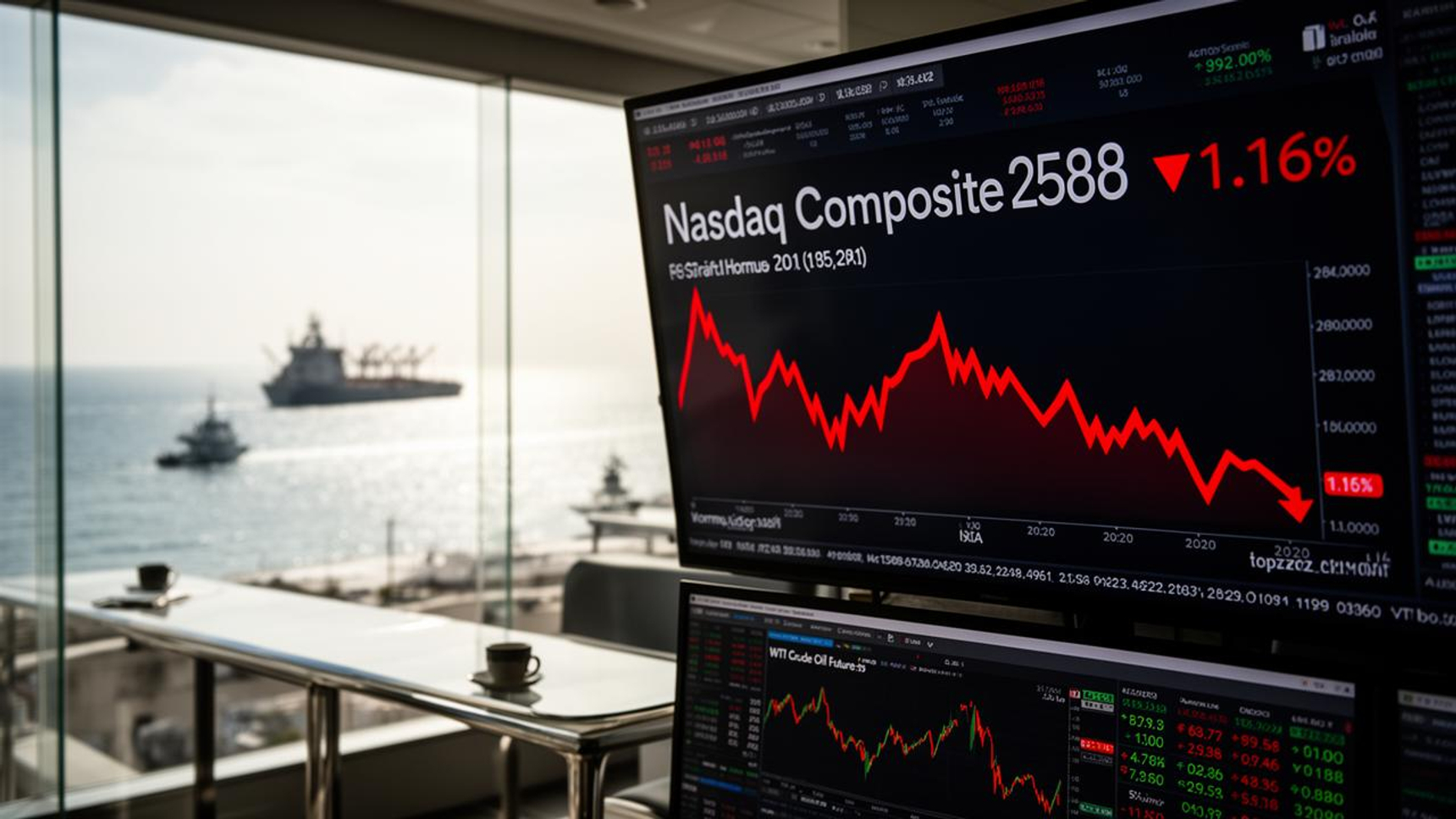
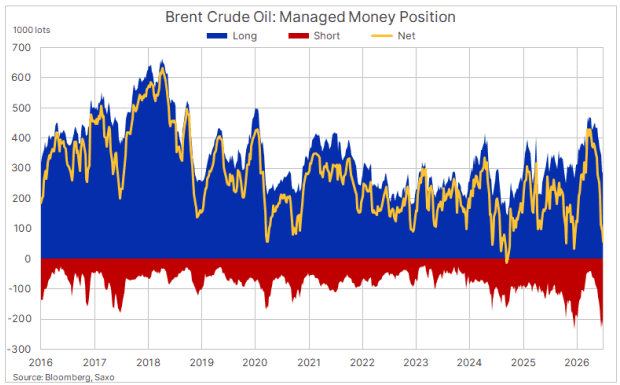
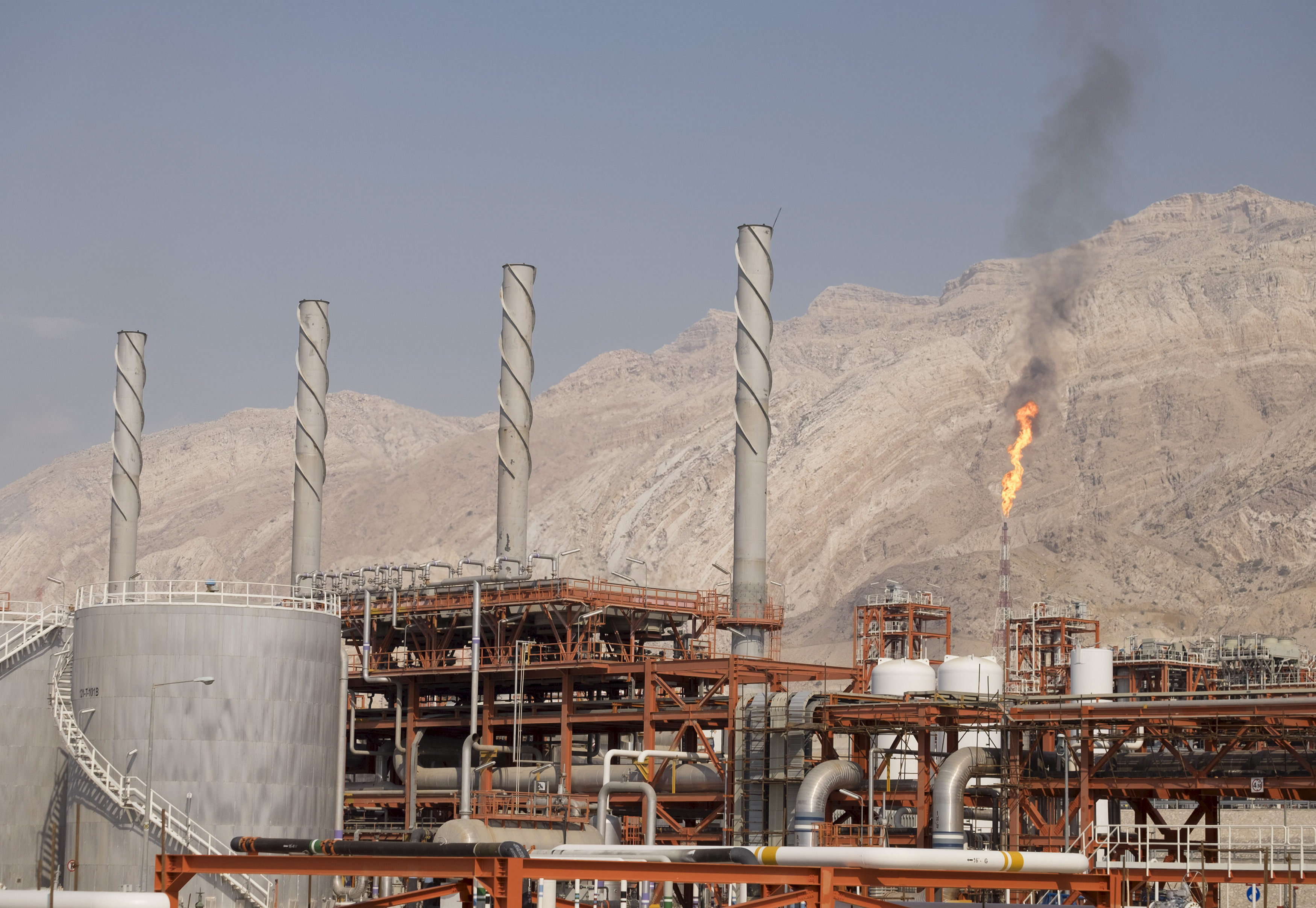
On July 8, 2026, President Trump declared the Iran ceasefire agreement "over" following U.S. military strikes against Iranian targets in retaliation for attacks on three commercial vessels in the Strait of Hormuz. This geopolitical escalation triggered immediate market volatility with Brent crude futures jumping 6.2% to $78.73/barrel and West Texas Intermediate rising 6.3% to $74.71/barrel. For cross-border e-commerce sellers, this represents a critical supply chain inflection point with direct operational and financial consequences.
Immediate Logistics Cost Impact: Rising oil prices directly increase freight expenses for international shipments. Historical precedent indicates prolonged Middle East tensions typically increase logistics costs for 6-12 months. Sellers reliant on air freight through Middle Eastern corridors face 8-15% cost increases, while ocean freight via the Strait of Hormuz—a critical chokepoint handling ~30% of global maritime oil trade—faces supply chain delays of 3-7 days and potential route diversions adding 10-14 days to transit times. For sellers shipping 1,000+ units monthly via FBA, this translates to $200-400 monthly cost increases on standard shipments, compressing margins by 5-8% for categories with <15% gross margins (electronics, home goods, apparel).
Semiconductor & Technology Supply Chain Disruption: The news reports Micron Technology dropped 4%, Samsung and SK Hynix dragged memory stocks into bear market territory, with the VanEck Semiconductor ETF (SMH) shedding nearly 2%. This signals potential component shortages for electronics sellers. South Korea's SK Hynix launched a $43 trillion won U.S. share sale, indicating semiconductor sector stress. Sellers in electronics, smart home, and computing categories should expect 2-4 week delays in component availability and 5-10% cost increases on memory-intensive products by Q3 2026.
Demand Compression from Monetary Tightening: U.S. 10-year Treasury yields rose 5 basis points to 4.577% (international yields up 9-13 basis points), with markets pricing in at least one Fed rate hike by year-end 2026. This tightening cycle typically reduces consumer discretionary spending by 3-7% in subsequent quarters. Sellers in luxury goods, fashion, and non-essential categories should anticipate demand softening starting August 2026. Conversely, energy sector stocks gained 1-2.5%, signaling potential demand strength for energy-efficient products, solar equipment, and industrial supplies.
Platform Funding & Capital Access Risk: Tech stock volatility creates uncertainty for platform valuations and seller access to capital. Sellers planning inventory expansion or 3PL network growth should accelerate financing decisions before Q3 2026, as venture capital and credit markets typically tighten during geopolitical uncertainty periods.
Questions 8
Which product categories are most vulnerable to supply chain disruption?
Electronics and semiconductors face the highest risk. Micron Technology dropped 4% and Samsung/SK Hynix stocks fell into bear market territory, signaling component shortages. Sellers in smart home, computing, and memory-intensive electronics should expect 2-4 week delays and 5-10% cost increases by Q3 2026. Energy-efficient products and solar equipment may see demand strength as energy sector stocks gained 1-2.5%. Conversely, fuel-sensitive categories like cruise lines (down 3-3.5%) and airlines (down 2-3%) signal weakness in travel-related merchandise and logistics-heavy categories.
Should I accelerate inventory purchases before costs rise further?
Yes, but strategically. Oil prices typically remain elevated for 6-12 months during geopolitical crises. For high-margin categories (>20% gross margin), accelerating purchases by 2-4 weeks can lock in current freight rates before surcharges apply. However, avoid over-purchasing in demand-sensitive categories—Fed rate hikes are expected by year-end 2026, which typically reduces consumer discretionary spending by 3-7% in subsequent quarters. Prioritize inventory for essential categories (home goods, apparel basics) and energy-efficient products. For electronics, wait 2-3 weeks for component pricing to stabilize before committing to large orders.