

Utility Labor Costs Rise 4-4.5% Post-PECO Strike | Seller Logistics Impact
- PECO's 1,600-worker agreement signals rising operational costs for regional fulfillment networks; 3.1% rate increase already implemented, further hikes expected to affect last-mile delivery costs in Philadelphia metro (1.7M residents)















Overview
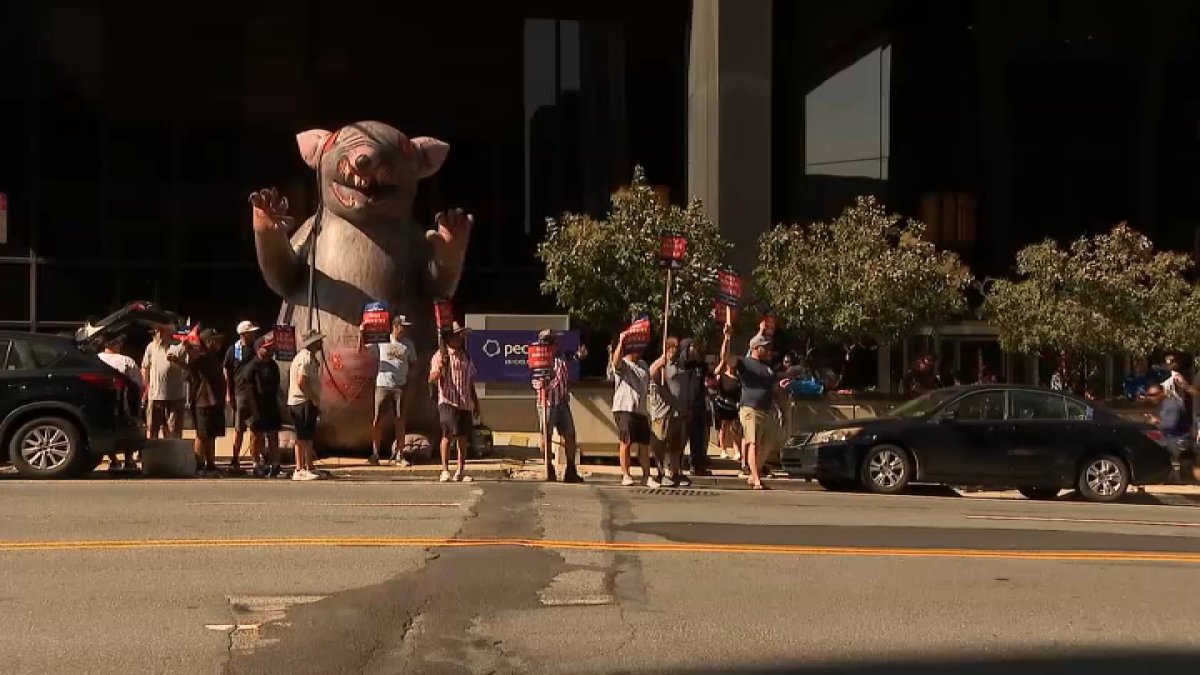
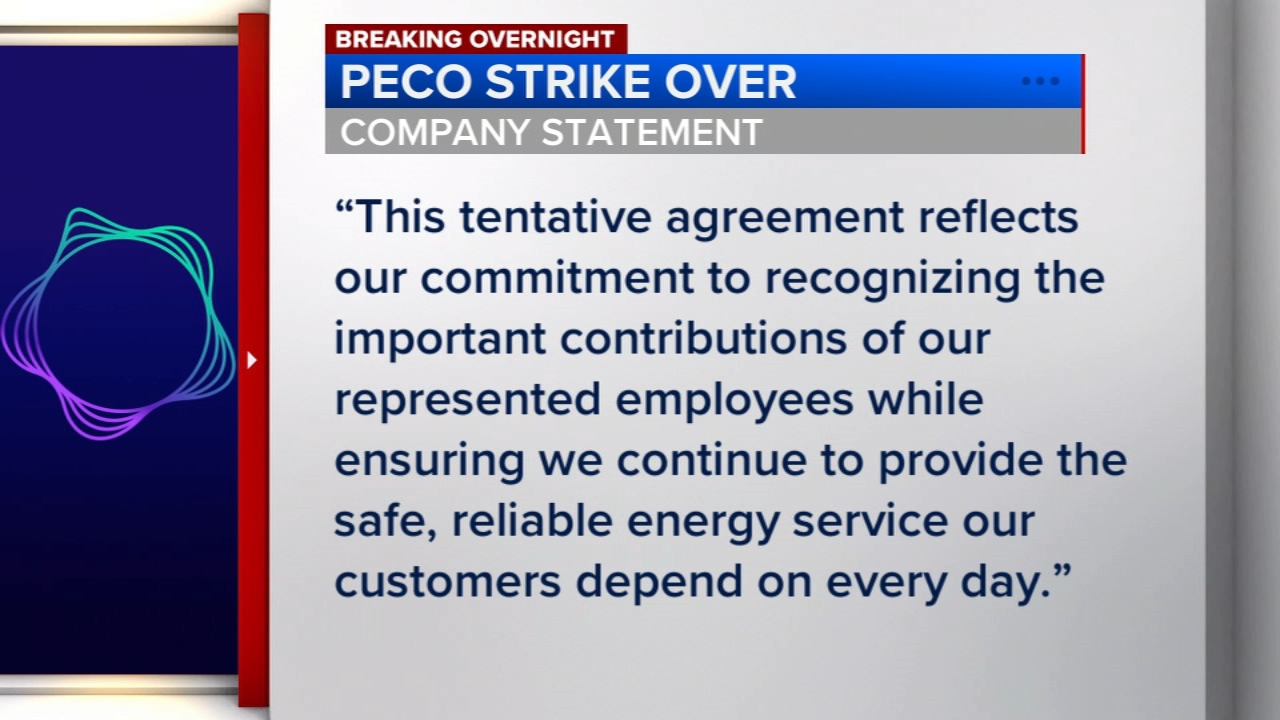
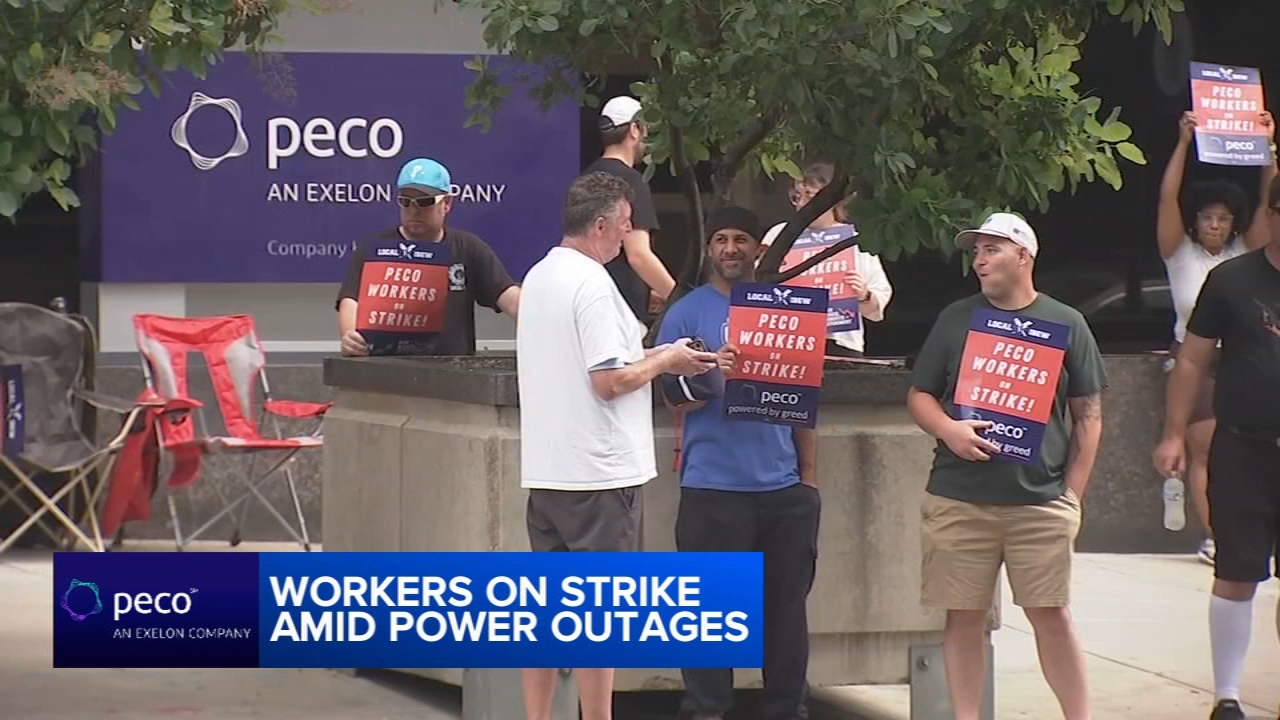
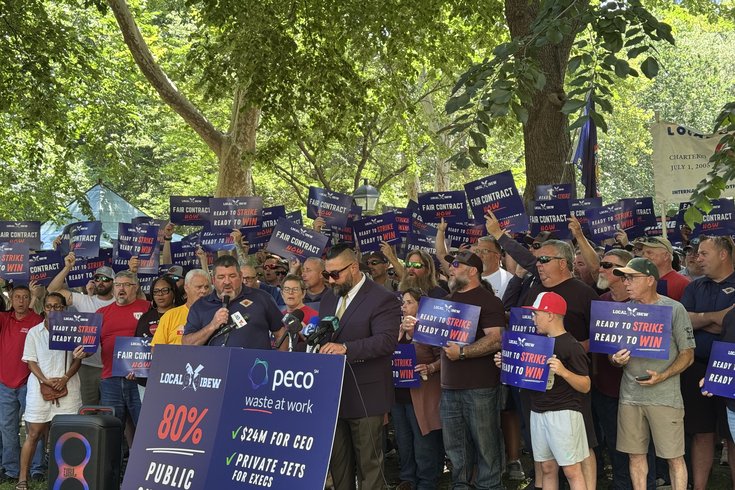
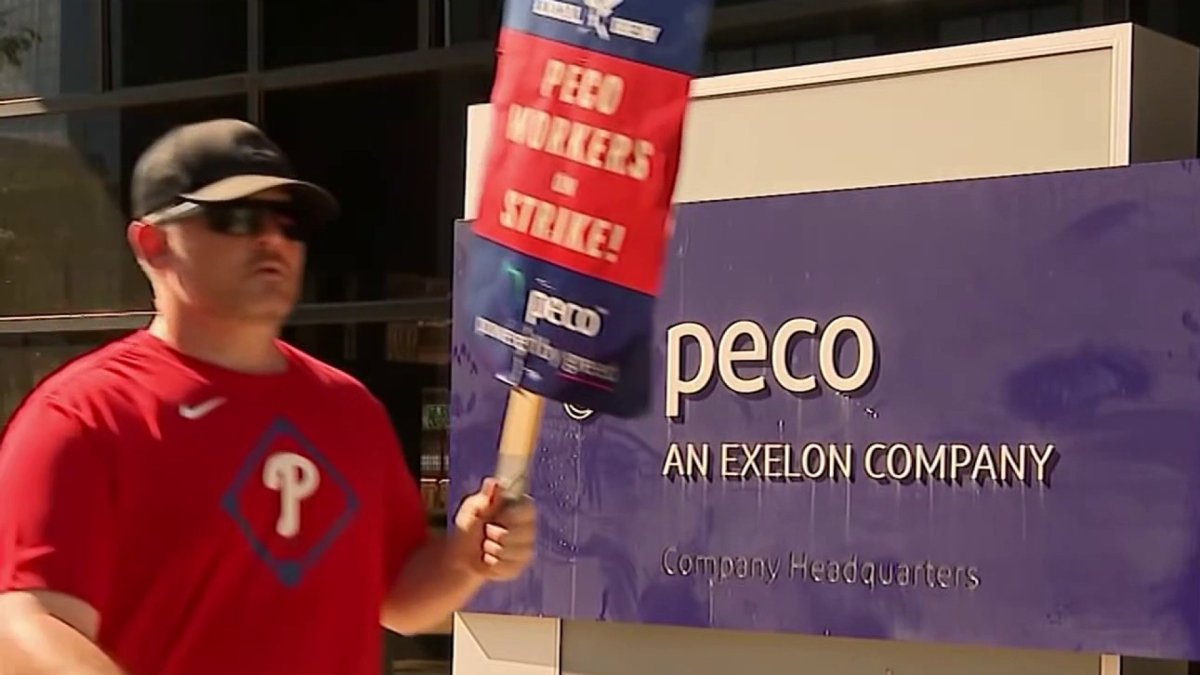
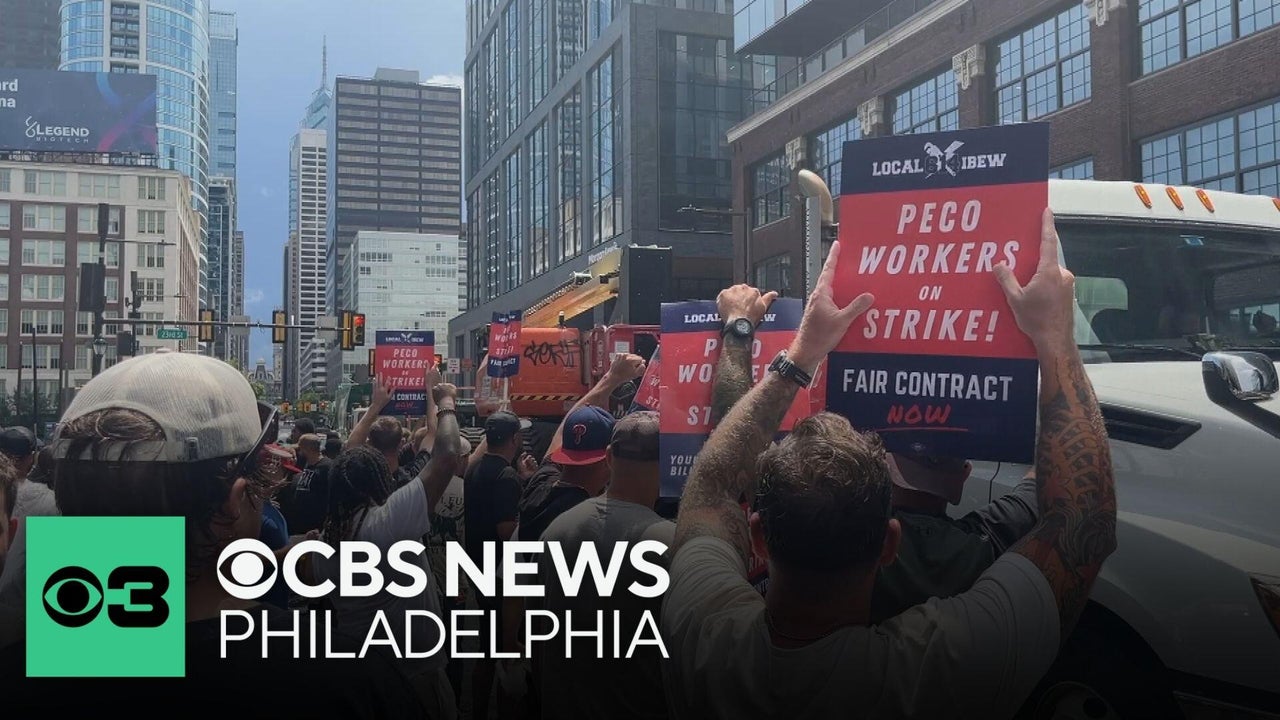
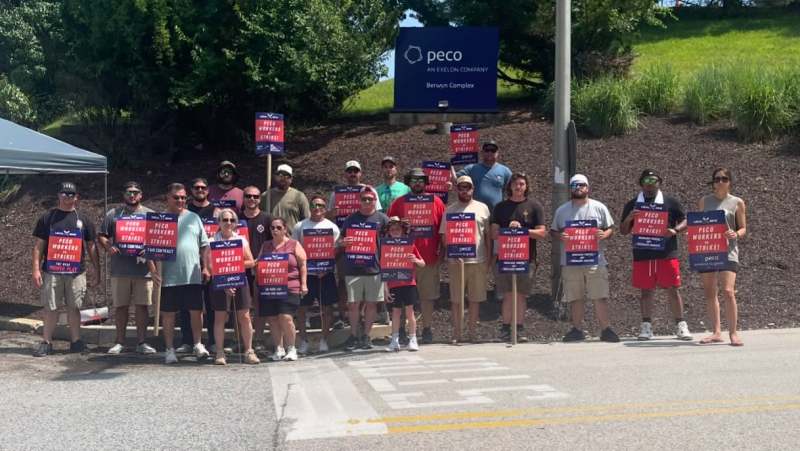
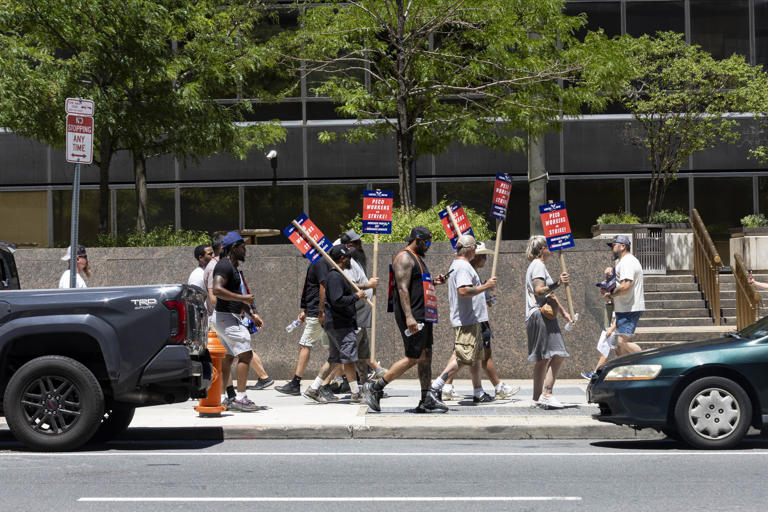
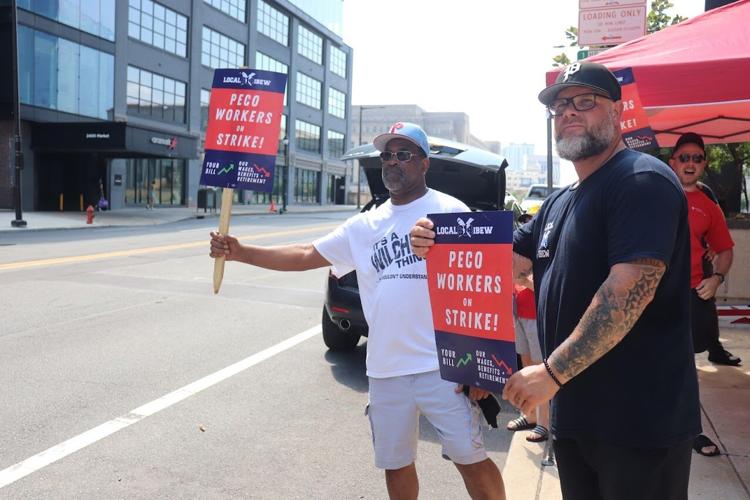
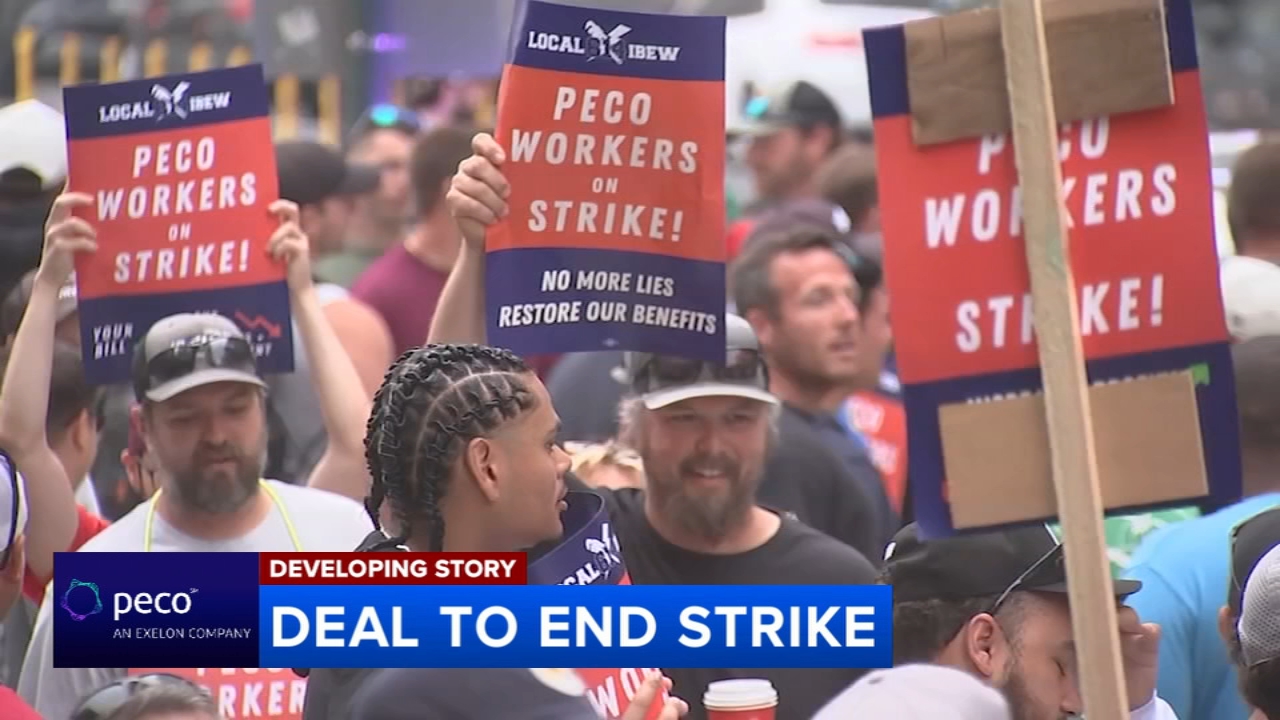
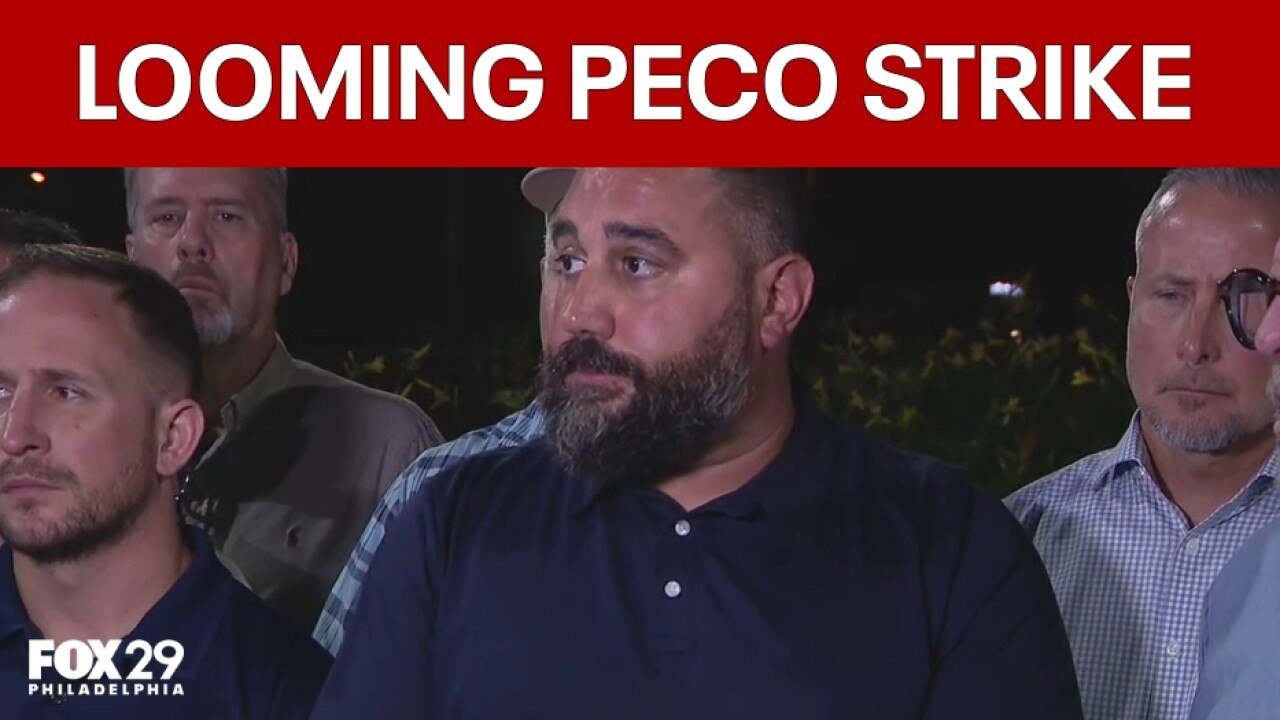
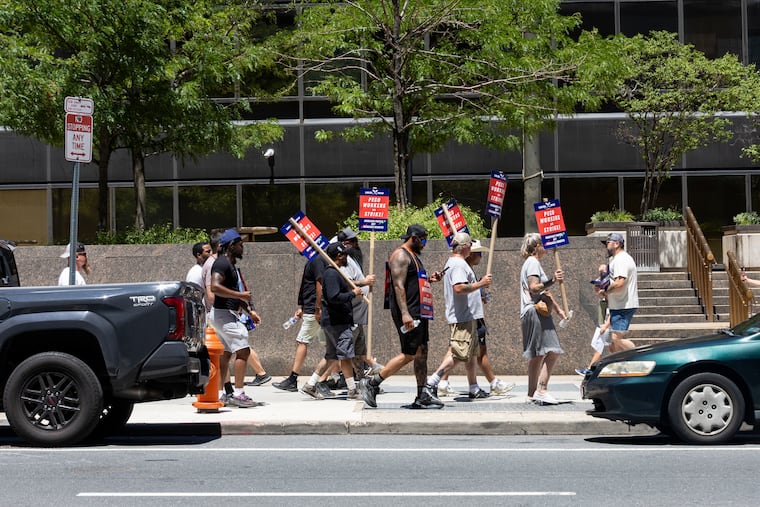
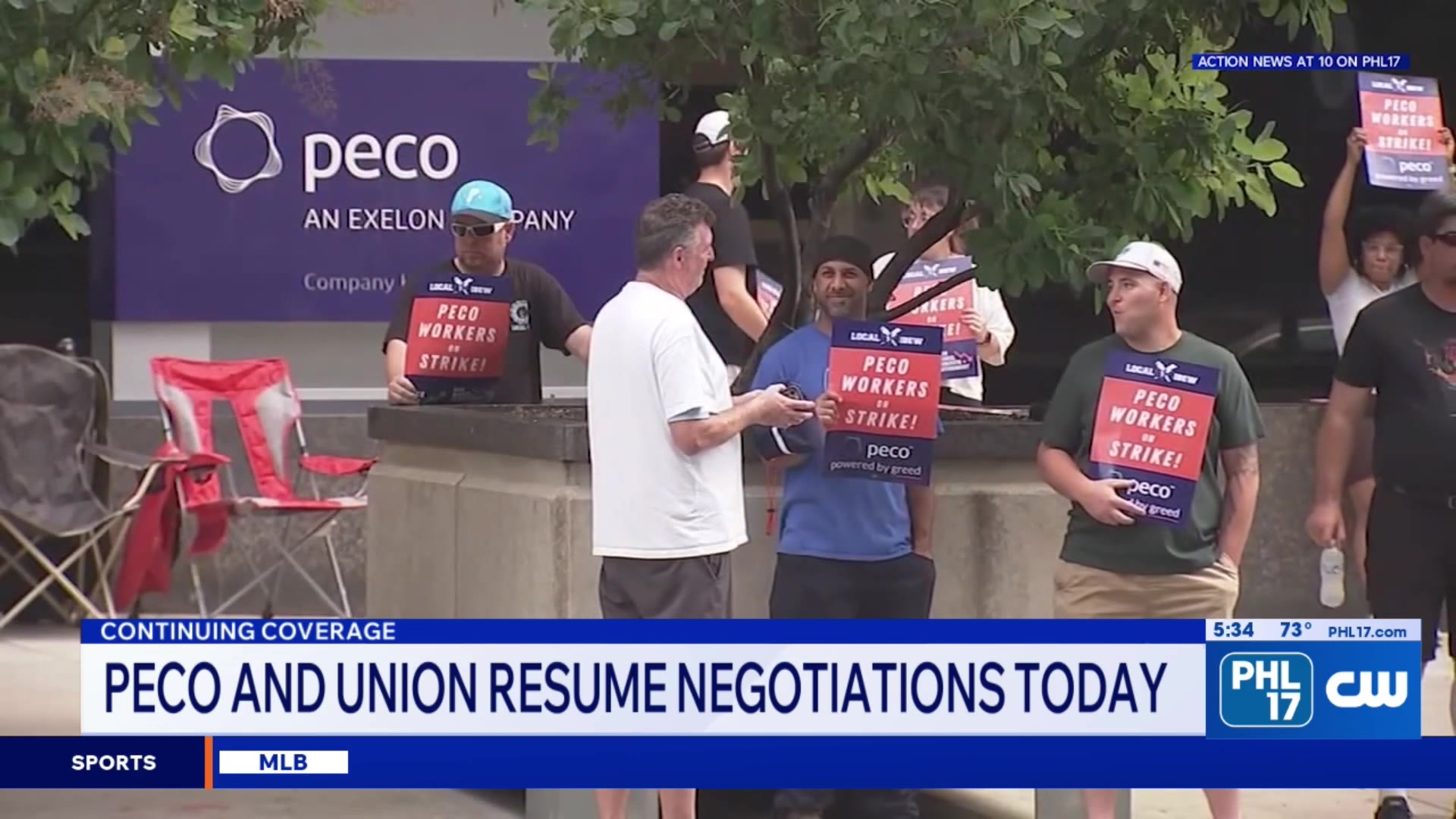
The PECO strike resolution on July 8, 2026, represents a significant labor market shift with indirect but measurable implications for cross-border sellers operating fulfillment networks in the Philadelphia region. PECO, serving 1.7 million residents across southeastern Pennsylvania, reached a tentative agreement with IBEW Local 614 after a three-day strike that disrupted service to 150,000+ customers during extreme heat and severe storms. The contract secures 4-4.5% annual wage increases for linemen and gas technicians over five years, with 3% increases for call center workers—establishing new regional labor standards that will cascade across utility and logistics sectors.
Direct Seller Impact: Rising Last-Mile Delivery Costs. PECO's 50% profit jump following its 2025 rate increase and the company's stated commitment to "not immediately" raising customer rates masks future cost pressures. Expert analysis from Rutgers University indicates the labor contract will contribute to rate increases, though infrastructure investments and data center demands remain primary drivers. For sellers using regional 3PL providers and fulfillment centers in Pennsylvania, this signals 2-4% operational cost increases within 12-18 months as utilities pass labor costs to commercial customers. The Philadelphia metro area hosts significant Amazon fulfillment infrastructure and regional logistics hubs; rising utility costs directly compress margins for sellers relying on these networks.
Broader Labor Market Precedent. The agreement sets industry standards for IBEW Local 614 members across electrical and gas utilities in the region. Union President Larry Anastasi's statement—"This is the beginning of a new era at PECO, one where greed does not go unchecked"—reflects broader labor activism that may influence wage expectations across logistics, warehousing, and transportation sectors. Sellers should monitor similar labor negotiations at major 3PL providers (XPO Logistics, Saia Inc., ArcBest) operating in the Northeast, as wage pressures may accelerate across supply chain partners.
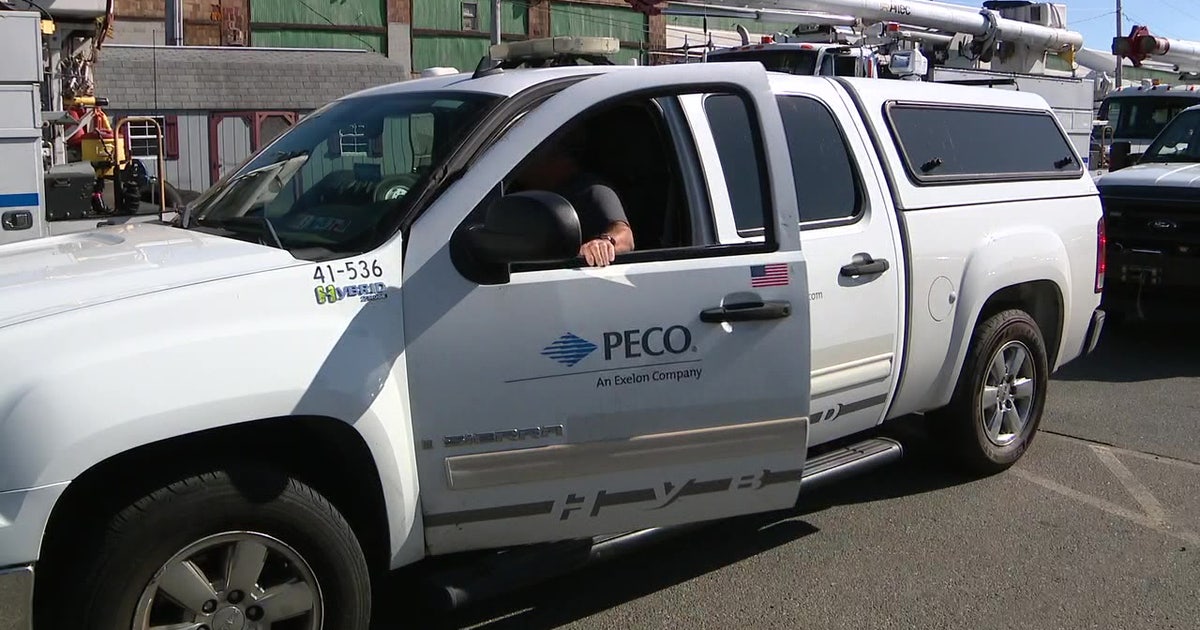
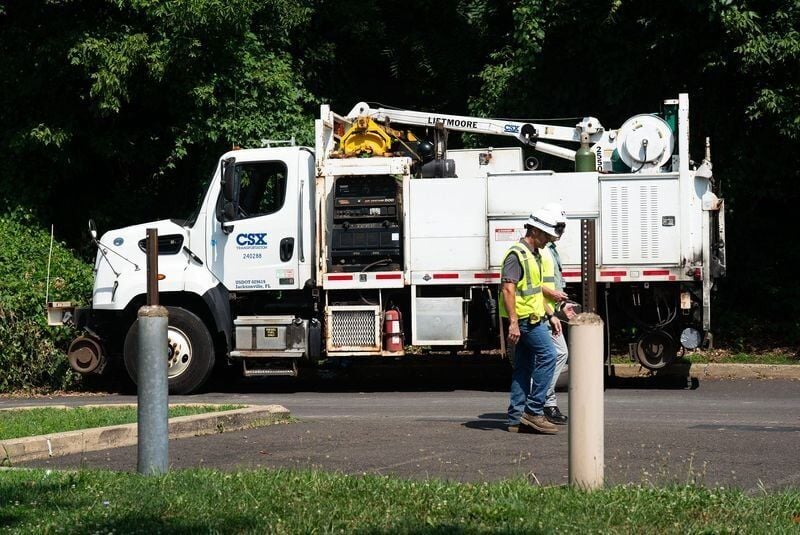
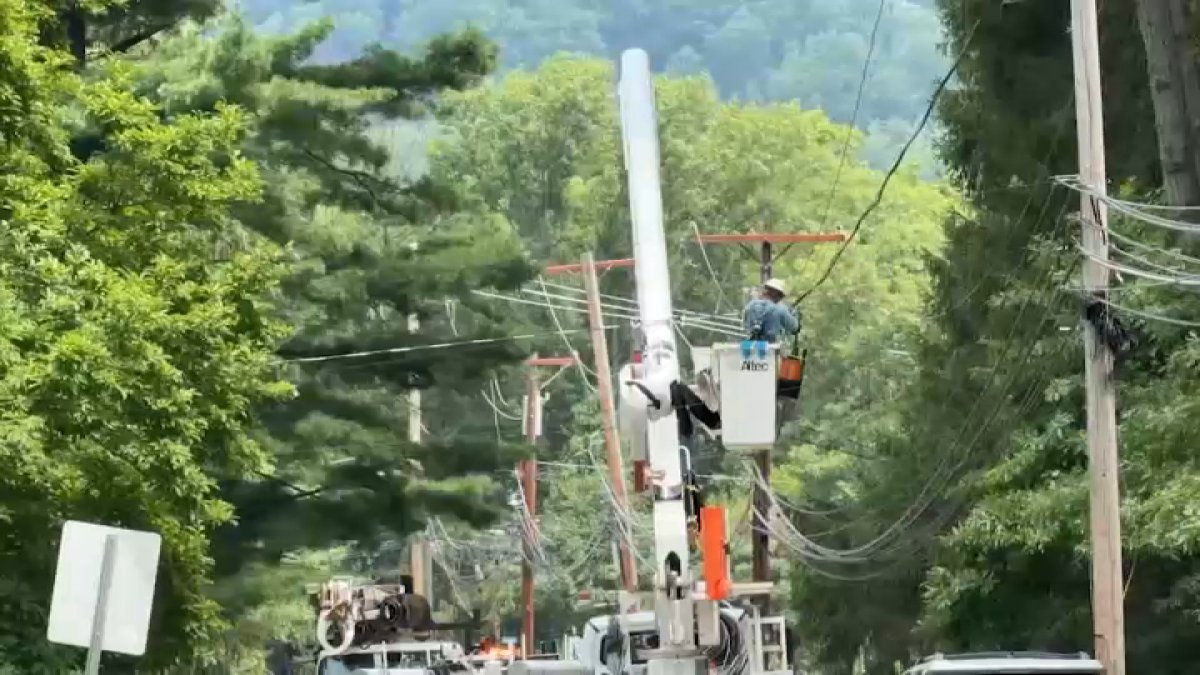
Operational Resilience Lessons. The strike demonstrated PECO's reliance on out-of-state contractors during outages, with 57,000 customers losing power during peak summer demand. For sellers, this underscores the fragility of regional fulfillment networks during labor disruptions. The three-day outage affected approximately 150,000 customers and required multi-state contractor coordination—a pattern that could repeat if labor disputes spread. Sellers should diversify fulfillment across multiple geographic regions and evaluate backup power solutions (generators, cloud infrastructure) for time-sensitive operations.
Questions 7
How will PECO's labor agreement affect my fulfillment costs in Pennsylvania?
PECO's 4-4.5% annual wage increases for utility workers will likely translate to 2-4% utility cost increases for commercial customers (including fulfillment centers) within 12-18 months. The company already implemented a 3.1% rate increase on June 1, 2026, and expert analysis indicates further increases are likely. Sellers using Amazon fulfillment centers or regional 3PL providers in the Philadelphia metro area should budget for rising operational costs and consider diversifying fulfillment across lower-cost regions or negotiating multi-year rate locks with logistics partners.
What does the PECO strike reveal about labor market risks for sellers?
The strike—PECO's first in 145 years—signals intensifying labor activism in utility and logistics sectors. The union's success in securing pensions, retirement medical coverage, and wage equity provisions sets precedent for other regional workers. Sellers should monitor labor negotiations at major 3PL providers (XPO Logistics, Saia, ArcBest) operating in the Northeast, as similar demands may increase operational costs across supply chain partners. The three-day outage affecting 150,000+ customers demonstrates how labor disruptions can cascade through fulfillment networks.