



Meta Muse Image AI Generator Reshapes E-Commerce Content Creation | Opt-Out Privacy Model Creates Compliance Risk
- Meta launches Muse Image (ranked #2 on Arena for text-to-image) with opt-out-by-default photo usage; sellers gain free AI content tools but face regulatory exposure from GDPR/privacy violations










/socialsamosa/media/media_files/2026/07/08/14-1-2026-07-08-11-43-14.jpg)



)






Overview
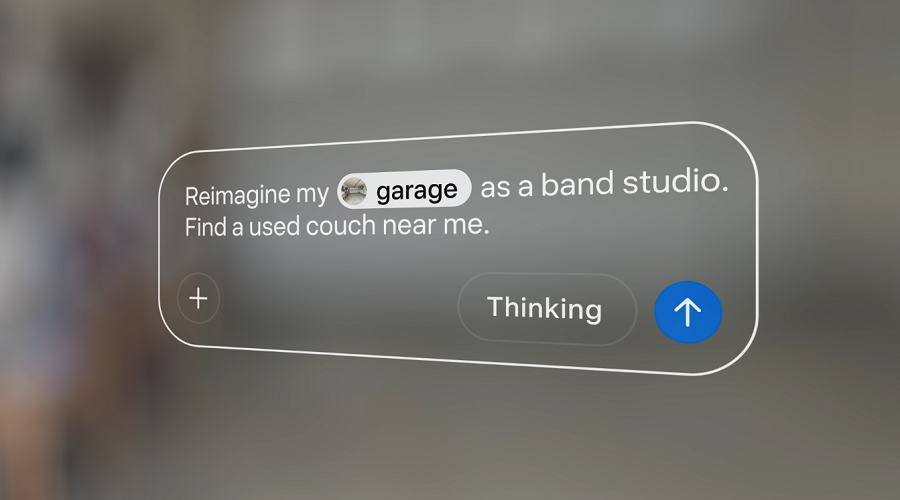
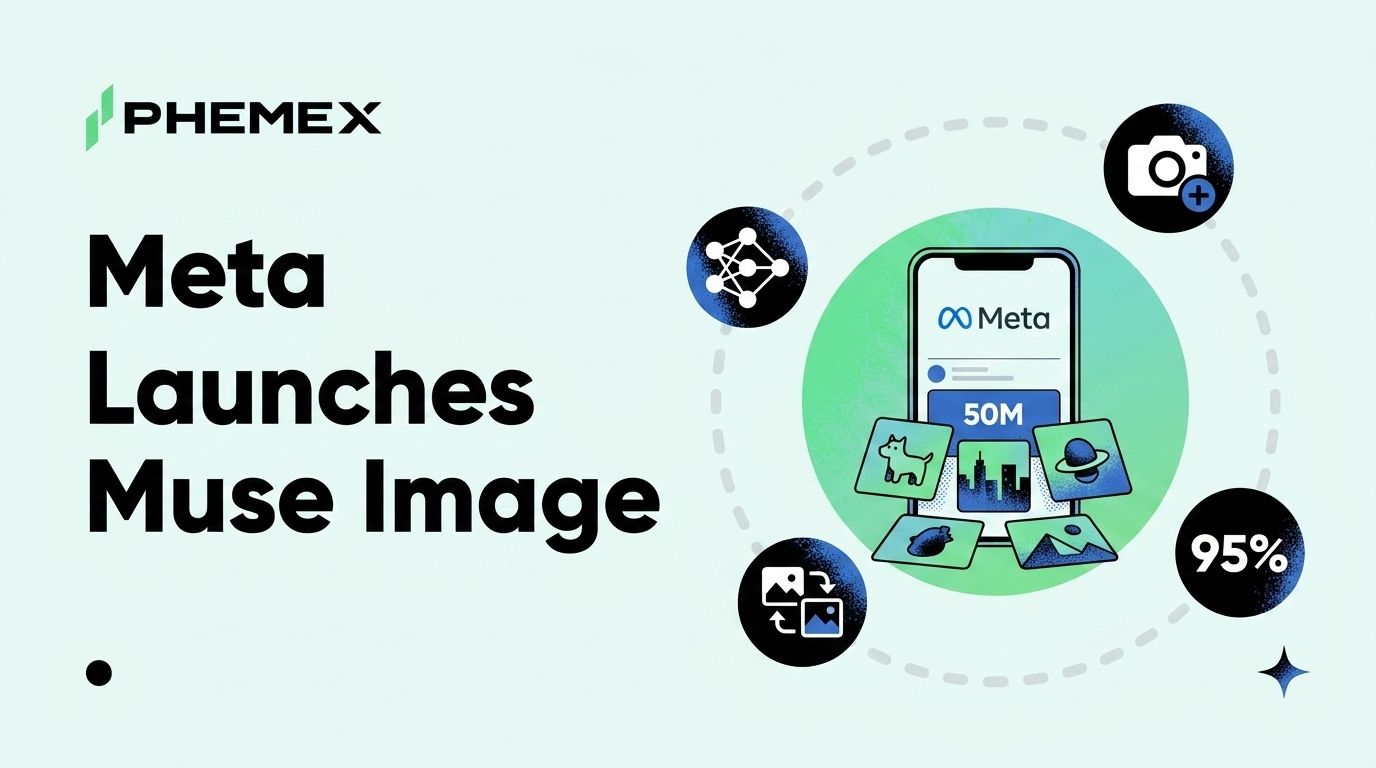
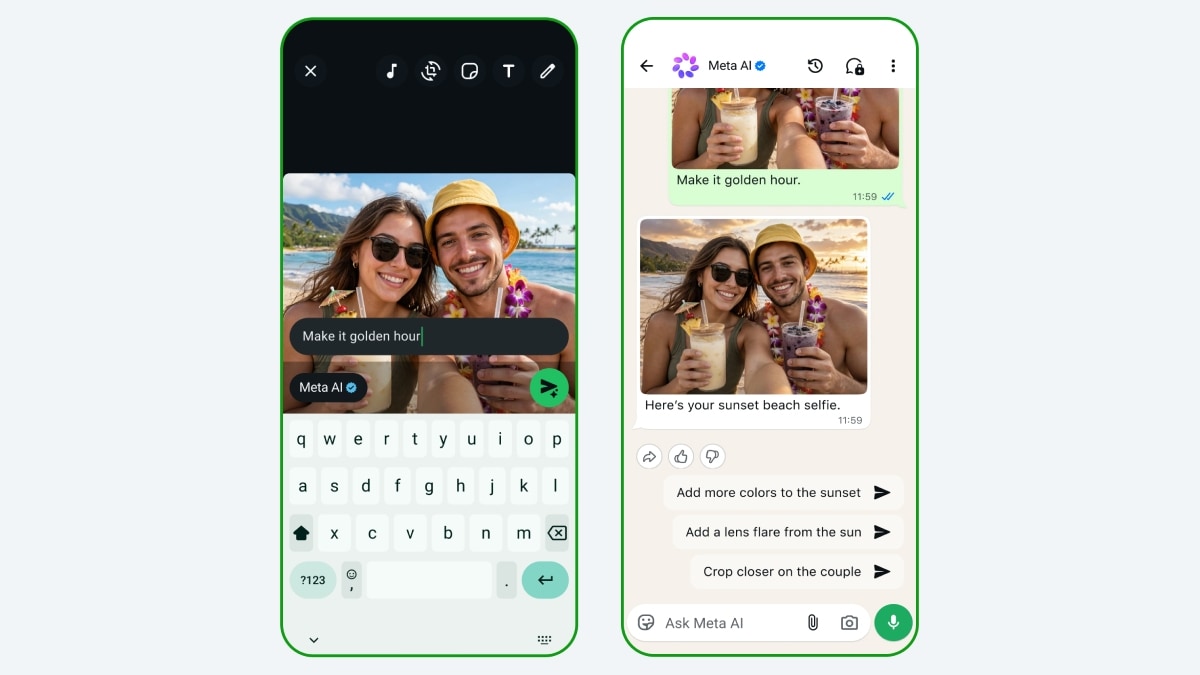
Meta's July 2026 launch of Muse Image, an advanced AI image generation tool available free through Meta AI app, Instagram Stories, and WhatsApp, represents a critical inflection point for e-commerce sellers navigating both opportunity and regulatory risk. The tool ranks #2 on Arena for text-to-image and image editing tasks, enabling sellers to generate professional-quality product photography, lifestyle imagery, and marketing assets without professional equipment—potentially reducing content production costs by 40-60% for small businesses. However, the feature's controversial opt-out-by-default architecture for using public Instagram profile photos without explicit user consent creates significant compliance exposure, particularly under GDPR, CCPA, and emerging AI regulation frameworks.
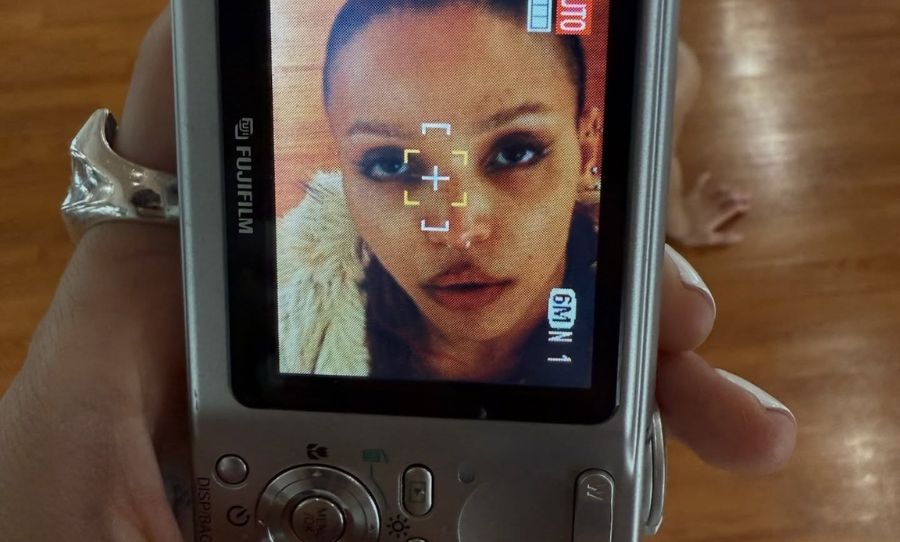
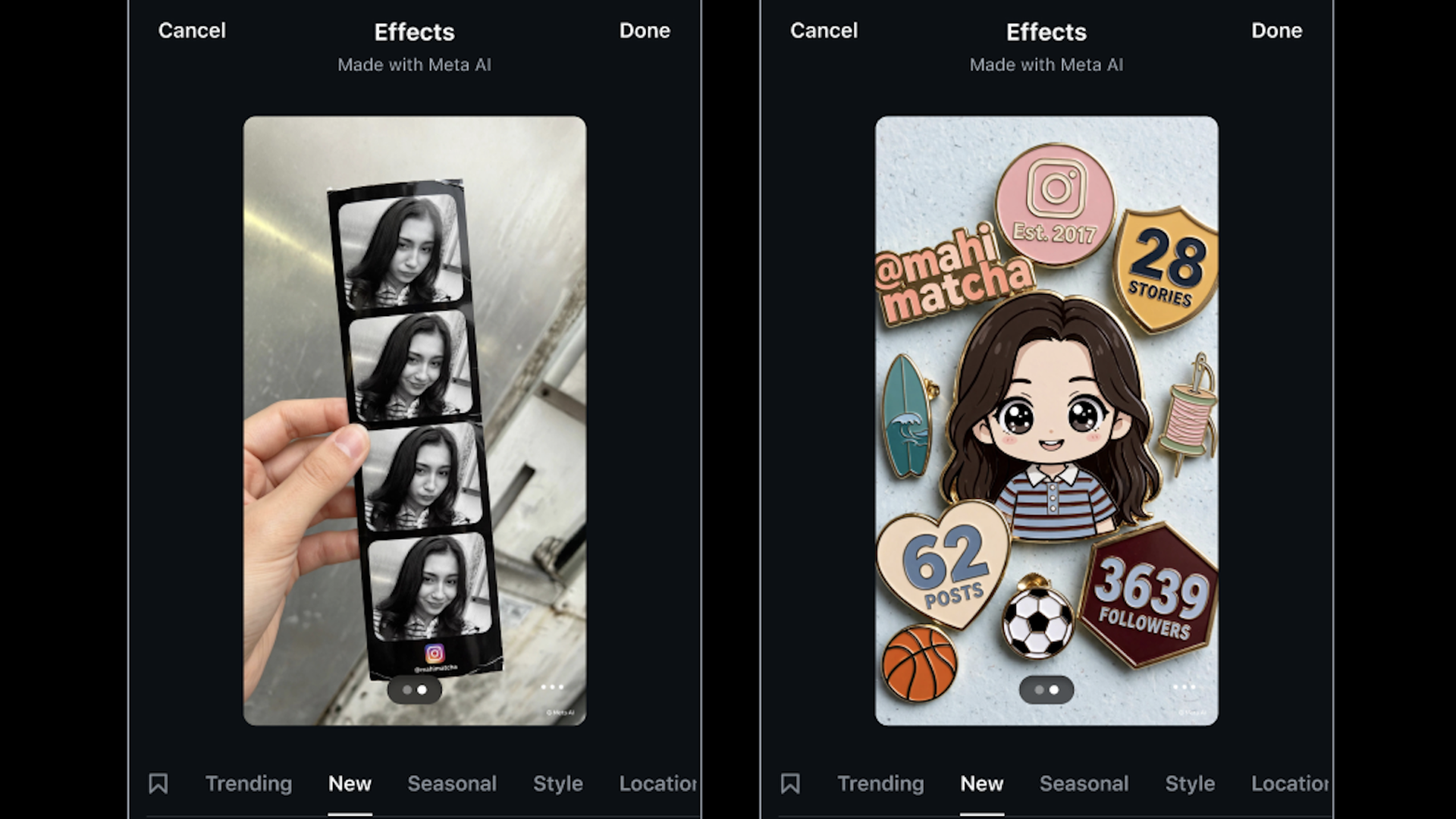
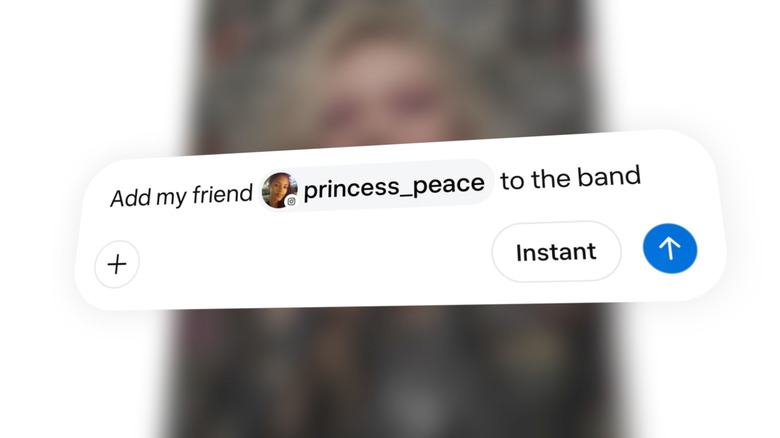
The Compliance Barrier & Market Winnowing Effect: Meta's implementation allows any user to tag public Instagram accounts in AI prompts to generate personalized images without notification or consent. Users must manually navigate Profile > Menu > Sharing and reuse settings to disable the feature—a friction-heavy opt-out mechanism that mirrors Meta's historical pattern flagged by regulators. This approach directly contradicts GDPR's explicit consent requirements and CCPA's opt-in principles, creating a regulatory moat for compliant sellers. Sellers using Muse Image for product photography face potential liability if they generate images using customer likenesses without consent, effectively eliminating non-compliant competitors who lack legal review processes. The $5 billion FTC fine (2019, Cambridge Analytica) and 2021 facial recognition shutdown demonstrate Meta's regulatory vulnerability—suggesting enforcement intensity will increase, particularly in EU markets where GDPR fines reach 4% of global revenue.
Fast-Track Compliance & Service Gaps: Sellers can immediately leverage Muse Image's legitimate use cases—product photography enhancement, interior design visualization for Facebook Marketplace, and custom advertising assets—without triggering consent issues. The freemium model (unlimited free creation up to usage threshold) enables rapid iteration of creative concepts. However, sellers must implement internal compliance protocols: (1) audit all generated images for third-party likenesses before publishing, (2) document consent for any customer-facing imagery, (3) establish data processing agreements if using Muse for customer data. This creates demand for compliance-as-a-service tools—image screening software, consent management platforms, and legal review services for AI-generated content. Sellers in high-regulation markets (EU, UK, Canada) should prioritize these services immediately; US sellers face lower enforcement risk but should monitor state-level AI regulation (California, Colorado, Connecticut).
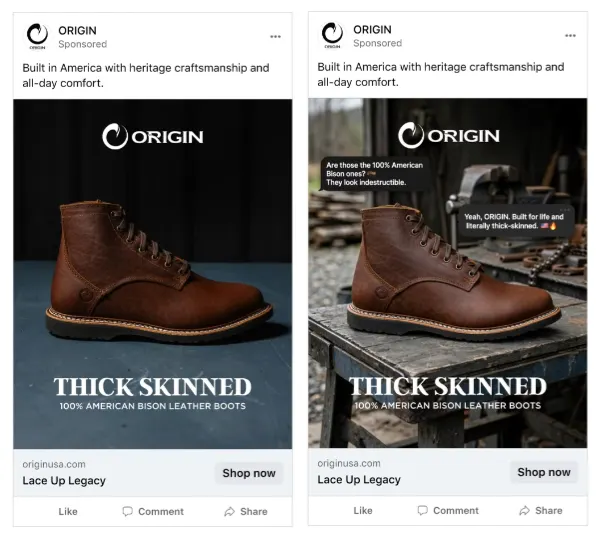
Category Opportunities & Margin Expansion: The technology enables rapid product variation generation—critical for fashion, home décor, and beauty categories where lifestyle imagery drives conversion. Sellers can generate 50+ product variations from single base photos with different backgrounds, lighting, and styling—reducing photography costs from $200-500 per product to near-zero marginal cost. This advantage compounds for sellers with 100+ SKUs. Muse Video (ranked #3 on Arena for text-to-video, with native audio support) opens product demonstration video creation at scale, particularly valuable for electronics and home goods categories. Small sellers (1-50 SKUs) can achieve professional content parity with large competitors, compressing margins for sellers relying on photography as a competitive moat.
Questions 8
How can e-commerce sellers use Muse Image to reduce product photography costs?
Muse Image enables sellers to generate professional-quality product photos with customizable backgrounds, lighting, and styling from single base images—reducing per-product photography costs from $200-500 to near-zero marginal cost. The tool supports photo restoration (removing scratches, sharpening faces), style transfer (Japandi aesthetic room redesign), and lifestyle imagery creation. Sellers can generate 50+ product variations from one photo, enabling rapid iteration for A/B testing. The freemium model provides unlimited free creation up to a usage threshold before subscription, making it accessible for small businesses with 1-50 SKUs. For fashion, home décor, and beauty categories, this compresses content production timelines from weeks to hours.
What compliance risks do sellers face when using Muse Image for customer-facing content?
Muse Image's opt-out-by-default photo usage policy creates significant GDPR and CCPA liability for sellers. The tool allows anyone to tag public Instagram accounts in AI prompts to generate personalized images without explicit consent or notification—violating GDPR's explicit consent requirement and CCPA's opt-in principle. Sellers using Muse to generate images containing customer likenesses without documented consent face regulatory exposure, particularly in EU markets where GDPR fines reach 4% of global revenue. Meta's $5 billion FTC fine (2019) and 2021 facial recognition shutdown demonstrate enforcement intensity. Sellers must implement compliance protocols: audit generated images for third-party likenesses, document consent for customer-facing imagery, and establish data processing agreements. EU-based sellers should prioritize legal review; US sellers face lower enforcement risk but should monitor state-level AI regulation (California, Colorado, Connecticut).