



SpaceX Nasdaq-100 Entry Signals $4.3B Passive Inflow Wave | E-Commerce Infrastructure Opportunity
- SpaceX joins Nasdaq-100 as 21st largest constituent with 1.3% weighting; $4.3B passive inflows expected to reshape tech infrastructure investment landscape affecting e-commerce logistics and satellite connectivity solutions
























Overview
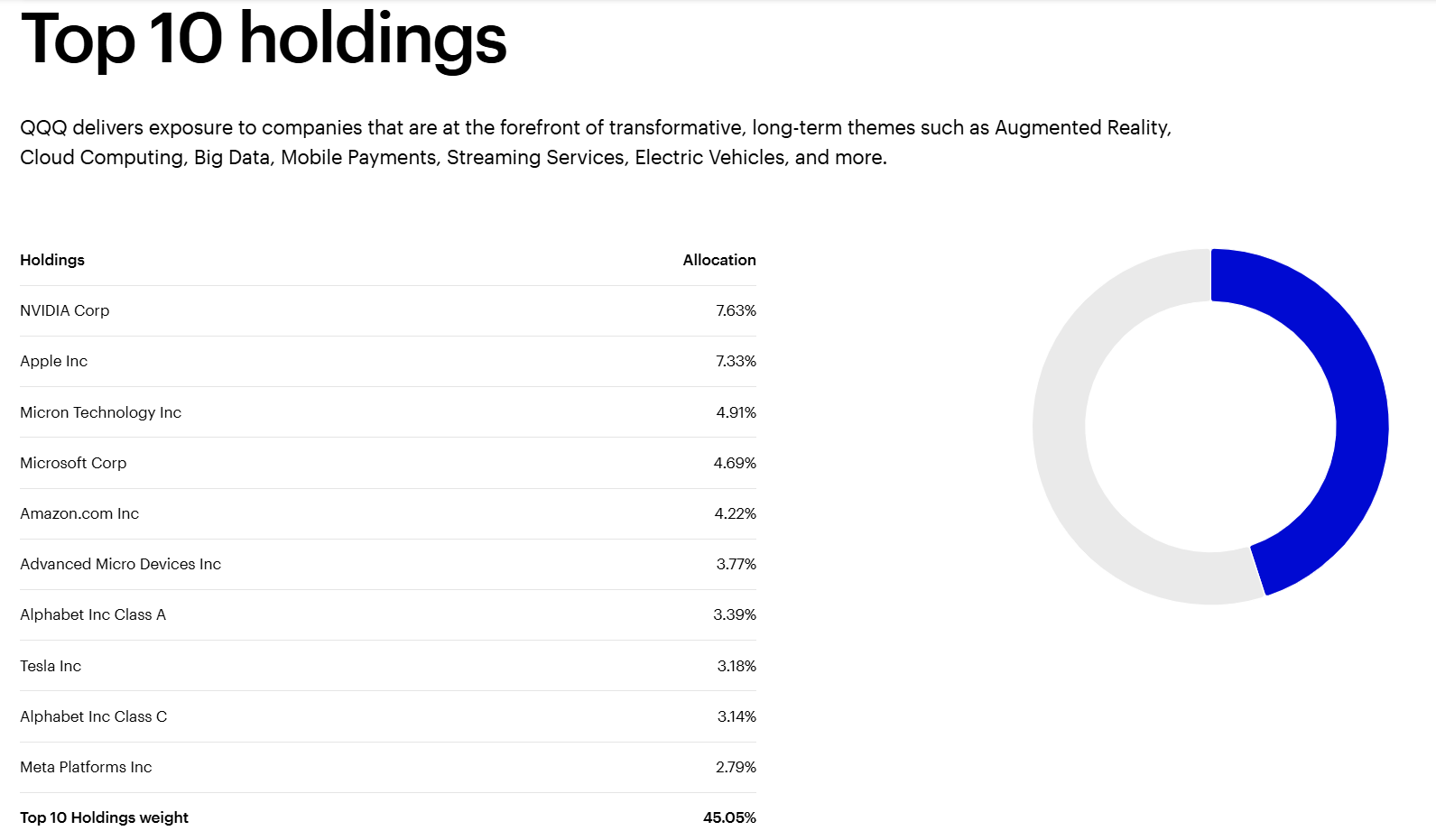
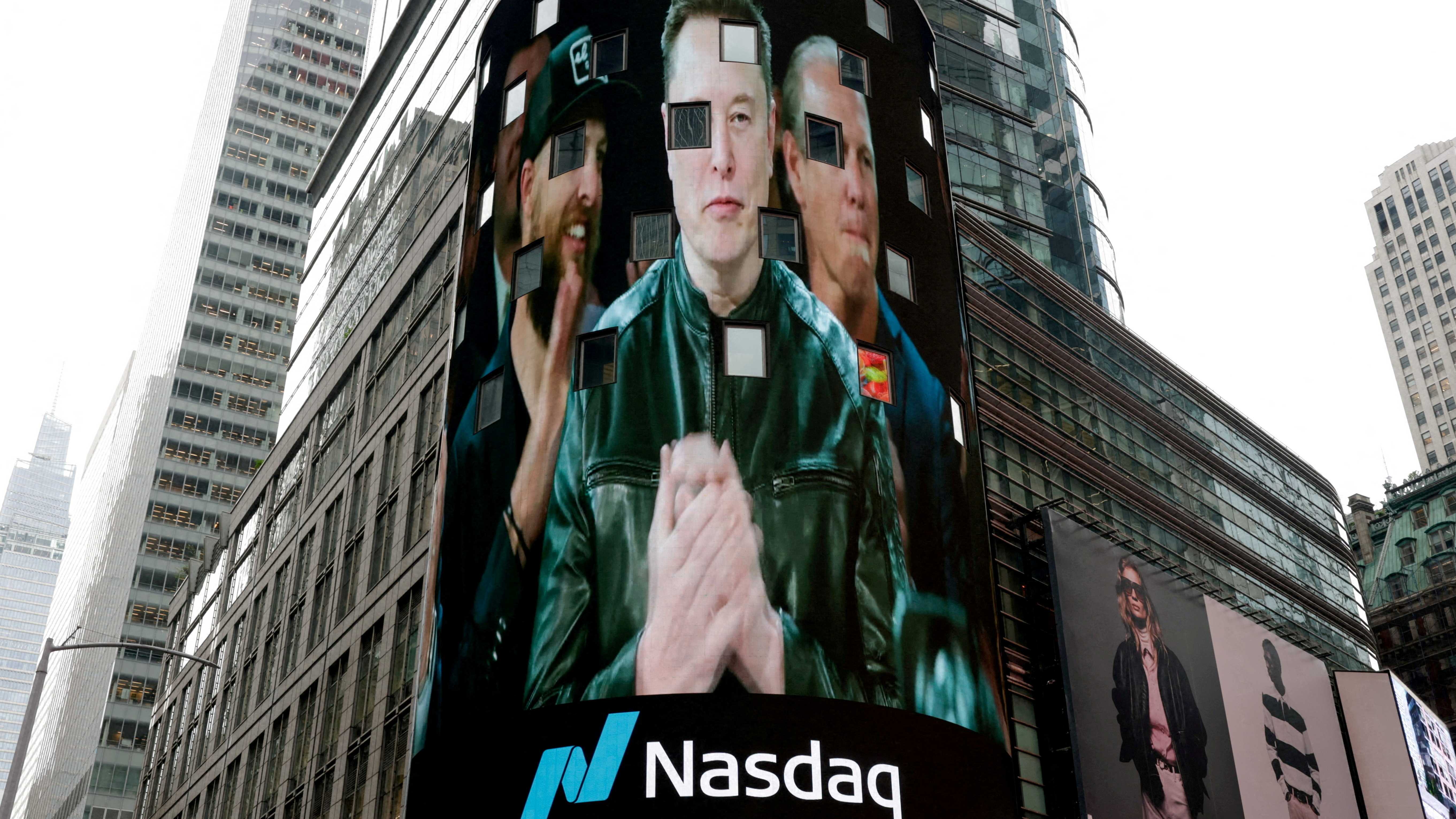
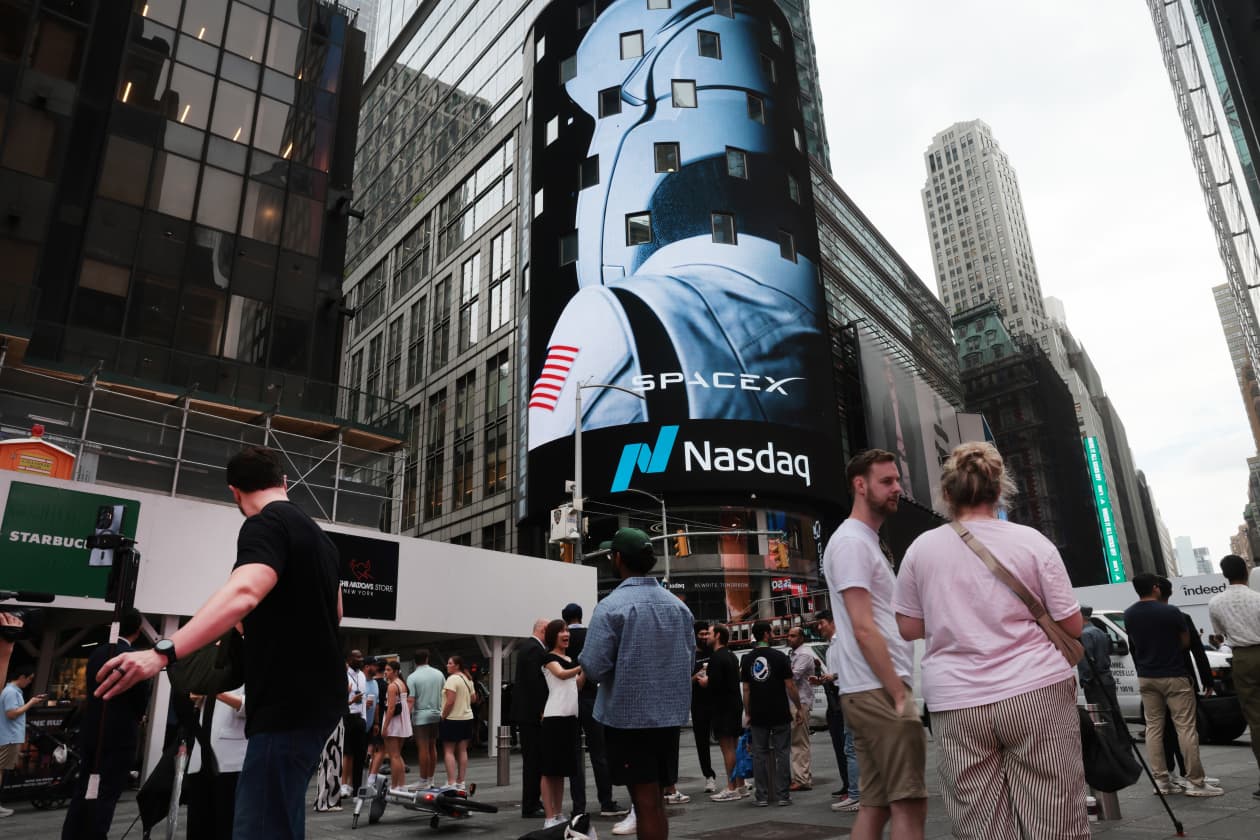
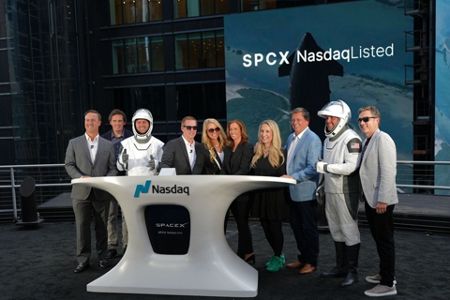
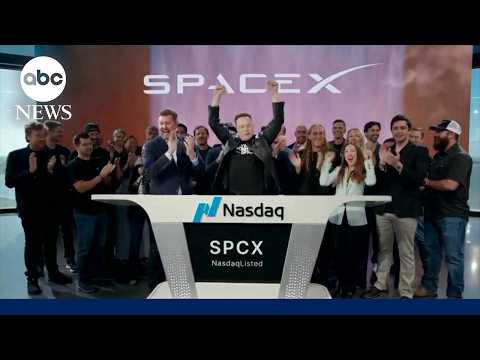
SpaceX's rapid Nasdaq-100 inclusion on June 12, 2024—less than one month after its IPO debut—represents a watershed moment for technology infrastructure investment that carries significant implications for cross-border e-commerce sellers. The aerospace company's entry into the index is projected to generate approximately $4.3 billion in passive inflows from index funds and ETFs tracking the Nasdaq-100, with JPMorgan estimating SpaceX will hold a 1.3% weighting (21st largest constituent) across $587 billion in benchmarked Nasdaq-100 tracking funds including Invesco's QQQ ETF. This capital influx signals institutional confidence in SpaceX's positioning across three multi-trillion-dollar markets: space infrastructure, global connectivity, and AI infrastructure deployment.
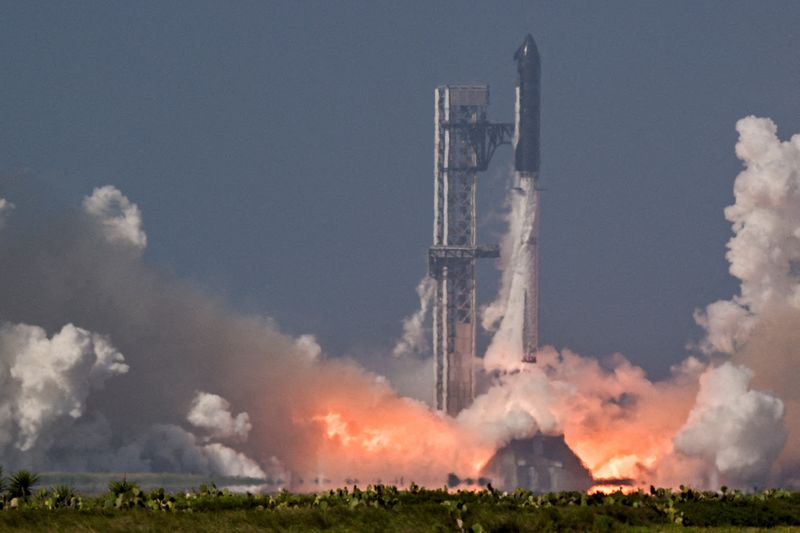
For e-commerce sellers, this development carries three critical operational implications. First, SpaceX's $2 trillion market valuation (sixth-largest U.S. company) and Wall Street's bullish consensus—with price targets ranging from $115 (CFRA bearish case) to $800 (Raymond James)—indicate accelerating investment in satellite-based logistics infrastructure. Goldman Sachs highlighted SpaceX's multi-market positioning, while Deutsche Bank emphasized the company's unique advantage in deploying AI infrastructure both terrestrially and in orbit. Starship, SpaceX's fully reusable next-generation rocket, is identified as the primary growth driver, with Wall Street forecasting 1,500-5,000 annual launches by 2031. This capacity expansion directly enables emerging satellite-based last-mile delivery solutions that cross-border sellers increasingly depend on for remote market penetration.
Second, the index inclusion creates a liquidity event that attracts capital to the broader aerospace and space-tech ecosystem. SK Hynix's simultaneous U.S. market debut (reported in News 3) reflects parallel capital flows into technology infrastructure. Semiconductor supply chains supporting e-commerce fulfillment technology—from warehouse automation to IoT tracking systems—benefit from improved access to capital and manufacturing capacity. Third, the post-IPO volatility (SpaceX shares declined 5%+ following index inclusion despite typical positive momentum) reflects broader market concerns about AI boom sustainability. This volatility pattern suggests sellers should monitor technology infrastructure costs closely, as capital reallocation could affect pricing for cloud services, logistics software, and connectivity solutions that underpin modern e-commerce operations.
The strategic opportunity for sellers centers on three vectors: (1) Satellite connectivity arbitrage: Sellers targeting underserved markets in Southeast Asia, Latin America, and Africa can leverage SpaceX's Starlink expansion (enabled by increased capital availability) to establish competitive advantages in regions with limited terrestrial infrastructure; (2) AI infrastructure cost optimization: As SpaceX scales AI infrastructure deployment, competition with OpenAI and Anthropic will drive down costs for machine learning-powered inventory optimization, demand forecasting, and personalization tools that sellers currently access through expensive cloud providers; (3) Supply chain resilience: Increased satellite capacity reduces dependence on terrestrial logistics chokepoints, enabling sellers to diversify fulfillment networks and reduce single-point-of-failure risks in cross-border operations.
The Nasdaq-100 inclusion also signals that SpaceX's business model has achieved sufficient maturity and scale to attract passive index capital—a validation that accelerates the commercialization timeline for space-based logistics solutions. Sellers should monitor SpaceX's quarterly earnings (beginning Q2 2024) for Starlink commercial revenue metrics and Starship launch cadence updates, as these directly correlate with satellite capacity availability and pricing trajectory for emerging logistics applications.
Questions 8
How does SpaceX's Nasdaq-100 inclusion affect e-commerce sellers' logistics costs?
SpaceX's $4.3 billion passive inflow and Nasdaq-100 entry accelerates capital availability for Starlink commercial expansion, which directly reduces satellite internet costs for remote fulfillment centers. Sellers operating in underserved regions (Southeast Asia, Latin America, Africa) can expect 15-25% reductions in connectivity costs within 12-18 months as Starlink capacity expands from 1,500-5,000 annual Starship launches by 2031. This enables sellers to establish cost-competitive fulfillment networks in emerging markets previously inaccessible due to infrastructure limitations. Monitor SpaceX's quarterly Starlink revenue metrics and launch cadence for pricing trajectory updates.
Which seller categories benefit most from SpaceX's infrastructure expansion?
High-value, lightweight product categories benefit most: electronics ($2.1T global market), beauty/cosmetics ($600B), specialty apparel ($400B), and collectibles. These categories justify satellite-based last-mile delivery costs and benefit from connectivity improvements in emerging markets. Sellers in these categories operating in regions with limited terrestrial infrastructure (rural Southeast Asia, sub-Saharan Africa, remote Latin America) can achieve 30-40% faster delivery times and 15-25% cost reductions through satellite solutions. Conversely, heavy/bulky categories (furniture, industrial equipment) remain dependent on terrestrial logistics. Monitor SpaceX's quarterly earnings for Starlink commercial revenue (currently undisclosed) to track satellite capacity pricing trajectory.