

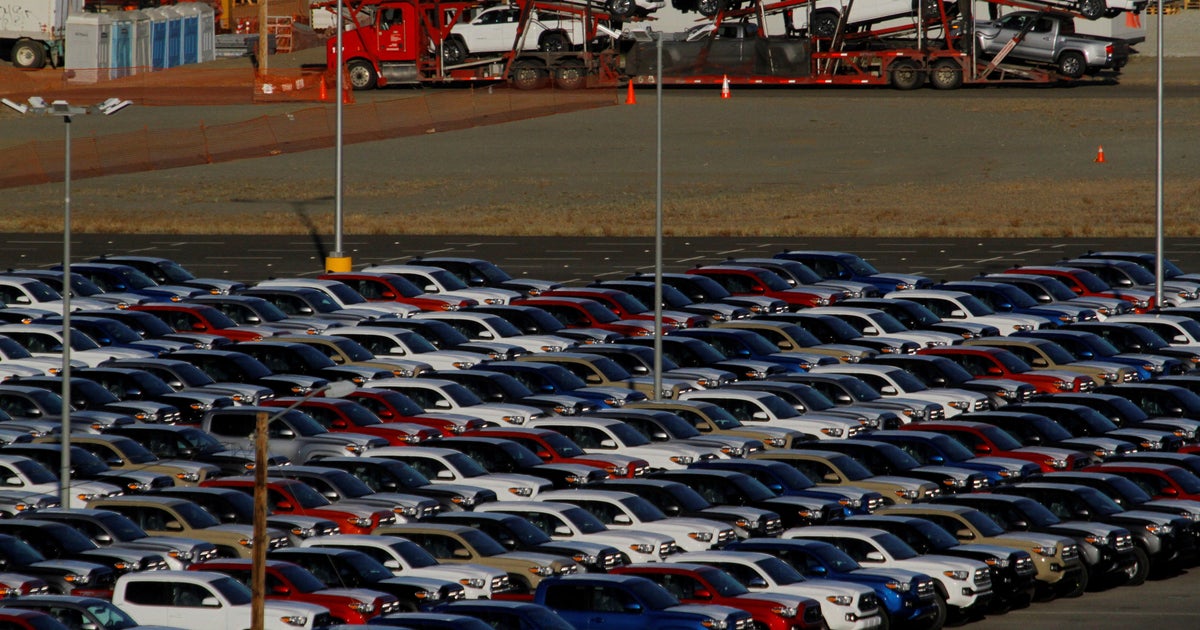
Toyota's $3.6B Texas Expansion Signals Major Tariff Reshoring | Seller Supply Chain Implications
- Tacoma production shifts from Mexico to US by 2030; 2,000 jobs created; signals 50% US manufacturing requirement in revised USMCA could reshape automotive parts sourcing for cross-border sellers













Overview
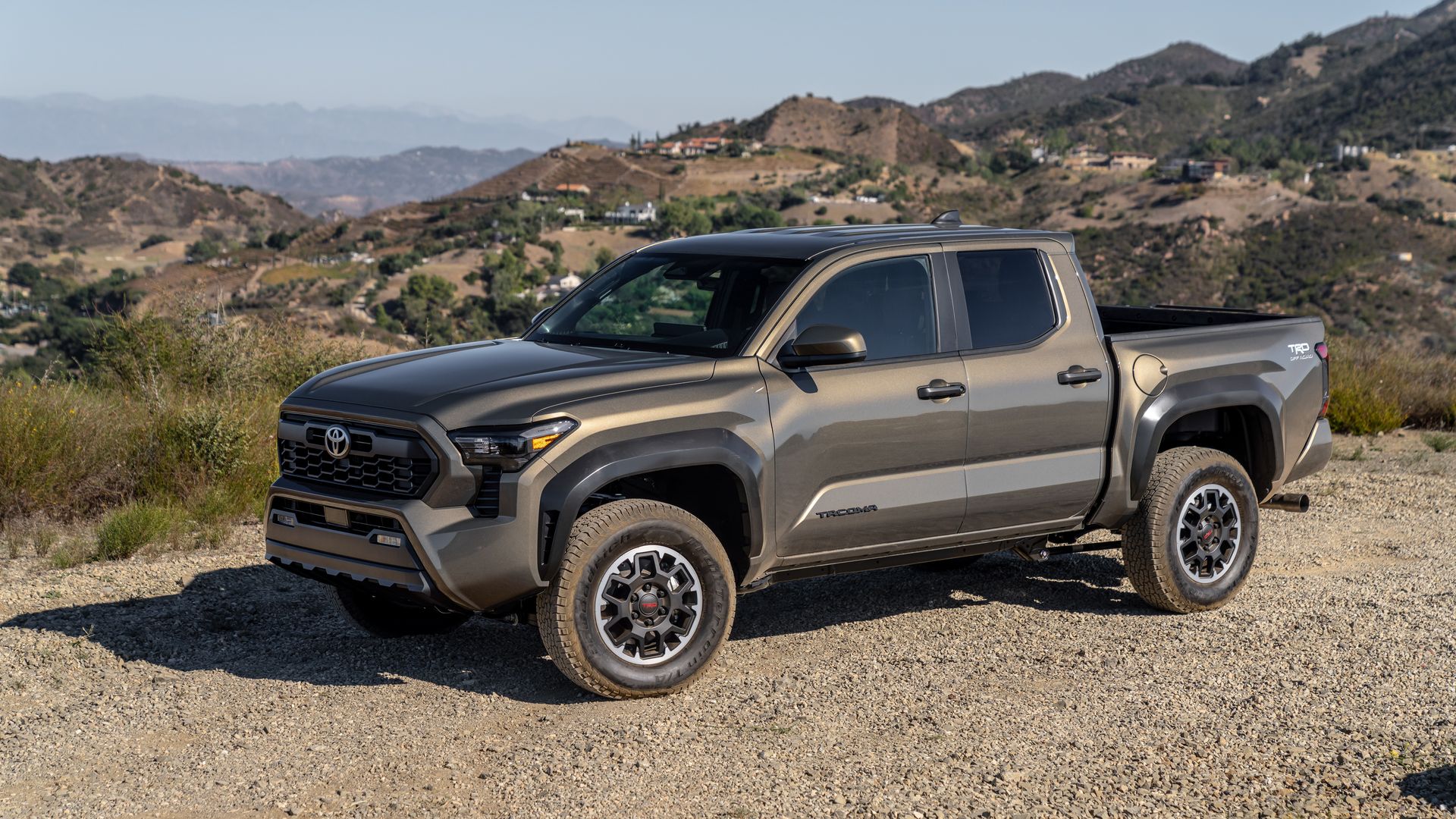
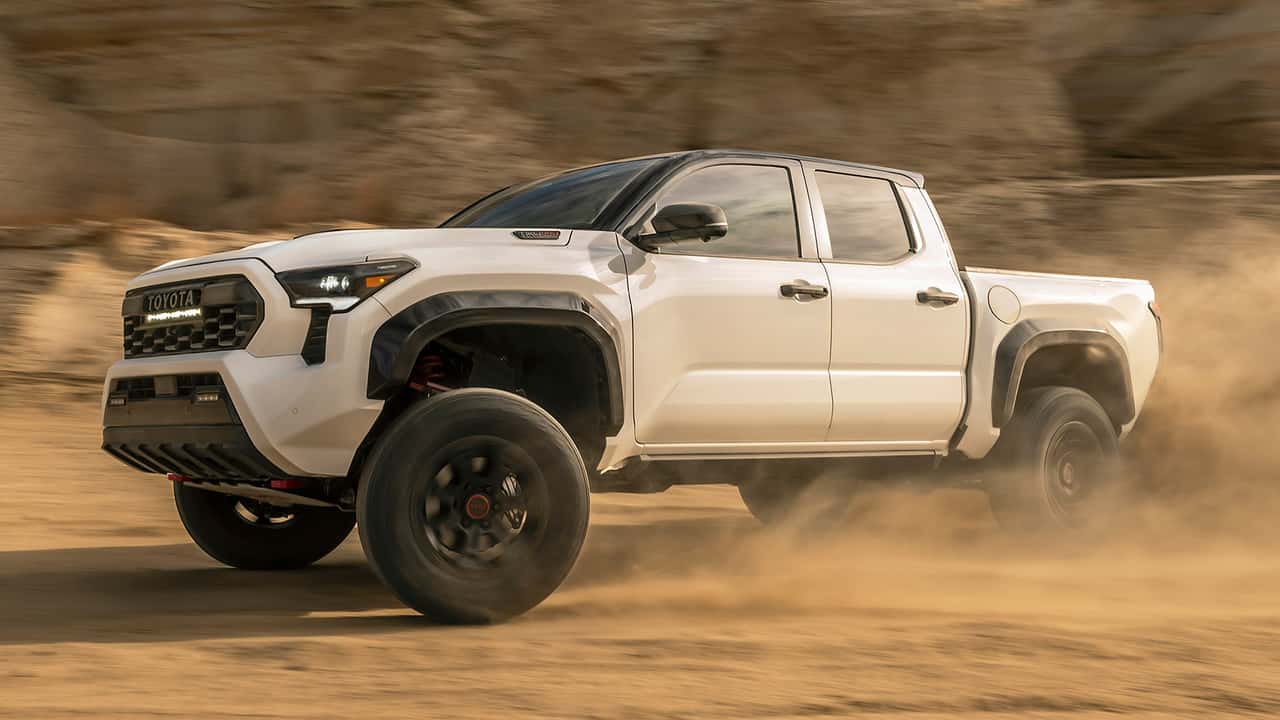
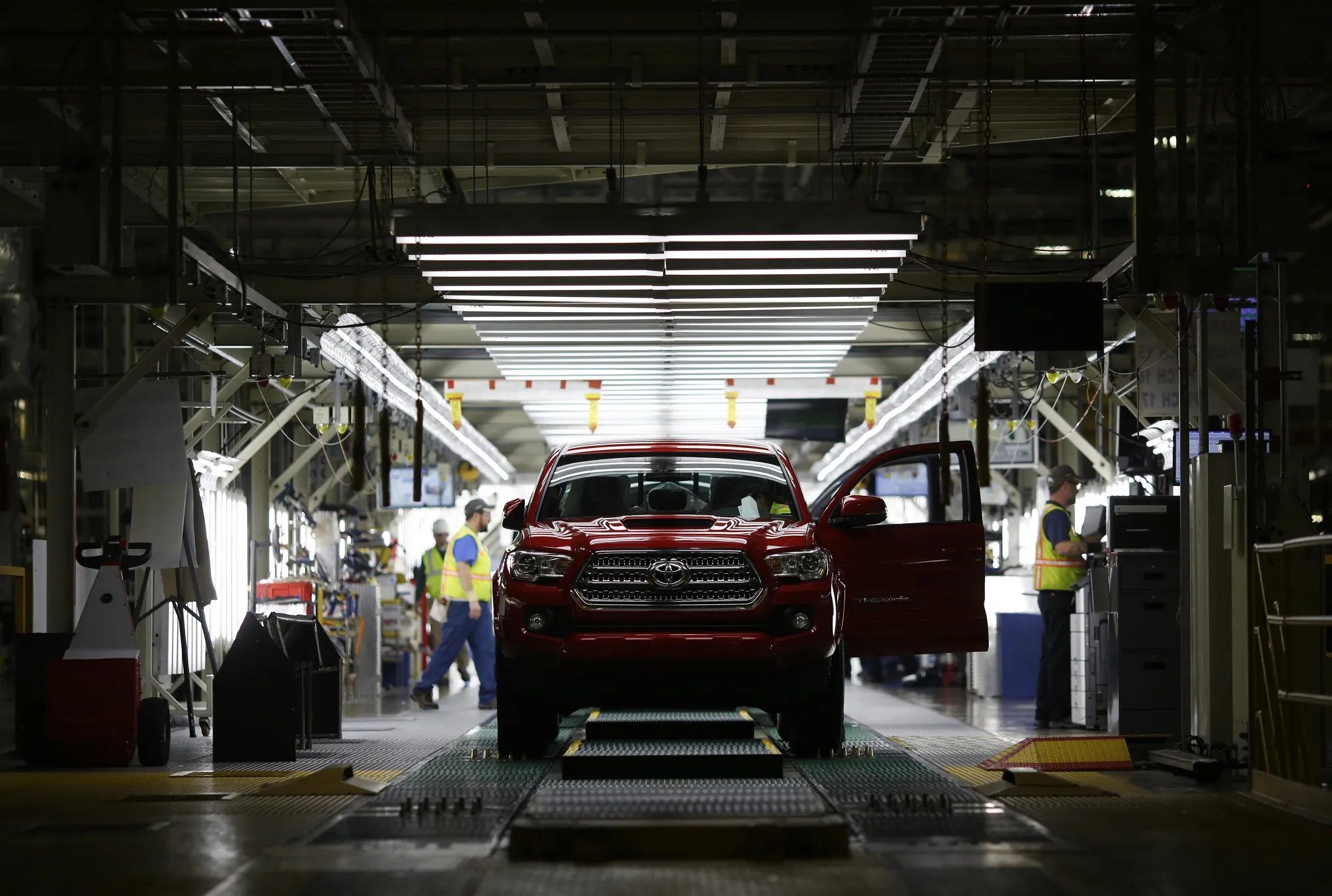
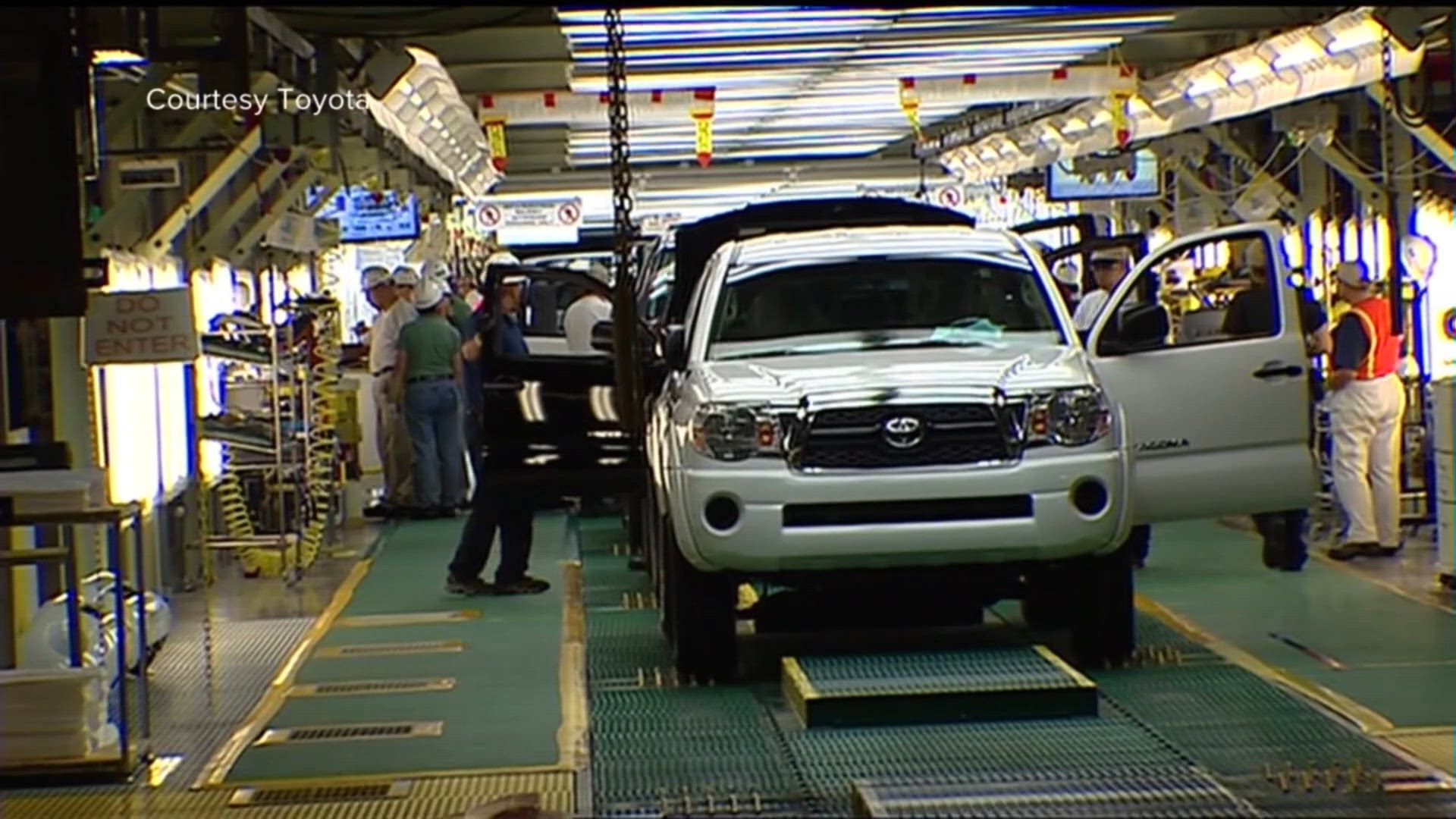
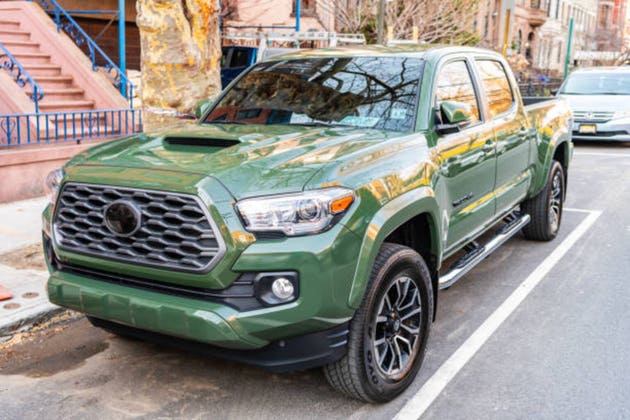
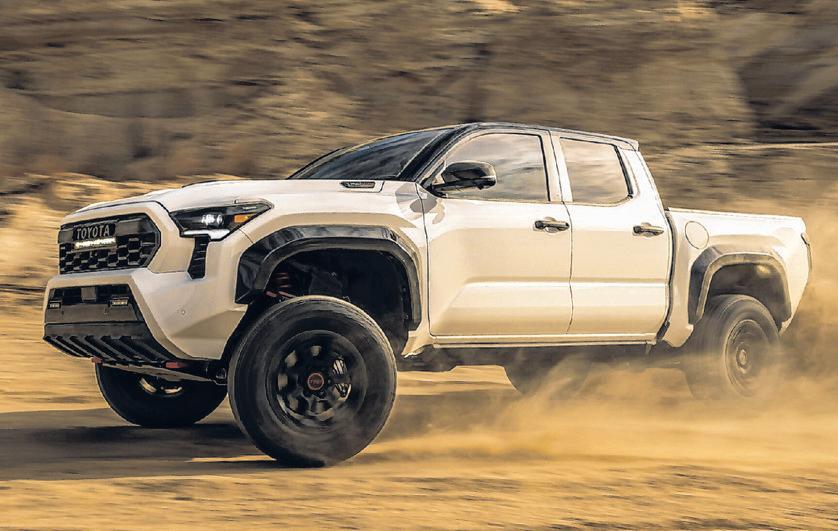
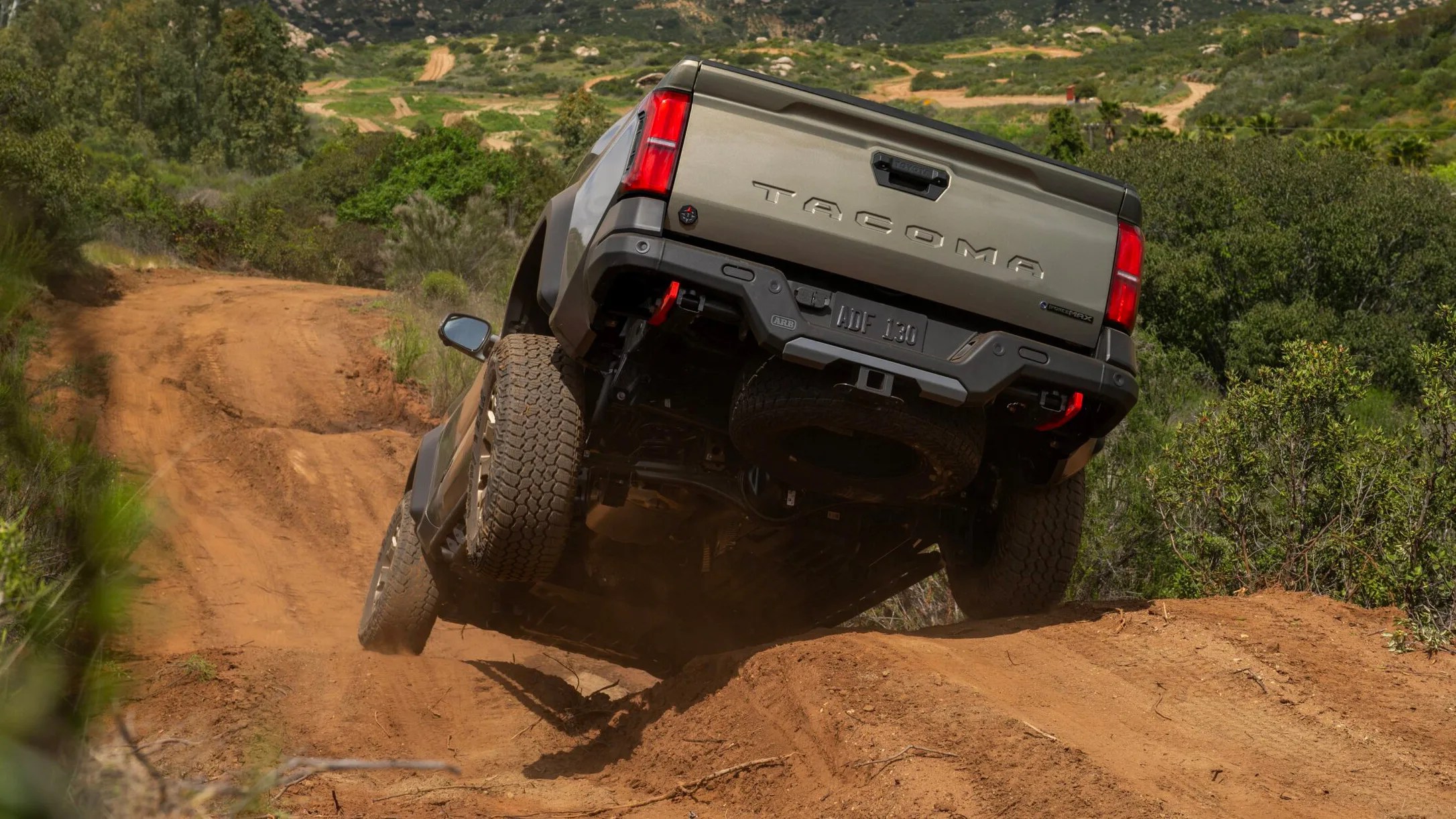
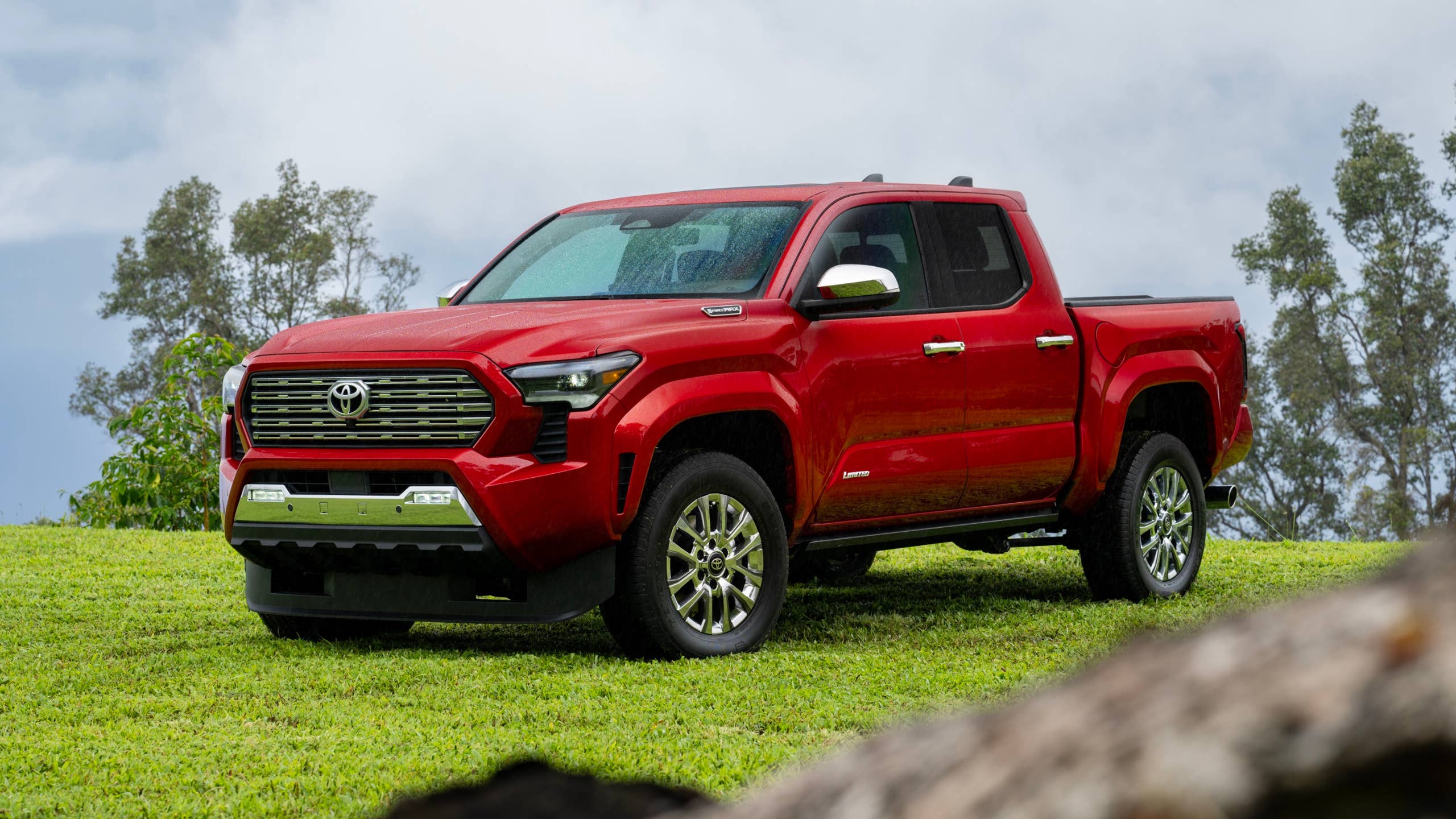
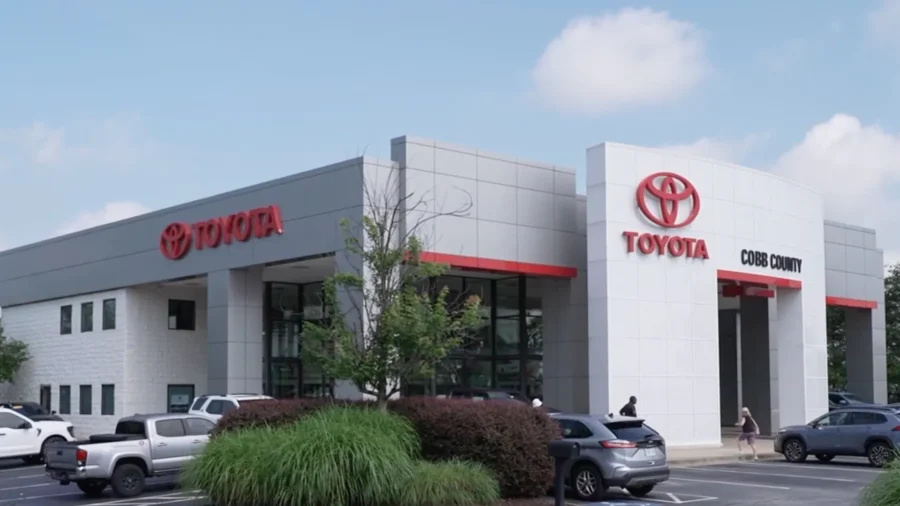
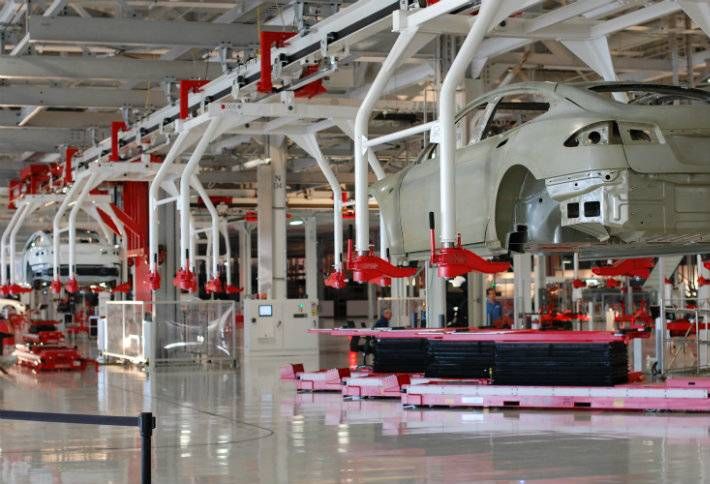
Toyota's $3.6 billion investment to relocate Tacoma pickup truck production from Mexico to Texas represents a watershed moment in tariff-driven manufacturing reshoring, with profound implications for cross-border e-commerce sellers in automotive parts, accessories, and related categories. The announcement—made in January 2026 with production commencing by 2030—reflects the Trump administration's July 1 decision not to renew USMCA in its current form and the push for 50% US manufacturing requirements in revised trade terms. This signals a fundamental shift in North American supply chain architecture that will reshape sourcing costs, tariff exposure, and competitive dynamics for sellers across multiple categories.
The tariff arbitrage opportunity is collapsing for Mexico-sourced automotive products. Currently, Mexican-manufactured automotive parts and accessories enjoy preferential tariff treatment under USMCA (0-2.5% rates on HS codes 8704-8708). Toyota's decision to move Tacoma production from Baja California to Texas—despite Mexico's lower labor costs ($8-12/hour vs. $18-24/hour in Texas)—demonstrates that tariff risk now outweighs wage differentials. For e-commerce sellers sourcing automotive parts from Mexico (truck bed liners, tonneau covers, suspension components, lighting assemblies), this creates a 18-24 month window before tariff rates potentially increase 15-25% on Mexico-sourced goods if USMCA renegotiation imposes stricter rules-of-origin requirements. Sellers currently importing Mexican-made truck accessories at 2.5% tariff rates should expect rates to rise to 15-20% by Q4 2027 if the 50% US manufacturing requirement becomes binding. This represents a margin compression of $40-80 per unit on mid-range truck accessories ($200-400 retail price).
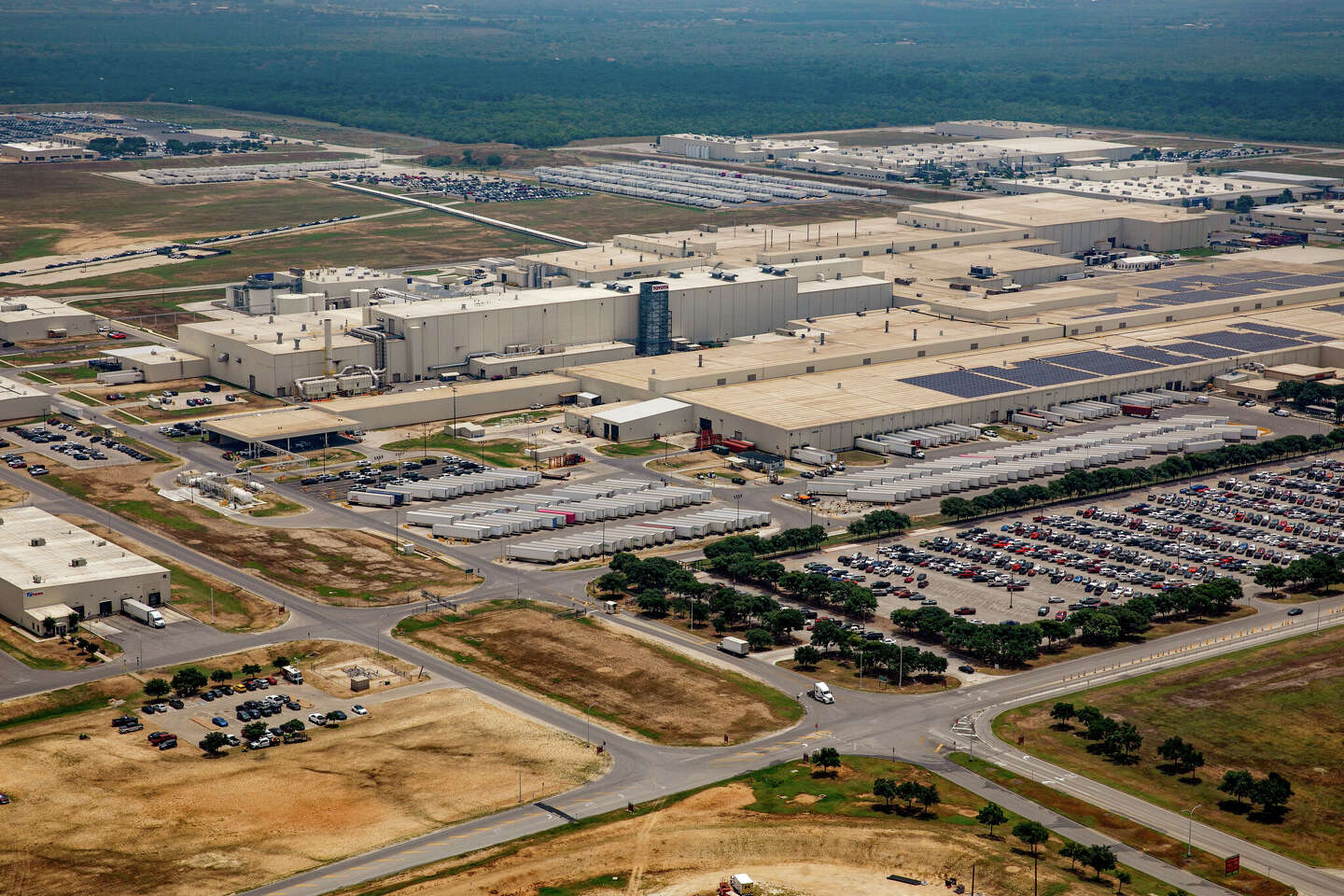
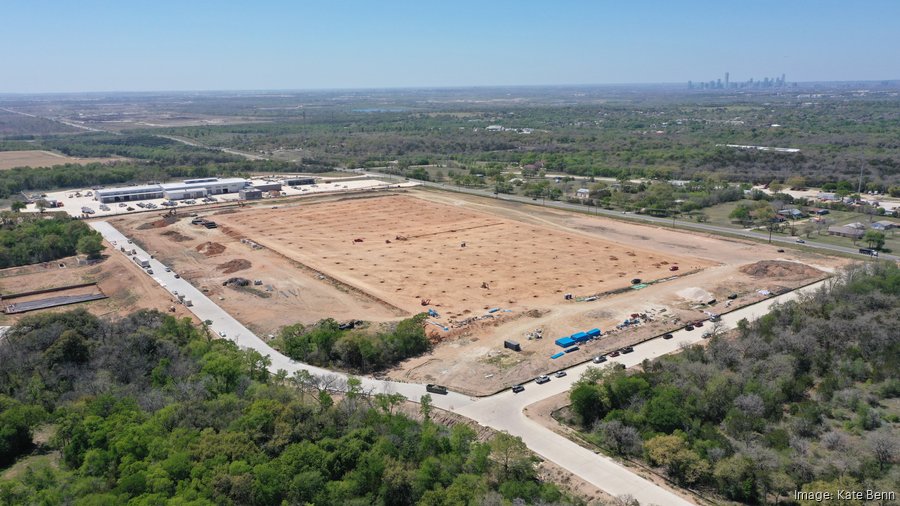
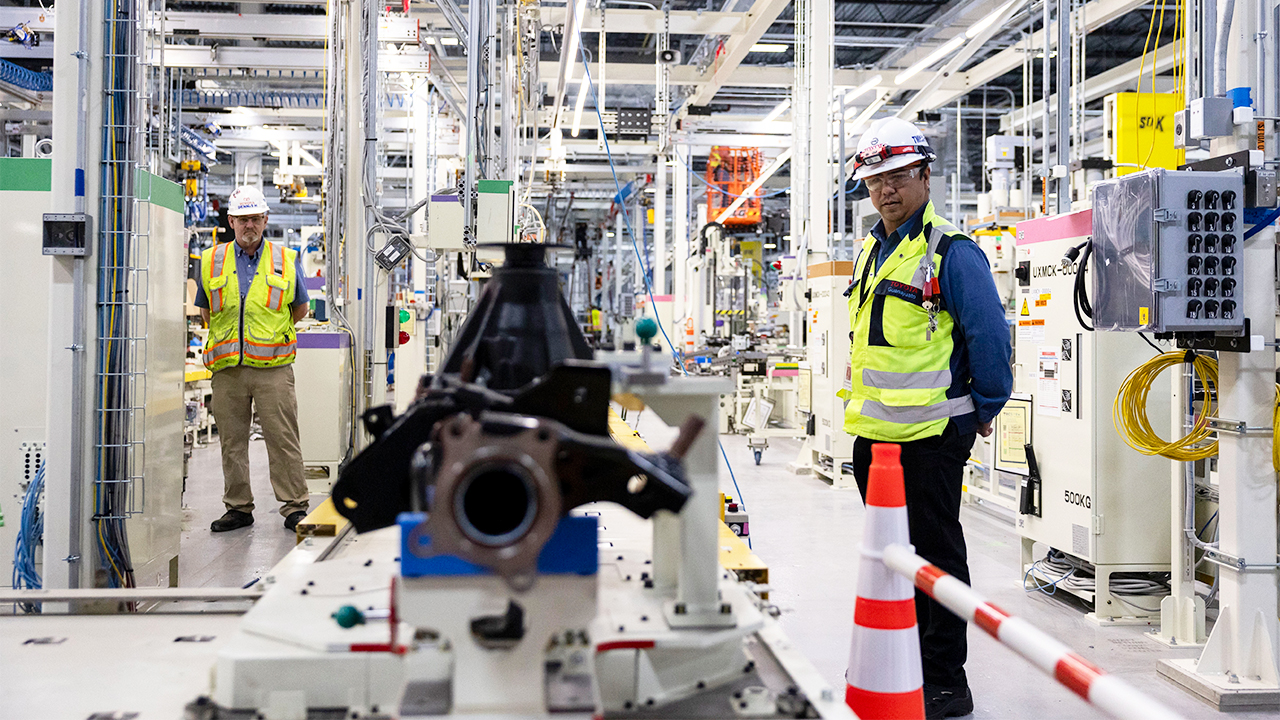
The competitive advantage shifts decisively to US-based manufacturers and sellers with domestic sourcing relationships. Toyota's $8.3 billion cumulative investment in San Antonio (since 2003) and the new $3.6 billion expansion create a gravitational pull for Tier-1 and Tier-2 suppliers to establish US operations. The news reports 23 onsite suppliers already supporting the facility, with capacity expanding from 200,000 to 350,000 units annually by 2030. For e-commerce sellers, this means: (1) US-manufactured truck parts will gain tariff cost advantages over Mexican imports, (2) supply chain resilience improves for domestic sellers (shorter lead times, lower logistics costs), and (3) small/medium sellers relying on Mexico-sourced inventory face margin compression unless they can shift to US suppliers or absorb tariff costs. The $20 million Texas state grant (Texas Enterprise Fund + JETI program) signals government support for manufacturing consolidation in Texas, likely attracting additional OEM and supplier investments that will further entrench US sourcing advantages.
USMCA renegotiation uncertainty creates a 6-18 month compliance window for sellers. The Trump administration's decision to pursue annual USMCA reviews instead of renewal creates policy volatility. If the proposed 50% US manufacturing requirement becomes binding (as reported in News 1), sellers importing Mexican-origin automotive parts must verify rules-of-origin compliance or face tariff reclassification. Sellers currently using Mexican suppliers should conduct HS code audits by Q2 2026 to identify which product lines will be affected. For example, truck tonneau covers manufactured in Mexico with US-origin materials may retain preferential treatment, but fully Mexican-origin components (e.g., suspension bushings, brake pads) could face tariff increases. The four-year transition period (2026-2030) for Tacoma production shift provides a planning window, but tariff policy could change faster than manufacturing relocation timelines.
Market access and competitive positioning for aftermarket sellers shifts toward US-based inventory. Toyota's announcement reflects broader industry trend: General Motors reported 6.8% sales decline (to 1.34M vehicles in H1 2026) while Toyota gained 0.5% (to 1.24M vehicles), with Toyota's hybrid leadership driving market share gains. This creates demand tailwinds for Toyota Tacoma accessories and aftermarket parts. However, sellers must now compete on tariff-adjusted cost structures. US-based sellers with domestic truck accessory suppliers (tonneau covers, bed liners, suspension kits) will gain 15-25% cost advantages over Mexico-sourcing competitors by 2028-2030. Cross-border sellers (particularly those importing from Mexico to US for Amazon FBA or eBay) should begin transitioning to US suppliers by Q4 2026 to avoid tariff margin compression. The $2,000 new jobs in Texas also signal growing local consumer purchasing power, creating demand for truck accessories in the San Antonio/Austin region—a potential geographic arbitrage opportunity for sellers targeting Texas-based truck owners.
Strategic sourcing country shifts are accelerating beyond Mexico. While Toyota maintains some Tacoma production in Guanajuato, Mexico, the Baja California shift to Texas signals Mexico's declining competitiveness for tariff-sensitive manufacturing. Sellers should monitor whether other OEMs follow Toyota's lead, potentially creating supply chain disruptions for Mexico-sourced parts. Vietnam and India are emerging as alternative sourcing destinations for non-automotive categories (electronics, apparel, home goods) to avoid US-Mexico tariff exposure. However, for automotive parts specifically, US domestic sourcing becomes the tariff-optimal strategy by 2028-2030.
Questions 7
What are the immediate actions sellers should take regarding Mexico-sourced inventory?
Sellers should conduct three actions by Q2 2026: (1) Audit all Mexico-sourced inventory by HS code to identify tariff exposure under revised USMCA rules; (2) Request rules-of-origin documentation from Mexican suppliers to verify compliance with potential 50% US manufacturing requirements; (3) Identify alternative US suppliers for high-volume, high-margin product lines (truck accessories, automotive parts). For sellers currently importing Mexican truck bed liners or tonneau covers at 2.5% tariff rates, expect rates to rise to 15-20% by Q4 2027, compressing margins by $40-80 per unit. Begin transitioning 20-30% of Mexico-sourced inventory to US suppliers by Q4 2026 to mitigate tariff risk.
How does Toyota's hybrid vehicle focus affect aftermarket parts demand?
Toyota's U.S. sales increased 0.5% to 1.24 million vehicles in H1 2026 (vs. GM's 6.8% decline to 1.34M), driven by hybrid leadership. The San Antonio facility produces Tundra and Sequoia hybrids, and the expanded Tacoma production will include hybrid variants. This creates strong demand tailwinds for Toyota truck accessories and aftermarket parts. Sellers should prioritize hybrid-compatible truck accessories (tonneau covers, bed liners, suspension kits designed for hybrid weight distribution) to capture market share from Toyota's growing sales. The shift toward hybrid technology also signals declining demand for traditional gasoline truck accessories, so sellers should adjust inventory mix accordingly by Q3 2026.