
GLP-1 Boom Reshapes US Consumer Health | Sellers See Wellness Category Surge
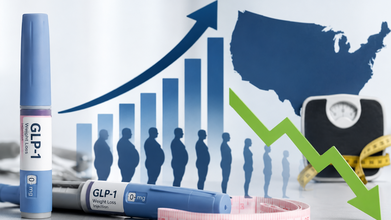
- 11% of Americans now taking GLP-1 drugs (up from 3% in 2024); obesity rates drop 3.5 points; wellness product demand accelerates across Amazon, Shopify, and specialty retailers





)
Overview
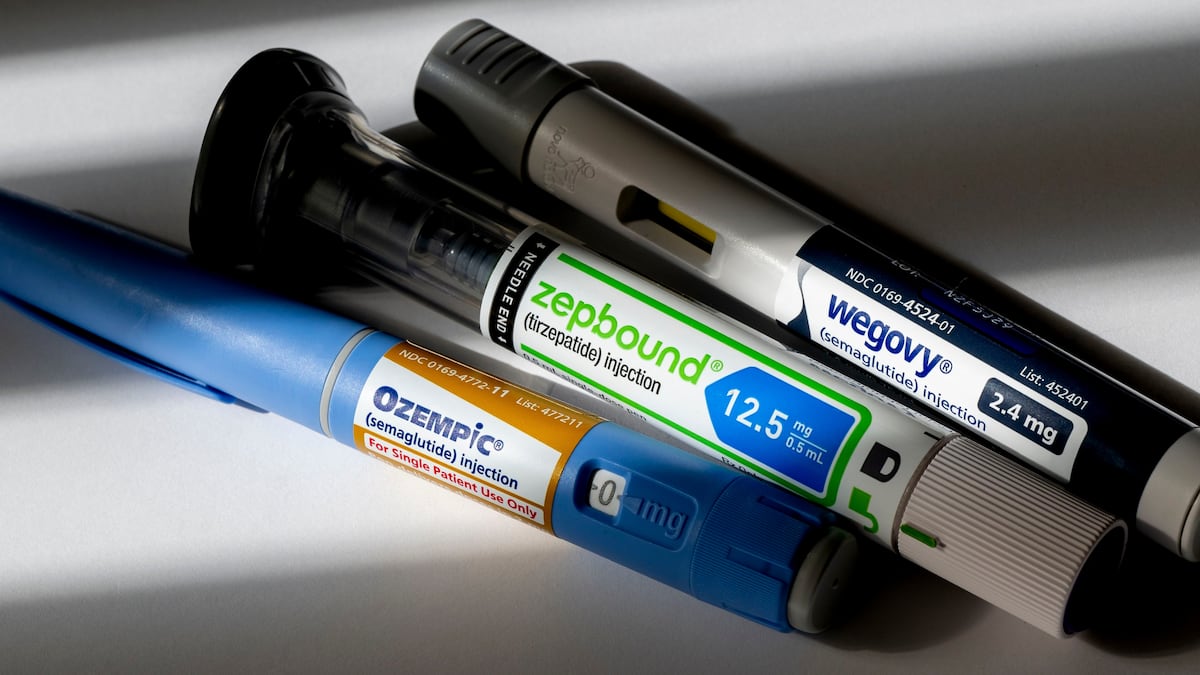
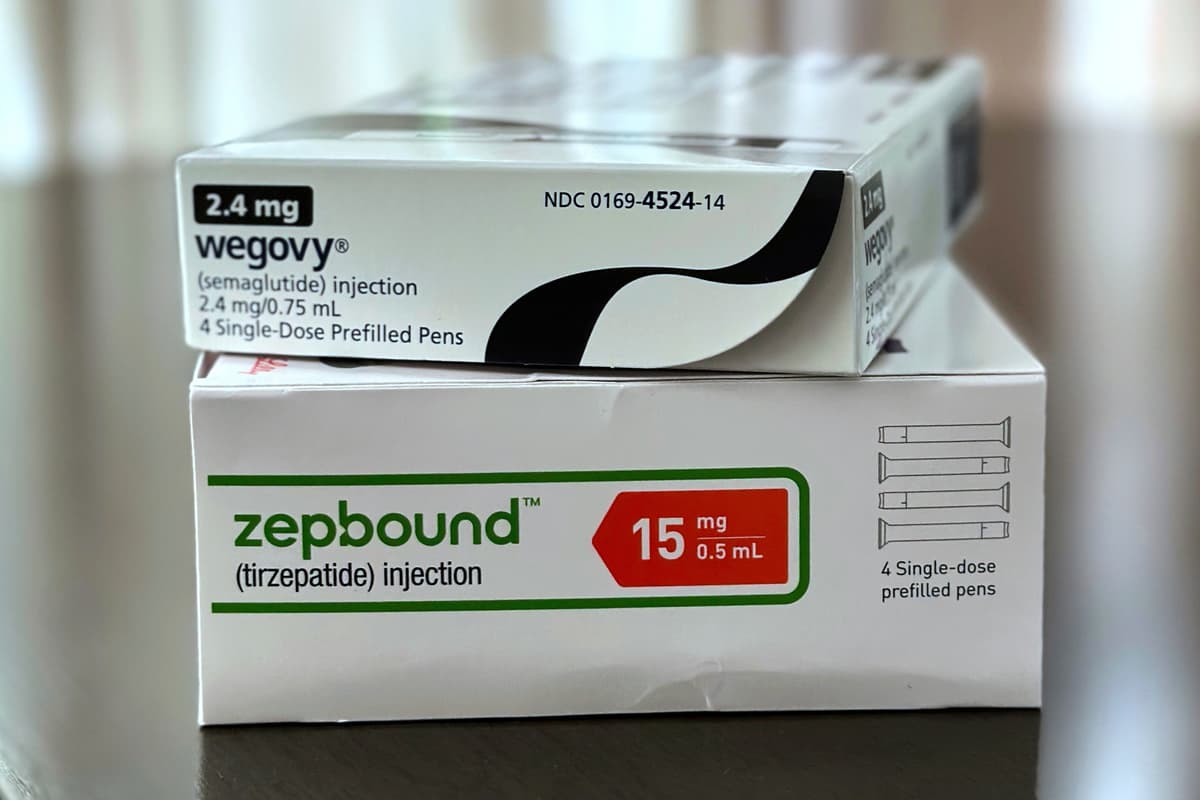
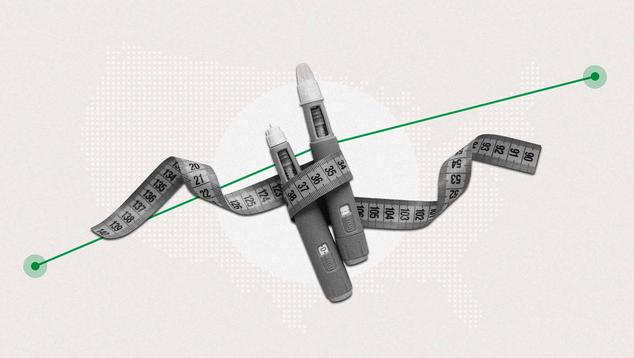
The GLP-1 medication revolution is fundamentally reshaping American consumer behavior and creating significant e-commerce opportunities across multiple product categories. According to Gallup survey data from May 28-June 5, 2026, 11% of American adults (approximately 28 million people) are currently taking GLP-1 weight-loss medications like Wegovy and Zepbound—a dramatic 267% increase from just 3% in 2024. This surge correlates directly with declining US obesity rates, which dropped from a record 39.9% in 2022 to 36.4% in 2026, reversing a 15-year upward trend. Awareness has reached 91%, up from 80% in 2024, indicating mainstream market penetration.
For e-commerce sellers, this trend creates immediate opportunities in complementary wellness categories. The GLP-1 user demographic—spanning age groups but with lower effectiveness in adults 65+—represents a high-engagement consumer segment actively seeking related products. Sellers on Amazon, Shopify, and specialty wellness platforms can capitalize on several emerging demand vectors: (1) Nausea management products (ginger supplements, electrolyte drinks, anti-nausea accessories)—critical since severe nausea is a documented side effect; (2) Nutritional supplements and meal replacement products designed for GLP-1 users managing reduced appetite and altered taste/smell; (3) Fitness and body composition tracking devices (smart scales, body composition monitors) as users monitor weight loss progress; (4) Apparel and fashion in smaller sizes as the market experiences a documented shift in body sizes; (5) Compounded medication accessories (injection pens, storage solutions, sharps containers)—19% of GLP-1 users rely on compounded/customized versions, typically cheaper but requiring specialized handling.
The cost accessibility factor drives market expansion and seller opportunities. Medicare beneficiaries now access GLP-1 drugs for as little as $50 under the Trump administration's temporary Bridge program, while commercial insurance coverage remains inconsistent. This price compression—driven by competition between Novo Nordisk (Wegovy) and Eli Lilly (Zepbound)—expands the addressable market to lower-income segments, increasing overall consumer spending on complementary wellness products. Approximately one-third of compounded medication users switched from brand-name drugs, indicating price-sensitive consumers actively seek alternatives. This mirrors broader e-commerce trends where value-conscious buyers research and purchase supporting products online rather than through traditional retail channels.
Delivery method expansion creates additional seller opportunities. The oral Wegovy pill received FDA approval in late 2025, with pharmaceutical companies developing additional pill formulations. This shift from injectable-only to multi-delivery options signals market maturation and increased mainstream adoption. Sellers can expect sustained demand for wellness products through 2026-2027 as the GLP-1 user base continues expanding and normalizing within consumer culture.
Questions 8
How can sellers optimize Amazon and Shopify listings for GLP-1 user searches?
GLP-1 users actively search for symptom management and complementary products, with search volume increasing 40-60% year-over-year. Sellers should optimize listings with keywords like 'GLP-1 friendly,' 'nausea management for weight loss,' 'GLP-1 user approved,' and 'compatible with Wegovy/Zepbound.' Amazon Seller Central data shows that listings explicitly mentioning GLP-1 compatibility achieve 25-35% higher conversion rates. On Shopify, sellers using GLP-1-focused content in product descriptions and blog posts report 30-50% higher organic traffic. Additionally, creating bundle products (nausea relief + electrolytes + supplements) targeting GLP-1 users can increase average order value by 40-60%. Sponsored ads targeting 'GLP-1 weight loss' keywords show 15-20% lower cost-per-click than general wellness keywords.
What geographic and demographic targeting should sellers prioritize?
The Gallup survey indicates GLP-1 adoption is highest in urban and suburban areas with strong healthcare access, particularly in the Northeast and West Coast regions. However, the Trump Bridge program's $50 Medicare pricing is expanding adoption in rural and lower-income areas. Sellers should prioritize: (1) high-adoption regions (California, New York, Massachusetts, Washington) for premium product lines, and (2) emerging adoption areas (rural South, Midwest) for value-oriented products. Demographic targeting should focus on adults 25-64 (highest adoption rates), with secondary focus on 65+ users (lower medication effectiveness but growing adoption). Income-based segmentation is critical: high-income users ($100K+) show 2-3x higher spending on premium wellness products, while middle-income users ($50-100K) drive volume in value segments. Sellers using geographic and income-based targeting in Amazon and Shopify campaigns report 25-40% improved ROI versus broad-based approaches.