

SK Hynix $28B IPO Signals Chip Supply Surge 2027-2028 | Seller Cost Impact
- $28 billion capital raise funds 60% capacity expansion by 2030; memory chip pricing expected to decline 15-25% as supply surge hits 2027-2028, directly impacting electronics sellers' COGS and logistics technology costs
















Overview
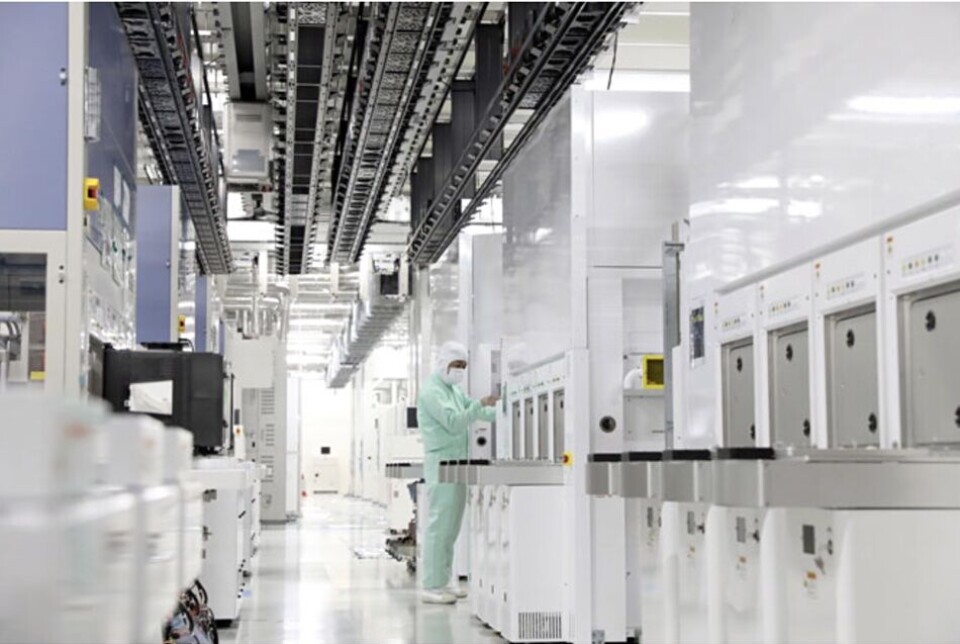
SK Hynix's record $28 billion US IPO (ticker SKHY) represents the second-largest IPO globally and largest non-US company listing on US exchanges, with profound implications for cross-border e-commerce sellers dependent on semiconductor supply chains. The South Korean memory chipmaker raised capital to fund construction of two major production facilities, with the first Yongin fab expected online in H1 2027, potentially increasing SK Hynix's total capacity by approximately 60% by 2030. This capital infusion, driven by exceptional Wall Street demand (offering multiple times oversubscribed), directly addresses the current AI-driven memory chip undersupply that has inflated component costs for electronics sellers, logistics technology providers, and IoT device manufacturers.
For cross-border sellers, the immediate financial impact unfolds across two distinct phases. Through 2026-2027, sellers should expect continued elevated semiconductor costs as current undersupply persists—memory chip prices remain 40-60% above historical averages due to intense AI server demand. However, analysts warn of a critical inflection point: the 2027-2028 supply surge from SK Hynix's new capacity plus expansions from Samsung, Micron, and Chinese manufacturers will likely erode current pricing power and trigger a cyclical downturn. Morningstar analyst Jing Jie Yu assigns SK Hynix a 3-star rating with limited upside, noting the company's profitability depends on current undersupply conditions. This supply normalization presents both risk and opportunity: sellers holding inventory of electronics, smart home devices, or logistics technology dependent on memory chips face potential margin compression of 15-25% as component costs decline, but also gain access to cheaper components for new product launches.
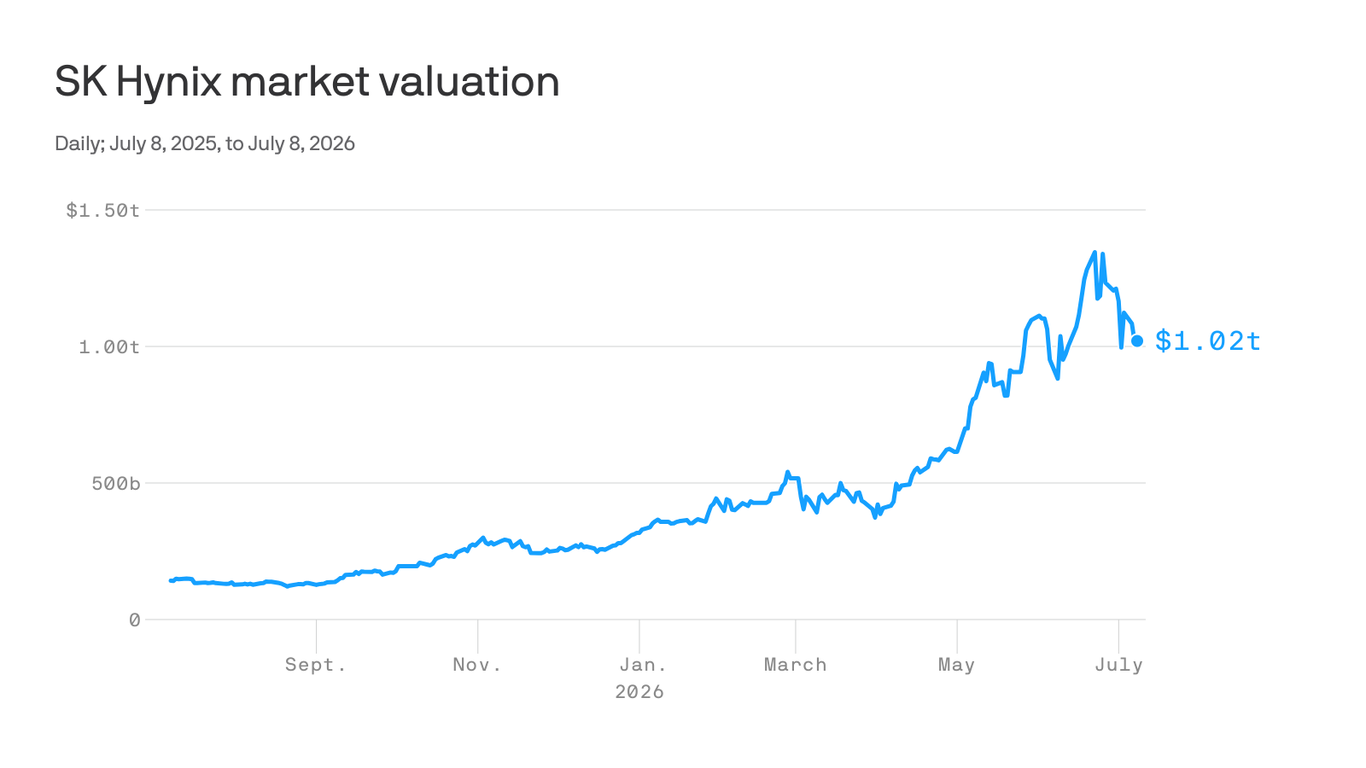
The financial technology angle reveals critical payment and working capital optimization opportunities. SK Hynix's US listing via American Depositary Receipts (ADRs) priced in US dollars reduces currency conversion friction for cross-border transactions—sellers can now hedge KRW/USD exposure more efficiently through SKHY stock options rather than relying on traditional FX forwards. The company's $1 trillion+ market valuation and 700% YoY stock surge in Korean currency terms signals strong institutional confidence in semiconductor sector fundamentals, potentially unlocking new trade finance products targeting semiconductor supply chain participants. Sellers should monitor SK Hynix's quarterly earnings (starting Q4 2026) for capacity utilization rates and pricing guidance—these metrics directly signal when the supply surge will materialize and impact component costs. Additionally, the IPO's success demonstrates sustained investor appetite for memory chip sector exposure, suggesting new financing products (supply chain finance, inventory loans) targeting semiconductor-dependent sellers may emerge from fintech providers seeking to capitalize on the sector's growth trajectory.
Questions 8
How can sellers access new financing products targeting this semiconductor cycle?
SK Hynix's IPO success demonstrates sustained investor appetite for semiconductor sector exposure, likely triggering new financing products from fintech providers. Sellers should monitor announcements from supply chain finance platforms (e.g., Tradeshift, Coupa, Kyriba) for semiconductor-specific inventory loans and PO financing products. These products typically offer 60-90 day terms at 6-12% APR, compared to traditional working capital loans at 12-18% APR. Sellers can unlock 20-40% of inventory value immediately through invoice factoring tied to semiconductor supplier contracts. Establish relationships with Korean trade finance banks (e.g., Korea Development Bank, Export-Import Bank of Korea) now—they're likely to launch new products targeting SK Hynix supply chain participants within 6-12 months.
What working capital optimization moves should sellers execute before 2027?
Sellers have a 12-18 month window (through H1 2027) to optimize working capital before the supply surge compresses margins. Immediate actions: (1) Refinance existing inventory loans at current rates before they reset lower in 2027; (2) Accelerate inventory turnover by 15-20% to convert chips to cash before prices decline; (3) Lock in supplier contracts through 2027 at current pricing to capture margin premiums; (4) Establish supply chain financing relationships now to access cheaper capital for inventory purchases. Sellers can unlock $50,000-$500,000 in working capital immediately through invoice factoring (typically 2-3% discount) or PO financing (6-12% APR). The cash conversion cycle improvement—converting inventory to cash 10-15 days faster—provides $20,000-$100,000 in monthly cash flow relief for mid-sized sellers.