



US Trade Deficit Hits $77.6B in May 2025 | Sellers Face Tariff Pressure & Supply Chain Shifts
- Trade gap expands 42.2% month-over-month; semiconductor imports surge $1.2B amid AI boom; Vietnam, Mexico, Taiwan emerge as critical sourcing alternatives to China























Overview
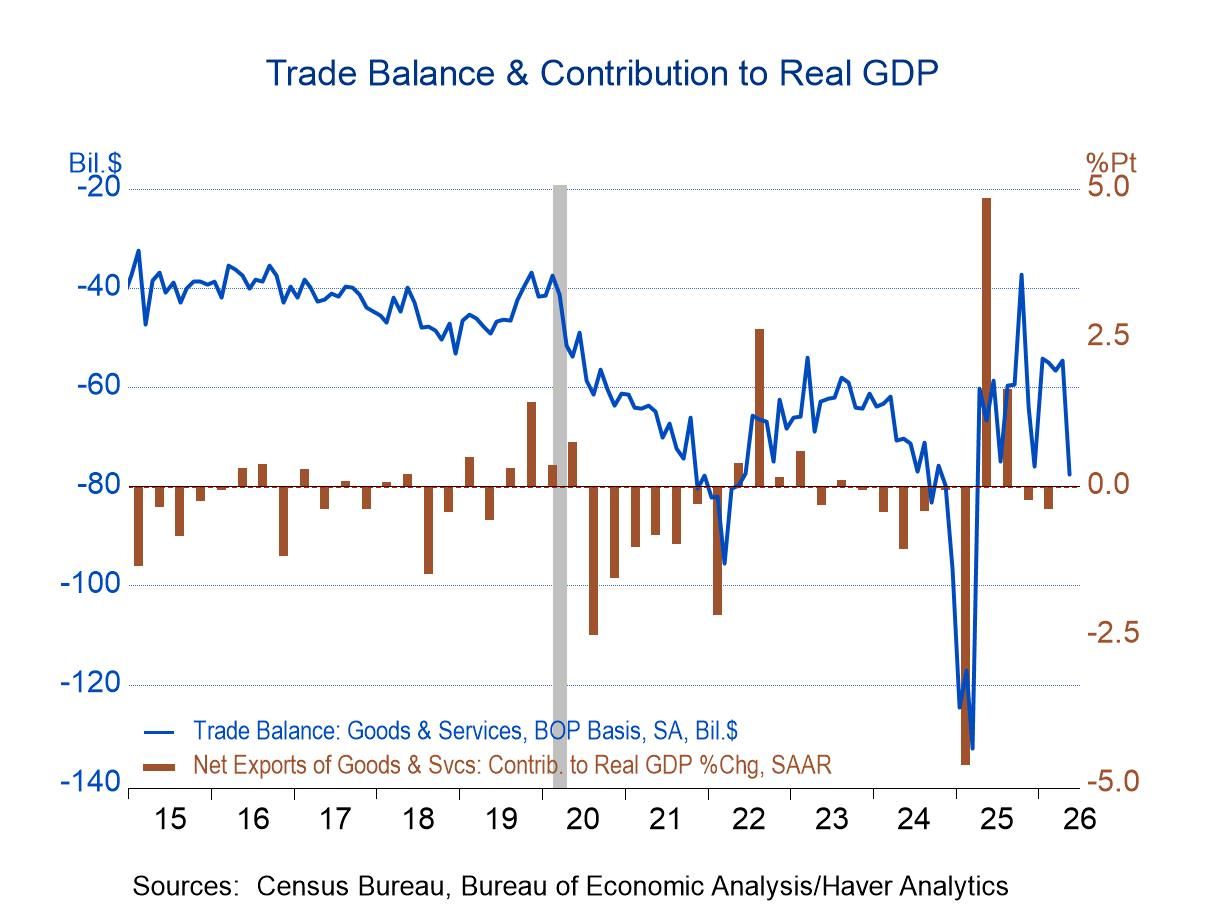
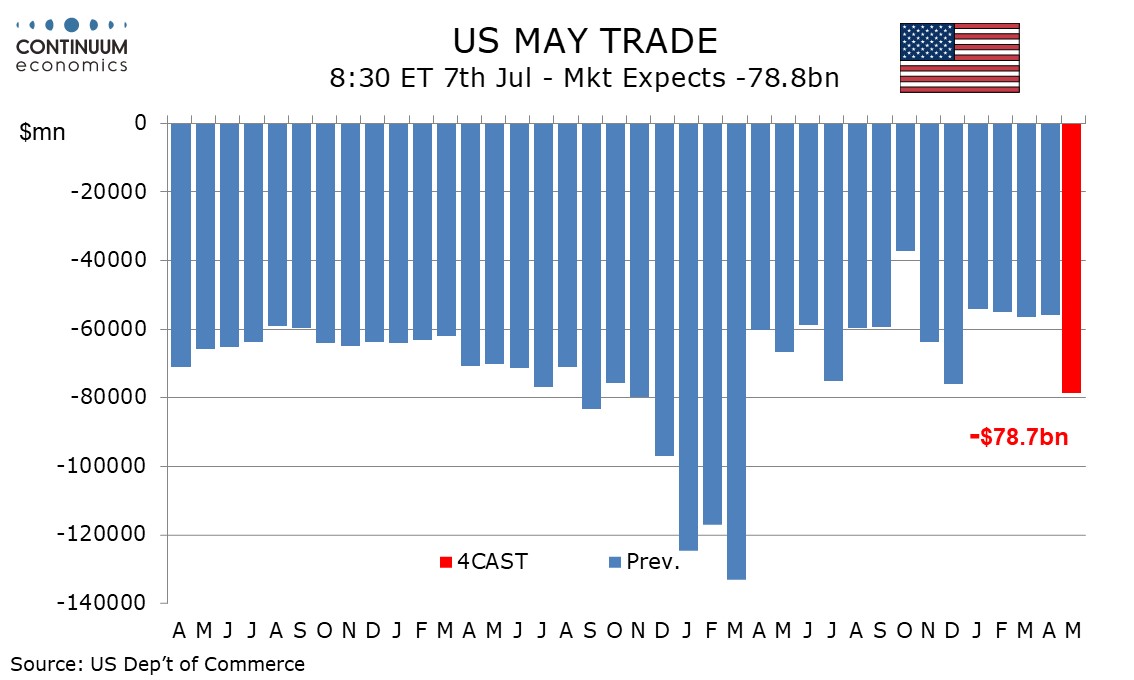
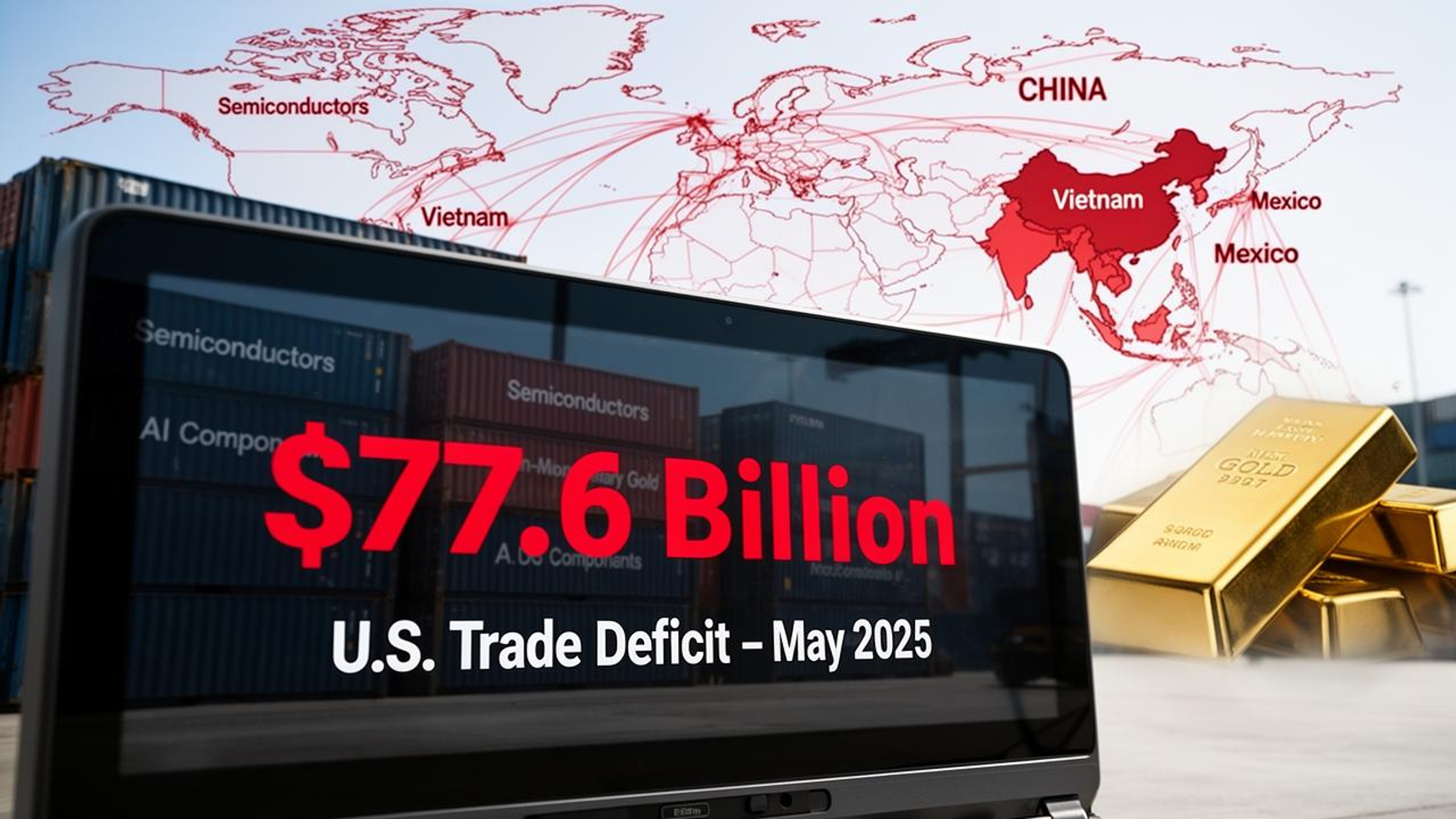
The United States trade deficit surged to $77.6 billion in May 2025—the largest monthly jump in a year—as imports climbed 3.3% to $395.3 billion while exports fell 3.2% to $317.7 billion. This 42.2% month-over-month expansion signals a fundamental shift in global supply chains and tariff dynamics that directly impacts cross-border e-commerce sellers' sourcing strategies, inventory costs, and competitive positioning.
The AI-Driven Import Surge Creates Immediate Tariff Arbitrage Opportunities. Semiconductor imports jumped $1.2 billion in May alone, driven by accelerating demand for GPUs, processors, and AI-related computing hardware from US technology companies and cloud providers. This concentration of high-value imports in semiconductor and technology categories (HS codes 8471, 8542, 8517) creates a critical window for sellers: tariff rates on these components remain lower than consumer electronics, making nearshoring to Mexico or Vietnam strategically advantageous. The US posted largest deficits with Vietnam ($20.6B), Mexico ($20.1B), and Taiwan ($19.4B)—signaling these markets are becoming preferred sourcing destinations. Sellers currently importing electronics, smart home devices, or AI-enabled tools from China face 15-25% tariff exposure, while identical products sourced through Mexico or Vietnam benefit from USMCA/trade agreement preferential rates of 2-8%. The margin differential is substantial: a $100 product with 20% China tariffs costs $120 landed; the same product from Mexico costs $102-108, creating 10-15% cost advantage.
Automotive and Industrial Components Show Structural Sourcing Shifts. Automotive parts and engines surged $2.2 billion, with passenger vehicles adding $1 billion—reflecting carmakers' deliberate production relocation to mitigate tariff exposure. Toyota's $3.6 billion investment to move Tacoma manufacturing to San Antonio by 2030 exemplifies this trend. For e-commerce sellers in automotive aftermarket, parts, and accessories categories, this signals: (1) increased domestic production capacity will reduce import tariffs on OEM components, (2) nearshoring to Mexico accelerates, creating opportunities for sellers to source Mexican-manufactured parts at lower tariff rates, and (3) supply chain consolidation around US-Mexico border logistics hubs (Texas, Arizona) reduces shipping costs by 15-20% versus Asia routes. Sellers should prioritize Mexico-sourced automotive inventory before tariff rates adjust upward in response to domestic capacity expansion.
Canada's Trade Surplus Widening ($2.98B USD) Reveals Underexploited Sourcing Channel. Canada's goods shipments to the US hit their highest level since February 2025, reaching a four-year high. This reflects USMCA preferential access and lower tariff rates (0-5% on most goods). For sellers in machinery, electrical equipment, and industrial categories, Canadian sourcing offers: tariff savings of 10-18% versus China, faster shipping times (2-5 days vs. 15-30 days from Asia), and reduced customs complexity. However, this opportunity window is closing as competitors recognize the advantage—sellers should establish Canadian supplier relationships within 60 days to secure capacity before prices rise.
Tariff Compliance Complexity Intensifies; Selective Tariff Exemptions Create Loopholes. The trade data reveals that certain high-value categories (semiconductors, pharmaceuticals) are experiencing tariff pressure that may trigger policy exemptions or rate reductions. Sellers should monitor: (1) Section 301 tariff exclusion requests (currently 3-6 month approval windows), (2) USMCA certificate of origin requirements for Mexico/Canada sourcing (compliance cost: $50-200 per shipment), and (3) emerging tariff rate negotiations that could reduce rates on AI components by 5-10% within 6-12 months. Strategic sellers can file exclusion requests for high-volume SKUs, potentially recovering 8-12% in tariff costs retroactively.
Questions 8
Should I shift my supply chain from China to Vietnam or Mexico based on the trade deficit data?
Yes, but strategically and selectively. The May 2025 data shows Vietnam ($20.6B deficit) and Mexico ($20.1B deficit) are now the US's largest trade partners, indicating: (1) established logistics infrastructure and lower shipping costs, (2) tariff rates 8-15% lower than China, and (3) faster lead times (10-20 days vs. 25-40 days from China). However, Vietnam and Mexico have capacity constraints—suppliers are already at 80-90% utilization. Recommended approach: (1) Identify 20-30% of your SKU portfolio that can tolerate 2-4 week longer lead times, (2) Establish relationships with 2-3 Vietnam/Mexico suppliers for these SKUs within 60 days, (3) Maintain 30-40% China sourcing for fast-moving, high-margin items where tariff costs are offset by volume. This hybrid approach balances tariff savings with supply chain resilience.
What are the compliance risks if I source from Mexico under USMCA but don't properly document tariff preferences?
Improper USMCA documentation creates significant compliance exposure: (1) Customs can deny preferential tariff treatment retroactively, requiring you to pay back tariffs at 15-25% rates plus penalties of 10-20% of tariff value, (2) Repeated violations trigger audits and potential debarment from preferential programs, (3) Shipments can be held 5-10 days for documentation review, disrupting inventory. Compliance requirements: obtain Certificate of Origin (CO) from Mexican suppliers (cost: $50-200 per shipment), maintain records for 7 years, and ensure HS code accuracy. Mitigation: use a customs broker ($100-300 per shipment) to handle documentation—the cost is offset by tariff savings of $500-2,000 per shipment on high-value goods. Budget 2-3% of landed cost for compliance infrastructure.