



China AI Export Restrictions Impact Cross-Border Sellers | 2025 Compliance Guide
- Beijing restricts overseas access to advanced AI models; Alibaba/ByteDance halt personalized features; sellers face 15-25% marketing effectiveness loss and compliance complexity surge






















)


Overview
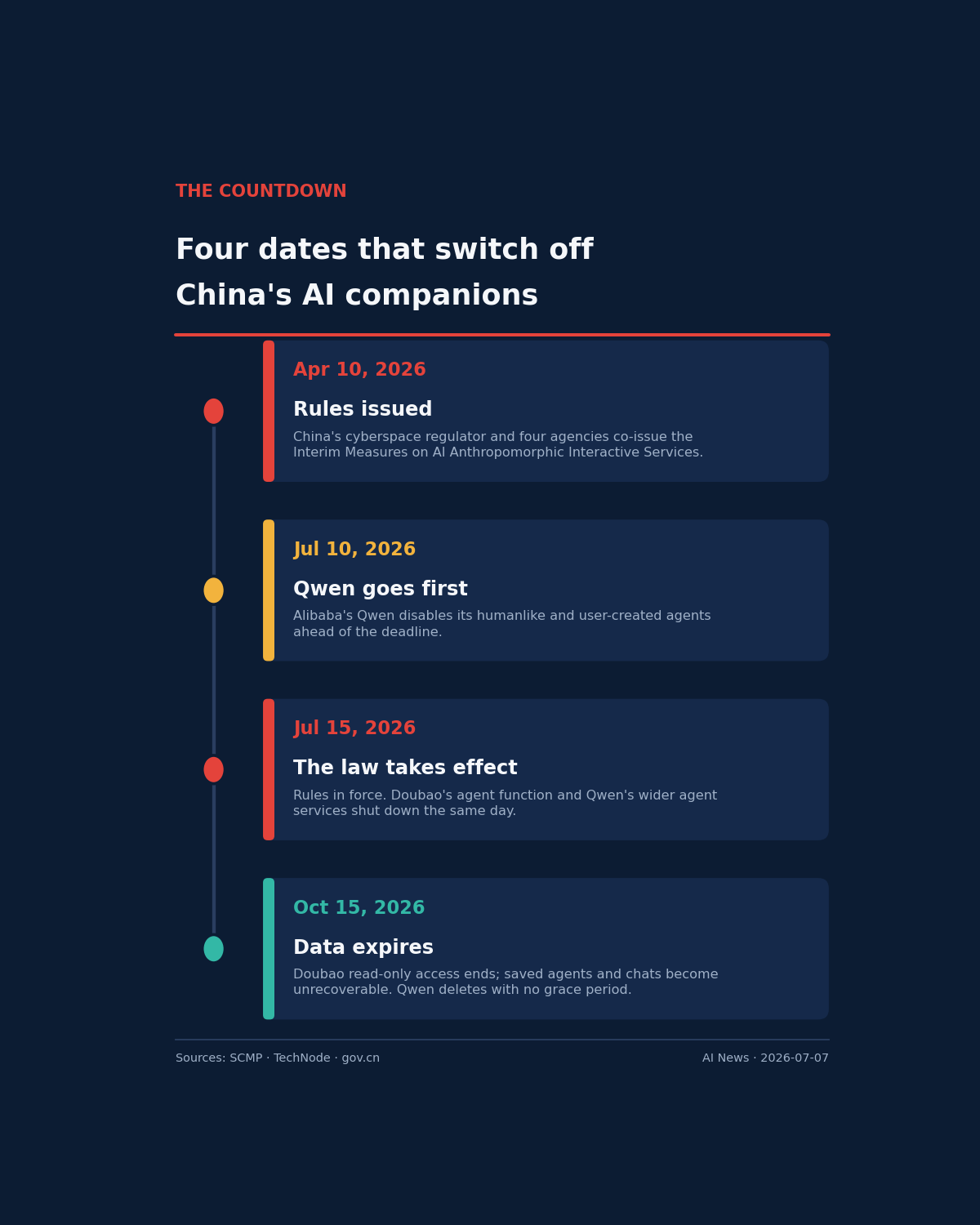
China's emerging AI export controls represent a critical policy shift that directly impacts cross-border e-commerce sellers relying on platform-powered personalization and algorithmic marketing. Chinese authorities held meetings with Alibaba, ByteDance, and Z.ai over the past month to discuss restricting overseas access to advanced AI models, treating cutting-edge AI as a national asset requiring government controls—mirroring U.S. export restrictions. Simultaneously, Alibaba and ByteDance have halted personalized AI features across their e-commerce, social media, and content platforms, affecting millions of users and directly degrading seller marketing effectiveness.
The regulatory framework emerging from these discussions includes a tiered system: basic open-source tools requiring simple filing, advanced technologies undergoing security reviews, and frontier models either barred from public release or restricted to domestic use. Chinese legal experts project implementation could include mandatory registration, security testing, and watermarking requirements. Notably, Zhipu AI's GLM-5.2 recently ranked in the top three global LLMs, while analysts project Chinese firms could develop Mythos-equivalent open-weight models by February 2027, intensifying governance urgency. The policy shift reflects Beijing's national security concerns regarding U.S. AI models like Anthropic's Claude Mythos, combined with broader 2024 actions including Meta's forced divestment of Chinese AI startup Manus.
For cross-border sellers, the immediate operational impact is severe: Alibaba's suspension of AI-powered product recommendations directly reduces targeting precision and conversion rates for merchants relying on algorithmic promotion. ByteDance's halt of personalized features impacts sellers using short-form video content for product discovery and brand awareness on TikTok Shop and similar platforms. Industry analysis suggests sellers could experience 15-25% reduction in marketing effectiveness during the transition period, with small-to-medium sellers (1,000-10,000 monthly units) facing disproportionate impact due to limited alternative marketing budgets. The tiered regulatory approach suggests frontier model restrictions could take effect within 6-12 months, while basic compliance requirements may emerge within 3-4 weeks as platforms implement interim measures.
Strategic sourcing implications emerge from this policy direction: As China restricts AI model exports, international sellers currently leveraging cost-effective Chinese AI tools for inventory optimization, demand forecasting, and pricing algorithms face potential service disruptions. Companies like Alibaba (Qwen), ByteDance (Doubao), and Z.ai (GLM-5.2) have gained global traction specifically due to low costs and increasing capabilities. Sellers currently using these models for backend operations should begin evaluating alternative AI providers from non-restricted jurisdictions (U.S., EU, India) to avoid compliance violations and service interruptions. The policy also signals potential restrictions on funding domestic AI startups, suggesting venture-backed AI tools may face regulatory scrutiny.
Questions 8
What is the expected impact on my conversion rates and marketing effectiveness?
Industry analysis suggests sellers could experience 15-25% reduction in marketing effectiveness during the transition period as platforms halt personalized AI features. Alibaba's suspension directly impacts sellers relying on AI-powered product recommendations, while ByteDance's changes affect sellers using short-form video content for product discovery. Small-to-medium sellers face disproportionate impact due to limited alternative marketing budgets. The halt reduces targeting precision and advertising effectiveness for merchants operating on these platforms. Sellers should immediately diversify marketing channels, increase manual optimization efforts, and budget 20-30% additional resources for alternative promotional strategies to maintain sales velocity.
Which AI tools and platforms should I avoid using for my e-commerce operations?
Sellers should exercise caution with cost-effective Chinese AI models including Alibaba's Qwen, ByteDance's Doubao, and Z.ai's GLM-5.2, which have gained global traction but now face potential export restrictions. These models are commonly used for inventory optimization, demand forecasting, and pricing algorithms. The news indicates Chinese authorities are exploring making any leak or theft of proprietary AI technology punishable under national security law, creating compliance risk for sellers using these tools. Evaluate alternative AI providers from non-restricted jurisdictions (U.S., EU, India) for backend operations. Document your current AI tool usage and begin transition planning within 30 days.