




Semiconductor Market Correction Signals AI Valuation Reset | Electronics Sellers Face Pricing Volatility
- Memory chip stocks enter bear market (20% decline) despite Samsung's 19-fold profit surge; chip price volatility creates margin compression for electronics retailers selling computing devices, smartphones, and AI-enabled products through 2026






























Overview
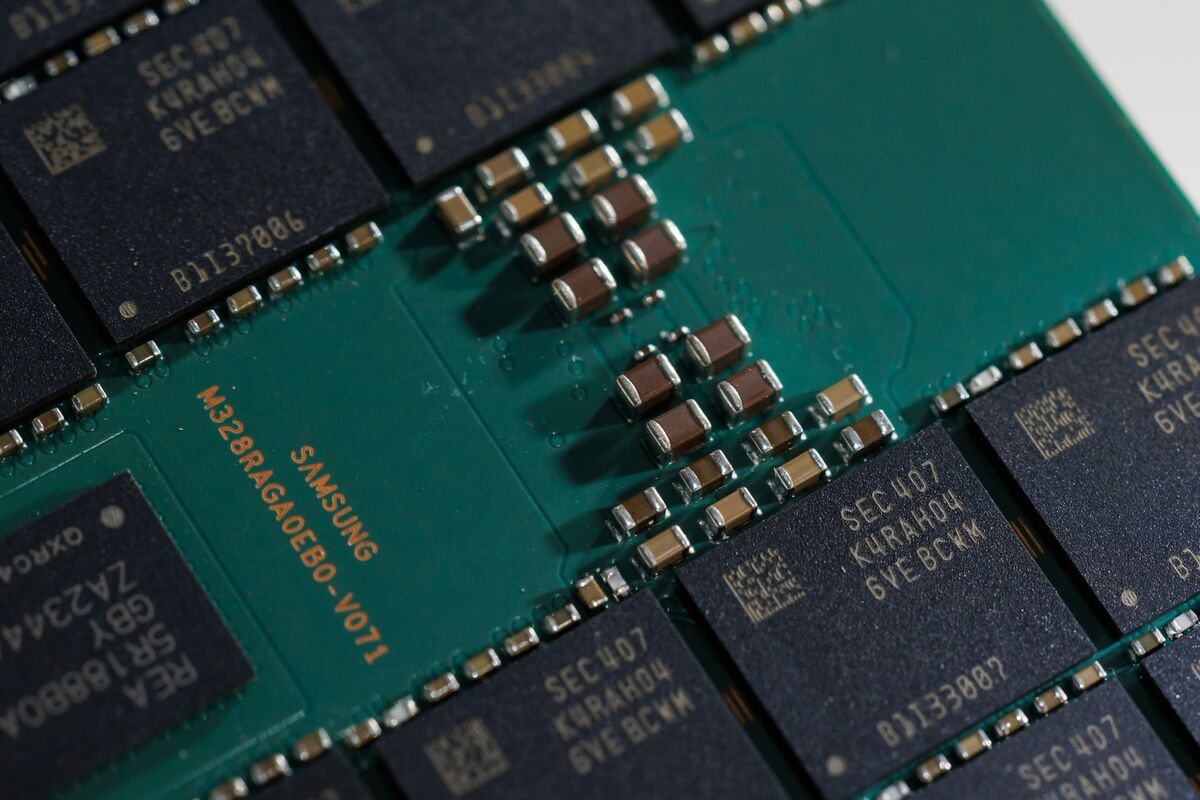
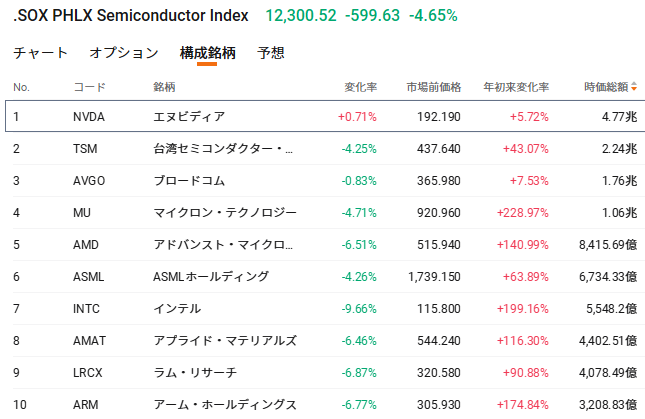
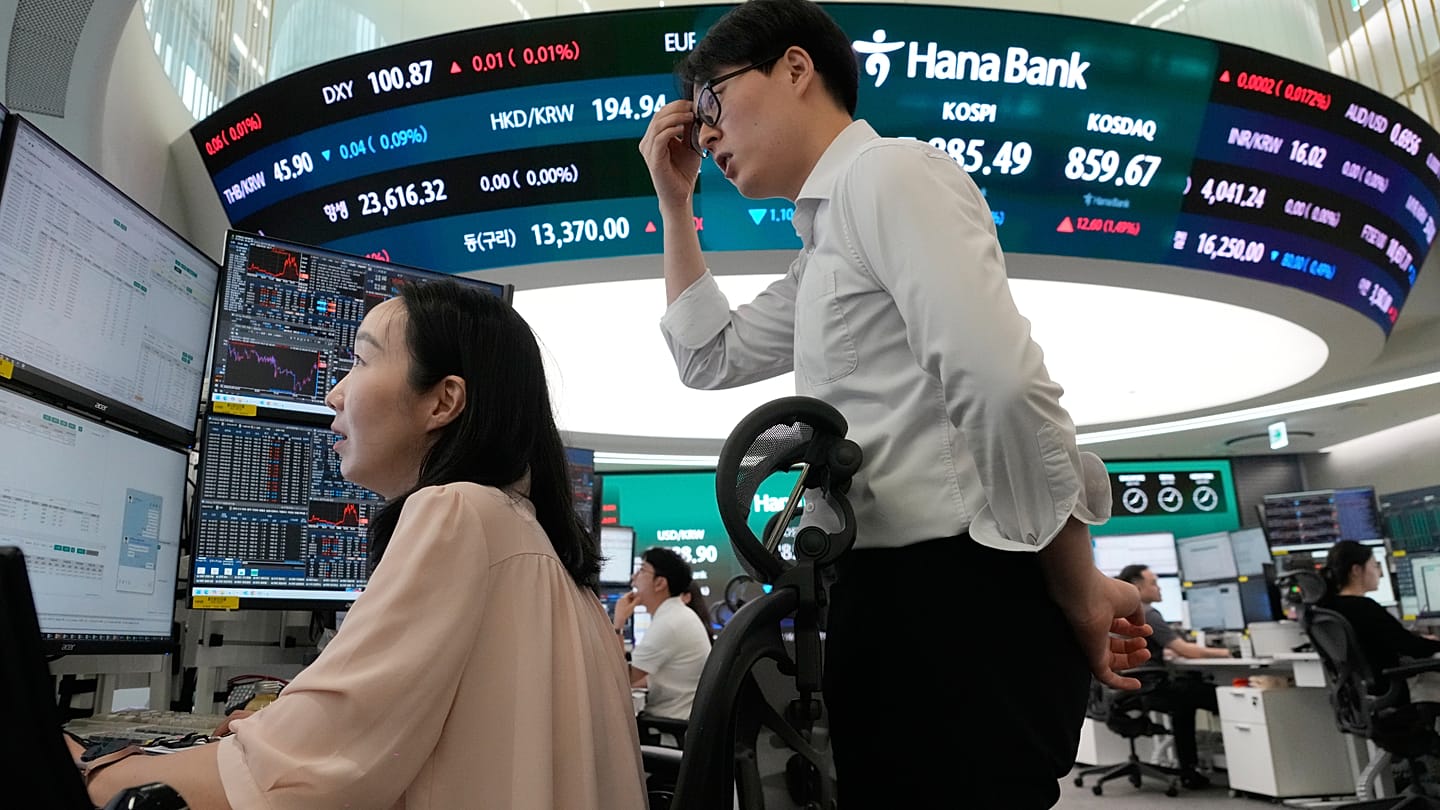
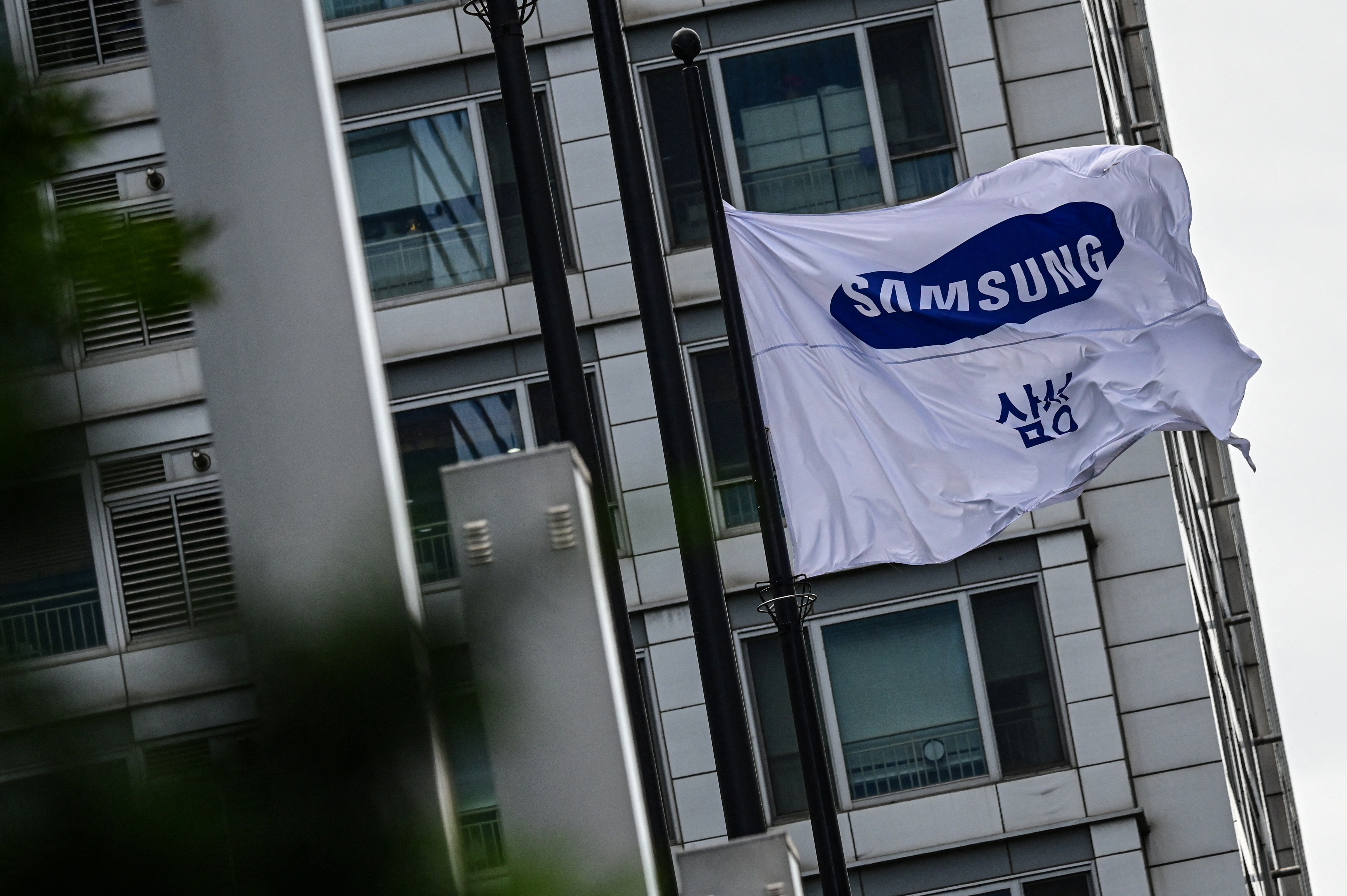
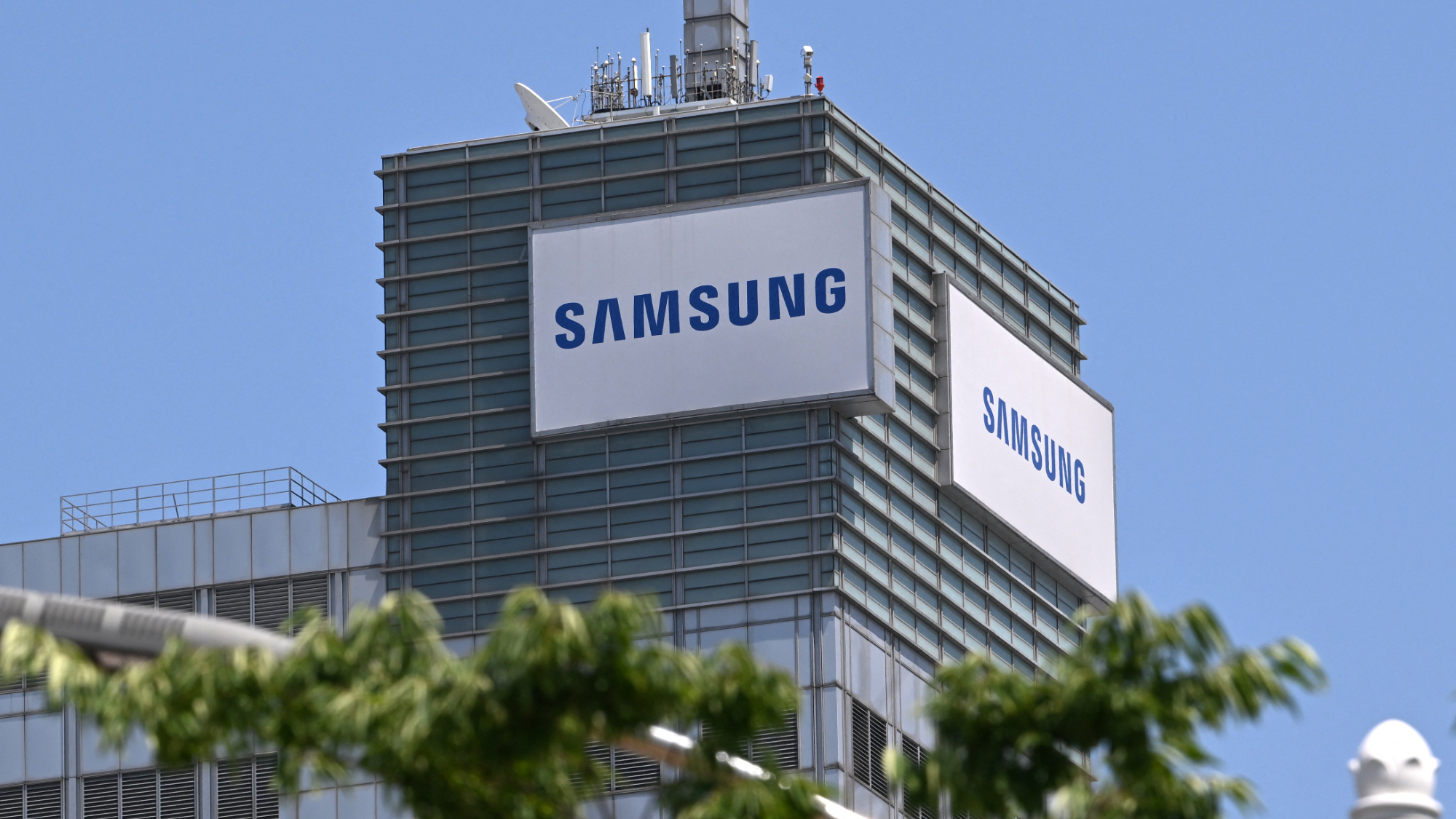
The semiconductor sector experienced a dramatic disconnect on July 7, 2026, when Samsung Electronics reported exceptional Q2 earnings—171 trillion Korean won in sales with 89.4 trillion won operating profit, representing a 19-fold increase in profitability—yet triggered a 7% stock decline that cascaded across the memory chip industry. Memory chip manufacturers including Micron (down 4.7%), SK Hynix, and Samsung dragged the semiconductor segment into bear market territory with a 20% decline from recent highs, while the Dow, S&P 500, and Nasdaq all retreated simultaneously. This counterintuitive market reaction reveals a fundamental repricing of AI infrastructure valuations, with investor concerns centered on sustainability of AI spending levels and semiconductor commoditization pressures.
For cross-border e-commerce sellers, this market correction creates immediate operational implications across three critical dimensions. First, semiconductor price volatility directly impacts inventory costs for electronics retailers selling computing devices, smartphones, smart home devices, and AI-enabled products. The 20% memory stock decline signals potential chip price moderation, which could stabilize or reduce sourcing costs for sellers in consumer electronics categories—potentially improving margins by 3-8% if prices decline 10-15% from peak levels. However, the broader market uncertainty suggests price volatility will persist through Q3-Q4 2026, requiring sellers to implement dynamic pricing strategies and adjust procurement timing. Second, the market's reassessment of AI infrastructure spending sustainability raises medium-term demand concerns for high-end computing products (gaming laptops, workstations, AI-accelerated devices), which experienced elevated demand during the 2024-2026 AI infrastructure boom. Industry analysts note that nearly 60% of S&P 500 earnings growth this quarter derives from AI infrastructure stocks, creating concentration risk that could compress demand if the correction accelerates. Third, capital rotation patterns observed by CNBC's Jim Cramer reveal investors shifting from semiconductor supply chain trades toward megacap technology companies (Amazon, Alphabet, Meta, Apple, Nvidia) directly funding data center buildouts, suggesting enterprise software and cloud infrastructure may outperform hardware suppliers in the near term.
The market dynamics reflect ongoing tension between genuine AI demand fundamentals and valuation exhaustion. Samsung's strong results demonstrate continued memory chip demand from data centers and consumer devices, yet the stock decline indicates investors are differentiating between companies with sustainable competitive advantages and those facing commoditization pressures. For sellers, this means monitoring three key indicators: (1) semiconductor pricing trends through industry indices and supplier announcements, (2) supply availability and lead times from chip manufacturers, and (3) demand signals for AI-enabled products through category performance metrics on Amazon, eBay, and Shopify. Sellers should prepare for potential margin compression if chip prices stabilize at current levels while consumer demand softens, requiring either cost reduction initiatives or strategic category shifts toward higher-margin product segments less dependent on semiconductor pricing volatility.
Questions 8
Should sellers increase or decrease inventory levels given the market correction?
Decrease inventory levels by 20-30% for high-end computing products and AI-enabled devices over the next 60 days, while maintaining or slightly increasing inventory for mid-range consumer electronics (smartphones, smart home basics) that show more stable demand. The market correction creates dual risks: chip prices may decline further (reducing inventory value) and consumer demand may soften (increasing inventory holding costs). For sellers with >60 day inventory, implement aggressive clearance pricing (10-15% discounts) to reduce holding costs before potential further price declines. For sellers with <30 day inventory, maintain current levels and use the pricing flexibility to capture market share. Use inventory optimization tools (Keepa, Helium 10) to identify slow-moving SKUs and implement clearance strategies before market sentiment deteriorates further.
What supply chain monitoring metrics should sellers track during semiconductor market volatility?
Track four key metrics weekly: (1) SEMI Index and memory chip spot prices to predict sourcing cost changes, (2) semiconductor manufacturer lead times (Samsung, Micron, SK Hynix announcements) to adjust procurement timing, (3) competitor pricing on Amazon/eBay in your category to identify margin compression signals, and (4) consumer demand signals through category BSR trends and search volume to forecast demand shifts. Use AI-powered supply chain monitoring tools (Everstream Analytics, Resilinc) to track supplier health and geopolitical risks affecting chip manufacturing. Set price alerts on key components and establish relationships with 2-3 alternative suppliers to reduce single-source risk. Create monthly supply chain risk reports that correlate semiconductor pricing, lead times, and demand metrics to inform procurement and pricing decisions.