



FDA Pedigree Recall Creates Pet Food Compliance Opportunity | Sellers Must Act Now
- Mars Petcare voluntary recall (July 2, 2026) of 2 lot codes affects nationwide distribution; fraudulent diversion of flagged products exposes supply chain vulnerabilities for Amazon, Walmart, eBay pet sellers


















Overview
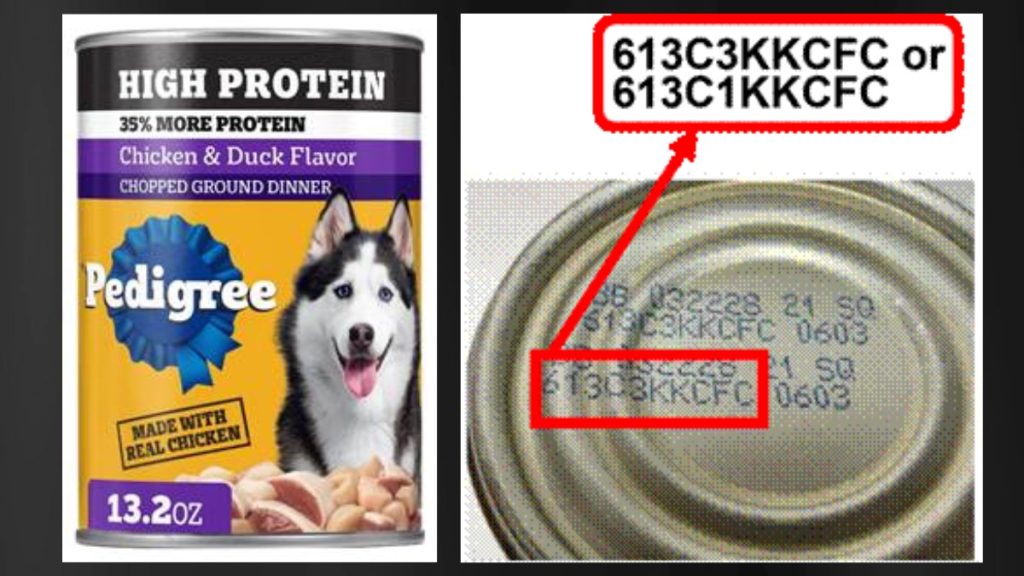
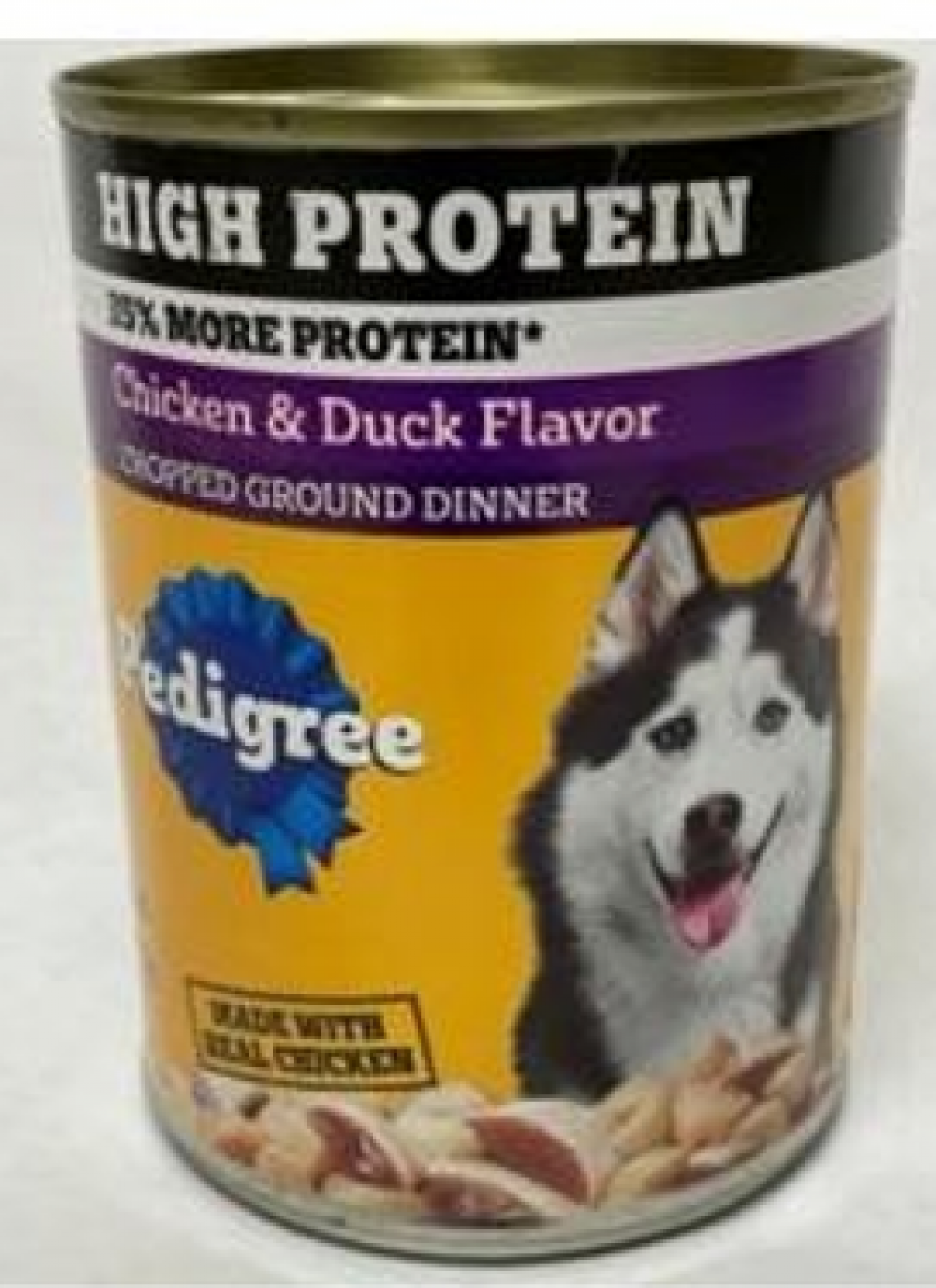
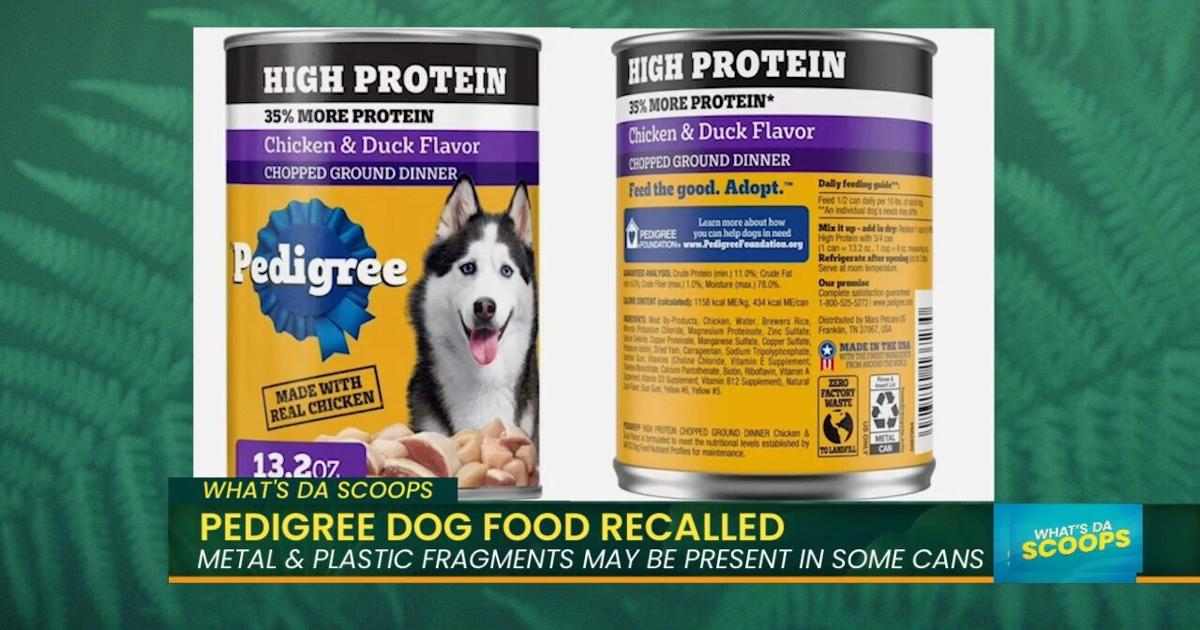
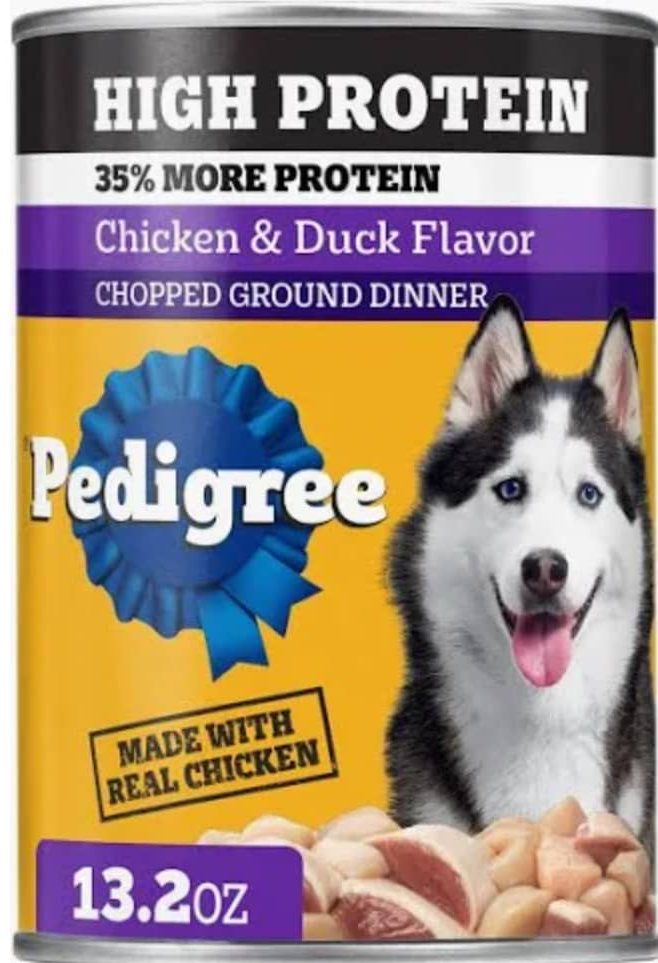
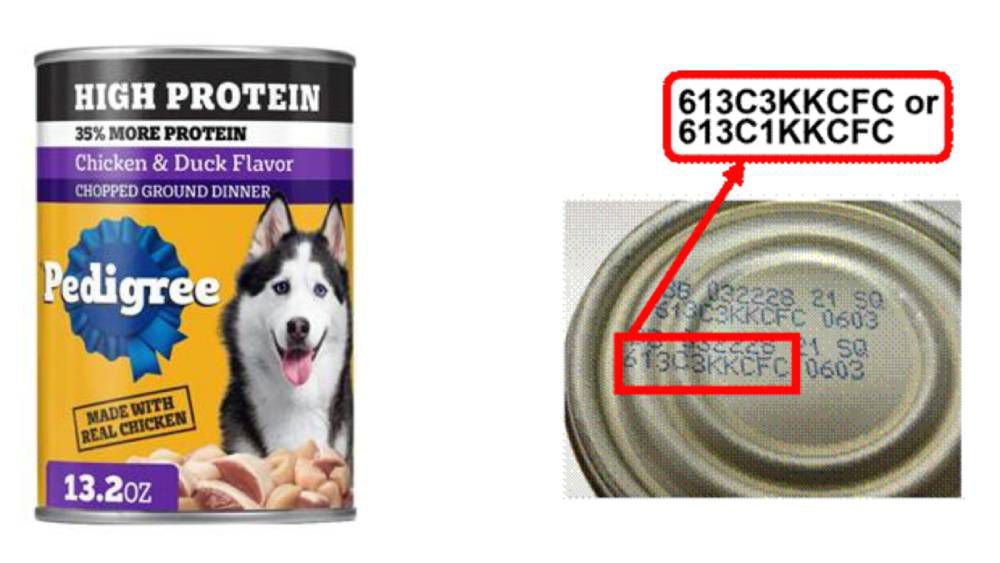
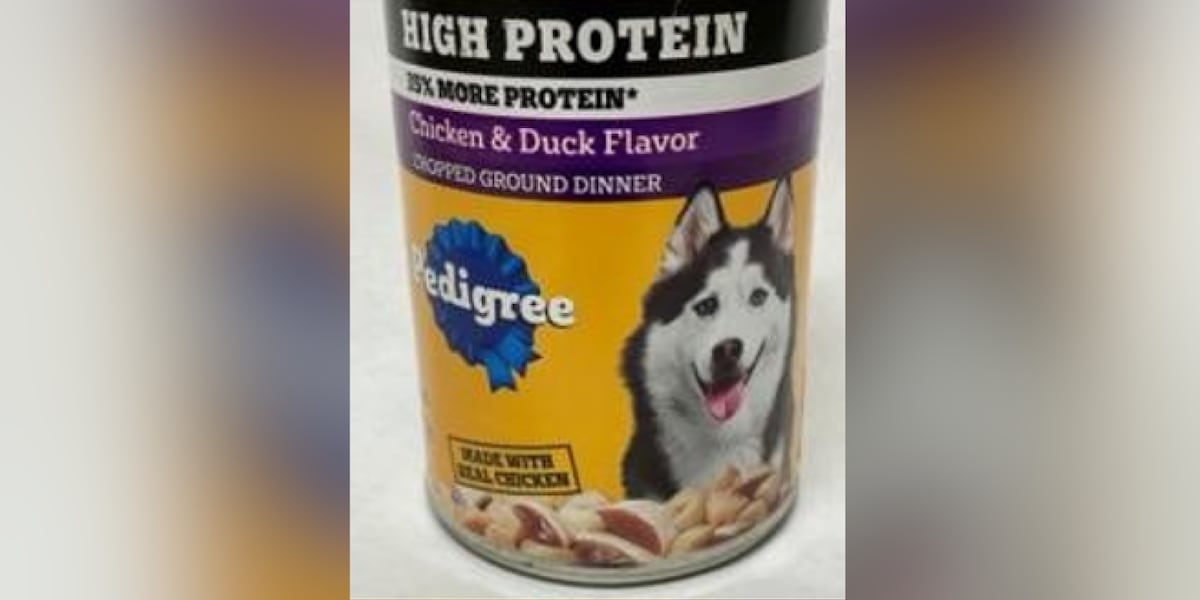
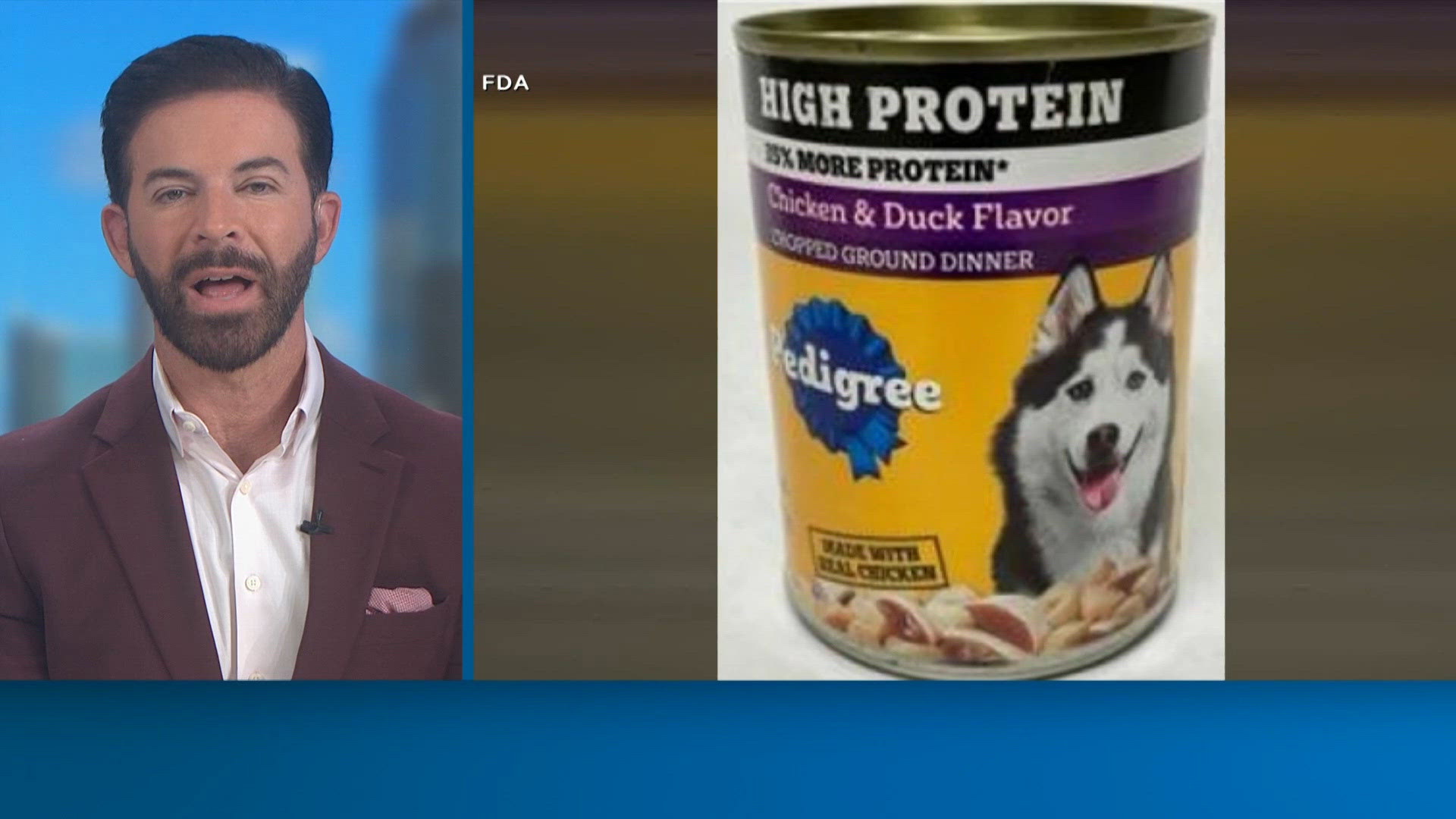
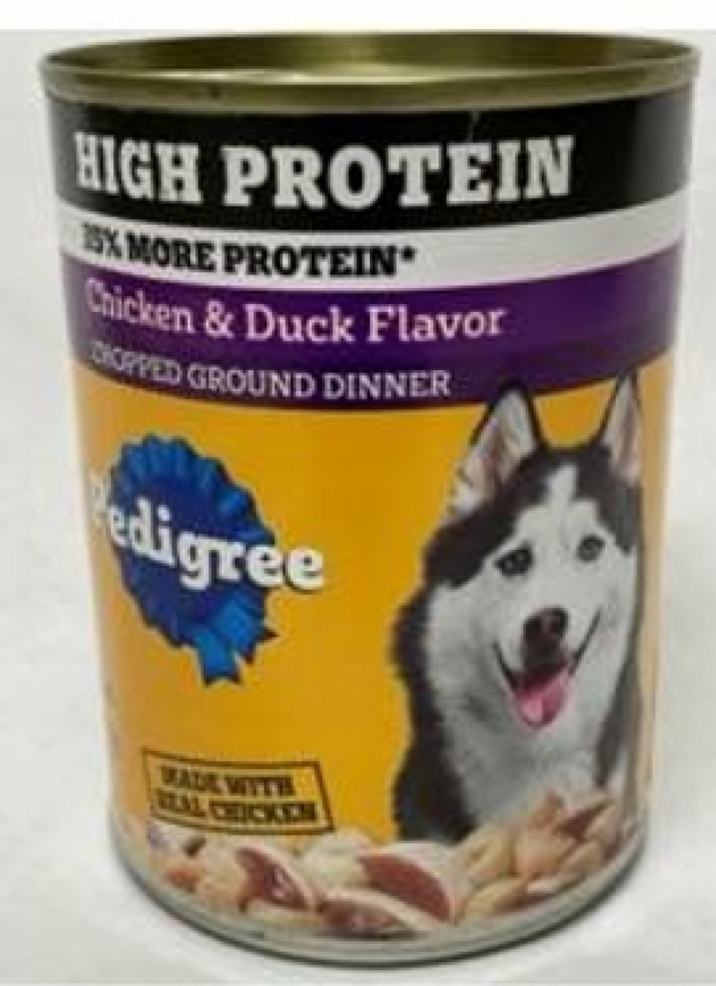
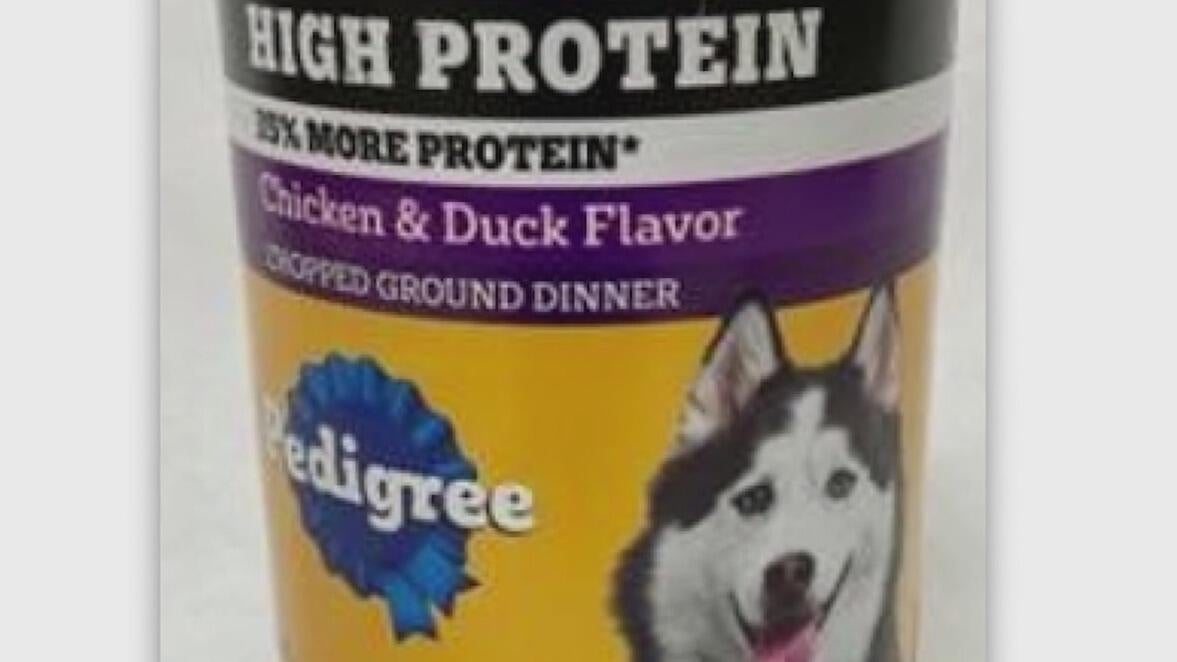
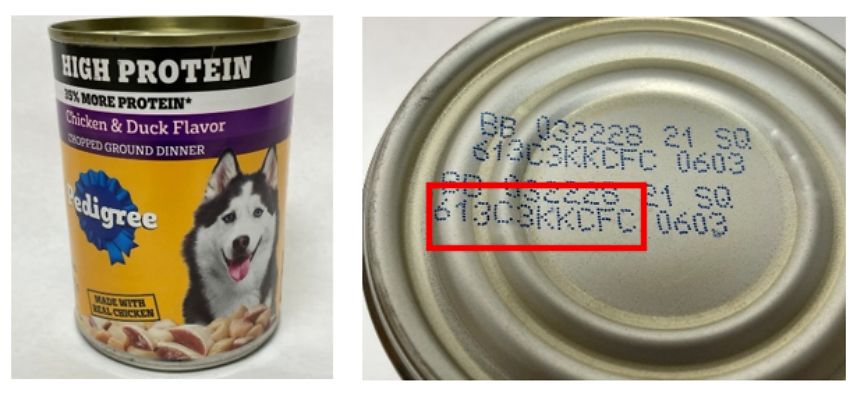
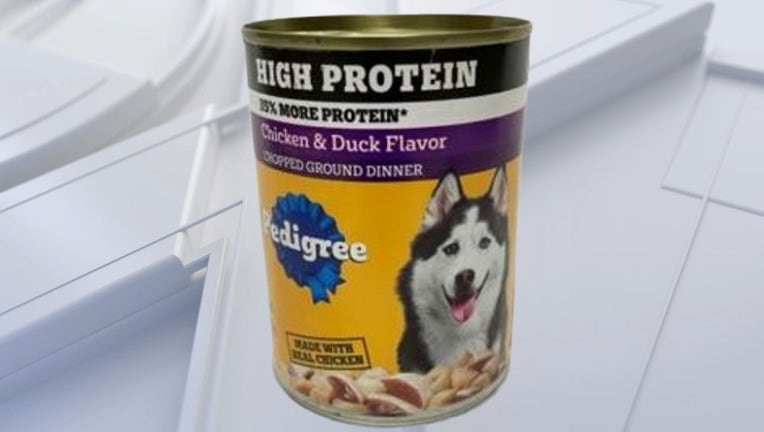
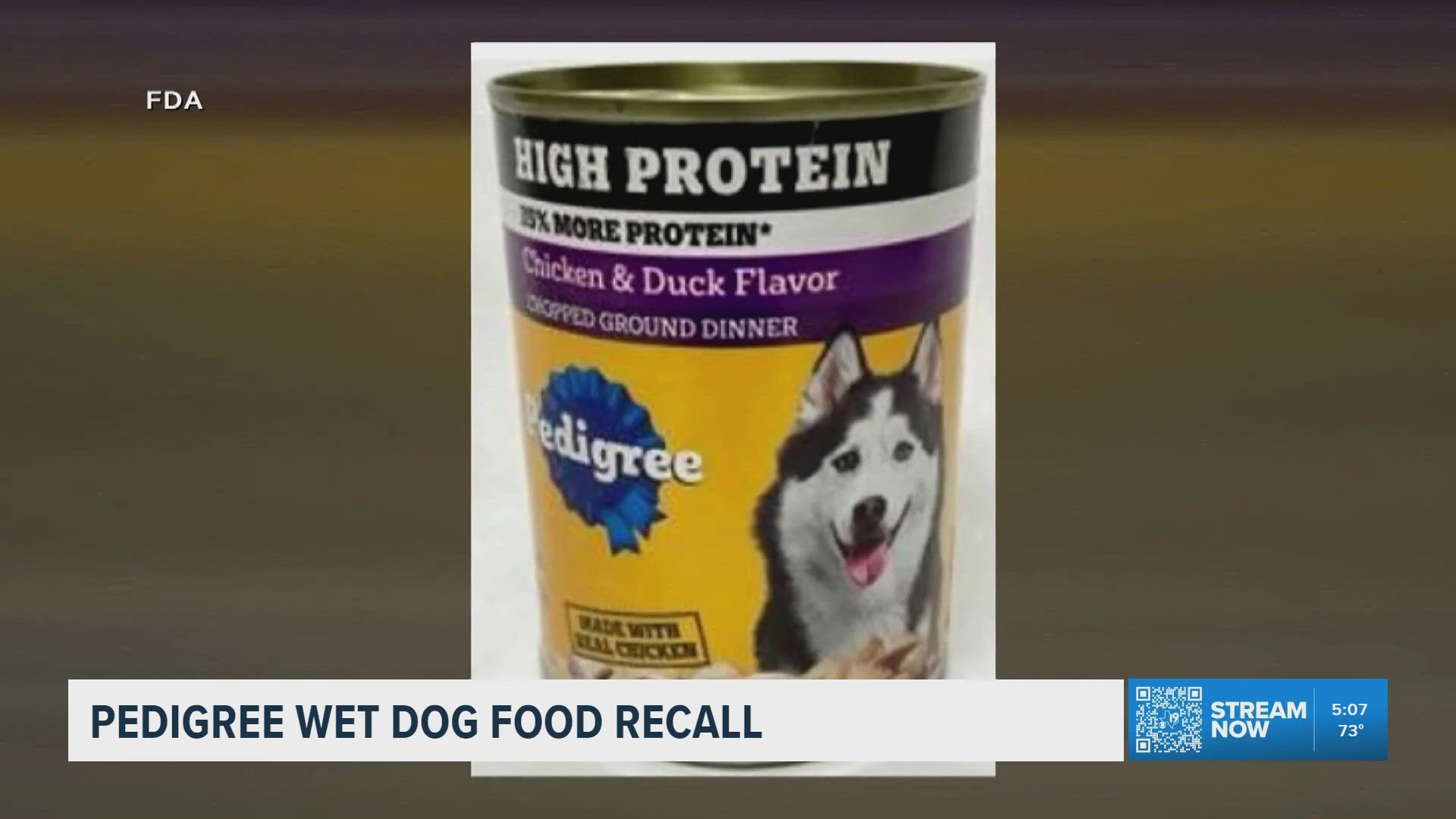
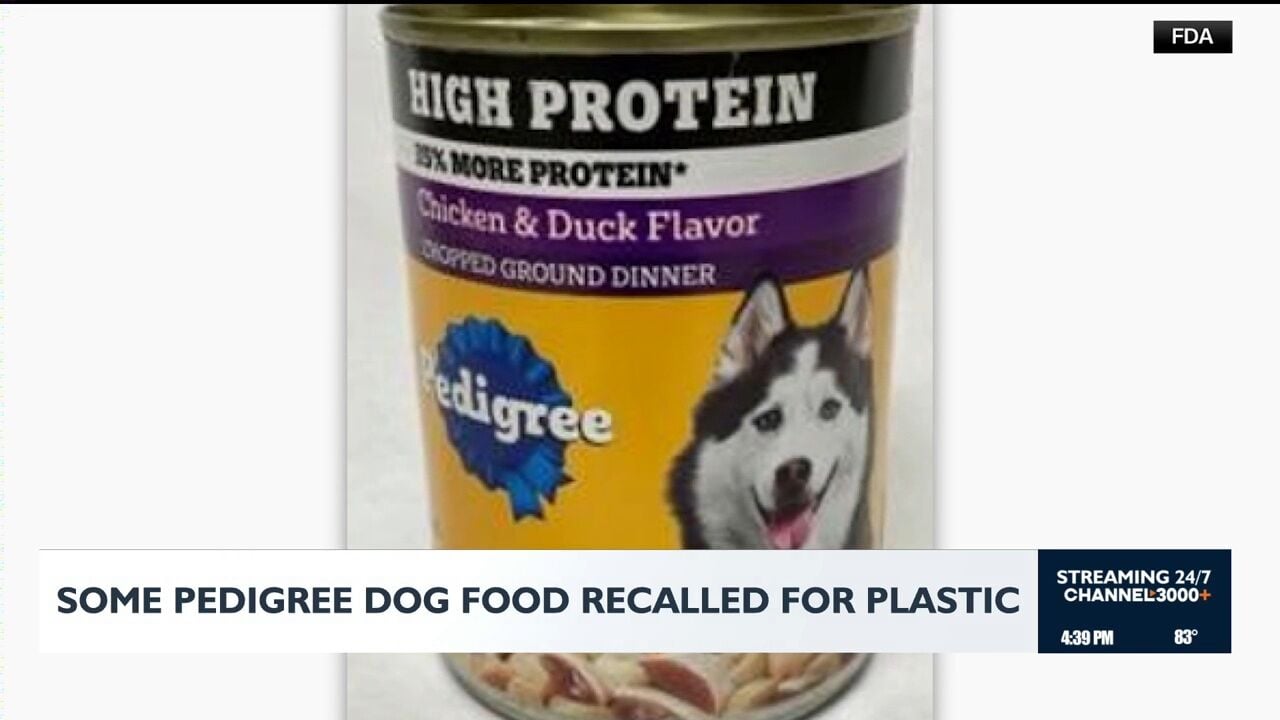
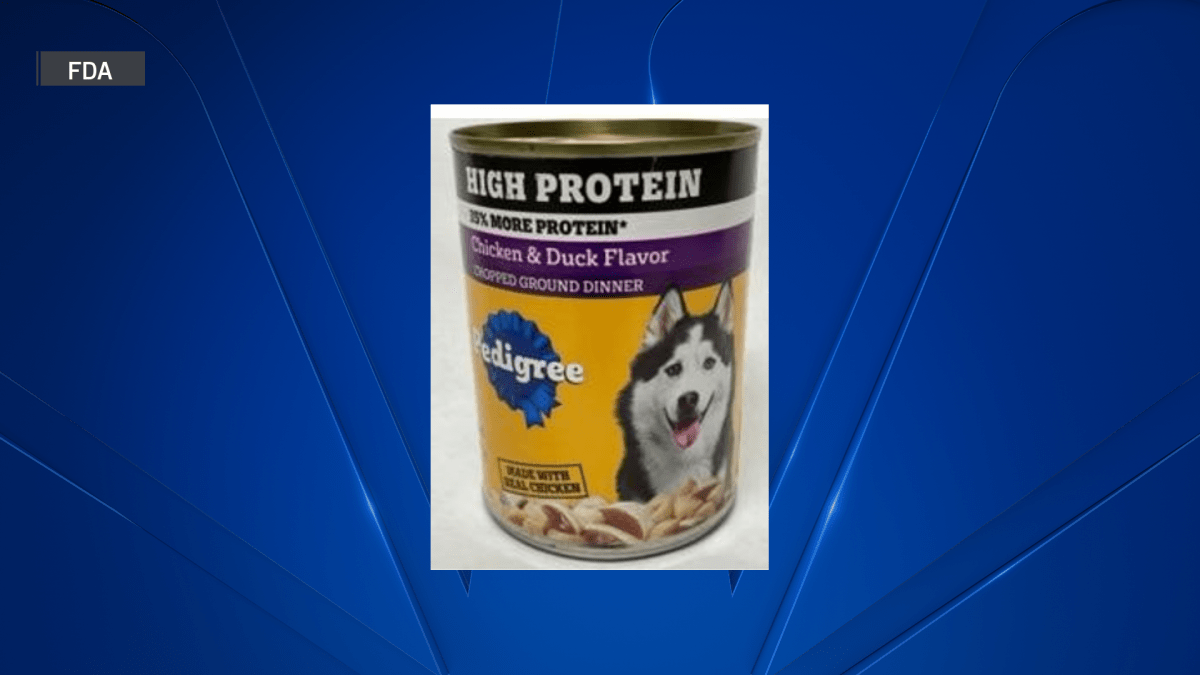
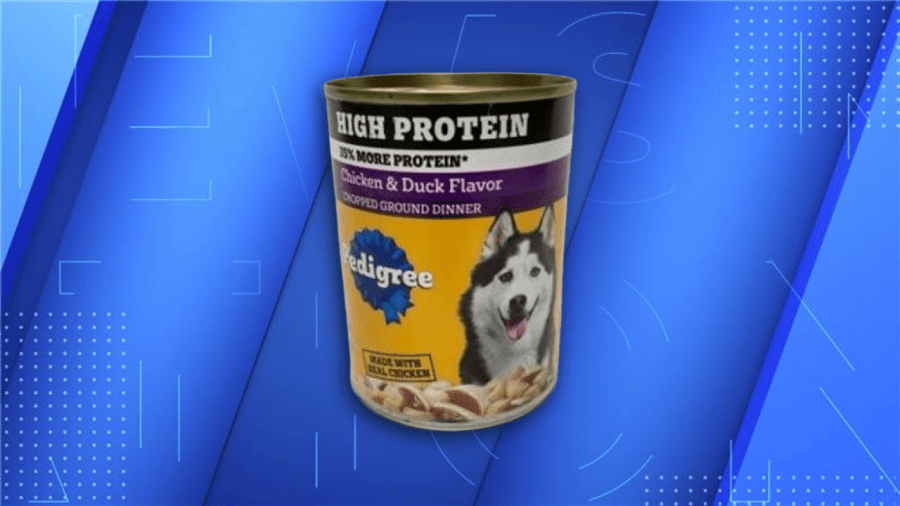
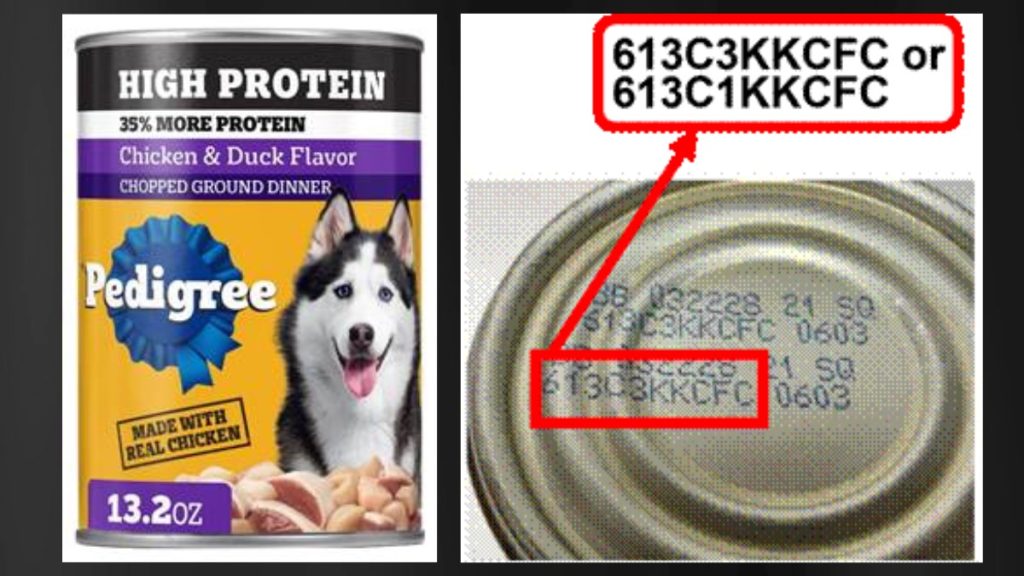
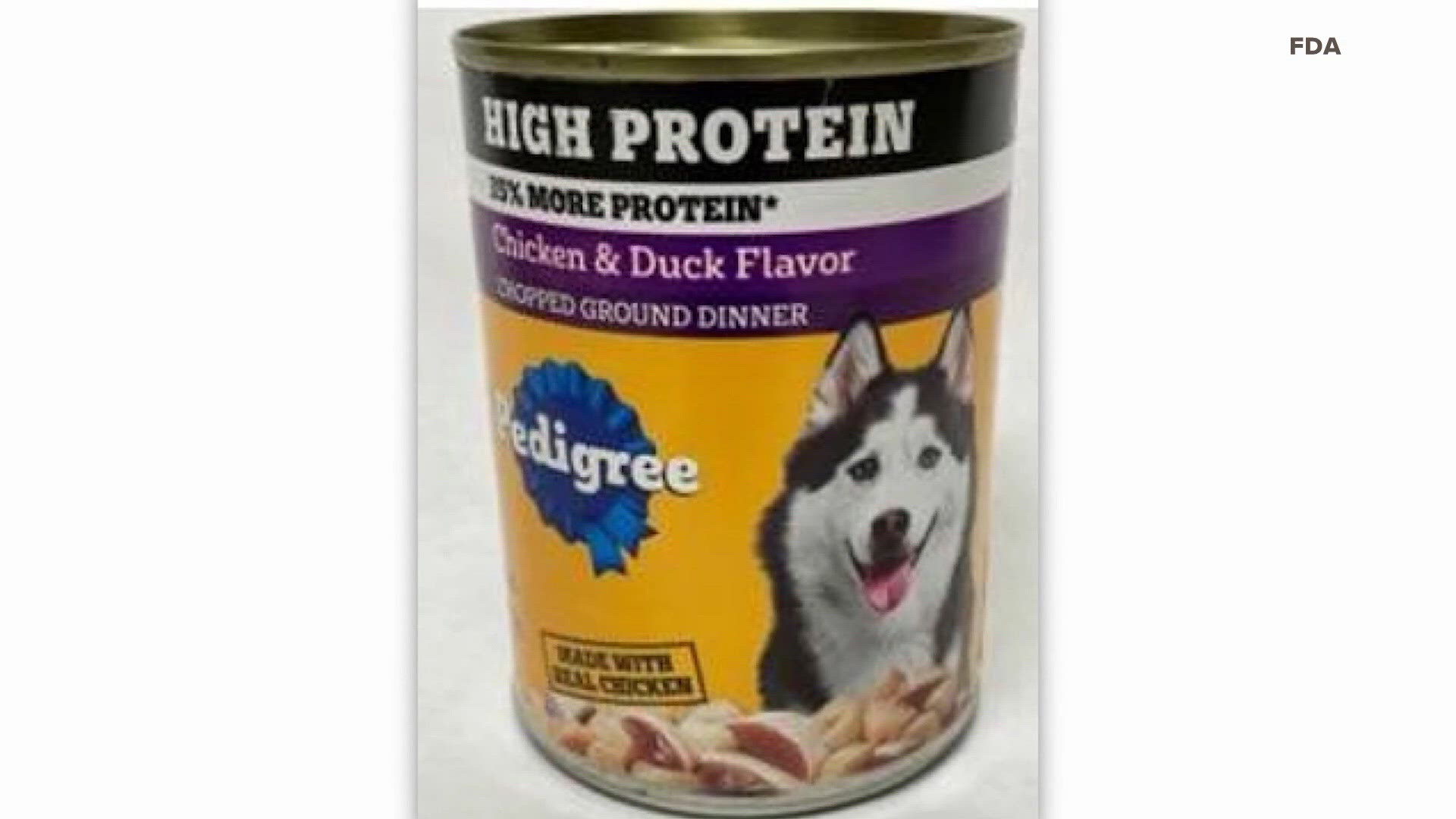
The FDA's July 2, 2026 voluntary recall of Pedigree 13.2oz High Protein Chopped Chicken & Duck canned dog food (lot codes 613C3KKCFC and 613C1KKCFC) represents a critical compliance inflection point for pet food sellers on Amazon, Walmart Marketplace, and eBay. The contamination with sharp metal and plastic fragments—combined with the unprecedented revelation that flagged products were fraudulently diverted into U.S. distribution channels—signals that regulatory enforcement is shifting from manufacturer accountability to supply chain transparency requirements. This creates a compliance moat: sellers who implement rapid lot-code verification systems and supply chain documentation will capture market share from non-compliant competitors facing delisting or suspension.
For cross-border pet food sellers, the immediate compliance requirement is lot-code tracking and traceability documentation. Amazon Seller Central now requires sellers to maintain FDA-compliant product safety records; sellers distributing Pedigree or competing brands must verify sourcing from authorized distributors and maintain batch documentation. The fraudulent diversion case demonstrates that even major manufacturers' products can enter gray-market channels—a risk that platforms are now penalizing through account suspension. Sellers importing pet food from Asia or Europe face heightened scrutiny: they must obtain certificates of authenticity from distributors and maintain chain-of-custody documentation. Estimated compliance cost: $500-2,000 per SKU for documentation systems; timeline: 14-30 days to implement. Non-compliant sellers face 30-90 day account suspension and potential liability exposure if contaminated products reach customers.
The fastest compliance path is partnering with FDA-registered 3PL providers or distributors. Rather than managing lot-code verification independently, sellers can shift fulfillment to 3PLs with existing FDA compliance infrastructure (cost: $0.50-1.50 per unit for pet food category). This approach eliminates documentation burden and provides liability protection. Alternatively, sellers can pivot to premium, domestically-sourced pet food brands (Taste of the Wild, Orijen, Acana) that command 15-25% higher margins and face lower recall risk due to stricter quality control. The recall also creates opportunity in pet food alternatives: freeze-dried raw, fresh-delivery, and subscription models (Nom Nom, The Farmer's Dog) are growing 40-60% annually and face minimal foreign material contamination risk. Sellers with existing pet supplies inventory should audit lot codes against FDA recall database within 48 hours; those holding affected inventory must initiate returns to distributors immediately to avoid platform penalties and customer liability claims.
Regulatory enforcement intensity is accelerating. The FDA's investigation into fraudulent diversion signals that supply chain integrity is now a primary enforcement focus—not just product safety. This means sellers face new compliance costs: mandatory supplier verification (5-10 hours per supplier), quarterly audit documentation, and real-time lot-code tracking systems. Markets with stricter enforcement (EU, Canada) are already requiring these systems; U.S. sellers have 6-12 months before similar requirements become standard. Early adopters will gain competitive advantage through platform trust signals and reduced suspension risk. Sellers should expect platform-mandated compliance tools (Amazon's Transparency Program for pet food is expanding) within Q4 2026, creating $200-500 annual costs but eliminating competitors who cannot afford compliance infrastructure.
Questions 7
What timeline should I follow to ensure compliance before platform enforcement escalates?
Immediate actions (0-7 days): Audit inventory against FDA recall database, remove affected lots from all platforms, contact distributor for return authorization. Short-term (1-4 weeks): Obtain distributor authorization letters and certificates of authenticity, implement lot-code tracking system, update product listings with batch documentation. Medium-term (1-3 months): Migrate to 3PL partner with FDA compliance infrastructure or implement Amazon Transparency Program, conduct supplier audits, obtain pet product liability insurance. Long-term (3-6 months): Evaluate pivot to premium brands or alternative categories if recall risk remains high, establish quarterly compliance audit schedule. Platforms are expected to mandate enhanced compliance documentation by Q4 2026, so sellers who implement systems now will avoid rushed compliance costs and account suspension. Non-compliant sellers face 30-90 day suspension risk starting Q3 2026.
How does the fraudulent diversion of flagged products change my supplier verification process?
The Pedigree recall revealed that products flagged for disposal were fraudulently diverted into distribution channels—meaning even authorized distributors may unknowingly sell contaminated inventory. This requires sellers to implement enhanced supplier verification: (1) Request distributor certifications confirming they purchase directly from manufacturers, not secondary wholesalers; (2) Verify distributor FDA registration at fda.gov/drugs/guidance-compliance-regulatory-information; (3) Request batch-level documentation showing product origin and testing dates; (4) Conduct quarterly audits of distributor compliance. If your distributor cannot provide these documents, they may be sourcing from gray-market channels. Switch suppliers immediately. The FDA is now investigating supply chain diversion as a primary enforcement focus, meaning non-compliant sellers face higher suspension risk. Budget 5-10 hours quarterly for supplier audits and maintain documentation for 2+ years in case of platform audits or customer claims.