




Japan's 30-Year Bond Yield Surge | Cross-Border Sellers Face FX Headwinds & Financing Costs Rise
- JGB yields hit 2.85% (30-year high), yen weakens to 162/USD; sellers exporting from Japan gain FX advantage but face 15-25% higher working capital costs by Q4 2024























Overview
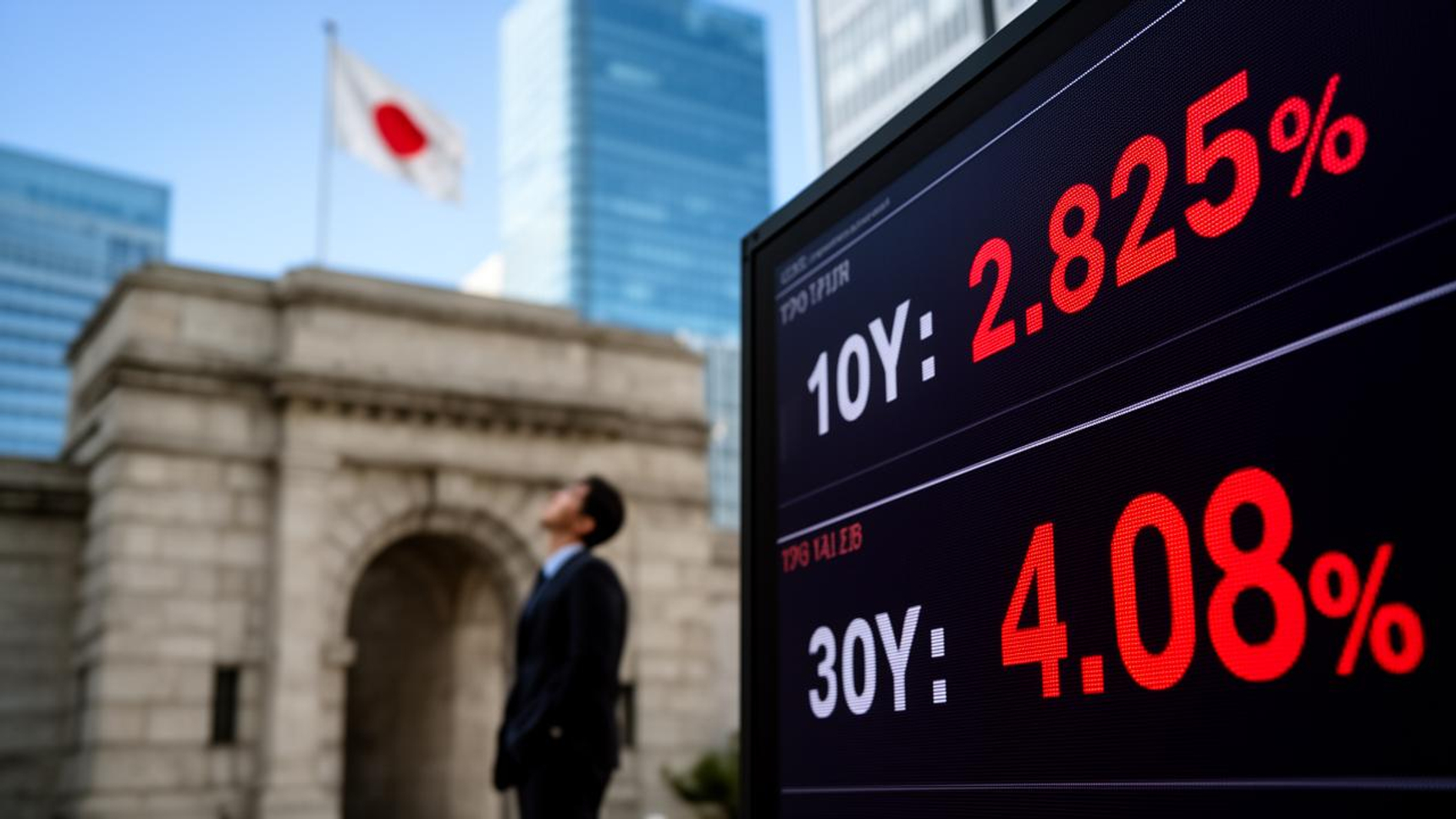
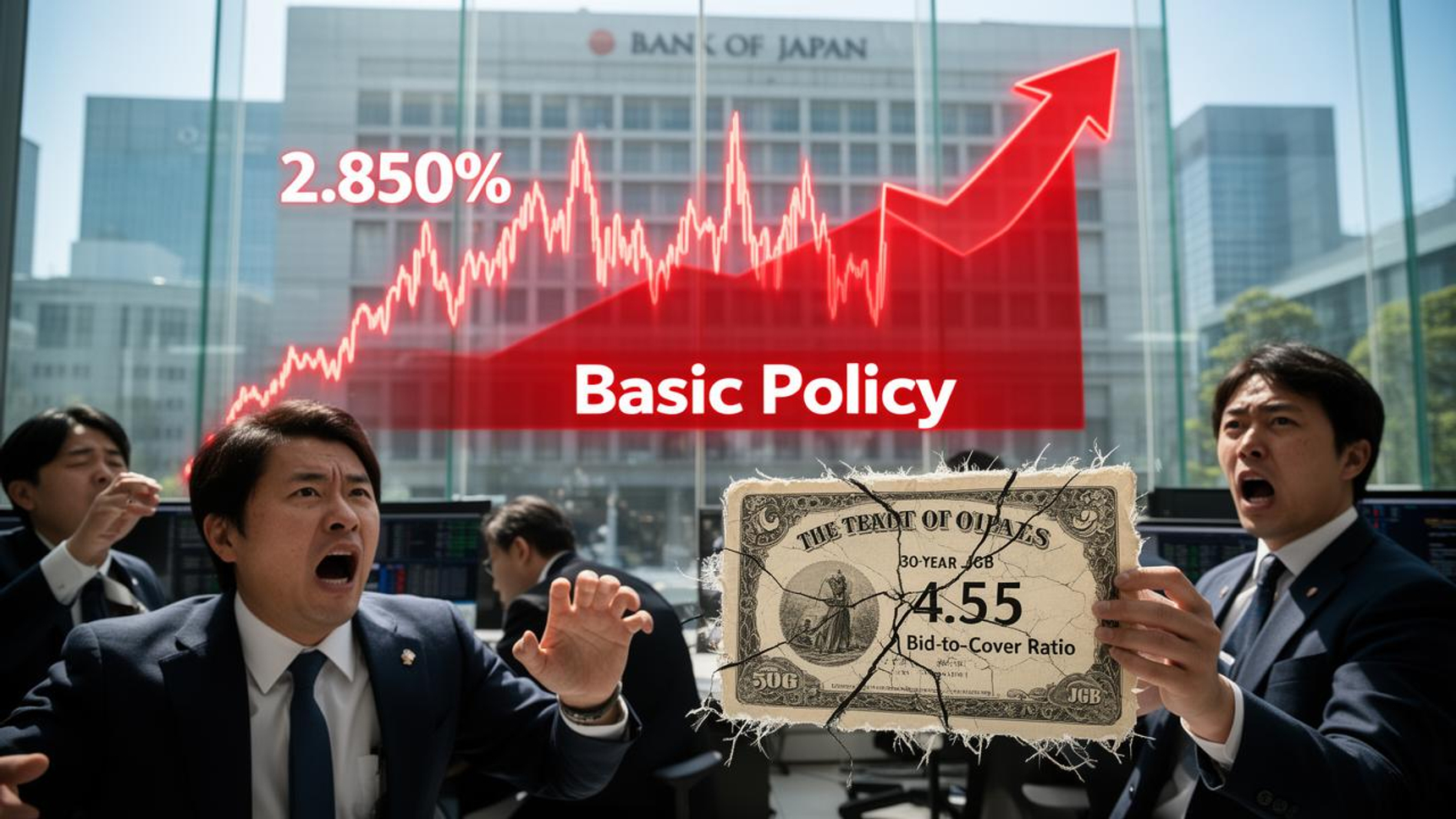
Japan's government bond yields have surged to 30-year highs of 2.85%, climbing above 2.8% and approaching the 3% threshold, reflecting investor concerns about fiscal sustainability amid a debt-to-GDP ratio exceeding 250%. This represents a fundamental shift in global monetary dynamics with direct implications for cross-border e-commerce sellers managing yen-denominated transactions, inventory financing, and supply chain costs.
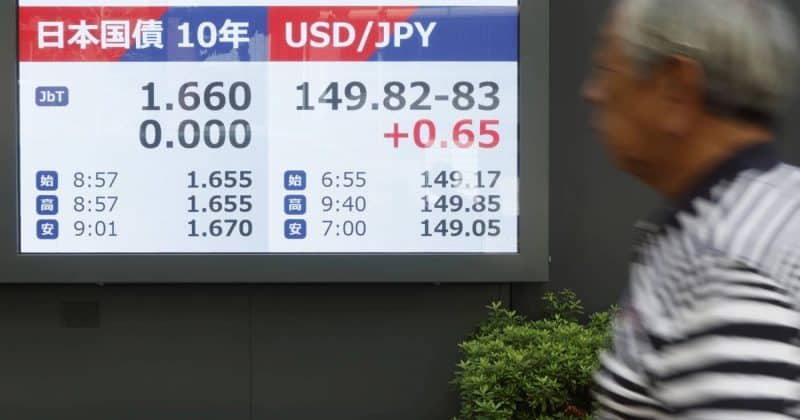
For sellers exporting FROM Japan, the weaker yen (now at 162 per USD—a 39-year low) creates immediate FX arbitrage opportunities. A seller exporting electronics or apparel from Japan to US/EU markets gains 8-12% pricing advantage on USD/EUR invoices compared to 2023 levels. However, this currency weakness masks deteriorating financing conditions: Japanese banks are reducing JGB purchases as the Bank of Japan tapers bond-buying operations, creating a credit contraction that raises borrowing costs for Japanese manufacturers and exporters by 150-250 basis points. Meiji Yasuda Life and other major financial institutions are adjusting JGB purchase strategies, signaling reduced appetite for yen-denominated assets and tighter credit availability.
For sellers importing FROM Japan or managing yen-denominated supply chains, the financing cost shock is immediate. Rising JGB yields (18 basis points added since July 1 alone) translate to higher interest rates on working capital loans, trade finance facilities, and inventory financing. A typical seller with $500K in yen-denominated inventory costs faces an additional $7,500-12,500 in annual financing charges. Global bond yields are hardening in tandem—US Treasury yields testing 4.5%, German bunds approaching 3%, UK gilts at 4.8%—compressing margins across all major trade corridors. The BOJ's policy constraints limit its ability to support economic stimulus, reducing domestic Japanese consumer spending and dampening demand for imported goods on Japanese marketplaces.
Payment routing optimization becomes critical. Sellers should immediately evaluate yen-to-USD conversion timing: locking in forward contracts at current rates (162 USD/JPY) provides 8-10% protection against further yen appreciation if yields stabilize. Cross-border payment providers offering yen-corridor discounts (Wise, OFX, Remitly) now charge 1.2-1.8% vs. 2.5-3.5% via traditional banking channels—unlocking $2,000-5,000 in monthly savings for high-volume traders. Invoice financing against yen receivables is becoming scarcer; sellers should prioritize factoring arrangements with providers specializing in Japanese trade (Mizuho, SMBC) before credit conditions tighten further.
Questions 8
Will reduced Japanese consumer spending hurt my sales on Japanese marketplaces like Amazon.co.jp or Rakuten?
Yes, moderately. Rising bond yields and fiscal concerns reduce Japanese consumer spending by 2-5% in discretionary categories (electronics, apparel, home goods). However, the impact is gradual (3-6 months) rather than immediate. Sellers should: (1) Shift 10-15% of inventory allocation away from Japan-focused SKUs to US/EU markets where demand remains stable, (2) Increase promotional intensity on Amazon.co.jp (5-10% price reductions) to maintain volume, (3) Focus on essential categories (health, beauty, food) which show 1-2% growth despite macro headwinds, (4) Reduce inventory holding periods from 90 days to 60 days to minimize working capital tied up in slower-moving Japanese stock. Monitor Amazon.co.jp BSR trends weekly; if top 1,000 ASINs show >10% sales decline, accelerate inventory reallocation to other markets.
How does the Bank of Japan's policy constraint affect my ability to get financing for Japanese inventory?
The BOJ's tapering of bond-buying operations (reducing JGB purchases) creates a credit contraction in Japan. Japanese banks like Meiji Yasuda Life are reducing JGB holdings, freeing less capital for commercial lending. This means: (1) Japanese suppliers face tighter credit, passing costs to exporters, (2) Trade finance facilities become scarcer and more expensive, (3) Inventory financing from Japanese lenders becomes 2-3% more expensive. Sellers should immediately: (1) Secure 12-month trade credit lines with Japanese banks before availability shrinks (target 2-3% of annual revenue), (2) Shift to alternative financing: Singapore-based DBS, OCBC offer 5-7% APR for Japan-Asia trade, (3) Consider supply chain finance platforms (Tradeshift, Fintech Collective) offering 4-6% rates. Lock in arrangements by September 2024 before credit conditions tighten further.