


Google Pixel 11 Launch August 12 | $100 Price Hike Signals Smartphone Market Shift for Sellers
- €100-200 price increases across Pixel 11 lineup; 256GB base storage drives margin compression; AI-driven component shortages reshape smartphone accessories and refurbished device markets
























Overview
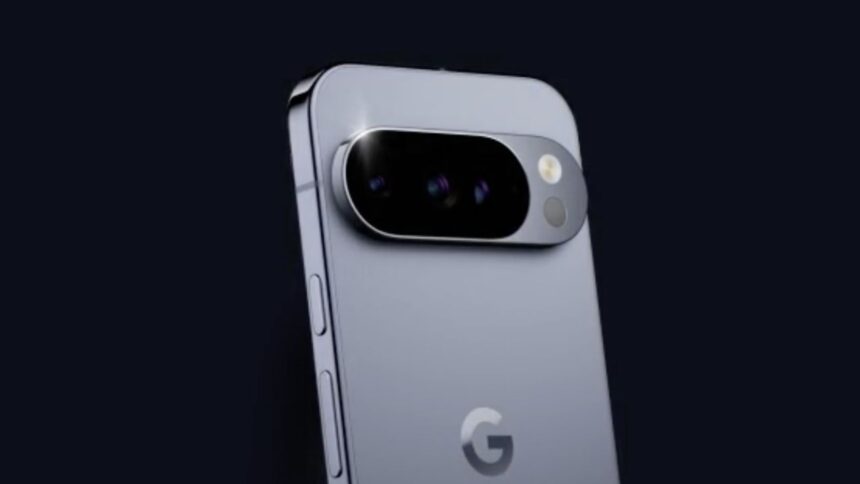
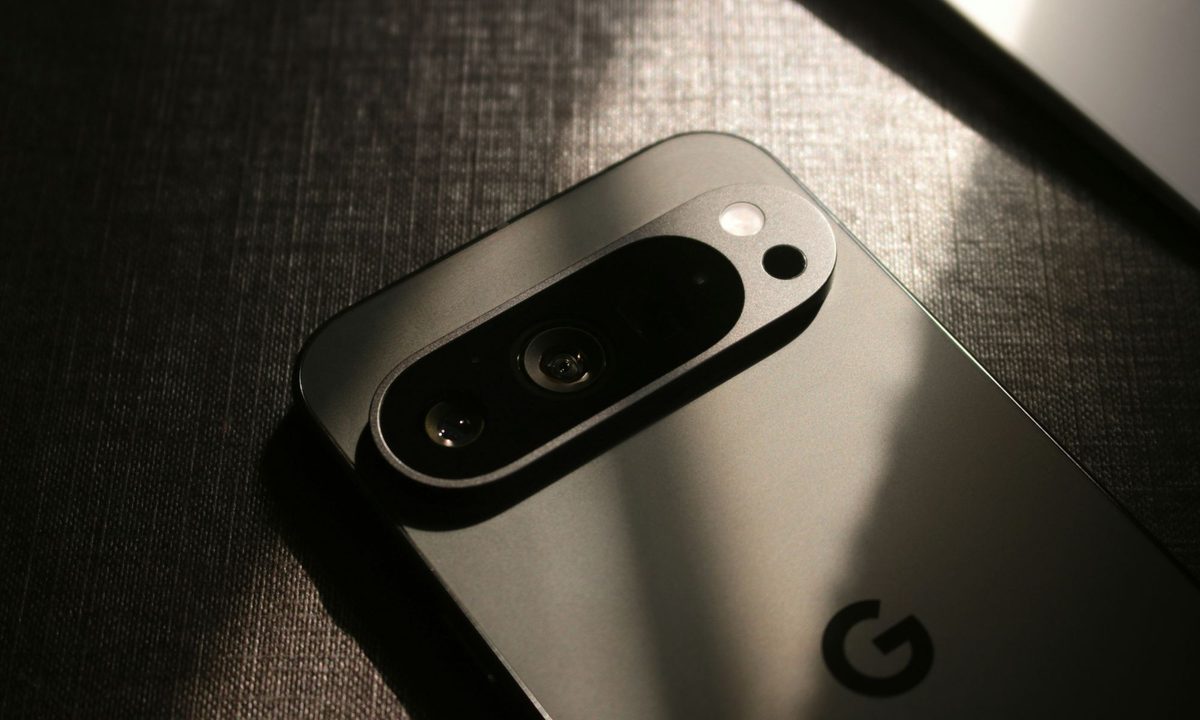
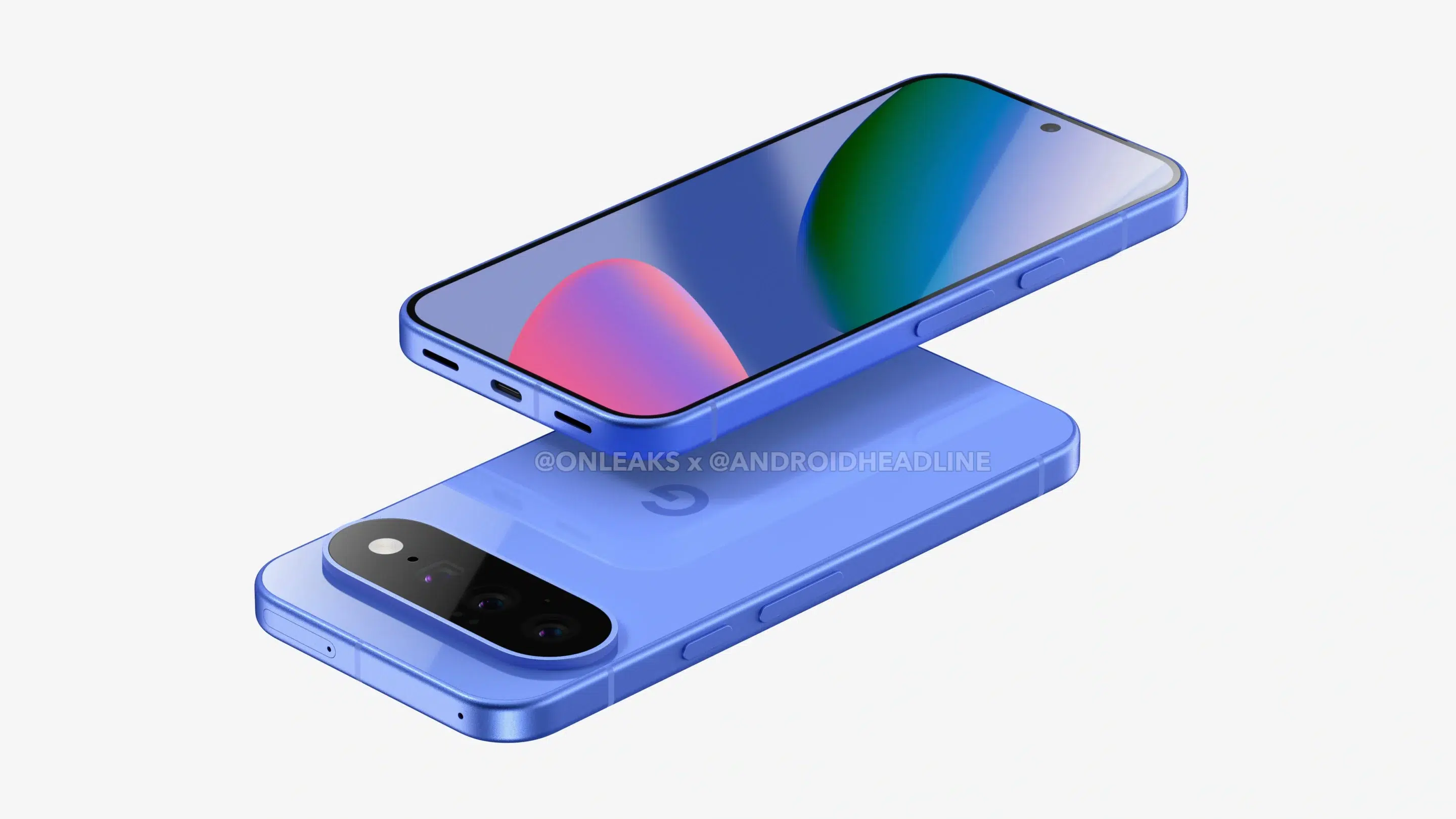
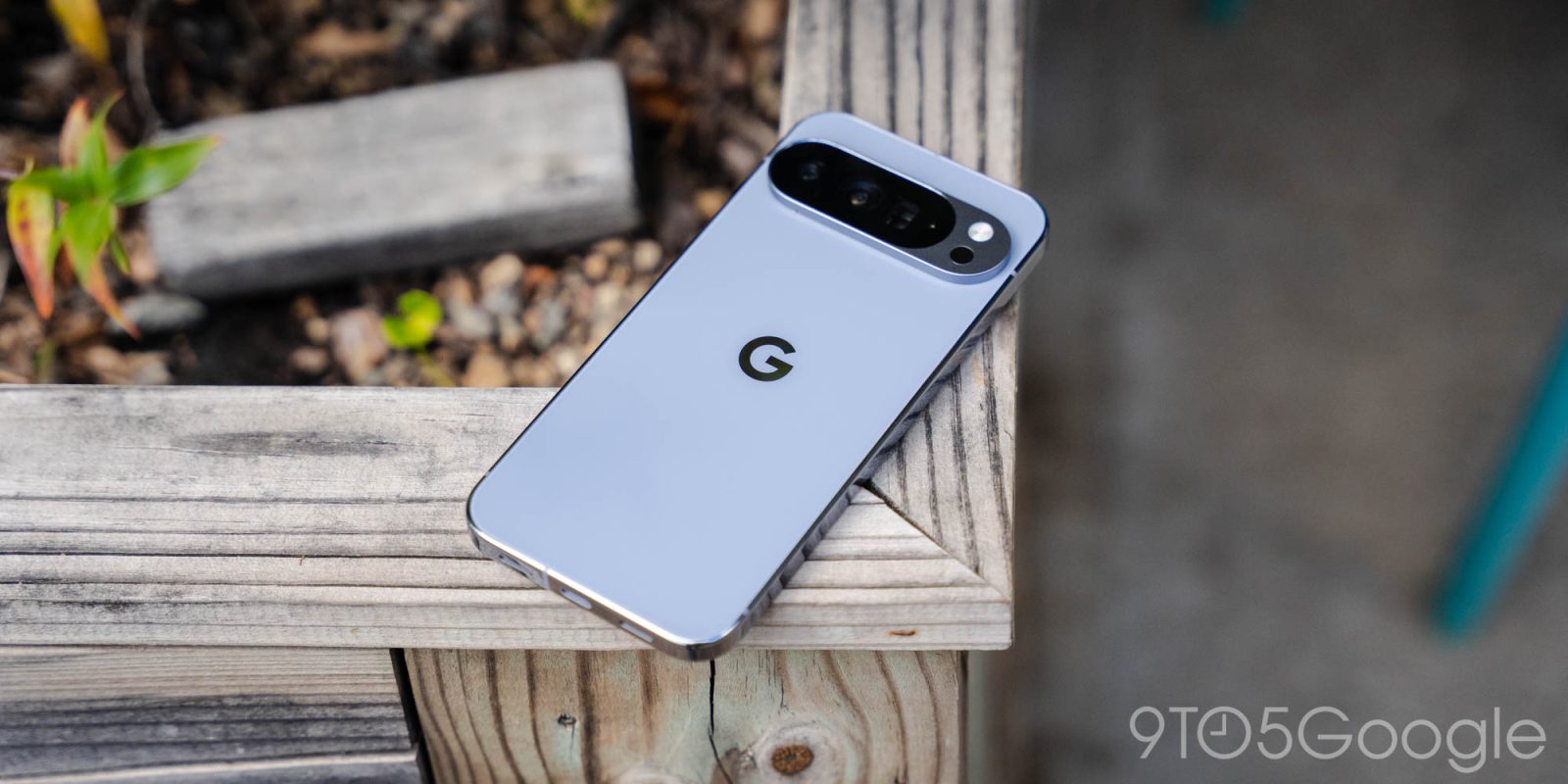
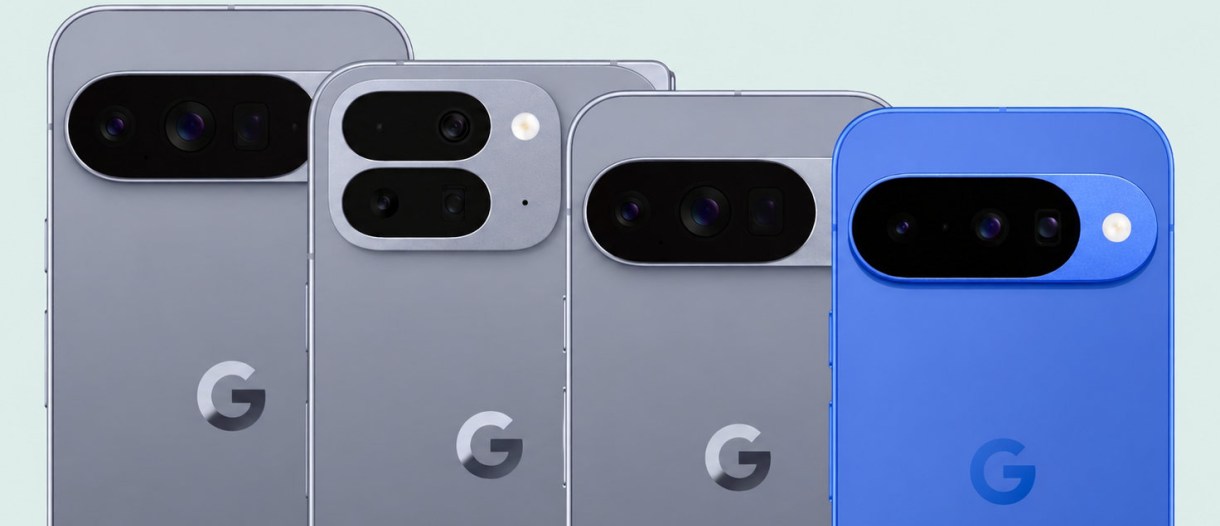
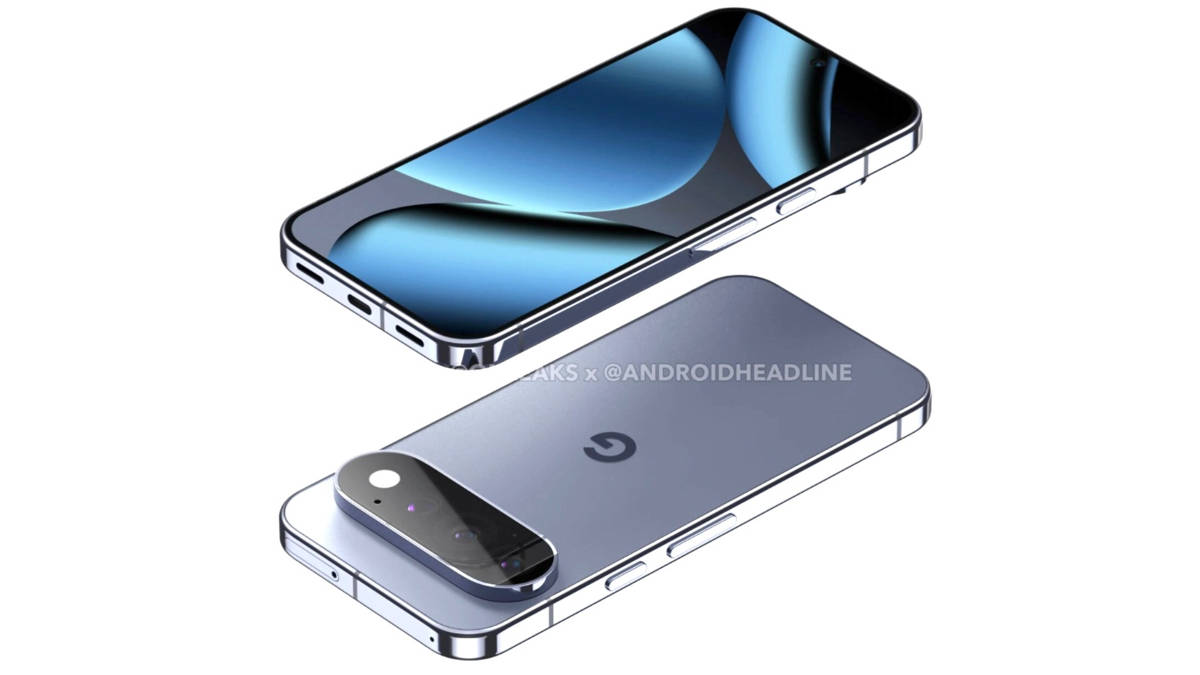
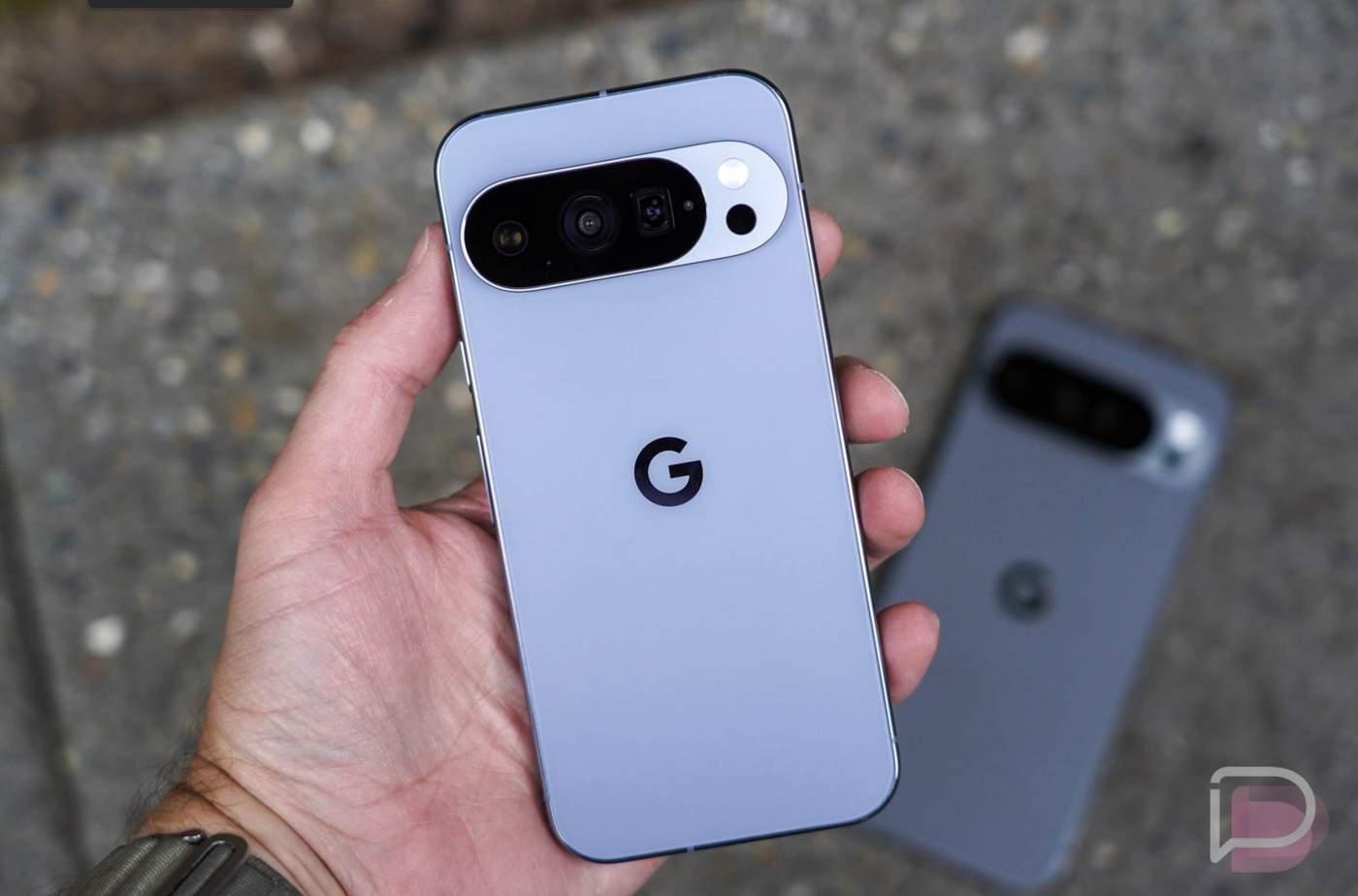
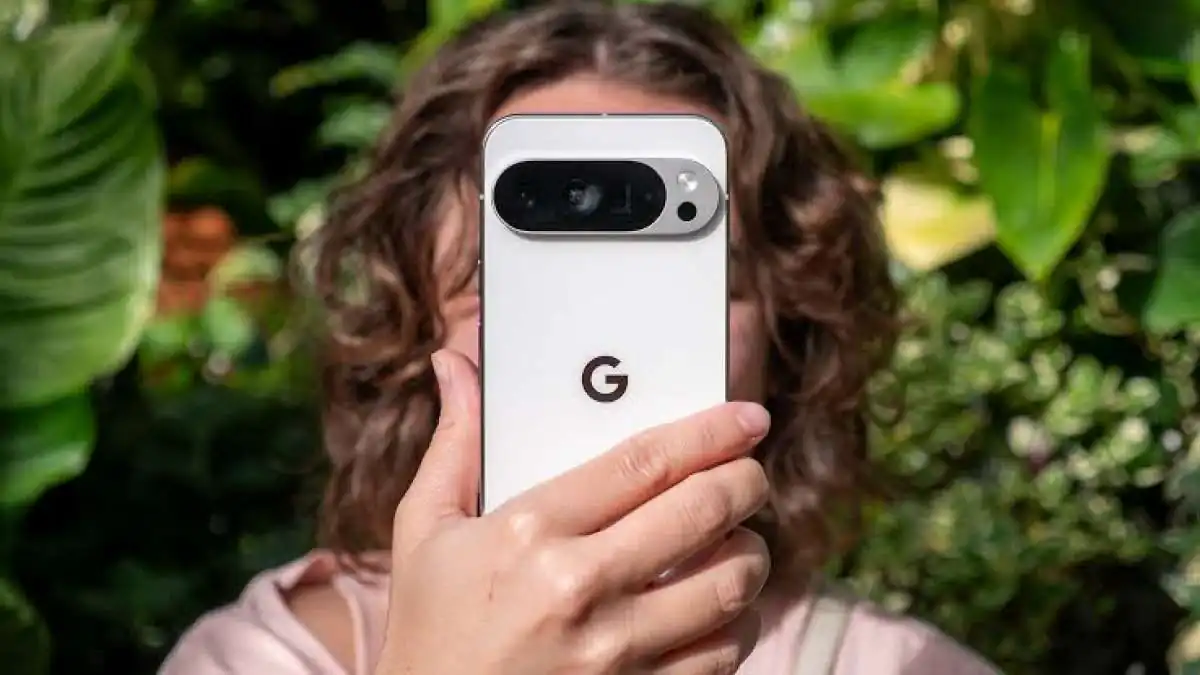
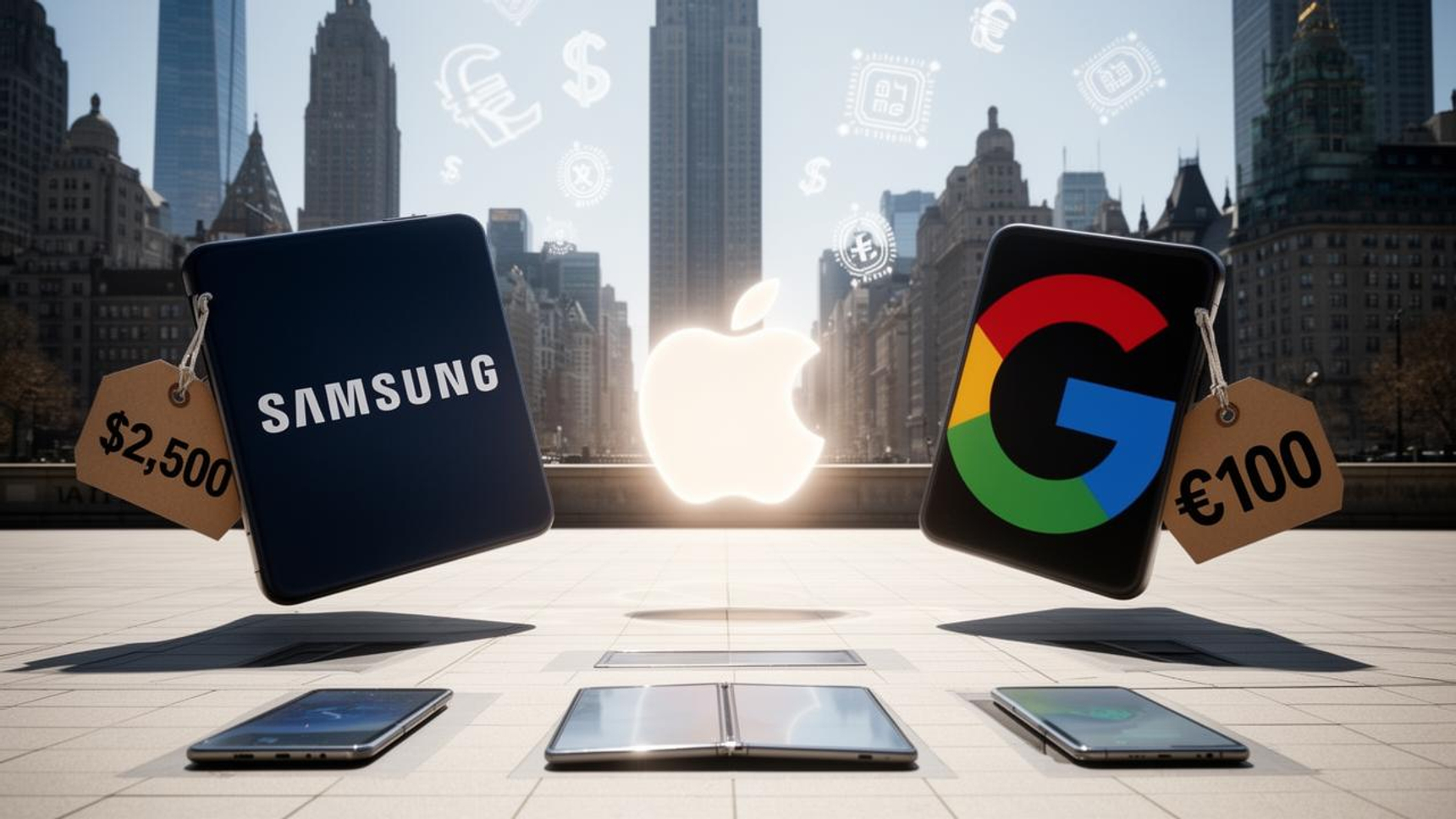
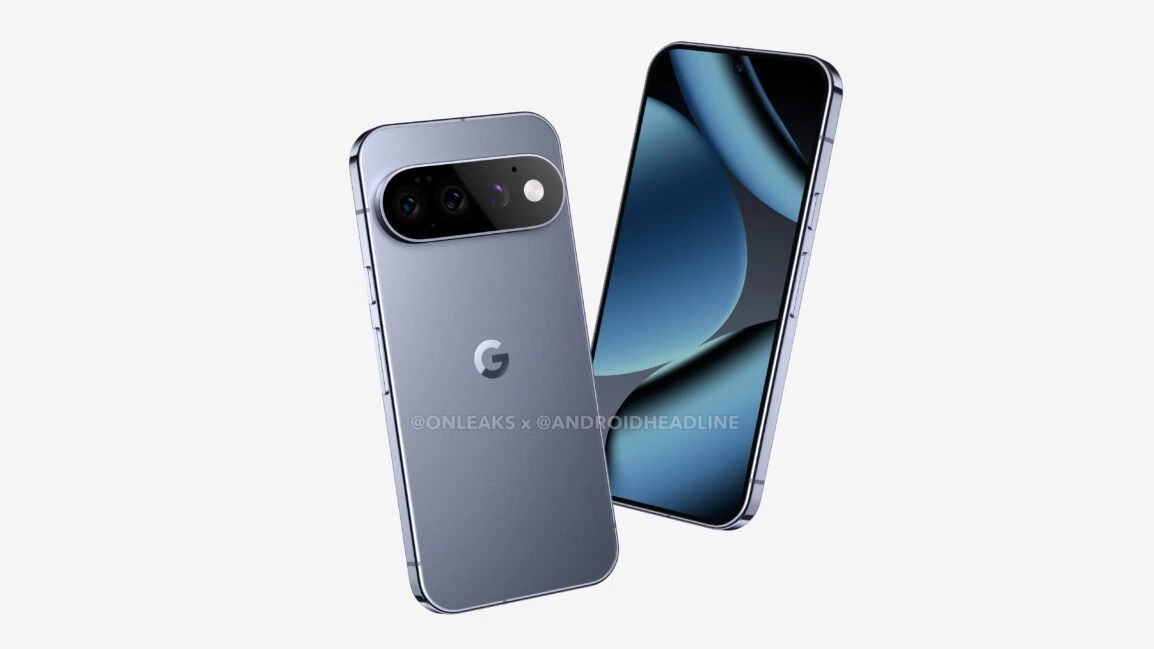
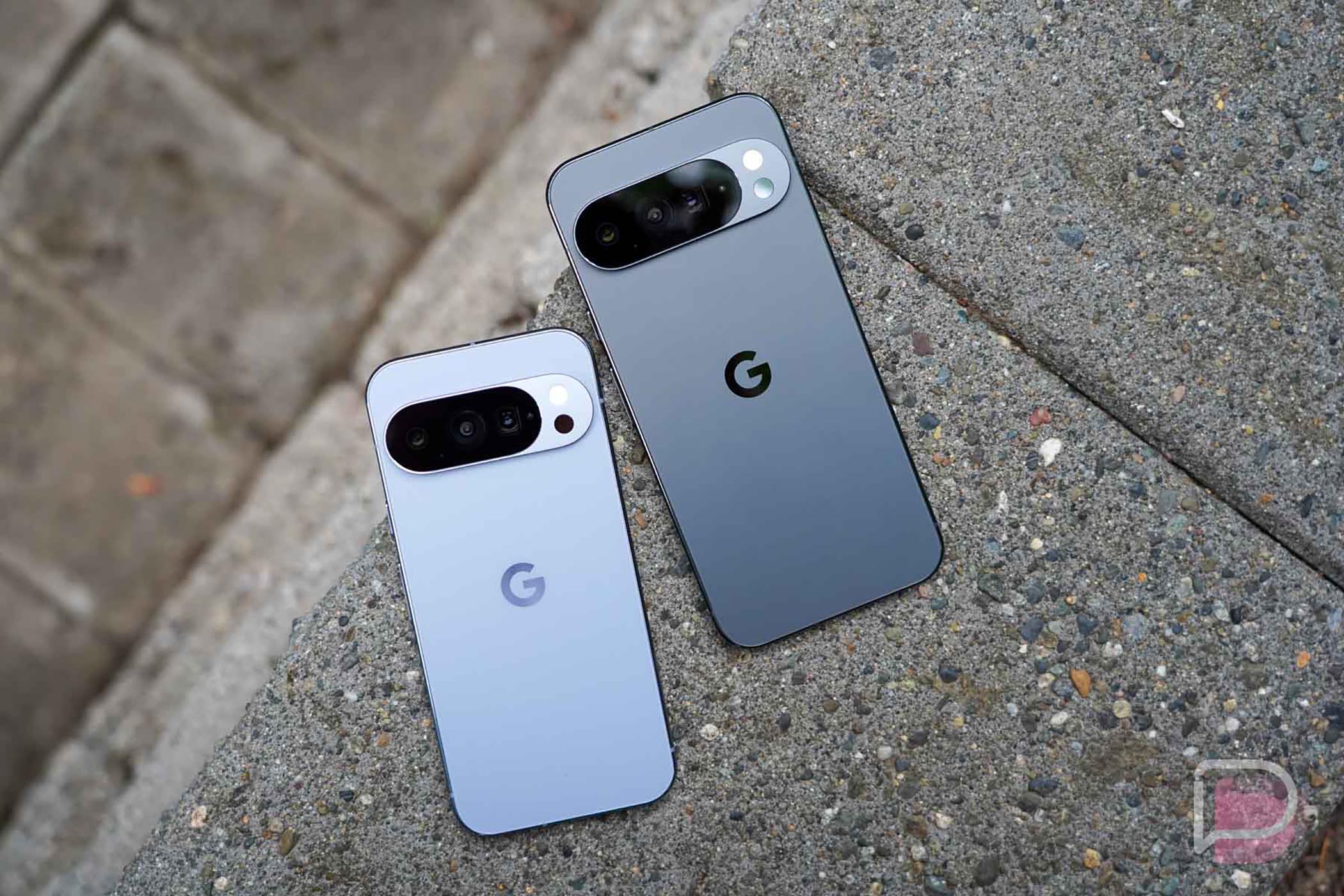
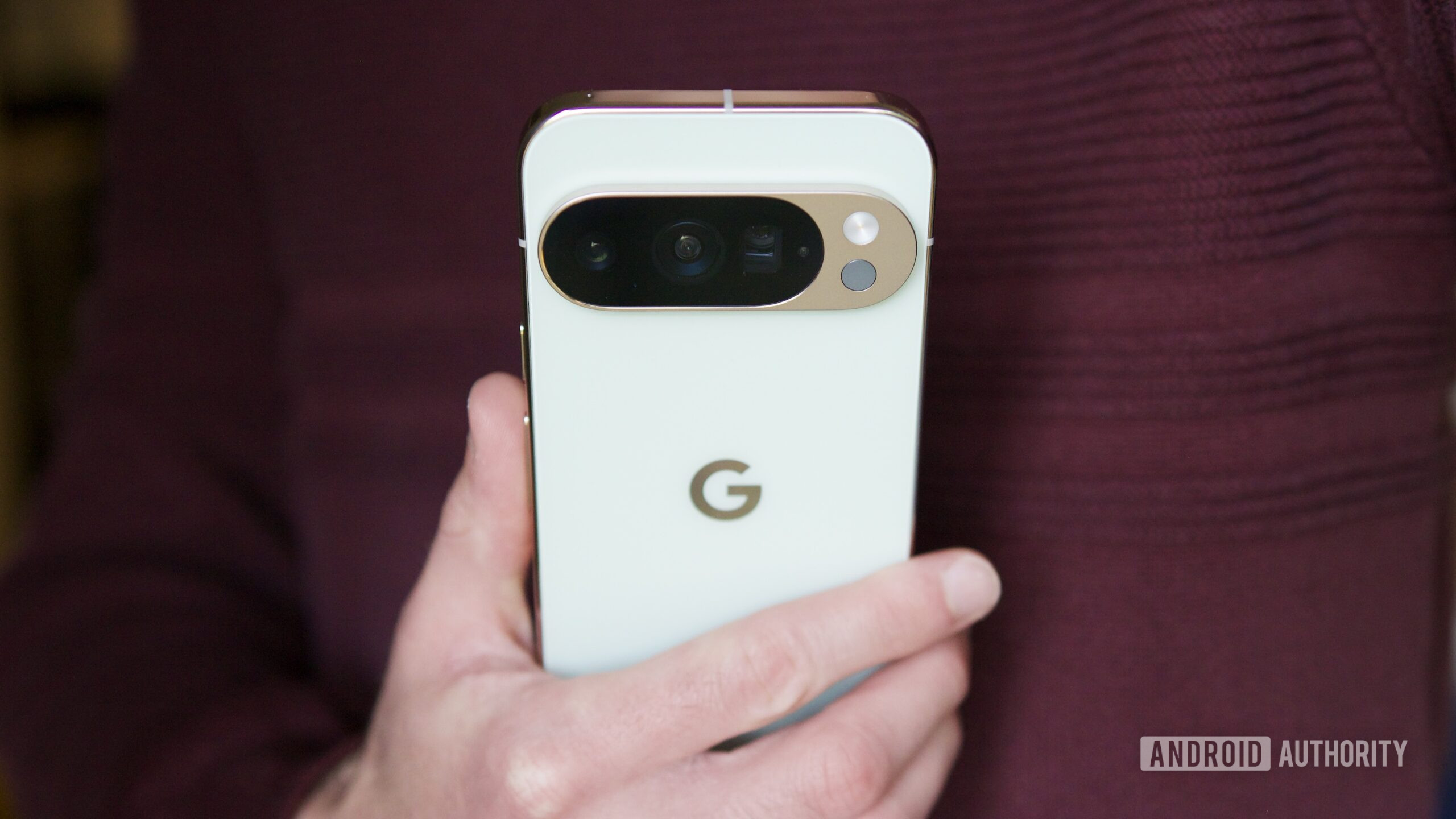
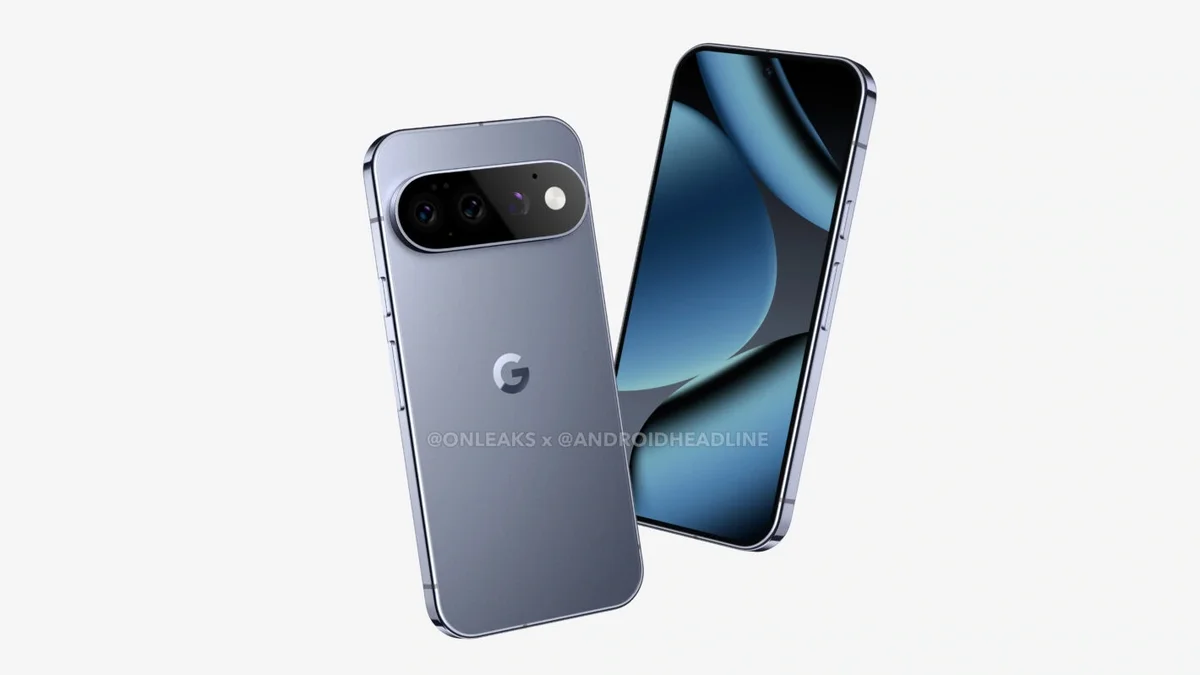
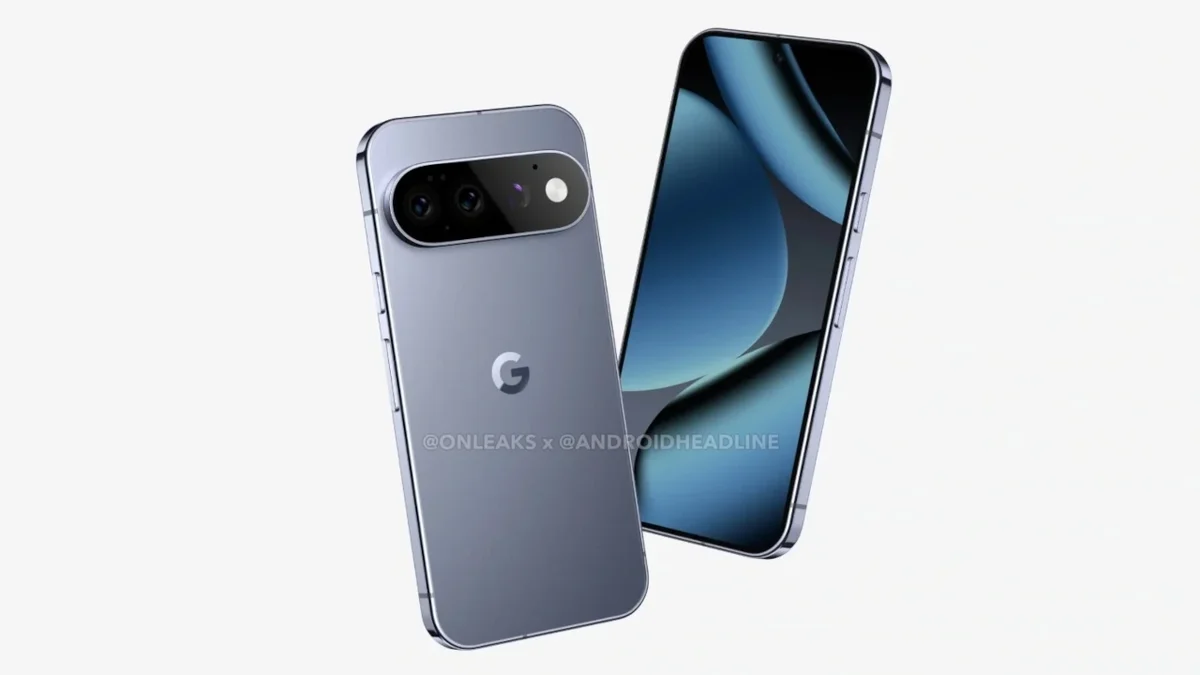
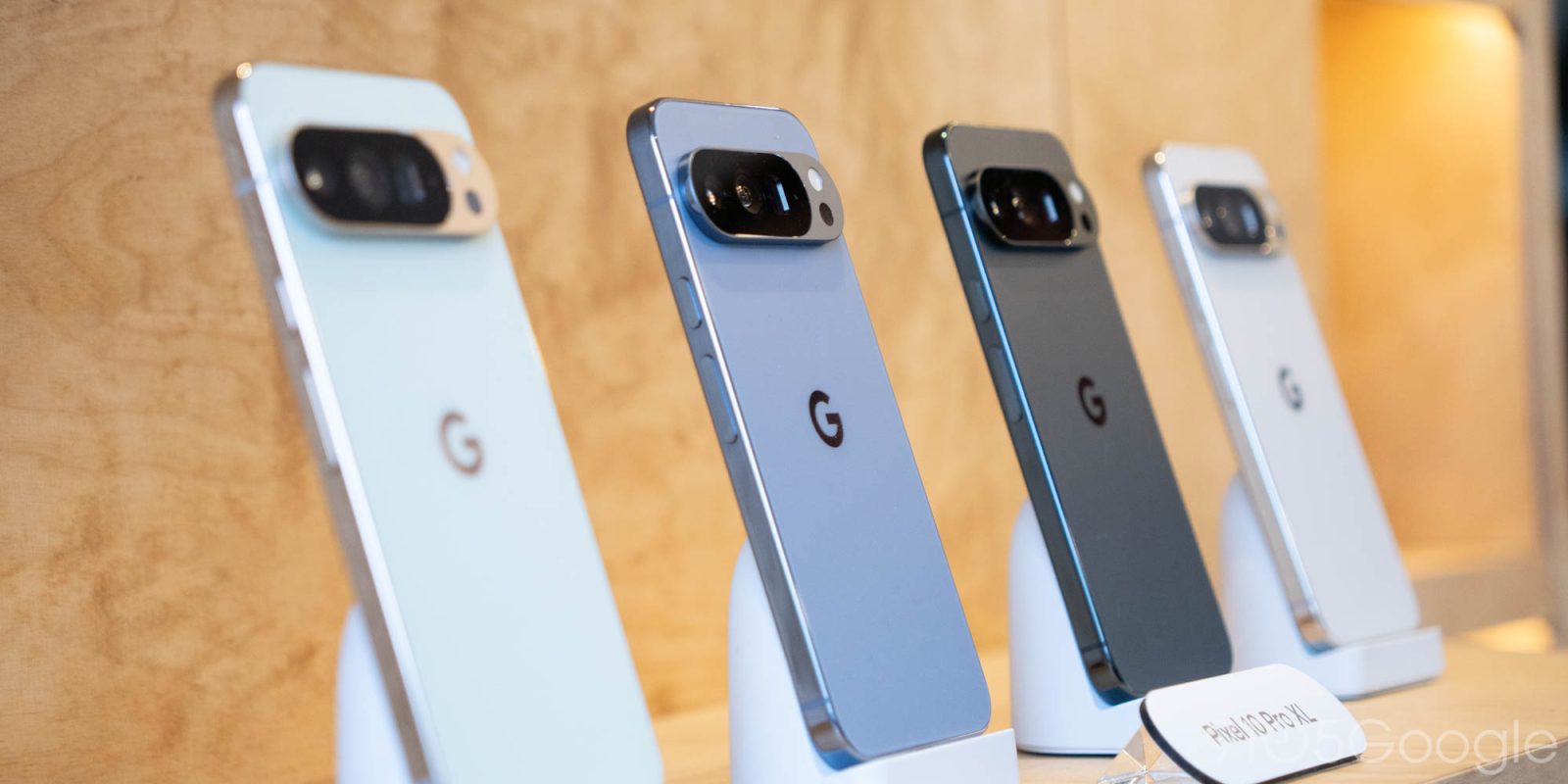
Google's official announcement of the Pixel 11 launch on August 12, 2026 in New York marks a critical inflection point for e-commerce sellers in the smartphone and consumer electronics categories. The most significant commercial signal is the €100 price increase across the Pixel 11 lineup (€999 base vs. €899 previously) and €100 increase for Pixel 11 Pro (€1,199 vs. €1,099), with projected US pricing at $899-$1,299 depending on model tier. This represents the first major price escalation in Google's flagship line, directly attributed to AI-driven component shortages affecting the broader smartphone industry in 2026.
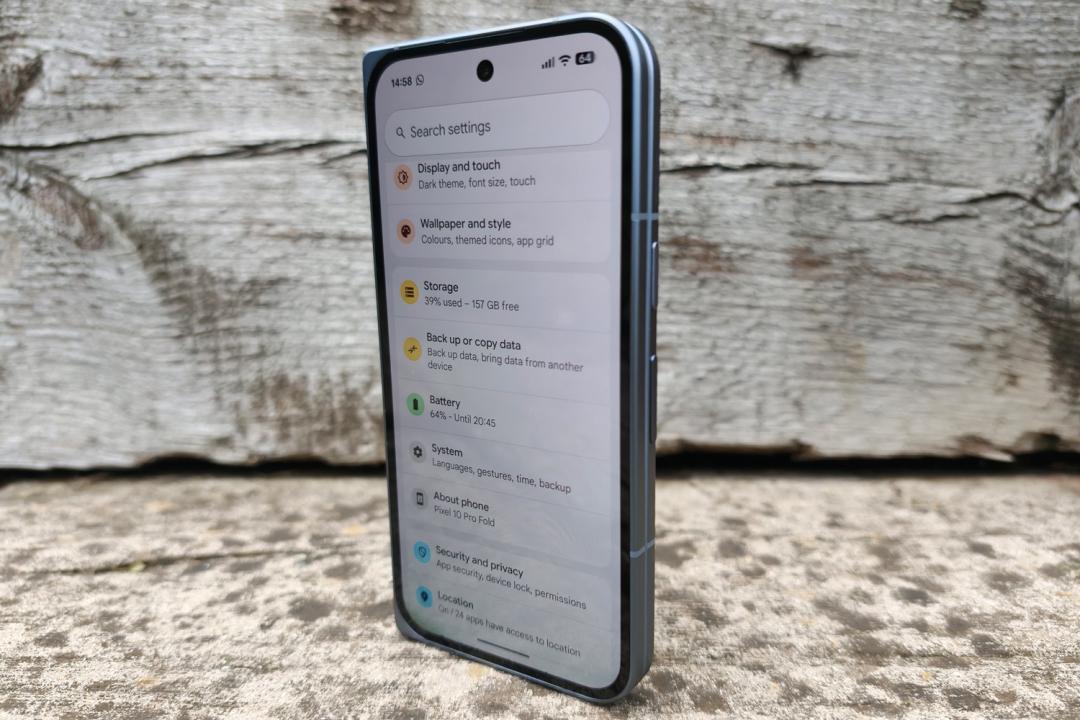
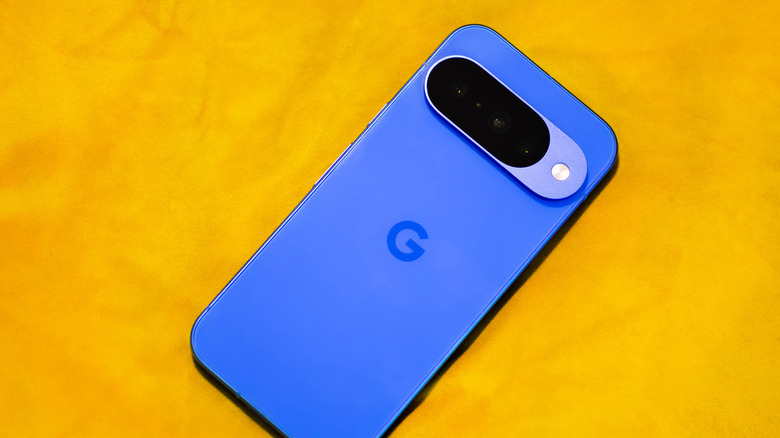
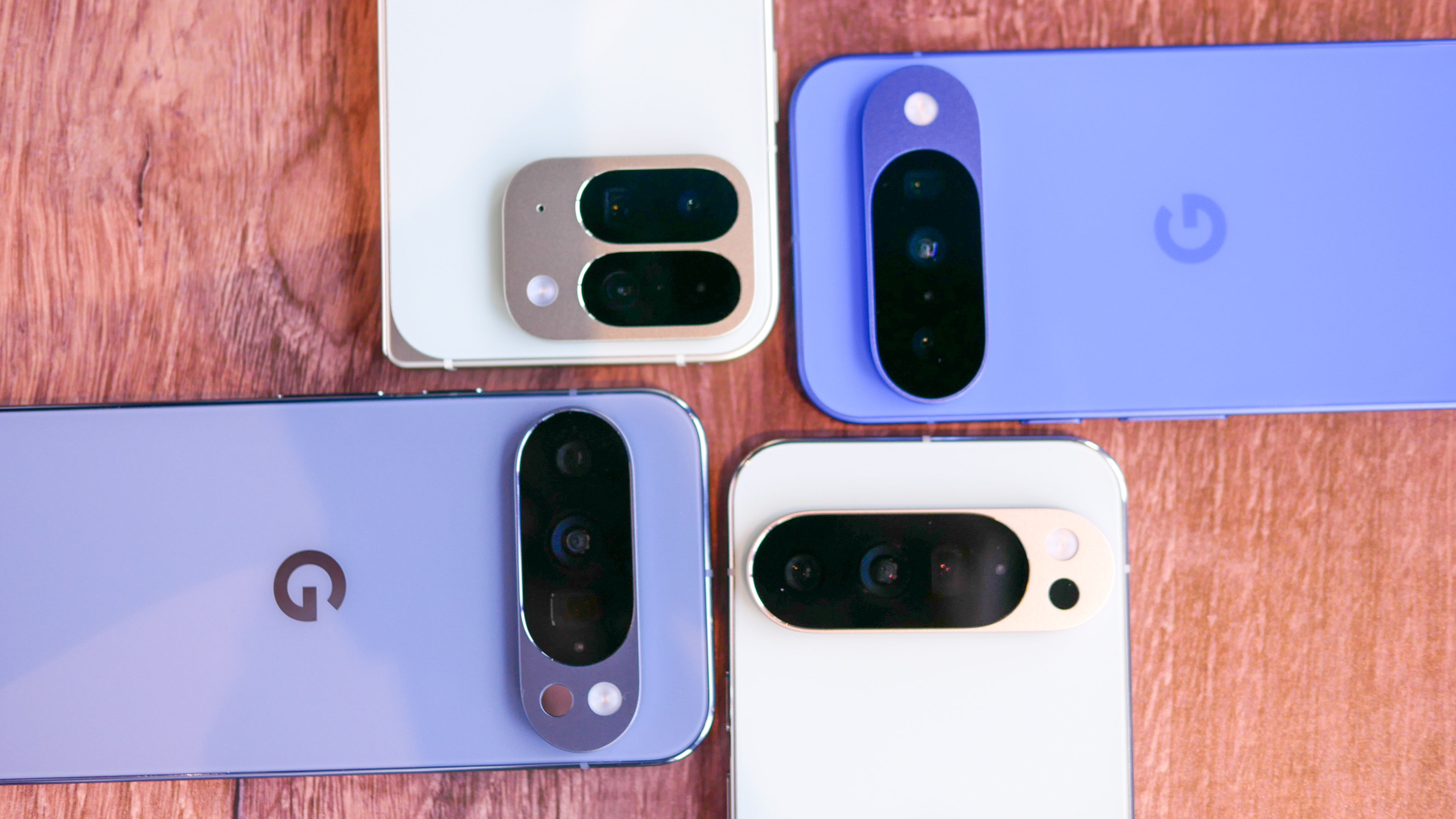
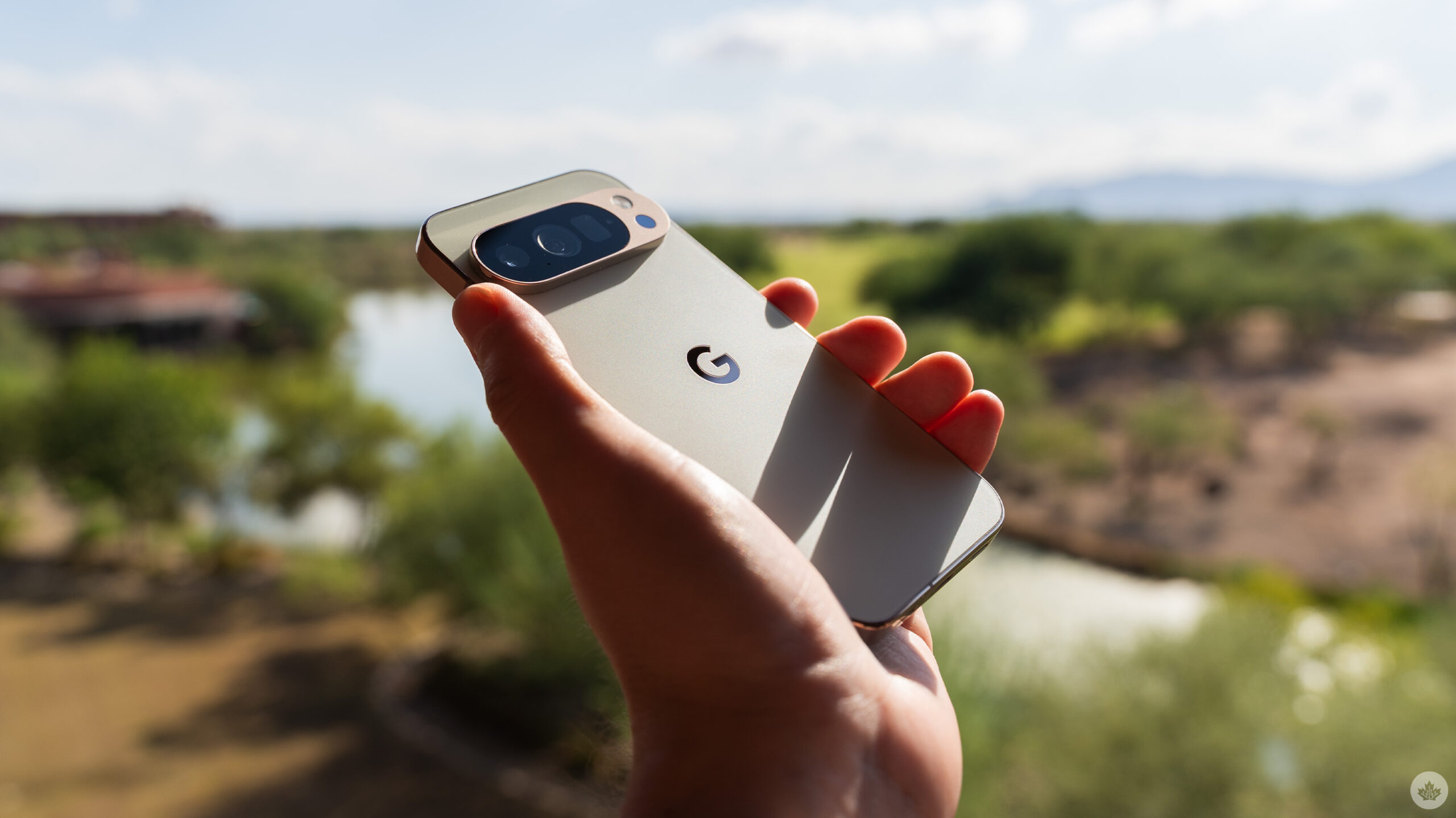
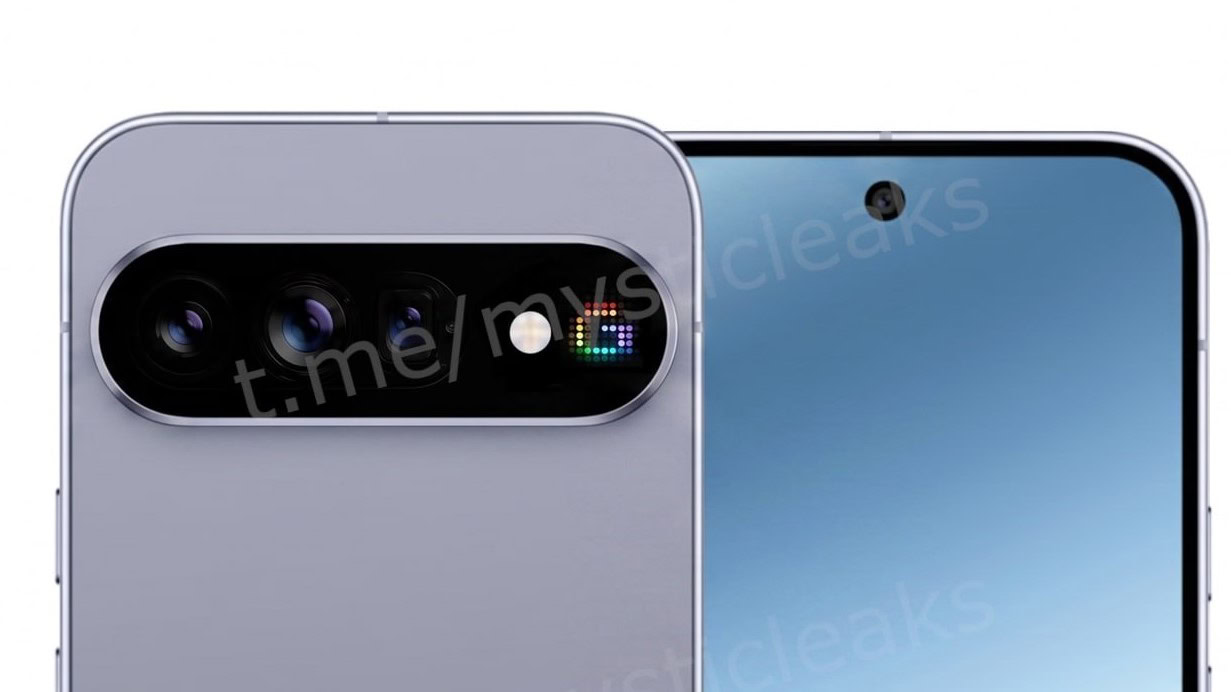
For e-commerce sellers, this pricing shift creates three distinct market opportunities. First, the discontinuation of 128GB base storage in favor of 256GB as standard tier signals a 2x storage jump that will drive demand for complementary accessories—protective cases, screen protectors, and charging solutions—as consumers upgrade to higher-capacity devices. Historical data shows smartphone launch events generate 40-60% spikes in accessory category sales during the 2-4 week window following announcement. Second, the Pixel Glow LED notification feature and new gold-copper color variant create merchandise opportunities in branded collectibles, phone skins, and custom case designs targeting the estimated 8-12M annual Pixel buyers globally. Third, the price increases across all models (including the rumored $1,899 Pixel 11 Pro Fold) will compress margins for sellers offering trade-in programs or refurbished Pixel 10 inventory, requiring immediate repricing strategies.
The underlying component shortage context is critical for supply chain planning. Multiple manufacturers have announced similar price hikes, indicating industry-wide supply constraints on AI-capable processors (the new Tensor G6 chip with upgraded NPU components) and MediaTek baseband solutions. This creates a 6-12 month window where sellers can capitalize on demand for Pixel 10 refurbished units at discounted prices before they become obsolete, and position Pixel 11 pre-orders aggressively on Amazon, eBay, and Shopify to capture early adopter segments. The August 12 event timing (shifted from October historically) compresses the pre-launch marketing window to approximately 4-6 weeks, requiring immediate content and paid advertising strategy adjustments for sellers targeting tech-savvy demographics aged 25-45 with household incomes $75K+.
Questions 8
How does the Pixel Watch 5 launch alongside Pixel 11 affect cross-selling opportunities?
Google's simultaneous launch of Pixel Watch 5 (featuring in-house Tensor chip) creates ecosystem bundling opportunities for sellers. Consumers purchasing Pixel 11 phones show 25-35% higher propensity to buy compatible smartwatches within 30 days. Sellers should prepare bundled offerings combining Pixel 11 cases with watch bands, chargers, and screen protectors. The Pixel Watch 5 maintains Pixel Watch 4 design but improves battery performance, suggesting compatibility with existing third-party accessories. Cross-sell strategies on Amazon and Shopify can increase average order value by 20-30% during the launch window.
Which e-commerce platforms offer the best traffic arbitrage for Pixel 11 launch campaigns?
Google Shopping and Amazon Sponsored Products offer the lowest CAC ($0.80-$1.20 CPC) for high-intent Pixel 11 searchers during launch periods. TikTok Shop and Pinterest show 40-50% lower CPM costs ($2-4 vs. $4-8 on Meta) for accessory content targeting Gen Z buyers, though conversion rates are 15-20% lower. eBay's auction format can drive volume for refurbished Pixel 10 inventory with minimal advertising spend. Recommend 50% budget allocation to Google/Amazon, 30% to TikTok/Pinterest for accessories, and 20% to eBay for refurbished units. Expected ROAS ranges 2.5-4.0x across platforms during launch week.