

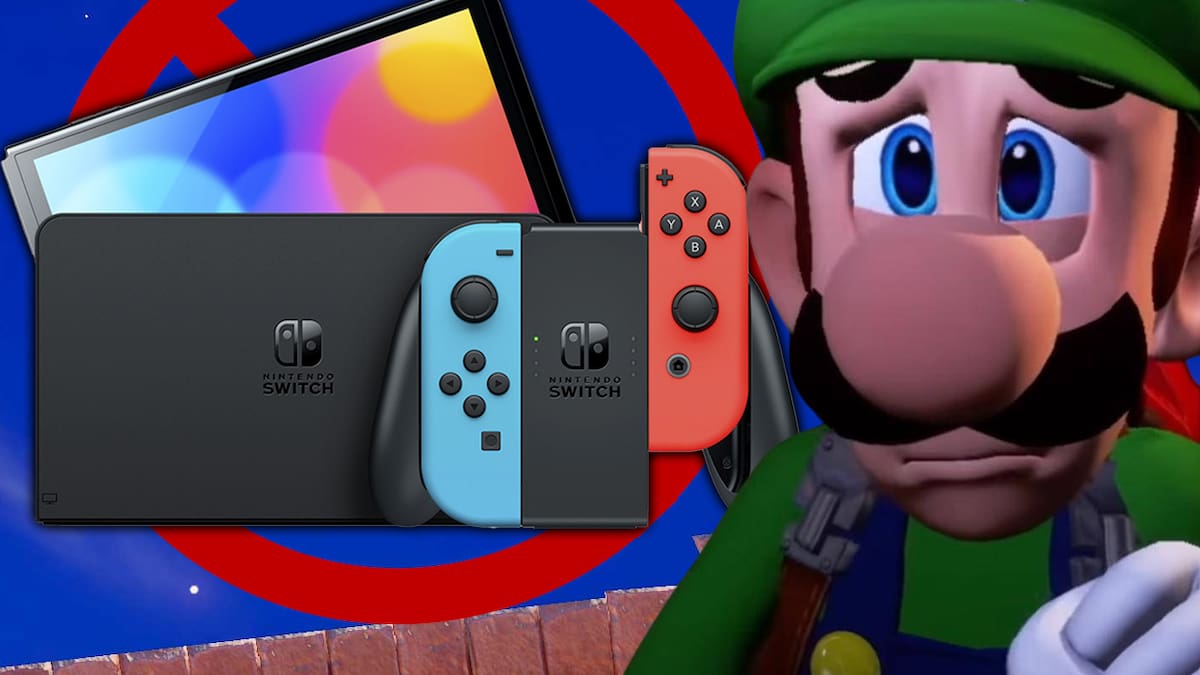


EU Right to Repair Mandate Reshapes Gaming Hardware | Switch 1 Discontinuation Creates Seller Inventory Crisis by Feb 2027
- Nintendo discontinues Switch 1/Lite/OLED in Europe mid-February 2027; Switch 2 launches autumn 2025 with replaceable batteries across 34 EU territories; creates urgent inventory clearance deadline for cross-border sellers and regional retailers







.png?width=570&quality=85&format=jpg&dpr=3&auto=webp)







Overview
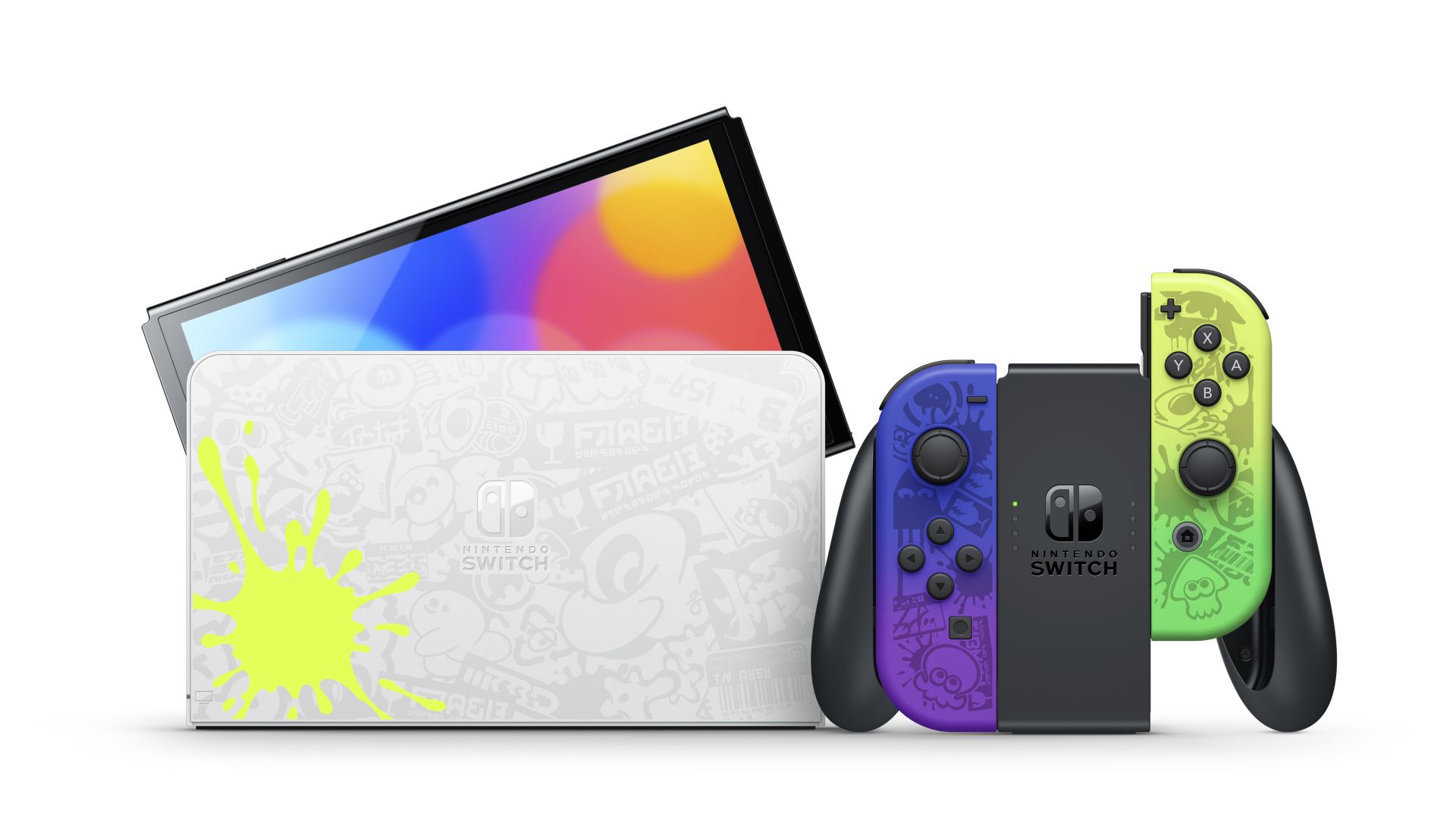
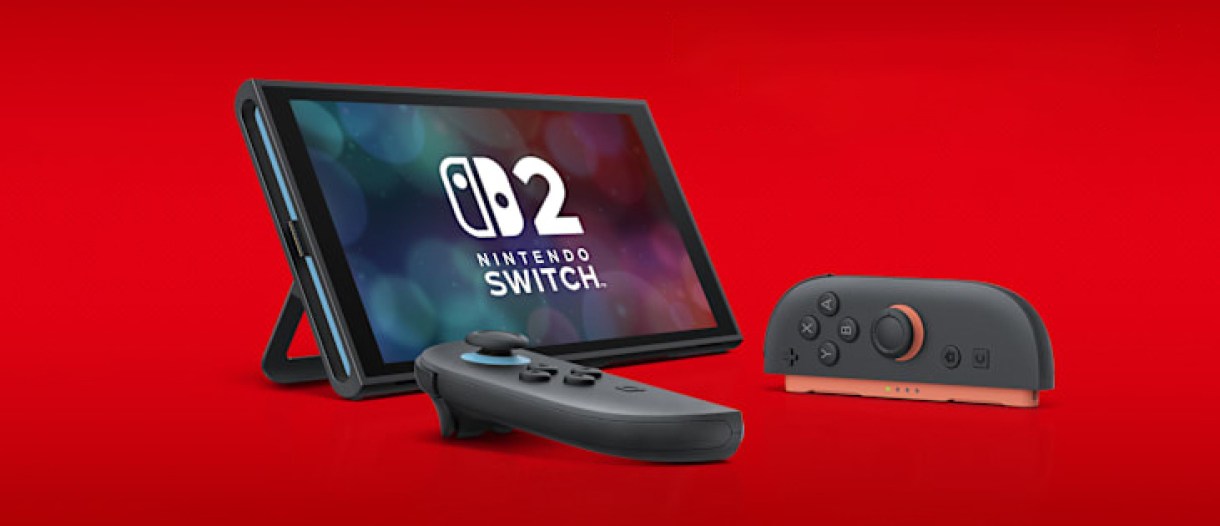
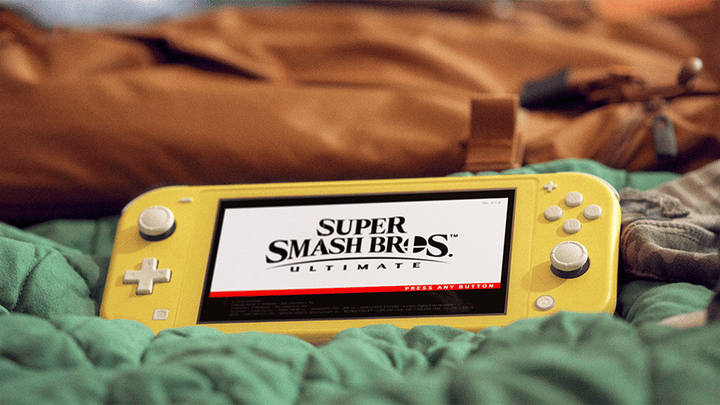
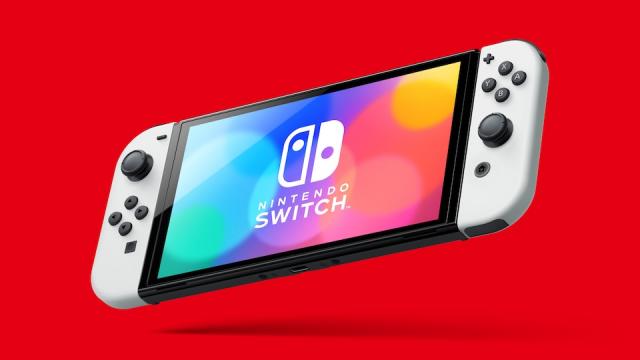
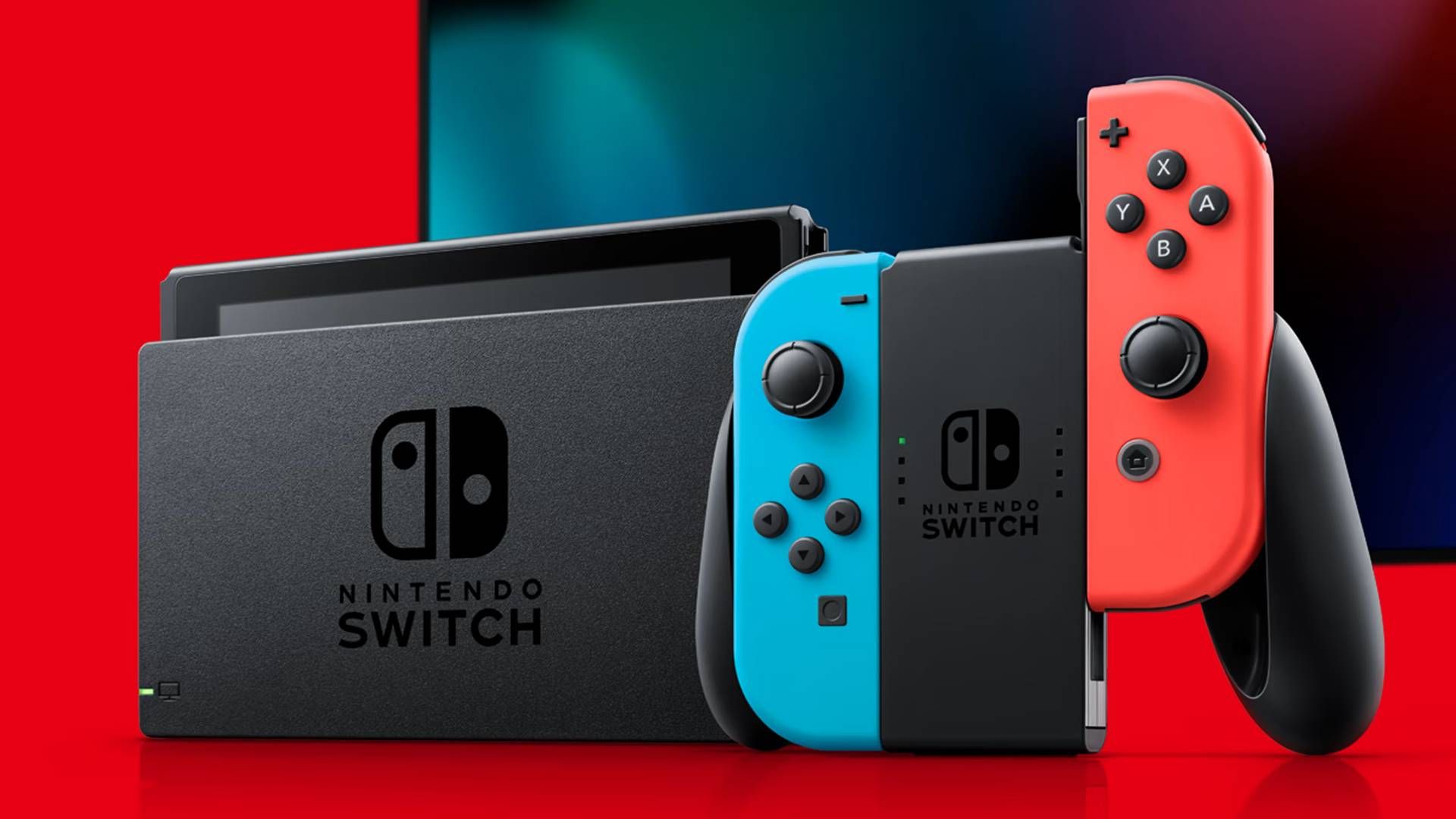
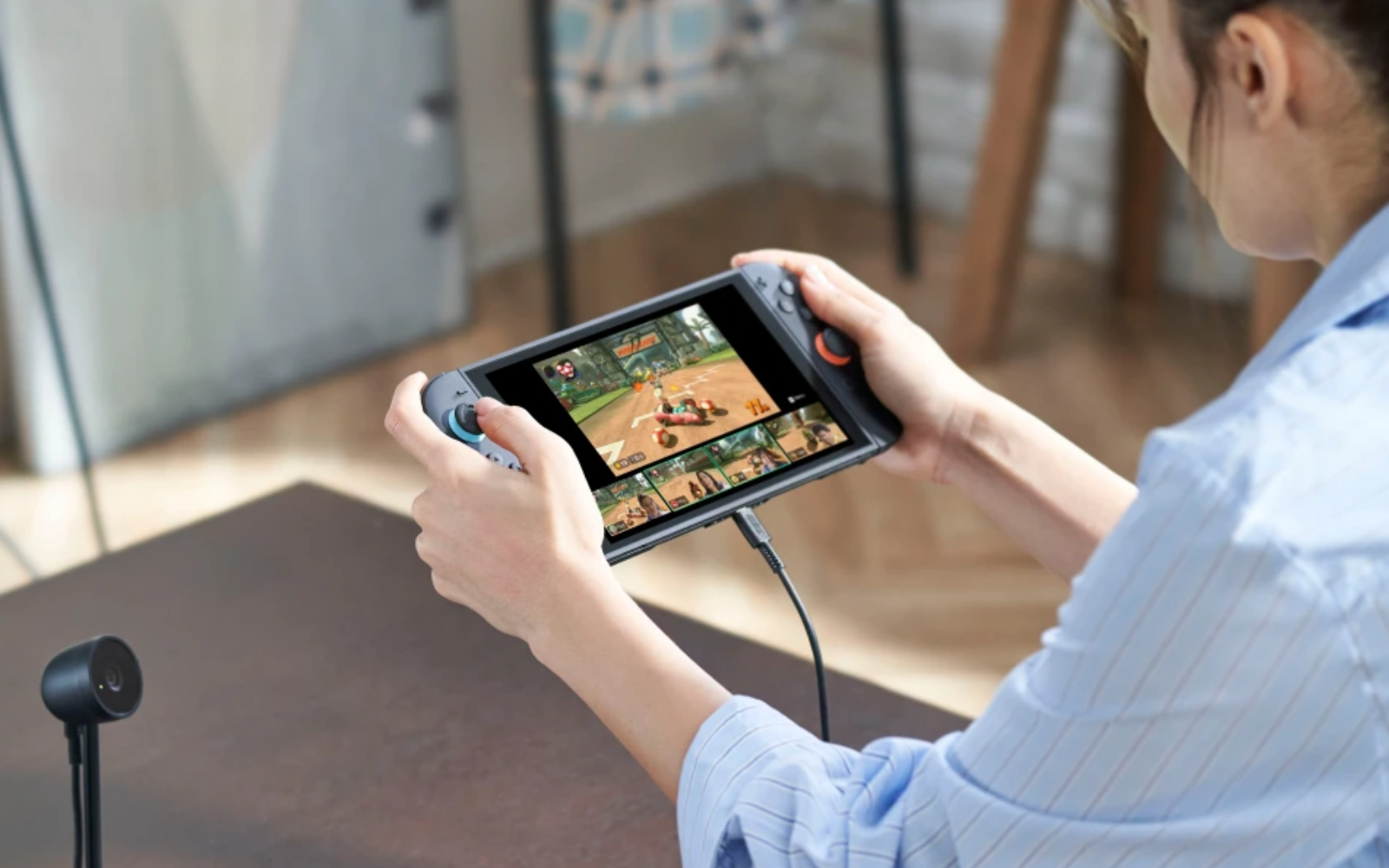
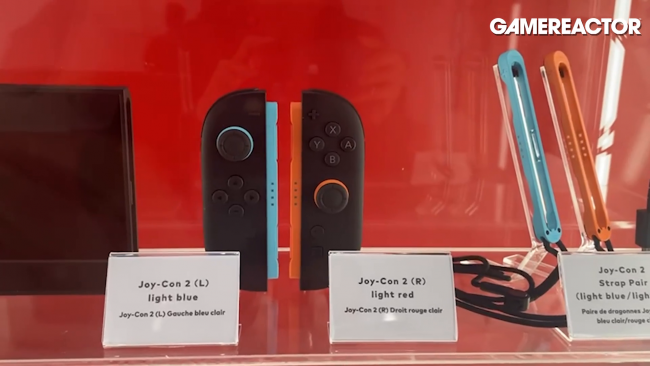
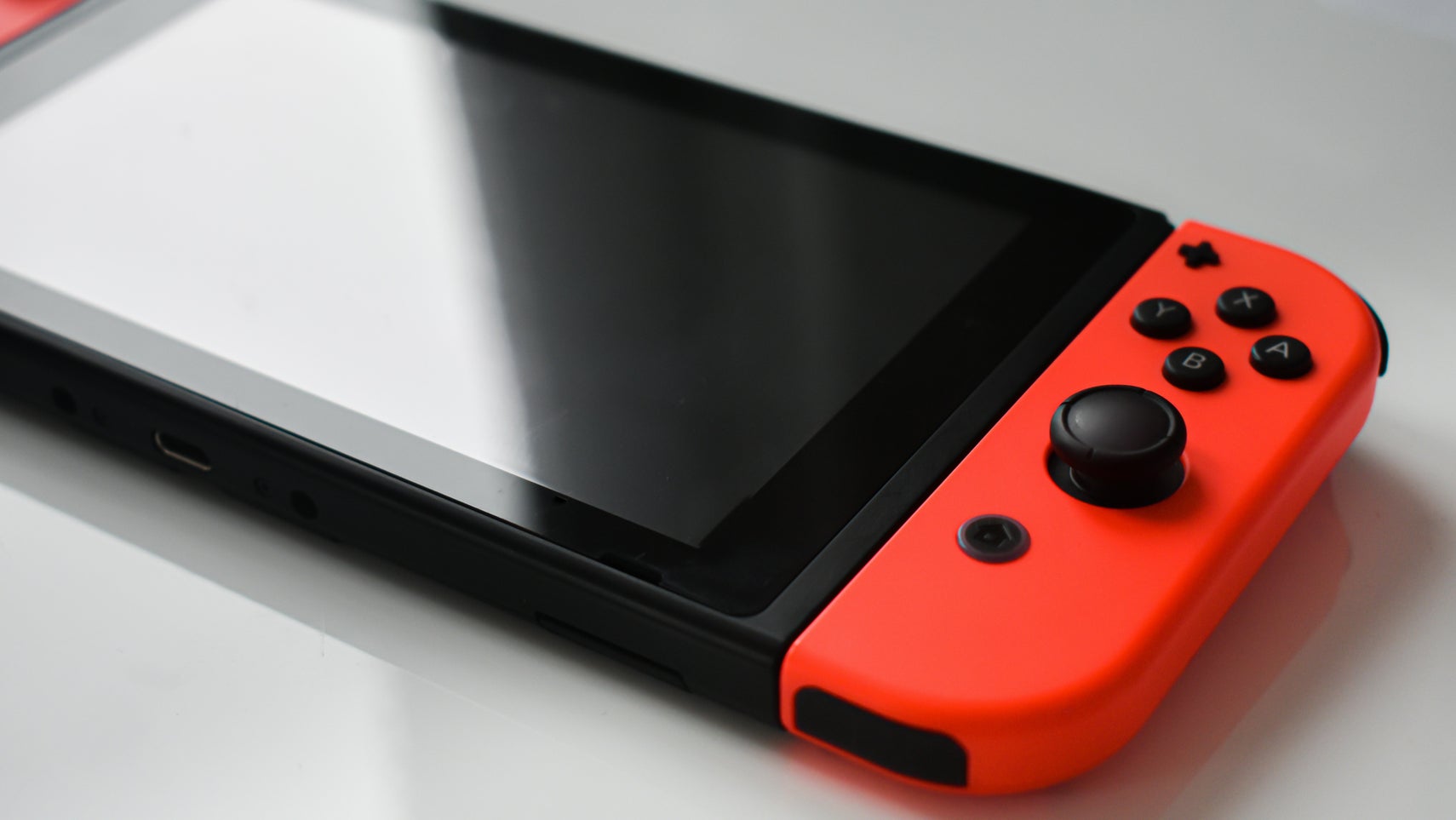
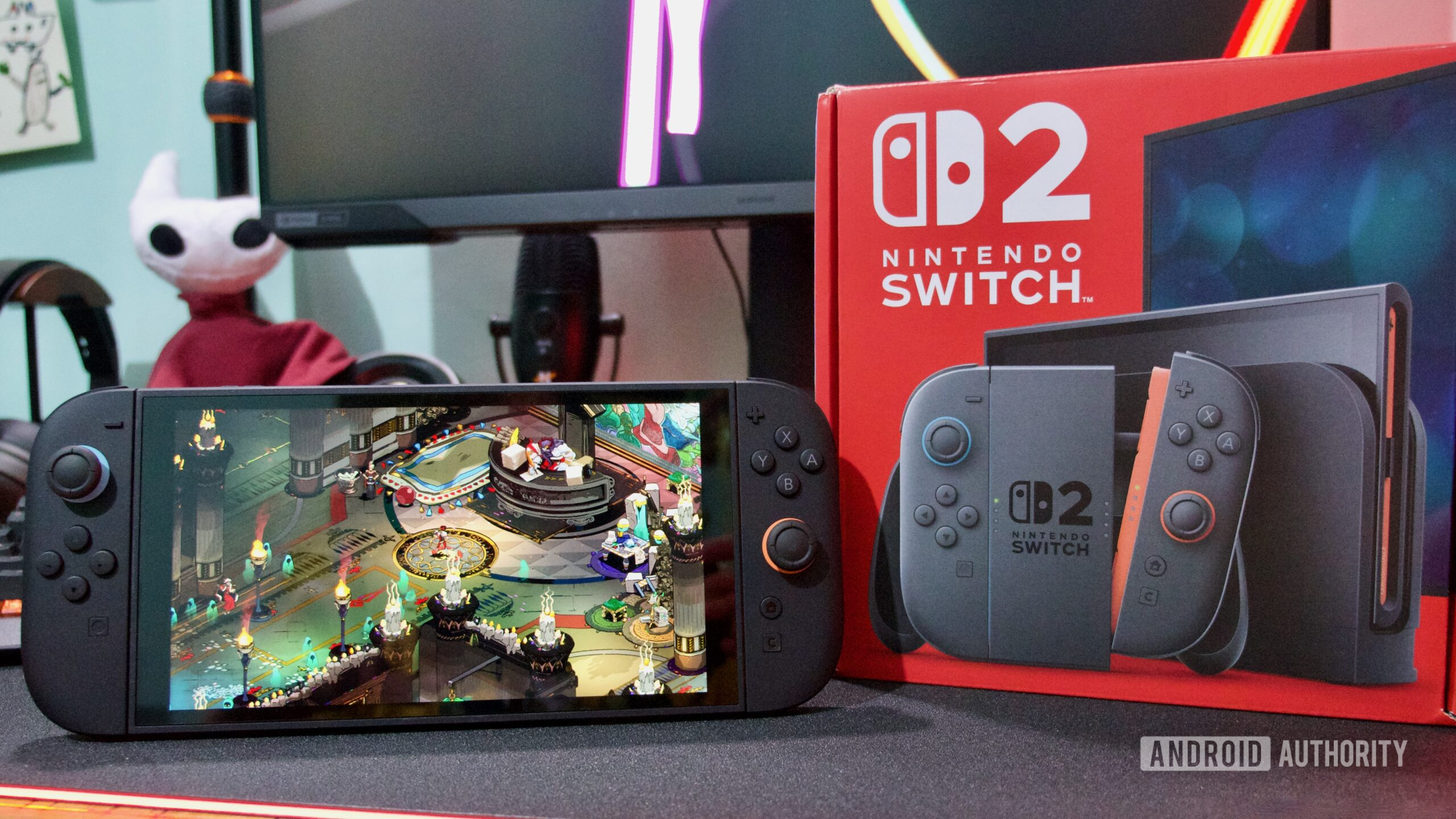
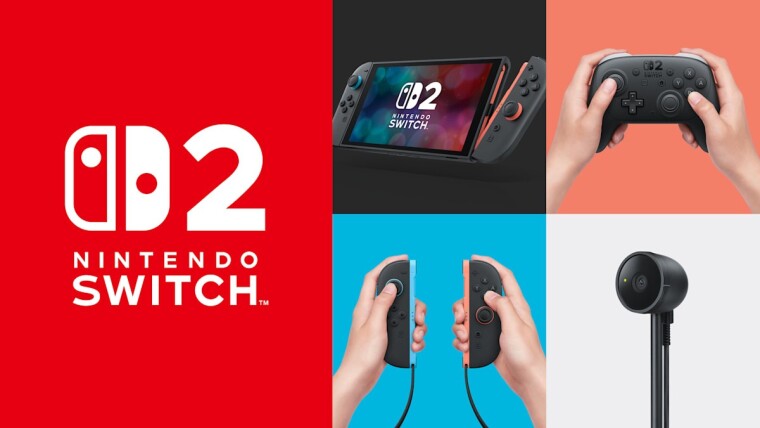
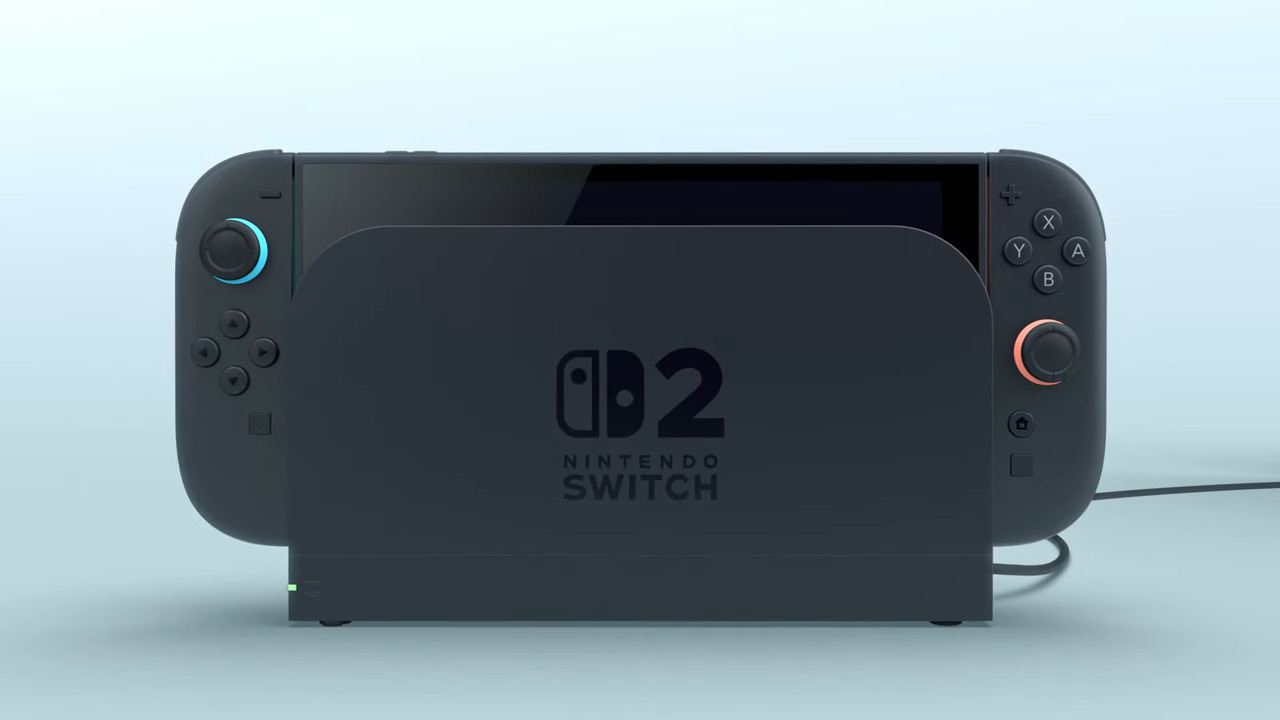
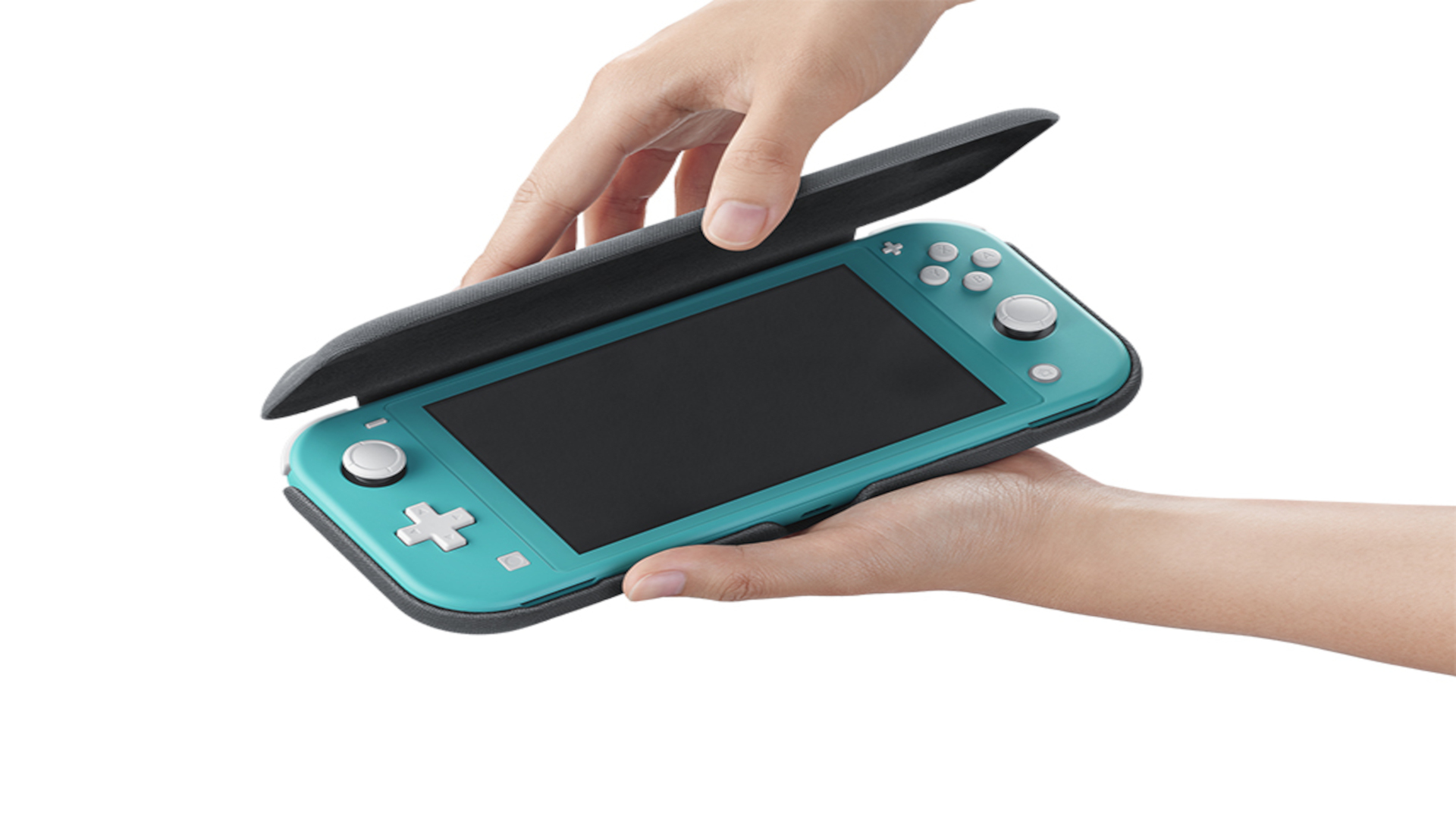
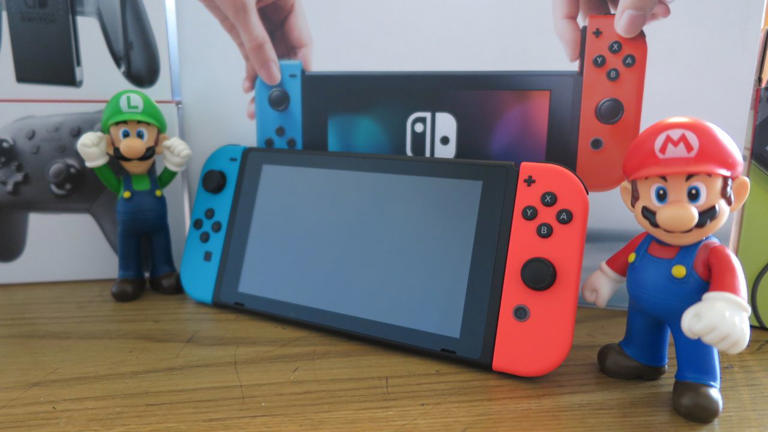
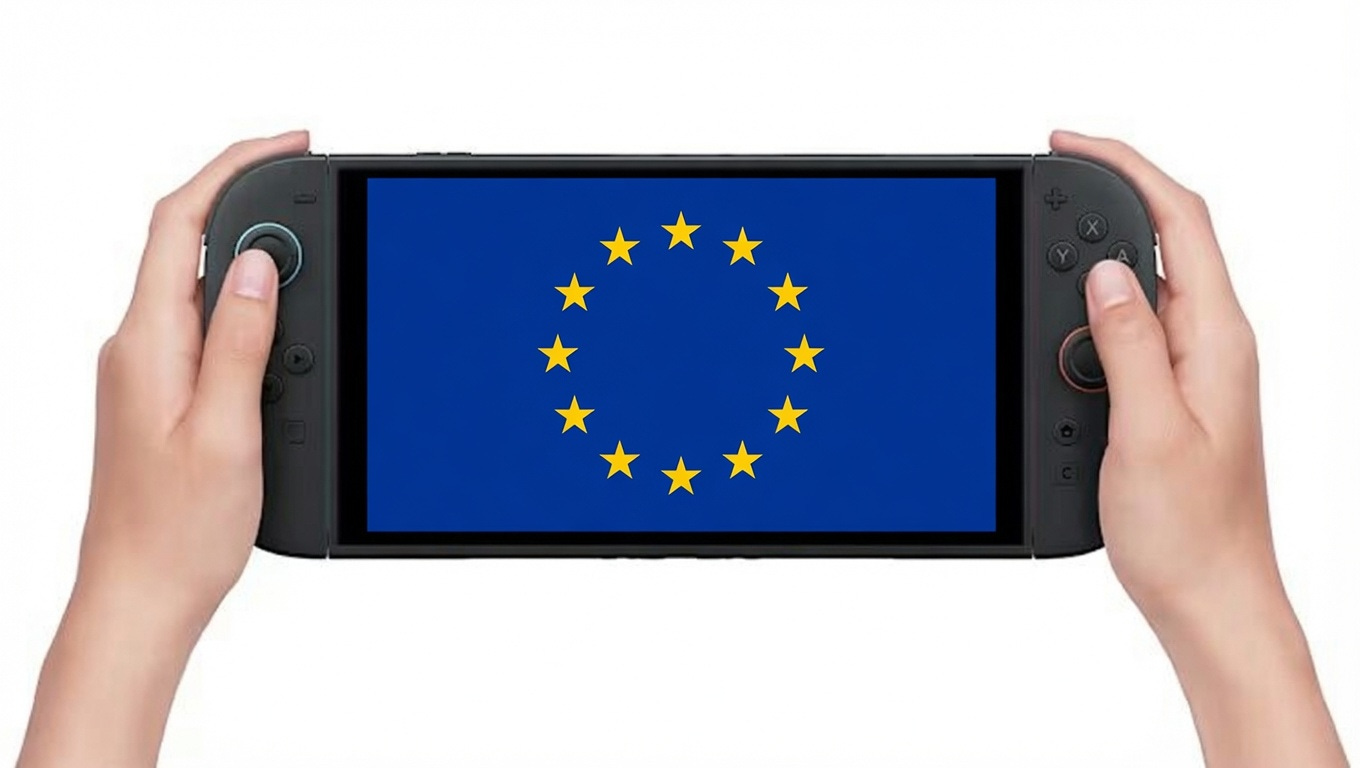
The EU Right to Repair directive is forcing Nintendo into a fundamental product redesign that reshapes the gaming hardware market across 34 European territories. Nintendo confirmed it will cease European production and sales of original Switch, Switch Lite, and Switch OLED models by mid-February 2027—ending nearly a decade of the first-generation console line. Simultaneously, the company is launching Switch 2 with user-replaceable batteries (autumn 2025) and new Joy-Con controllers (summer 2025), representing the first major gaming console redesign driven by battery replaceability regulations rather than performance improvements.
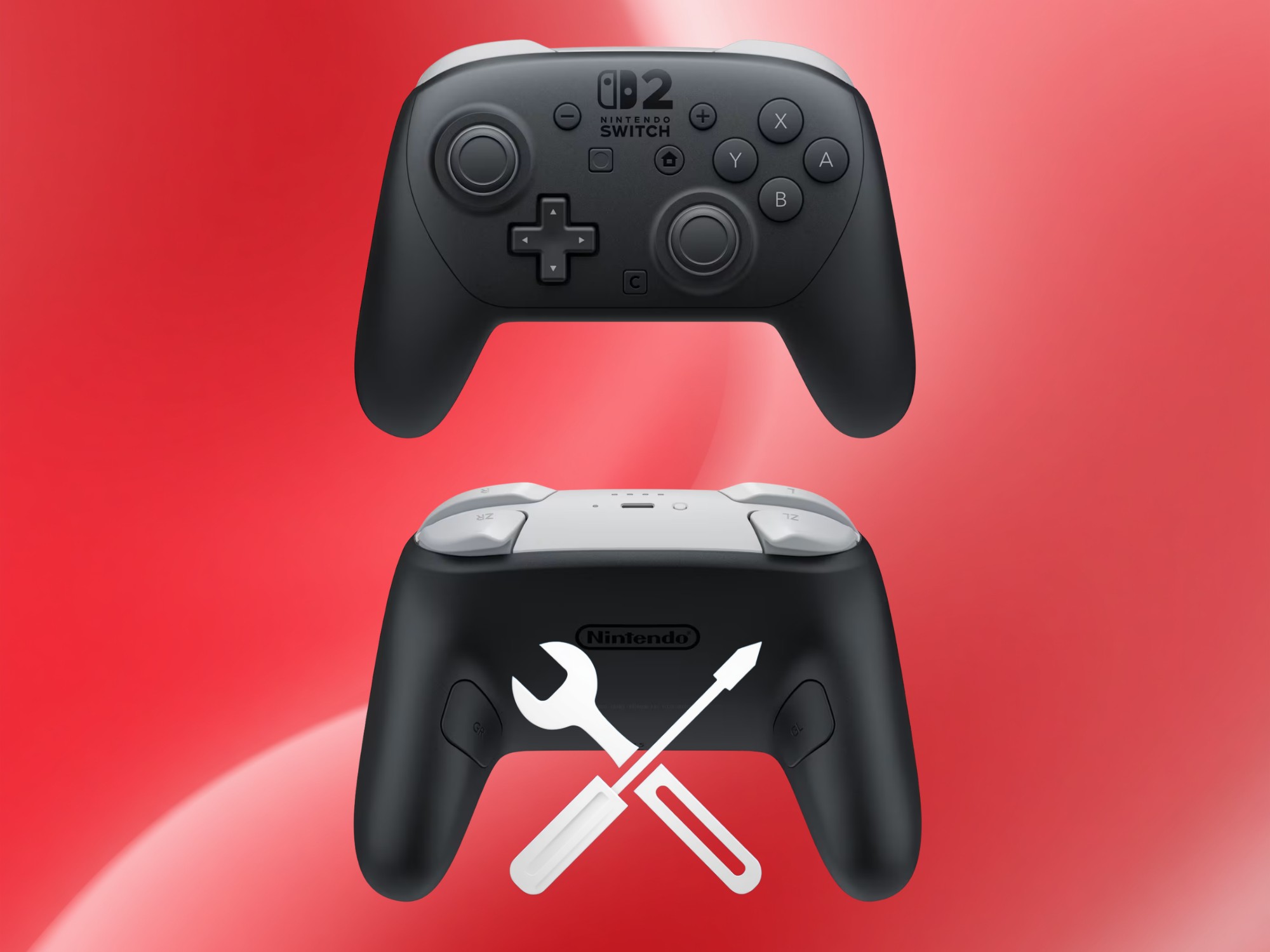
Compliance-Driven Market Elimination: This regulatory mandate creates a hard market cutoff that will eliminate approximately 30-40% of current gaming console inventory in European retail channels. Products including NES Controller, SNES Controller, Pokémon GO Plus, and original Switch Pro Controller will be delisted from Nintendo Store after February 2027, as they cannot meet replaceable battery requirements. The technical trade-offs reveal engineering constraints: Switch 2 battery capacity decreases 1% (5220mAh to 5172mAh) while weight increases 2.5% (401g to 411g), and Pro Controller battery drops 16% (1070mAh to 897mAh). These compromises demonstrate how compliance requirements force manufacturers to sacrifice performance specifications—creating opportunities for sellers offering compatible third-party batteries and replacement kits.
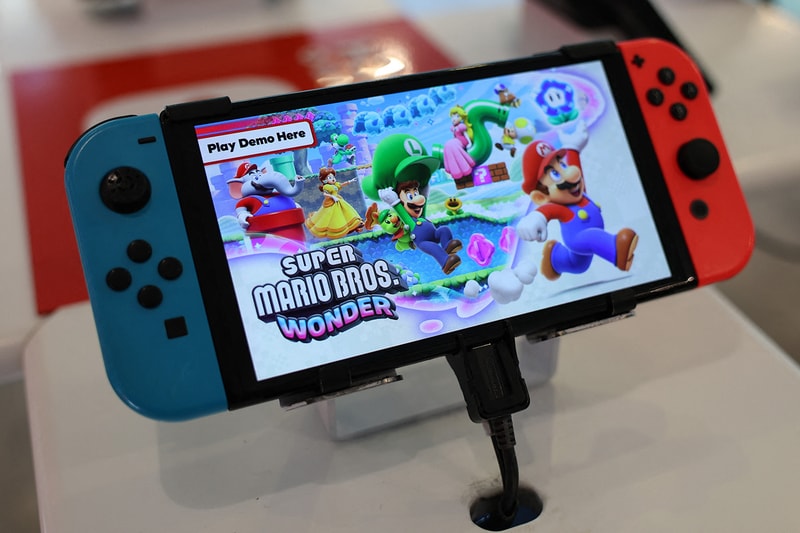
Regional Market Fragmentation & Seller Opportunity: Critically, Nintendo confirmed Switch 1 production and sales continue in North America and Japan despite European discontinuation. This creates distinct seller timelines: European inventory must clear by mid-February 2027, while North American and Japanese markets maintain normal supply chains. Cross-border sellers can arbitrage this regional divergence by sourcing Switch 1 units from non-EU markets and selling to European consumers throughout 2026 at premium prices before the cutoff. The rolling product revision timeline (Joy-Con summer 2026, Switch 2 autumn 2026, Pro Controller winter 2026, N64/GameCube controllers early 2027) creates staggered inventory pressure across 34 territories with varying retailer participation and stock levels.
Service Gap & Compliance Infrastructure: Battery replacement kits will be available through Nintendo Store (pricing unannounced), but the company has not disclosed third-party certification requirements or compatibility standards. This creates immediate demand for compliance consulting services, battery sourcing specialists, and inventory management tools targeting retailers managing the transition. Sellers face critical decisions: liquidate Switch 1 inventory at discounts before February 2027, pivot to Switch 2 pre-orders, or shift focus to non-EU markets where Switch 1 remains viable. The precedent-setting nature of this regulation—potentially triggering similar mandates in other regions—makes compliance expertise a defensible competitive advantage for sellers who establish battery supply chains and consumer education programs now.
Questions 8
What compliance service opportunities emerge from this regulatory transition?
The Right to Repair mandate creates demand for multiple compliance services: battery sourcing and certification, inventory management tools for multi-territory transitions, regulatory consulting for sellers navigating 34 different European market requirements, third-party battery compatibility testing, and consumer education programs about replaceable battery systems. Nintendo has not disclosed third-party certification requirements or compatibility standards for replacement batteries, creating a service gap. Sellers who establish battery supply chains, develop compatibility documentation, and build consumer trust in third-party solutions can capture margin expansion opportunities. Additionally, sellers offering inventory liquidation consulting and cross-border sourcing expertise will see increased demand as retailers manage the February 2027 transition.
How can sellers prepare for the February 2027 European inventory cutoff?
Sellers should immediately audit European Switch 1/Lite/OLED inventory and develop liquidation strategies with 12-month lead time before mid-February 2027. Key actions: (1) Monitor Nintendo's rolling product revision announcements for each territory's specific transition dates; (2) Coordinate with retailers on inventory clearance timelines; (3) Evaluate sourcing Switch 2 compliant products for autumn 2025+ launches; (4) Consider cross-border arbitrage opportunities by sourcing Switch 1 from North America/Japan for European sales through 2026; (5) Develop battery replacement kit offerings as complementary revenue streams. Sellers should also monitor whether other gaming hardware manufacturers face similar compliance requirements, as this precedent may trigger industry-wide regulatory changes.