



Copyright Infringement Standards Clarified | Sellers Must Understand Protectable Expression vs. Generic Themes
- Federal court ruling establishes high bar for copyright claims; generic themes, metaphors, and isolated words unprotectable; implications for merchandise, fan content, and derivative product sellers























Overview
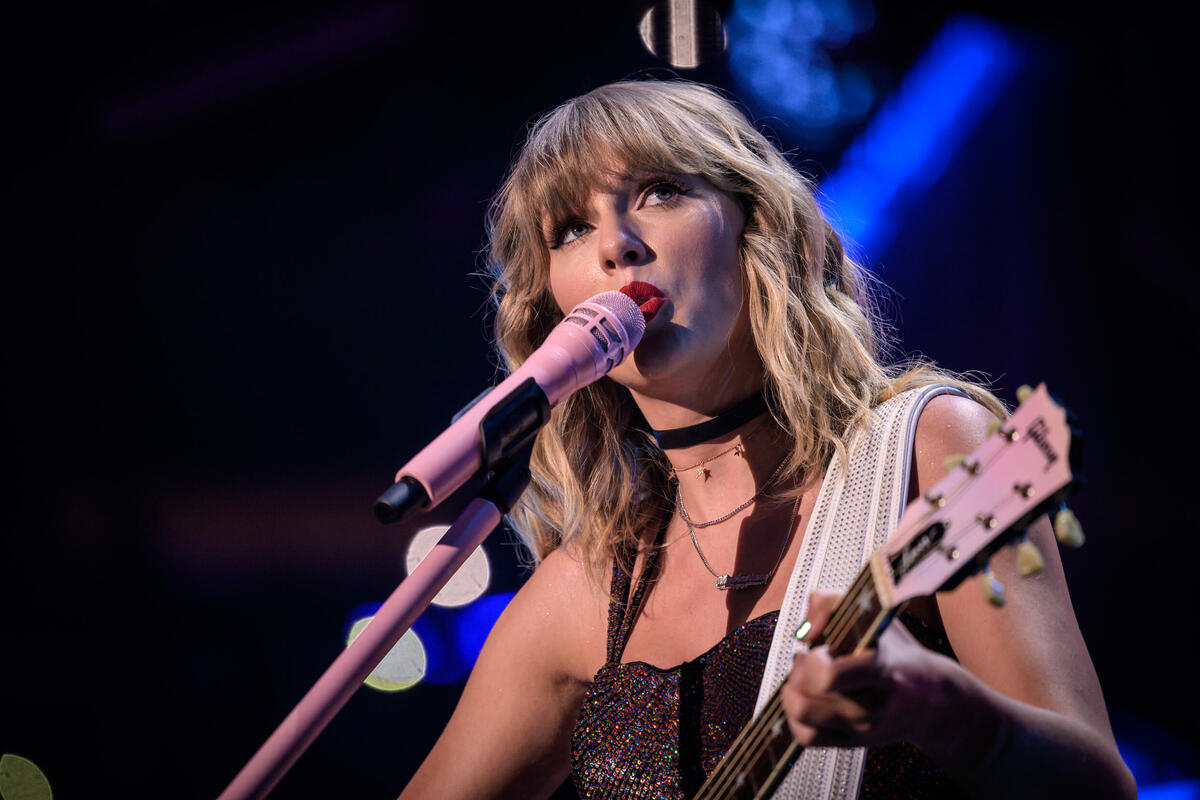
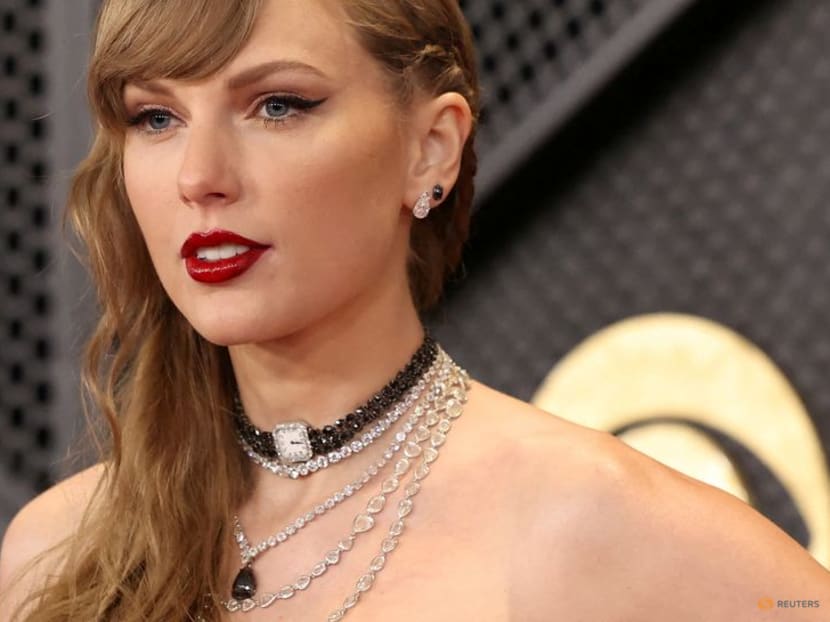
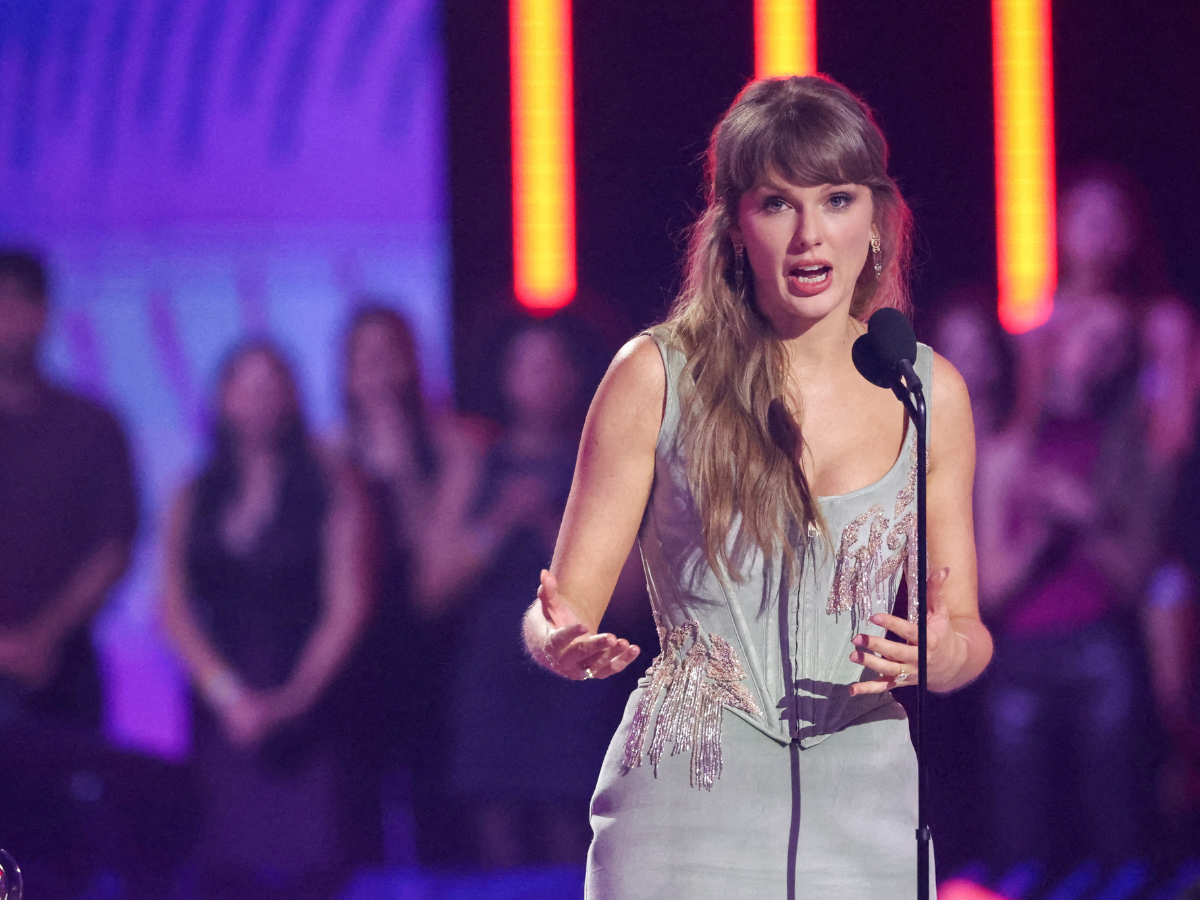
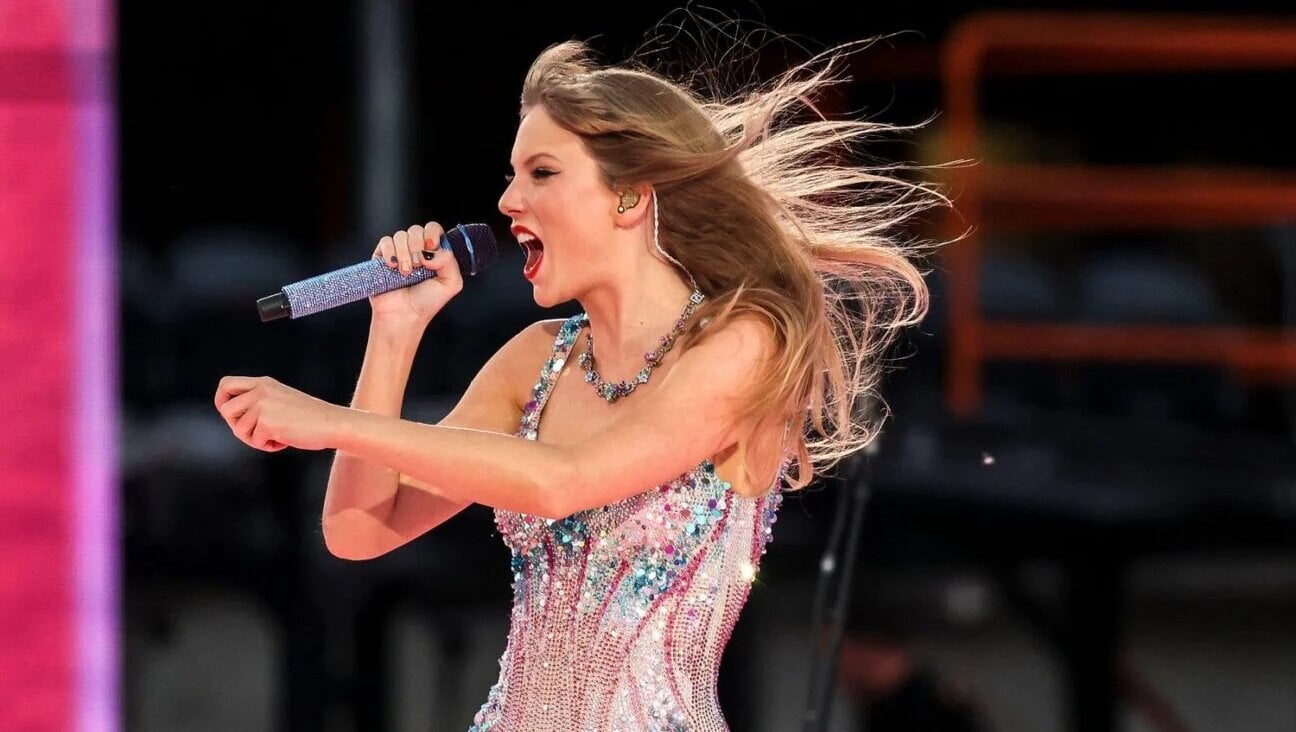
The July 2026 Taylor Swift copyright dismissal by U.S. District Judge Aileen Cannon establishes critical precedent for e-commerce sellers operating in merchandise, fan content, and derivative product categories. Judge Cannon's ruling—dismissing poet Kimberly Marasco's claims with prejudice for the second time—reinforces that copyright law protects only "substantial similarity in protectable expression," not basic ideas, themes, metaphors, isolated words, or short phrases. This precedent directly impacts sellers in multiple high-value categories: Taylor Swift merchandise (estimated $500M+ annual market), fan art and apparel, music-inspired home goods, and literary-inspired products.
The ruling's specific holdings create a compliance moat for sophisticated sellers while eliminating frivolous IP litigation risk. Judge Cannon explicitly rejected claims based on shared themes (women in corporate environments, gaslighting, confronting adversity), ubiquitous metaphors (water submersion, tears as weapons, desire as fuel), and common vocabulary (fire, rain, sky, love, tears, running). For merchandise sellers, this means: (1) Taylor Swift-inspired apparel using album themes, song concepts, or emotional narratives faces significantly reduced legal exposure if designs avoid direct lyric copying or album artwork reproduction; (2) Fan art sellers can legally create derivative works depicting album concepts without substantial similarity concerns; (3) Sellers of "inspired by" products (journals, home décor, apparel) can safely reference thematic elements without licensing.
The dismissal with prejudice (preventing Marasco from refiling) signals courts' intolerance for frivolous copyright claims, reducing litigation costs for defendants. Swift's legal team characterized the claims as "absurd and legally baseless," and Judge Cannon's denial of amendment rights reflects judicial frustration with repeated filings. For sellers, this precedent reduces the likelihood of costly IP disputes over generic concepts. However, the ruling also clarifies what IS protectable: specific lyrical phrases, distinctive creative expression, and demonstrable copying patterns. Sellers must distinguish between safe thematic inspiration and prohibited direct copying. The case involved five albums (Lover, Folklore, Evermore, Midnights, The Tortured Poets Department) and a dozen alleged songs, yet none survived scrutiny—indicating the bar for substantial similarity remains extremely high in music-related merchandise.
Immediate compliance implications for merchandise sellers: (1) Audit existing Taylor Swift-inspired product listings for direct lyric reproduction vs. thematic inspiration; (2) Ensure fan art and derivative designs don't reproduce protected album artwork or specific creative expressions; (3) Document design independence and thematic inspiration sources to defend against future claims; (4) Avoid using exact song titles or album artwork in product descriptions without licensing; (5) Consider licensing for high-value merchandise lines ($50+ price points) to eliminate residual risk despite favorable precedent.
Questions 8
How can fan art sellers protect themselves under this copyright precedent?
Fan art sellers can legally create derivative works depicting album concepts, emotional themes, and narrative elements without substantial similarity concerns. The ruling confirms that shared concepts like 'confronting adversity' or 'gaslighting' are unprotectable. To maximize legal safety: (1) Document that designs are thematically inspired rather than directly copied; (2) Avoid reproducing specific album artwork, cover designs, or official imagery; (3) Use original artistic interpretation rather than direct illustration of lyrics; (4) Include disclaimers like 'inspired by' rather than 'official' merchandise. The precedent significantly reduces litigation exposure for independent fan creators.
What does the Taylor Swift ruling mean for sellers of music-inspired merchandise?
The July 2026 ruling establishes that generic themes, metaphors, and isolated words cannot constitute copyright infringement. For merchandise sellers, this means Taylor Swift-inspired apparel, journals, and home goods can safely reference album concepts (like 'folklore' themes or 'midnights' aesthetics) without licensing, provided designs don't reproduce specific lyrics, album artwork, or distinctive creative expressions. Judge Cannon's dismissal with prejudice signals courts' strong stance against frivolous IP claims, reducing litigation risk for compliant sellers. However, sellers must still avoid direct lyric reproduction or artwork copying, which remain protected expression.