



Jinjiang Shoe Factory Fire Disrupts 20% Global Supply | Seller Sourcing Risk Alert
- Critical supply chain disruption in world's largest footwear hub; 1.2B annual shoe production at risk; sellers face 4-12 week inventory delays and compliance cost increases




Overview
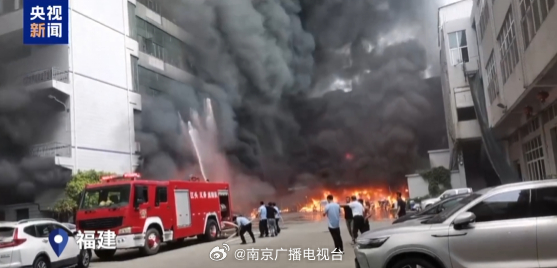
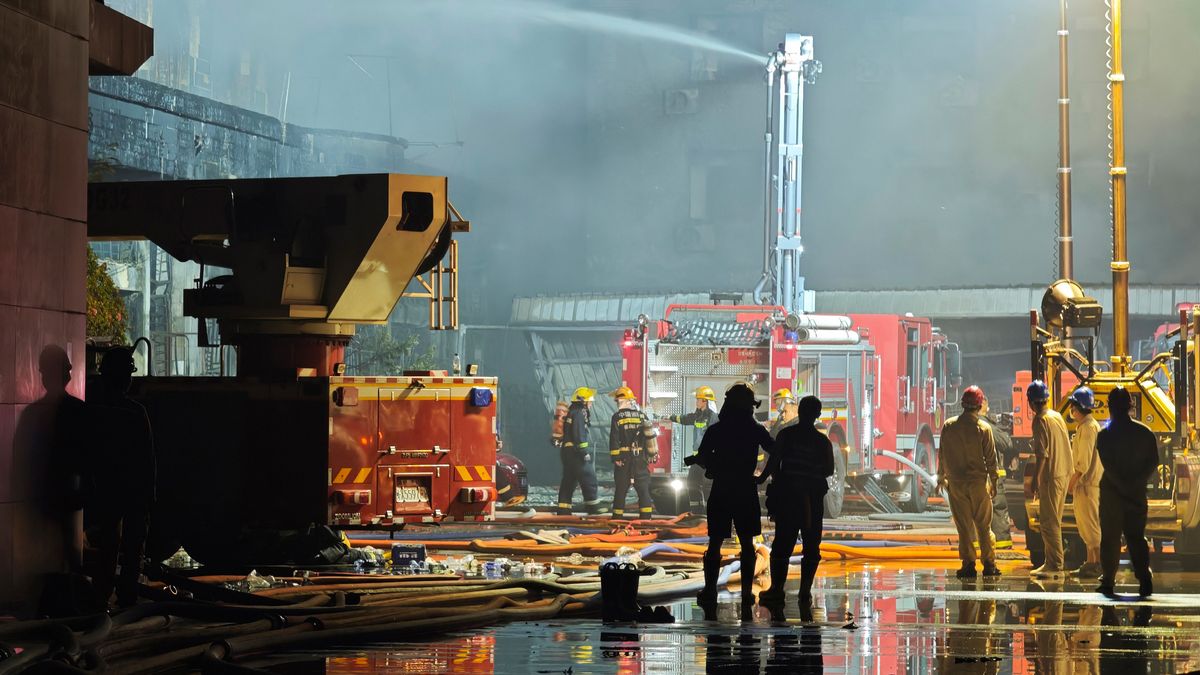
A catastrophic fire at Huiteng Shoe Company in Jinjiang, Fujian province on July 9, 2026 has triggered immediate supply chain concerns for cross-border e-commerce sellers. The incident, which resulted in significant casualties and prompted a direct presidential intervention by Xi Jinping, represents one of China's deadliest industrial fires in recent years. With 183 firefighters and 35 vehicles deployed and rescue efforts hampered by obstructed stairwells, the blaze underscores critical safety vulnerabilities in manufacturing operations. Jinjiang's dominance in global footwear production—accounting for 1.2 billion pairs annually (approximately 20% of worldwide output)—means this single incident poses material supply chain risk for sellers on Amazon, eBay, and Shopify.
The fire's immediate operational impact centers on inventory availability and production timeline compression. Sellers sourcing footwear from Jinjiang-based manufacturers face potential 4-12 week production delays as factories undergo mandatory safety inspections and remediation. The incident originated on the ground floor where shoe-making materials and adhesives—highly flammable substances—accelerated the blaze's spread, highlighting storage and safety compliance gaps. The anticipated regulatory response will likely include stricter fire safety inspections, emergency access requirements, and material storage protocols, increasing manufacturing compliance costs by 8-15% for affected suppliers. Sellers relying on just-in-time inventory models from this region face immediate BSR (Best Seller Rank) pressure and potential stockouts across shoe categories (athletic footwear, casual shoes, safety footwear, children's shoes).
For cross-border sellers, the strategic imperative is immediate supplier diversification and safety audit implementation. Sellers should: (1) Contact existing Jinjiang suppliers within 48 hours to assess facility damage and production capacity restoration timelines; (2) Identify alternative sourcing locations in Vietnam, Indonesia, or India to reduce concentration risk; (3) Conduct fire safety and emergency access audits of current suppliers using third-party inspection services; (4) Increase safety stock by 20-30% for high-velocity SKUs to buffer against 6-8 week supply gaps. The incident reflects broader industrial safety concerns in China's manufacturing sector and may influence buyer decisions regarding supply chain transparency and due diligence requirements, particularly for premium and children's footwear categories where safety compliance carries higher consumer expectations.
Questions 7
How does the Jinjiang factory fire impact shoe sellers on Amazon and eBay?
The fire at Huiteng Shoe Company directly threatens inventory availability for sellers sourcing from Jinjiang, which produces 1.2 billion pairs annually—20% of global output. Sellers face 4-12 week production delays as factories undergo mandatory safety inspections and remediation. This creates immediate BSR pressure and stockout risk for athletic footwear, casual shoes, and children's shoe categories. Sellers should contact suppliers within 48 hours to assess damage and begin identifying alternative sourcing locations in Vietnam or Indonesia to mitigate supply gaps.
What regulatory changes should sellers expect in the coming months?
China's Ministry of Emergency Management will likely implement stricter fire safety inspections, emergency access protocols, and material storage standards across manufacturing facilities. Sellers should monitor official safety directives from Chinese authorities and expect increased compliance documentation requirements from suppliers. New certifications may include enhanced fire safety audits (GB 50016 standards) and emergency evacuation procedures. Suppliers may require 4-8 weeks to achieve new compliance standards, further extending production timelines. Sellers should budget for increased audit costs ($500-1,500 per supplier) and factor compliance timelines into production planning.